

Disclosure: As an Amazon Associate, Bookish Wisdom earns from qualifying purchases. This doesn’t change our picks or your price.
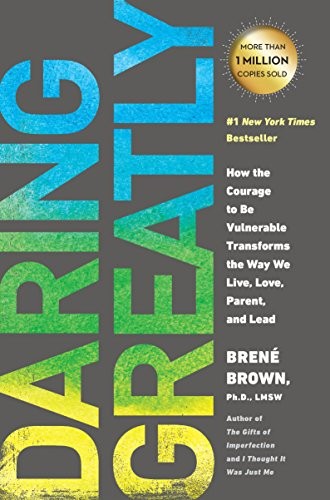
TL;DR: Daring Greatly: How the Courage to Be Vulnerable Transforms the Way We Live, Love, Parent, and Lead by Brene Brown argues that vulnerability is not weakness but the birthplace of courage, connection and creativity. Based on years of research, Brown shows how shame and a culture of scarcity hold us back, and how embracing imperfection leads to a more wholehearted life.
In 2010, researcher and storyteller Brene Brown gave a TEDx talk on vulnerability that became one of the most-viewed in TED history. She followed it with Daring Greatly in 2012, a book that takes the research further. Brown is a research professor at the University of Houston who has studied shame, courage and connection for more than two decades. The title comes from a famous passage by Theodore Roosevelt about the man in the arena. The book is warm and conversational, mixing research with stories. Here’s a summary of its main ideas.
Table of Contents
Daring Greatly at a Glance
| Detail | Info |
|---|---|
| Author | Brene Brown |
| Published | 2012 |
| Genre | Psychology, self-help |
| Core idea | Vulnerability is the path to courage and connection |
| Structure | Chapters on myths, scarcity, shame, armor, parenting and leadership |
| Best for | Readers who want to understand shame, perfectionism and connection |
What Is Daring Greatly About?
Brown defines vulnerability as uncertainty, risk and emotional exposure. Rather than seeing it as weakness, she argues that it is the core of meaningful experiences, such as love, belonging, creativity and trust. We cannot have these without risking being seen.
The book is framed by Roosevelt’s passage from a 1910 speech, which praises the person who is actually in the arena, whose face is marred by dust and sweat and blood, and who at best knows the triumph of high achievement and at worst fails while daring greatly. Brown’s message is that being brave means showing up, even when you can’t control the outcome.
Key Ideas, Part by Part
Myths About Vulnerability
Brown dispels four myths. First, that vulnerability is weakness; in her research, people often saw it as courage in others but weakness in themselves. Second, that I don’t do vulnerability; she notes that avoiding it is still a response to it. Third, that you can go it alone, when connection requires being seen. Fourth, that trust comes before vulnerability, when in fact trust is built through small acts of vulnerability.
She also explains that vulnerability is not oversharing. It involves sharing with people who have earned the right to hear your story.
Scarcity and Shame
Brown describes a culture of scarcity, the pervasive feeling of never being enough, thin enough, successful enough or safe enough. It drives comparison and fear. She also distinguishes shame from guilt: guilt is I did something bad, while shame is I am bad. Guilt can motivate change, but shame leads to hiding and disconnection.
She introduces shame resilience, the ability to recognize shame, reach out and talk about it. She says that shame cannot survive being spoken and met with empathy. Her advice includes naming the shame, understanding the messages behind it and sharing the story with someone you trust.
Armor Against Vulnerability
Brown identifies common ways we protect ourselves. Foreboding joy is the habit of expecting disaster when things are going well, which blocks joy. Perfectionism is a shield that tries to avoid blame and shame, but it keeps us from taking risks. Numbing, through busyness, food, alcohol or social media, dulls both pain and joy.
She encourages readers to practice gratitude and to allow joy to be vulnerable. Setting aside armor takes courage, but it is where connection begins.
Parenting and Leading Wholeheartedly
In the chapters on parenting, Brown argues that who we are matters more than what we know about parenting. Children learn about worth from how adults treat themselves and others. She suggests parenting with compassion, boundaries and the message that our children are worthy of love and belonging, flaws and all.
In the section on leadership, she describes daring leaders who give honest feedback, welcome curiosity and allow failure. A culture of shame and blame harms creativity, while one of trust fosters innovation. She calls for leaders to be brave and to show up with openness.
6 Key Takeaways From Daring Greatly
- Vulnerability is courage. Showing up without guarantees is brave.
- Shame hides; empathy heals. Telling your story to a safe person reduces shame.
- Scarcity breeds fear. Notice the voice that says you’re not enough.
- Perfectionism is armor. It protects but also isolates.
- Trust grows in small steps. Share gradually and mindfully.
- Wholehearted parenting matters. Model self-worth and compassion.
Ideas Worth Remembering
- You are worthy of love and belonging as you are. (paraphrased)
- Shame loses power when it is spoken. (paraphrased)
- Courage often feels uncomfortable. (paraphrased)
- Joy requires letting yourself be vulnerable. (paraphrased)
How to Apply Daring Greatly in Real Life
- Name your shame trigger. Notice what situations make you feel not enough.
- Share with a safe person. Tell a trusted friend a hard story.
- Practice gratitude. Write down three things you are thankful for each day.
- Let go of one perfectionist rule. Choose good enough in one area.
- Give honest feedback kindly. Be clear and caring at work.
Criticisms and Limits
Critics say that Brown’s research, based mainly on interviews and grounded theory, is qualitative and not designed to prove cause and effect. Some find the book repetitive or too focused on personal stories, and others argue that vulnerability advice may not apply equally in workplaces with power imbalances or in cultures that value restraint. A few worry that the emphasis on openness can pressure people to overshare.
Even so, the book’s insights on shame, perfectionism and connection resonate with many readers. Use them thoughtfully, and in safe settings.
Daring Greatly in One Minute
Vulnerability, the willingness to take emotional risks, is the foundation of courage, trust and connection. Shame and scarcity make us hide, but empathy and honest storytelling build resilience. Drop the armor of perfectionism and numbing, parent with compassion and lead with openness. You are enough, and the arena is where growth happens.
Shame Versus Guilt in Practice
Imagine you forgot a friend’s birthday. Guilt says, I did something wrong, and I should apologize. Shame says, I’m a terrible friend. The first drives repair, while the second makes you avoid the friend. Brown suggests catching the shame message, speaking to yourself kindly and reaching out. This simple shift can change how you handle mistakes at home and work.
Is Vulnerability Always Safe?
Brown notes that vulnerability needs boundaries. Sharing deep feelings with people who have not earned your trust can lead to hurt. She recommends choosing people who have shown they are kind, who keep confidences and who listen without judgment. In unsafe environments, such as an abusive relationship or a hostile workplace, protecting yourself comes first.
Daring Greatly in the Workplace
Teams can apply the ideas by encouraging questions, rewarding honest mistakes and avoiding public shaming. Leaders can model vulnerability by admitting what they do not know. Brown argues that these practices build trust and innovation, while cultures of blame promote hiding. Try starting a meeting by sharing a recent lesson learned to set the tone.
Practicing Vulnerability in Small Steps
You do not have to begin with a big confession. Start by asking for help with something minor, admitting you do not know an answer or sharing a small worry with a friend. Notice how it feels and how the other person responds. Gradually extend to bigger topics with people who have earned your trust. Brown suggests that each small act strengthens your ability to connect and reduces the fear of being seen.
Brown’s Research Approach
Brown uses grounded theory, a qualitative method in which researchers gather interviews and look for patterns that emerge. She has interviewed thousands of people over the years. This approach is good at uncovering themes and language people use, such as shame and belonging, but it does not measure cause and effect. Keep that in mind when reading her conclusions as insights to test in your own life.
Who Should Read Daring Greatly?
Read it if you struggle with perfectionism, fear of judgment or shame, or if you lead a team or raise children. It suits readers who like research mixed with stories. For a shorter, practical follow-up, read The Gifts of Imperfection.
What to Read Next
- The Gifts of Imperfection by Brene Brown ten guideposts for wholehearted living
- Atlas of the Heart by Brene Brown a map of human emotions
- Dare to Lead by Brene Brown brave work, tough conversations, whole hearts
Related: The Mountain Is You summary and key takeaways and The Courage to Be Disliked summary and key takeaways.
Frequently Asked Questions
What is the main idea of Daring Greatly?
That vulnerability is the source of courage and connection, and that embracing it transforms how we live, love and lead.
What is the man in the arena?
A passage by Theodore Roosevelt praising people who risk failure by trying, which inspires the book’s title.
What is the difference between shame and guilt?
Guilt is feeling bad about something you did; shame is feeling bad about who you are.
What is shame resilience?
The ability to recognize shame, reach out and talk about it so it loses power.
What should I read after it?
Try The Gifts of Imperfection or Dare to Lead.