
Disclosure: As an Amazon Associate, Bookish Wisdom earns from qualifying purchases. This doesn’t change our picks or your price.
Quick answer: The best books on the American Revolution cover the road to independence, the war and the ideas behind it. Start with 1776 by David McCullough, Washington’s Crossing by David Hackett Fischer, The British Are Coming by Rick Atkinson, The Glorious Cause by Robert Middlekauff and The Ideological Origins of the American Revolution by Bernard Bailyn.
The American Revolution grew out of arguments over taxes and rights in the 1760s and exploded into war at Lexington and Concord in April 1775. In 1776 the colonies declared independence, and after eight years of fighting, with crucial help from France, they won it at Yorktown and in the Treaty of Paris in 1783. The war was fought by farmers and professional soldiers, generals and teenagers, Patriots and Loyalists, and it shaped the lives of enslaved and Indigenous people as well. The books below include the great narrative histories, books on the ideas behind independence, overlooked voices and classic novels for young readers.
Table of Contents
Quick Picks at a Glance
| Book | Author | Type | Best For |
|---|---|---|---|
| 1776 | David McCullough | Narrative history | The best introduction |
| Washington’s Crossing | David Hackett Fischer | Narrative history | The winter of 1776 |
| The British Are Coming | Rick Atkinson | Narrative history | The war’s first years |
| The Glorious Cause | Robert Middlekauff | History | The complete story |
| The Ideological Origins of the American Revolution | Bernard Bailyn | History of ideas | Why they rebelled |
| Paul Revere’s Ride | David Hackett Fischer | Narrative history | Lexington and Concord |
| American Scripture | Pauline Maier | History | The Declaration of Independence |
| Ratification | Pauline Maier | History | After the war |
| The Men Who Lost America | Andrew Jackson O’Shaughnessy | History | The British side |
| Scars of Independence | Holger Hoock | History | The war’s violence |
| The Marquis: Lafayette Reconsidered | Laura Auricchio | Biography | France and the Revolution |
| Common Sense | Thomas Paine | Primary source | The pamphlet that changed minds |
| Revolutionary Mothers | Carol Berkin | History | Women in the Revolution |
| Johnny Tremain | Esther Forbes | Middle-grade novel | Ages 10 and up |
| Chains | Laurie Halse Anderson | Middle-grade novel | Ages 10 and up |
1. 1776 by David McCullough
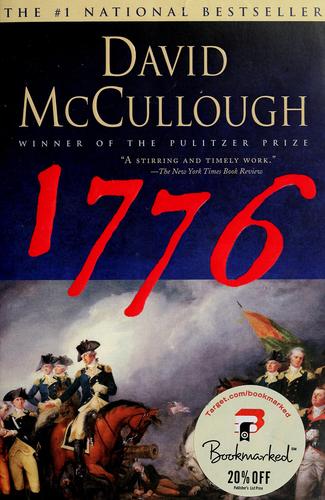
McCullough tells the story of the crucial year of 1776 from both the American and British sides, ending with Washington’s surprise victory at Trenton. It’s gripping and short.
2. Washington’s Crossing by David Hackett Fischer
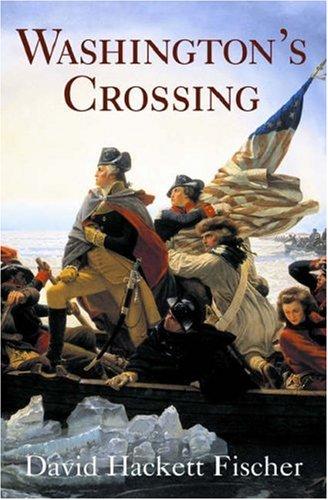
Fischer’s Pulitzer Prize-winning book tells how Washington’s army crossed the Delaware and won at Trenton and Princeton. It’s dramatic and deeply researched.
3. The British Are Coming by Rick Atkinson
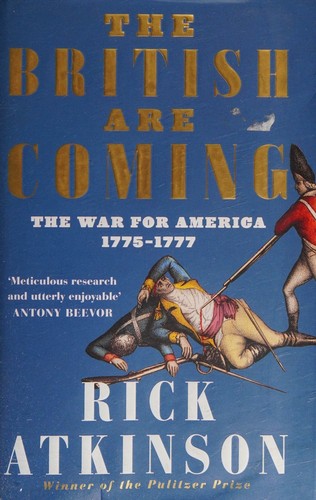
The first volume of Atkinson’s Revolution Trilogy covers 1775 to 1777 in vivid detail. It’s magnificent storytelling from a Pulitzer Prize winner.
4. The Glorious Cause by Robert Middlekauff
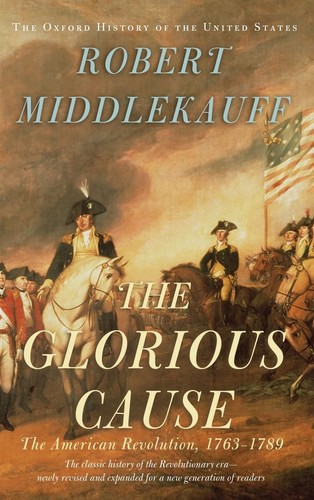
Middlekauff’s Oxford History of the United States volume covers the Revolution from 1763 to 1789. It’s thorough and authoritative.
5. The Ideological Origins of the American Revolution by Bernard Bailyn
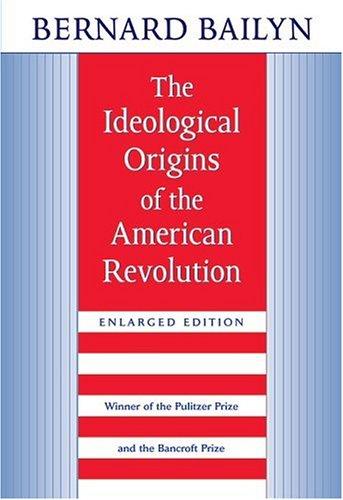
Bailyn’s Pulitzer Prize winner explains the ideas about liberty and corruption that drove colonists to revolt. It’s a classic.
6. Paul Revere’s Ride by David Hackett Fischer
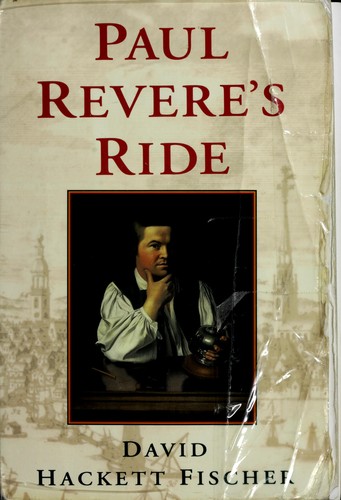
Fischer tells the true story of Revere’s ride and the first battles of April 1775. It’s lively and corrects many myths.
7. American Scripture by Pauline Maier
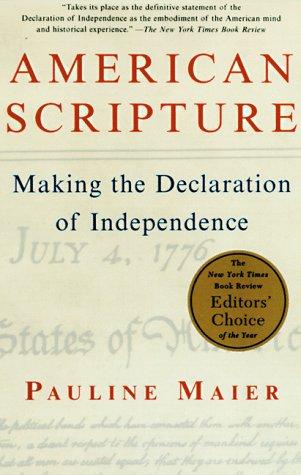
Maier shows how the Declaration was written and how its meaning changed over time. It’s illuminating and readable.
8. Ratification by Pauline Maier
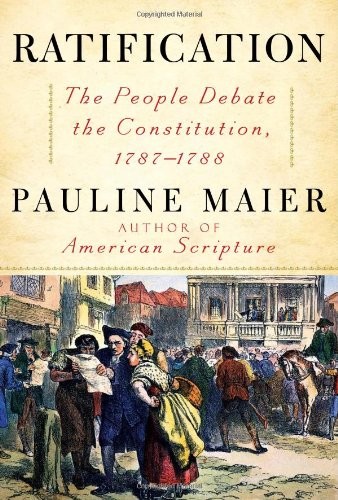
Maier tells the story of the fierce public debate over the Constitution in 1787 and 1788. It’s a fascinating look at democracy in action.
9. The Men Who Lost America by Andrew Jackson O’Shaughnessy
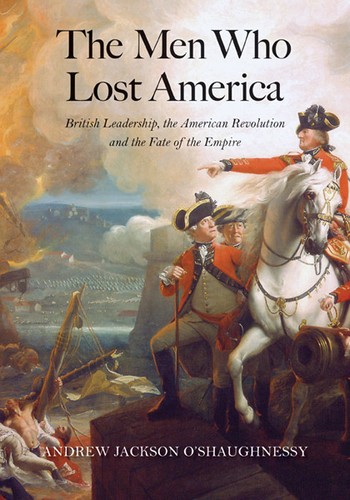
O’Shaughnessy profiles the British leaders who lost the war and argues they weren’t simply incompetent. It’s an eye-opening view from London.
10. Scars of Independence by Holger Hoock
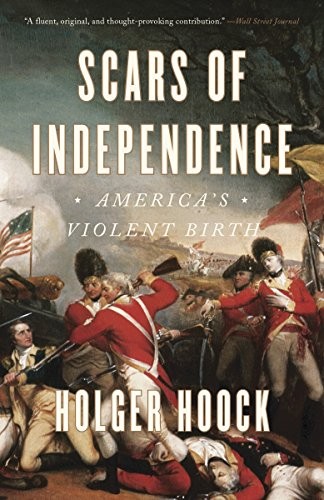
Hoock shows the brutal side of the Revolution, from Loyalist persecution to prison ships. It’s a sobering corrective to patriotic myths.
11. The Marquis: Lafayette Reconsidered by Laura Auricchio
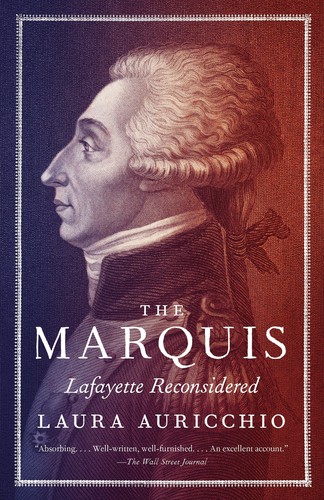
Auricchio’s biography of Lafayette shows the young French aristocrat who became Washington’s trusted general. It’s lively and balanced.
12. Common Sense by Thomas Paine
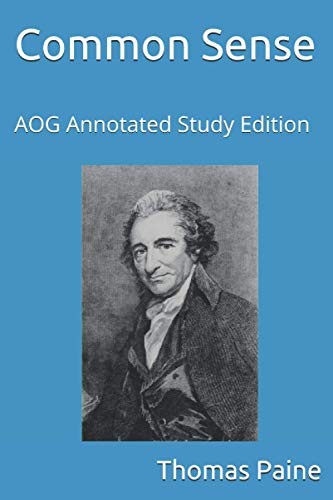
Paine’s 1776 pamphlet persuaded thousands of colonists to support independence. It’s short, fiery and still powerful.
13. Revolutionary Mothers by Carol Berkin
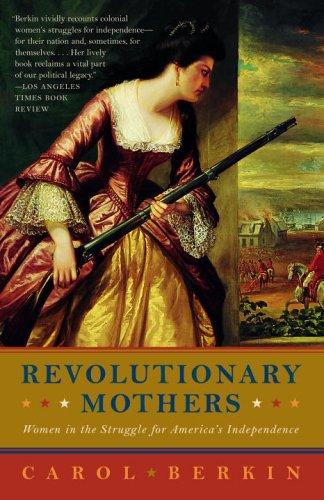
Berkin tells the stories of women who served as soldiers, spies, camp followers and home-front managers during the war. It’s engaging and enlightening.
14. Johnny Tremain by Esther Forbes
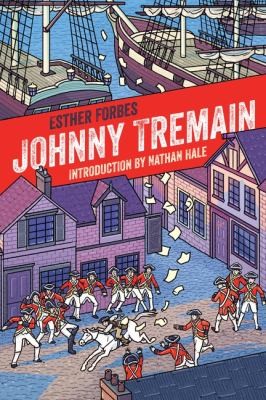
A silversmith’s apprentice in Boston is swept into the events leading to the Revolution. This Newbery Medal winner is a classic for young readers.
15. Chains by Laurie Halse Anderson
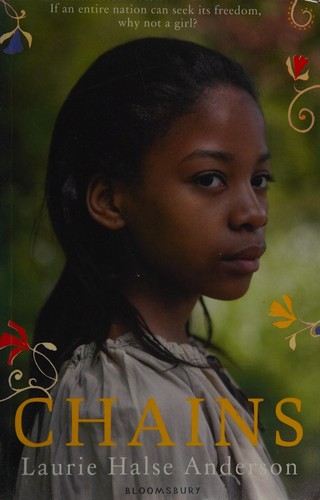
Isabel, an enslaved girl in New York in 1776, fights for her own freedom as the colonies fight for theirs. It’s gripping and a National Book Award finalist.
Tips for Reading About the American Revolution
- Start with 1776. It’s short, dramatic and sets the scene.
- Learn the ideas. Bailyn and Maier explain why independence made sense to colonists.
- Read the British side. O’Shaughnessy shows the war wasn’t simply lost through stupidity.
- Remember everyone involved. Women, Loyalists, enslaved people and Native Americans all have stories.
- Read Common Sense. It takes an hour and shows the spirit of 1776.
- Read with kids. Johnny Tremain and Chains are classroom favorites.
Related: best books on the Founding Fathers and best books on the French Revolution.
Frequently Asked Questions
What is the best book about the American Revolution?
1776 by David McCullough is the best introduction, and The Glorious Cause by Robert Middlekauff is a complete history.
What is a good American Revolution book for kids?
Johnny Tremain by Esther Forbes is the classic Newbery Medal winner, and Chains by Laurie Halse Anderson tells the story of an enslaved girl in 1776.
When did the American Revolution start and end?
The fighting began at Lexington and Concord in April 1775, and the war officially ended with the Treaty of Paris in 1783.