
Disclosure: As an Amazon Associate, Bookish Wisdom earns from qualifying purchases. This doesn’t change our picks or your price.
Quick answer: The best books on the Mexican Revolution cover the decade of upheaval that began in 1910 and reshaped Mexico. Start with The Mexican Revolution: A Very Short Introduction by Alan Knight, Zapata and the Mexican Revolution by John Womack Jr., The Life and Times of Pancho Villa by Friedrich Katz, Insurgent Mexico by John Reed and the novel The Underdogs by Mariano Azuela.
In 1910, Francisco Madero called on Mexicans to rise against Porfirio Díaz, who had ruled for over 30 years while land and wealth were concentrated in a few hands. Díaz fell in 1911, but the revolution became a long, complex civil war. Emiliano Zapata fought for land in the south, Pancho Villa led his armies in the north, and leaders including Victoriano Huerta, Venustiano Carranza and Álvaro Obregón rose and fell. Perhaps a million or more people died or emigrated. The revolution produced the 1917 Constitution and a new national identity expressed in murals, music and literature. The books below include the best histories, biographies, eyewitness reporting and great Mexican novels.
Table of Contents
Quick Picks at a Glance
| Book | Author | Type | Best For |
|---|---|---|---|
| The Mexican Revolution: A Very Short Introduction | Alan Knight | Short introduction | The best quick overview |
| The Mexican Revolution | Alan Knight | History | The definitive history |
| Zapata and the Mexican Revolution | John Womack Jr. | History | The fight for land |
| The Life and Times of Pancho Villa | Friedrich Katz | Biography | The northern revolution |
| Mexico: Biography of Power | Enrique Krauze | History | Mexico’s leaders |
| The Course of Mexican History | Michael C. Meyer and William L. Sherman | History | Background and context |
| The Wind That Swept Mexico | Anita Brenner | Photographic history | Visual learners |
| Insurgent Mexico | John Reed | Eyewitness journalism | Primary sources |
| Frida | Hayden Herrera | Biography | Art and revolution |
| The Underdogs | Mariano Azuela | Classic novel | The classic revolution novel |
| Pedro Páramo | Juan Rulfo | Classic novel | Literary readers |
| The Old Gringo | Carlos Fuentes | Novel | Literary fiction fans |
| Like Water for Chocolate | Laura Esquivel | Novel | Book clubs |
| The Hummingbird’s Daughter | Luis Alberto Urrea | Novel | Historical fiction fans |
| Esperanza Rising | Pam Muñoz Ryan | Middle-grade novel | Ages 9–12 |
1. The Mexican Revolution: A Very Short Introduction by Alan Knight
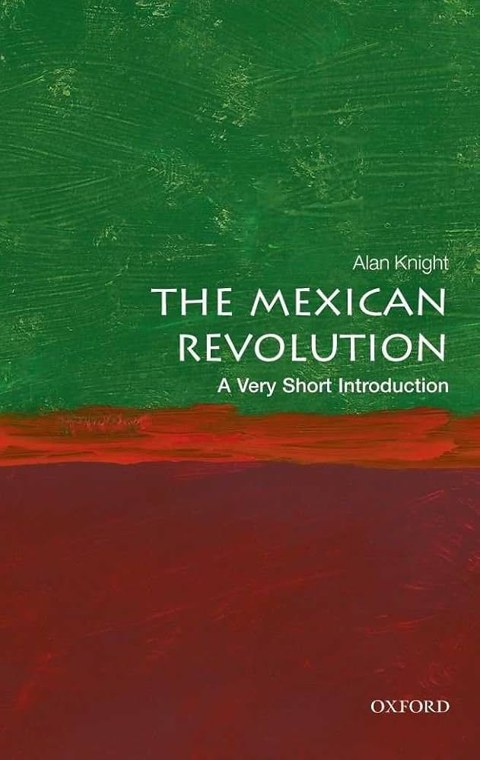
Knight, the leading historian of the revolution, explains its causes, factions and results in about 150 pages. It’s clear and authoritative.
2. The Mexican Revolution by Alan Knight
Knight’s two-volume history is the most detailed account of the revolution. It’s for committed readers but unmatched in depth.
3. Zapata and the Mexican Revolution by John Womack Jr.
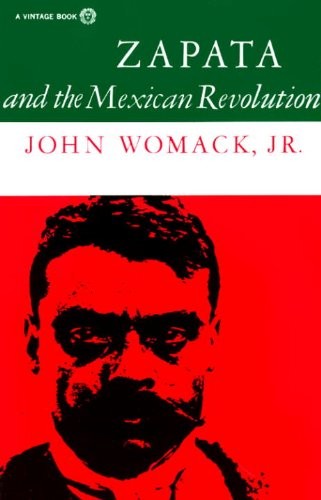
Womack’s classic tells the story of Zapata and the villagers of Morelos who fought for their land. It’s moving and beautifully written.
4. The Life and Times of Pancho Villa by Friedrich Katz
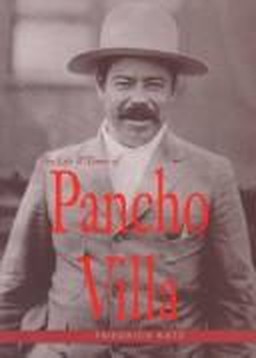
Katz’s huge biography is the definitive account of Villa, from bandit to revolutionary general. It’s detailed and fair.
5. Mexico: Biography of Power by Enrique Krauze
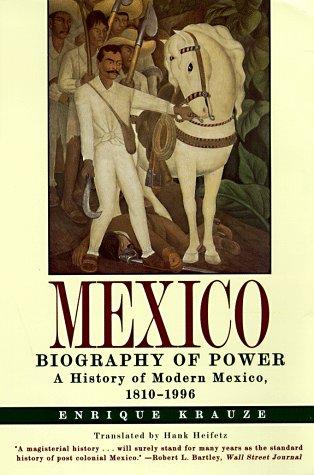
Krauze tells Mexican history from 1810 to 1996 through its leaders, with vivid chapters on the revolutionaries. It’s readable and insightful.
6. The Course of Mexican History by Michael C. Meyer and William L. Sherman
This widely used history of Mexico from ancient times to the present places the revolution in context. It’s clear and comprehensive.
7. The Wind That Swept Mexico by Anita Brenner
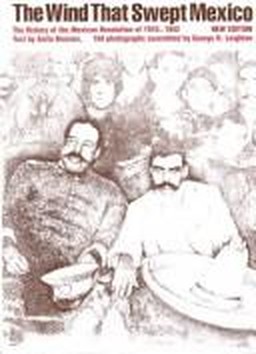
First published in 1943, Brenner’s short history is paired with nearly 200 dramatic photographs of the revolution. It’s a classic.
8. Insurgent Mexico by John Reed
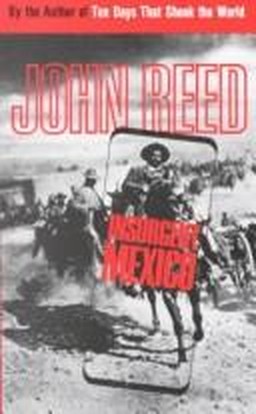
Before covering the Russian Revolution, Reed rode with Pancho Villa’s army in 1913 and 1914. His reporting is vivid and romantic.
9. Frida by Hayden Herrera
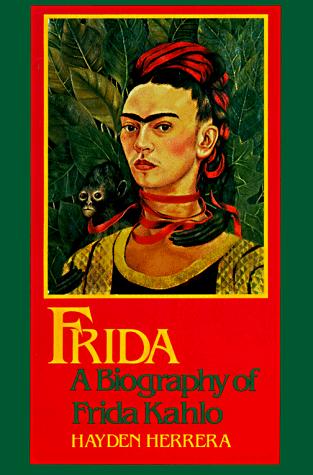
Herrera’s biography of Frida Kahlo shows how the revolution shaped her art and her identity. It’s rich and absorbing.
10. The Underdogs by Mariano Azuela
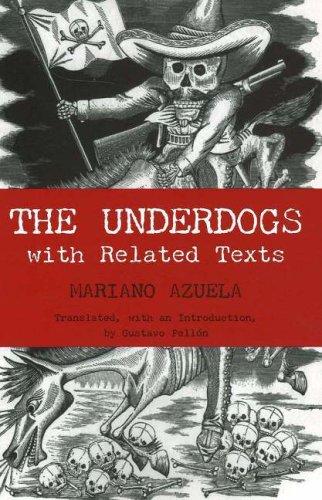
Azuela, a doctor who served with Villa’s forces, wrote this short 1915 novel about a peasant who becomes a rebel leader. It’s the great novel of the revolution.
11. Pedro Páramo by Juan Rulfo
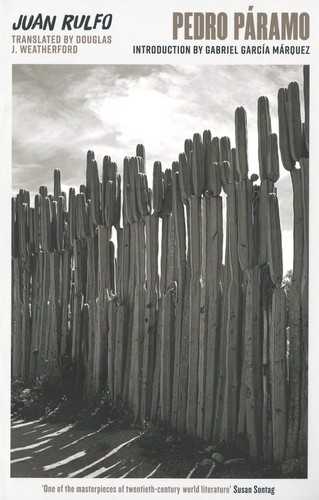
A man travels to his mother’s village to find his father and discovers a town full of ghosts. Rulfo’s short, haunting novel is set around the revolution and is a masterpiece.
12. The Old Gringo by Carlos Fuentes
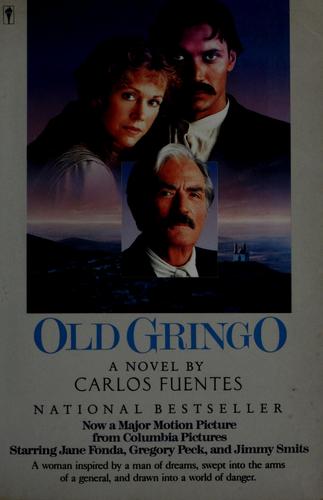
Fuentes imagines the American writer Ambrose Bierce, who disappeared in Mexico in 1913, joining Villa’s army. It’s poetic and intriguing.
13. Like Water for Chocolate by Laura Esquivel
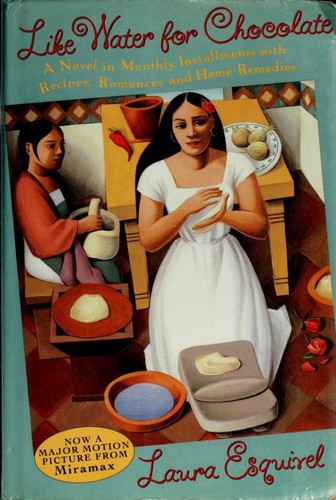
Tita pours her emotions into her cooking on a ranch during the revolution. Esquivel’s magical, romantic bestseller includes recipes for each month.
14. The Hummingbird’s Daughter by Luis Alberto Urrea
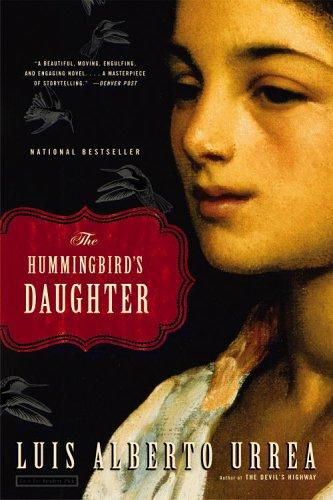
Based on a real relative of the author, this novel follows a young healer whose fame helped stir rebellion before the revolution. It’s rich and lyrical.
15. Esperanza Rising by Pam Muñoz Ryan
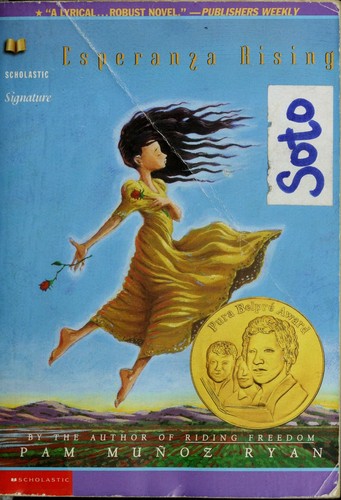
After tragedy on her family’s Mexican ranch in the 1920s, Esperanza and her mother move to a farm workers’ camp in California. It’s a moving classroom favorite.
Tips for Reading About the Mexican Revolution
- Start with Knight’s short book. It makes a complicated story clear.
- Learn the main leaders. Madero, Zapata, Villa, Carranza and Obregón.
- Read a biography. Womack and Katz make Zapata and Villa real.
- Look at the photos and murals. The revolution was richly documented in images.
- Read Mexican literature. Azuela and Rulfo are essential.
- Read with kids. Esperanza Rising is a great middle-grade novel.
Related: best books on the Aztecs and best books on the Wild West.
Frequently Asked Questions
What is the best book about the Mexican Revolution?
The Mexican Revolution: A Very Short Introduction by Alan Knight is the best quick overview, and Zapata and the Mexican Revolution by John Womack Jr. is a classic.
When was the Mexican Revolution?
It began in November 1910 and is usually said to have ended around 1920, though conflict continued into the 1920s.
What is the best novel about the Mexican Revolution?
The Underdogs by Mariano Azuela is the classic novel of the revolution, and Like Water for Chocolate by Laura Esquivel is a popular modern favorite.