
Disclosure: As an Amazon Associate, Bookish Wisdom earns from qualifying purchases. This doesn’t change our picks or your price.
Quick answer: The best books on the Nuremberg Trials tell how the Allies put the leaders of Nazi Germany on trial in 1945 and 1946. Start with The Nuremberg Trial by Ann and John Tusa, The Anatomy of the Nuremberg Trials by Telford Taylor, East West Street by Philippe Sands, Nuremberg Diary by G. M. Gilbert and Nuremberg: Infamy on Trial by Joseph E. Persico.
In November 1945, in the Palace of Justice in Nuremberg, 21 leading Nazis, including Hermann Göring, Rudolf Hess and Albert Speer, went on trial before an International Military Tribunal of judges from the United States, Britain, France and the Soviet Union. They were charged with conspiracy, crimes against peace, war crimes and the new charge of crimes against humanity. After almost a year, 12 were sentenced to death, and others to prison terms, while three were acquitted. Twelve later trials, including the Doctors’ Trial, followed. Nuremberg laid foundations for international law and the idea of genocide as a crime. The books below cover the trials, the people involved and their legacy.
Table of Contents
Quick Picks at a Glance
| Book | Author | Type | Best For |
|---|---|---|---|
| The Nuremberg Trial | Ann Tusa and John Tusa | Narrative history | The best overall account |
| The Anatomy of the Nuremberg Trials | Telford Taylor | Memoir and history | An insider’s account |
| Nuremberg: Infamy on Trial | Joseph E. Persico | Narrative history | Story lovers |
| Justice at Nuremberg | Robert E. Conot | History | The evidence |
| East West Street | Philippe Sands | History and memoir | Origins of international law |
| Nuremberg Diary | G. M. Gilbert | Diary | Inside the prison |
| The Nuremberg Interviews | Leon Goldensohn | Primary sources | The defendants’ words |
| The Nazi and the Psychiatrist | Jack El-Hai | Narrative history | Göring’s mind |
| Albert Speer: His Battle with Truth | Gitta Sereny | Biography | The Nazi who apologized |
| The Trial of the Germans | Eugene Davidson | History | The defendants |
| Doctors from Hell | Vivien Spitz | History | The Doctors’ Trial |
| The Ratline | Philippe Sands | Narrative history | A Nazi who escaped |
| Eichmann in Jerusalem | Hannah Arendt | Reportage | The banality of evil |
| The Reader | Bernhard Schlink | Novel | Book clubs |
| Judgment at Nuremberg | Abby Mann | Play | Drama lovers |
1. The Nuremberg Trial by Ann Tusa and John Tusa
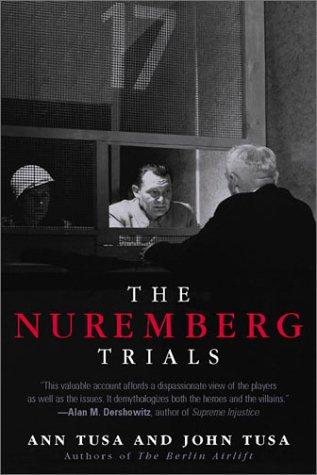
The Tusas tell the full story of the main trial, from its planning to the verdicts. It’s clear, gripping and balanced.
2. The Anatomy of the Nuremberg Trials by Telford Taylor
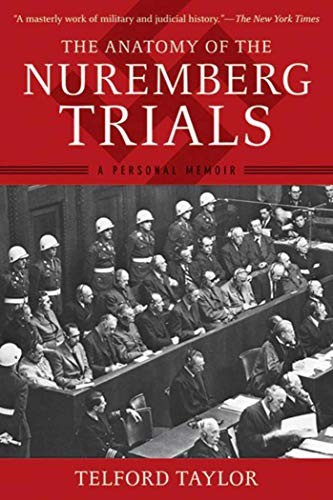
Taylor, an American prosecutor at Nuremberg, wrote this detailed personal history decades later. It’s authoritative and candid.
3. Nuremberg: Infamy on Trial by Joseph E. Persico
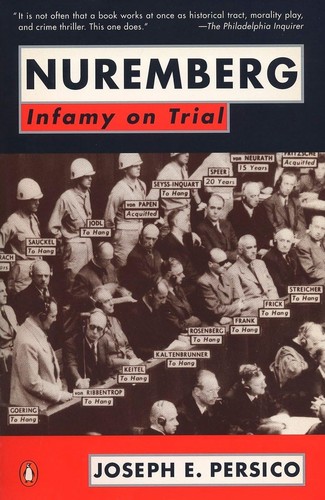
Persico tells the story through the people involved, from prosecutors and judges to the defendants and their guards. It reads like a novel.
4. Justice at Nuremberg by Robert E. Conot
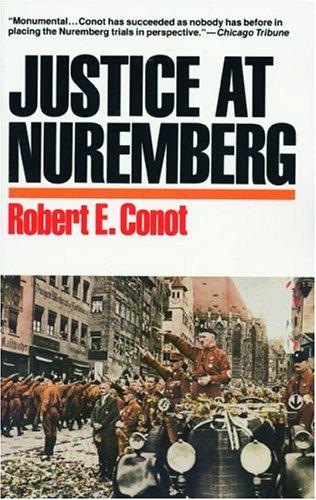
Conot’s detailed history explains the case against each defendant and the evidence presented. It’s thorough and clear.
5. East West Street by Philippe Sands
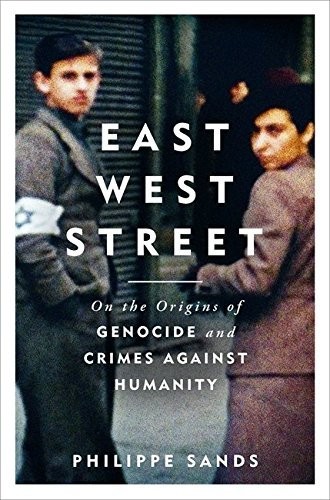
Sands, a human rights lawyer, tells the stories of the two men who invented the legal ideas of genocide and crimes against humanity, along with his own family history. It’s extraordinary.
6. Nuremberg Diary by G. M. Gilbert
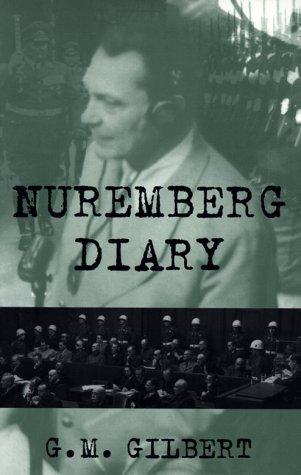
Gilbert, the prison psychologist, recorded his conversations with the defendants during the trial. It’s a chilling, revealing document.
7. The Nuremberg Interviews by Leon Goldensohn
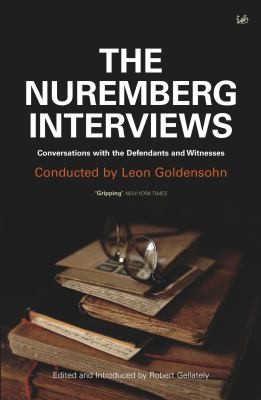
Goldensohn, an army psychiatrist, interviewed defendants and witnesses during the trial. His notes were published decades later.
8. The Nazi and the Psychiatrist by Jack El-Hai
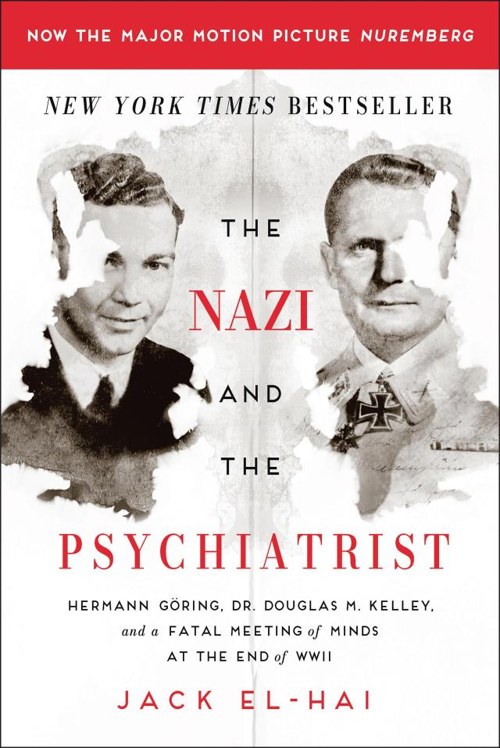
El-Hai tells the story of the American psychiatrist who examined Hermann Göring and the other defendants. It’s fascinating and disturbing.
9. Albert Speer: His Battle with Truth by Gitta Sereny
Sereny spent years interviewing Speer, Hitler’s architect, who escaped execution at Nuremberg by admitting partial guilt. It’s a profound study of responsibility.
10. The Trial of the Germans by Eugene Davidson
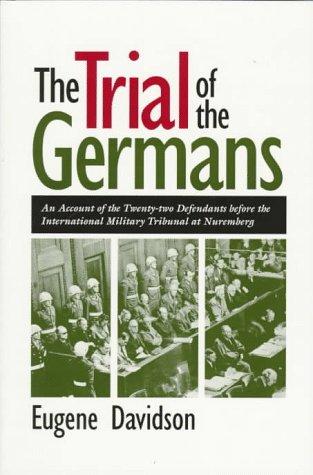
Davidson profiles each of the 22 men indicted at the main trial and examines their roles. It’s detailed and useful.
11. Doctors from Hell by Vivien Spitz
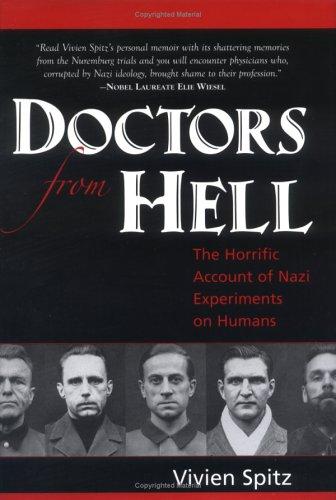
Spitz, a court reporter at the Doctors’ Trial, describes the medical experiments revealed in court. It led to the Nuremberg Code on medical ethics. Content note: medical atrocities.
12. The Ratline by Philippe Sands
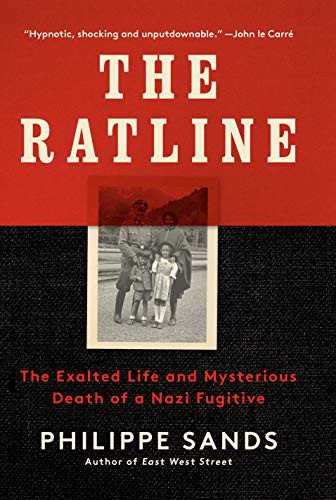
Sands follows Otto Wächter, a Nazi governor who escaped justice, through his son’s letters and archives. It’s a gripping detective story.
13. Eichmann in Jerusalem by Hannah Arendt
Arendt reported on the 1961 trial of Adolf Eichmann, who escaped Nuremberg. Her phrase “the banality of evil” is still debated.
14. The Reader by Bernhard Schlink
A German law student watching a 1960s war crimes trial recognizes the defendant as his former lover. It’s a moving novel about guilt and responsibility. Content note: sexual content.
15. Judgment at Nuremberg by Abby Mann
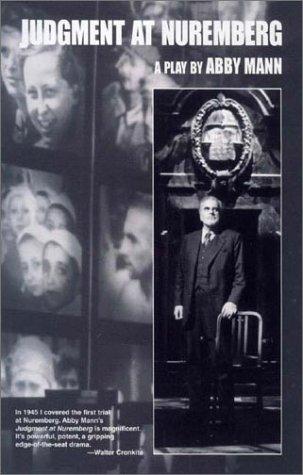
Based on the later Judges’ Trial, Mann’s play, also a famous 1961 film, asks how ordinary officials took part in Nazi crimes.
Tips for Reading About the Nuremberg Trials
- Start with the Tusas or Persico. Both tell the story clearly.
- Read an insider. Telford Taylor saw it from the prosecution’s side.
- Learn the new charges. Crimes against humanity and genocide were legal milestones.
- Read East West Street. It shows how the law was invented.
- Don’t forget the later trials. The Doctors’ Trial led to the Nuremberg Code.
- Watch the film. Judgment at Nuremberg is still powerful.
Related: best books on the Holocaust and best books on World War II.
Frequently Asked Questions
What is the best book about the Nuremberg Trials?
The Nuremberg Trial by Ann and John Tusa is the best overall account, and The Anatomy of the Nuremberg Trials by Telford Taylor is a detailed insider history.
Who was tried at Nuremberg?
The main trial included 21 Nazi leaders in court, among them Hermann Göring, Rudolf Hess, Albert Speer and Joachim von Ribbentrop. Martin Bormann was tried in his absence.
What was the outcome of the Nuremberg Trials?
In the main trial, 12 defendants were sentenced to death, seven received prison terms and three were acquitted.