

Disclosure: As an Amazon Associate, Bookish Wisdom earns from qualifying purchases. This doesn’t change our picks or your price.
Quick answer: The best books on the Weimar Republic explain Germany’s first democracy, its brilliant culture and its collapse into Nazi dictatorship. Start with Weimar Germany by Eric D. Weitz, The Coming of the Third Reich by Richard J. Evans, The Death of Democracy by Benjamin Carter Hett, Defying Hitler by Sebastian Haffner and Goodbye to Berlin by Christopher Isherwood.
After Germany’s defeat in World War I and the abdication of the Kaiser, a new democratic republic was founded in 1919, named after the town of Weimar where its constitution was written. It faced enormous problems from the start: a harsh peace treaty, political assassinations, attempted coups, the hyperinflation of 1923, when prices doubled every few days, and the Great Depression. Yet Weimar Germany also produced an explosion of creativity in art, film, architecture, science and nightlife, from the Bauhaus to Berlin cabaret. In January 1933 Hitler was appointed chancellor, and democracy collapsed within months. The books below explain why, with histories, memoirs and the great novels of the era.
Table of Contents
Quick Picks at a Glance
| Book | Author | Type | Best For |
|---|---|---|---|
| Weimar Germany: Promise and Tragedy | Eric D. Weitz | History | The best introduction |
| The Coming of the Third Reich | Richard J. Evans | History | How democracy fell |
| The Death of Democracy | Benjamin Carter Hett | History | Lessons for today |
| Hitler’s Thirty Days to Power | Henry Ashby Turner Jr. | Narrative history | January 1933 |
| Weimar Culture | Peter Gay | Cultural history | Art and ideas |
| Before the Deluge | Otto Friedrich | Narrative history | Berlin in the 1920s |
| Weimar: A Cultural History | Walter Laqueur | Cultural history | Serious readers |
| When Money Dies | Adam Fergusson | History | Hyperinflation |
| Defying Hitler | Sebastian Haffner | Memoir | Growing up in Weimar |
| The Weimar Republic | Eberhard Kolb | History | Students |
| Goodbye to Berlin | Christopher Isherwood | Novel | The classic portrait |
| Berlin Alexanderplatz | Alfred Döblin | Classic novel | Ambitious readers |
| Little Man, What Now? | Hans Fallada | Classic novel | Everyday life |
| Going to the Dogs | Erich Kästner | Classic novel | Satire lovers |
| Babylon Berlin | Volker Kutscher | Crime novel | Fans of the TV series |
1. Weimar Germany: Promise and Tragedy by Eric D. Weitz
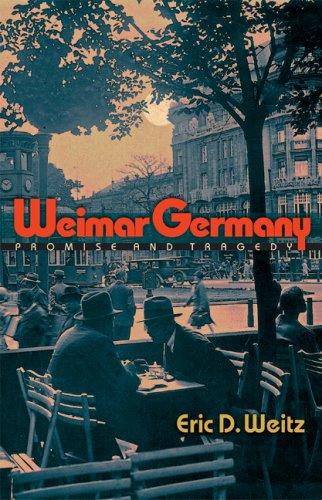
Weitz covers Weimar’s politics, culture and daily life, celebrating its achievements while explaining its failure. It’s vivid and well illustrated.
2. The Coming of the Third Reich by Richard J. Evans
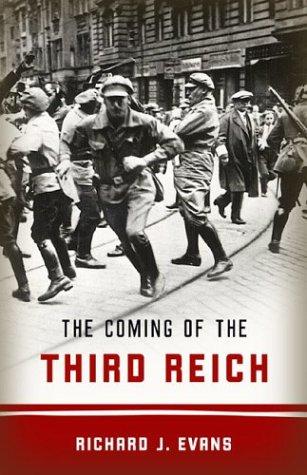
The first volume of Evans’s trilogy explains how the Nazis rose through the Weimar years to seize power. It’s authoritative and clear.
3. The Death of Democracy by Benjamin Carter Hett
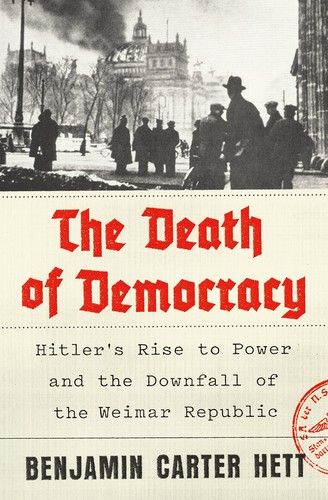
Hett explains how Weimar’s political elites helped Hitler to power, believing they could control him. It’s short, gripping and timely.
4. Hitler’s Thirty Days to Power by Henry Ashby Turner Jr.
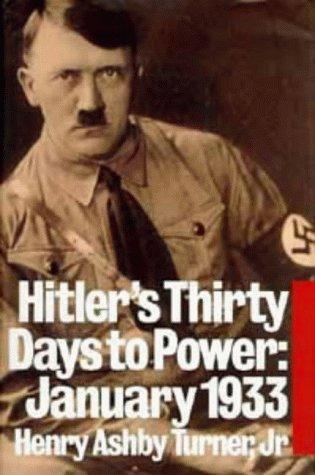
Turner shows how backroom deals in January 1933 put Hitler in power, and how it might not have happened. It’s tense and illuminating.
5. Weimar Culture by Peter Gay
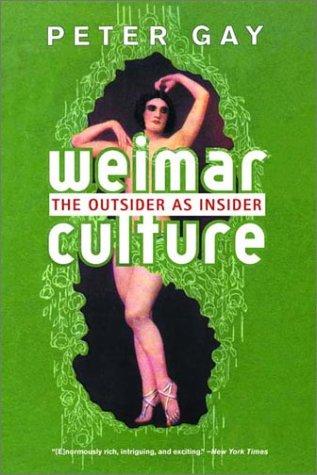
Gay’s short classic describes the brilliant culture of the Weimar years, from Einstein to the Bauhaus. It’s elegant and thought-provoking.
6. Before the Deluge by Otto Friedrich
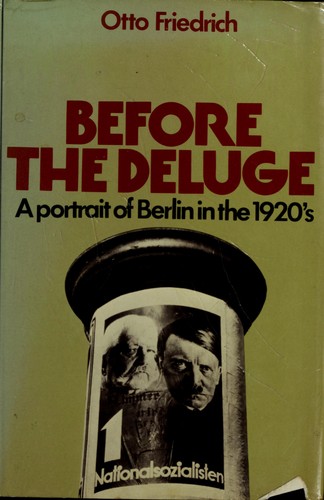
Friedrich tells the story of Berlin in the 1920s through the people who lived there, from artists to politicians. It’s colorful and lively.
7. Weimar: A Cultural History by Walter Laqueur
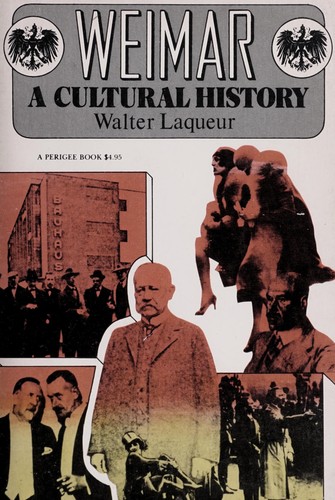
Laqueur examines Weimar’s literature, art, philosophy and science in depth. It’s a rich survey.
8. When Money Dies by Adam Fergusson
Fergusson uses diaries and letters to show what the hyperinflation of 1923 was like for ordinary Germans. It’s gripping and alarming.
9. Defying Hitler by Sebastian Haffner
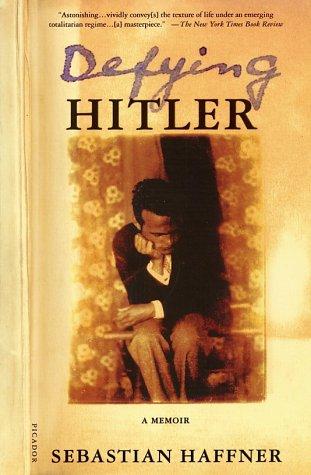
Haffner’s memoir of growing up in Weimar Germany and watching the Nazis rise was rediscovered after his death. It’s sharp and haunting.
10. The Weimar Republic by Eberhard Kolb
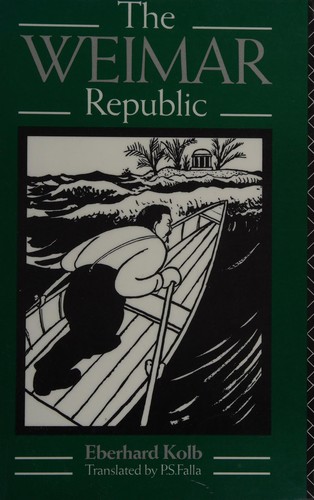
Kolb’s textbook gives a clear account of Weimar’s history and the main debates among historians. It’s concise and useful.
11. Goodbye to Berlin by Christopher Isherwood

Isherwood’s linked stories describe Berlin between 1930 and 1933, including the singer Sally Bowles. They inspired the musical Cabaret.
12. Berlin Alexanderplatz by Alfred Döblin
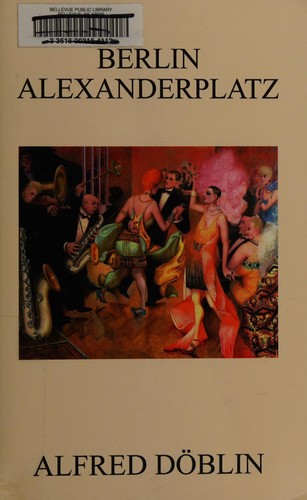
Döblin’s 1929 novel follows an ex-convict trying to go straight in Berlin’s working-class neighborhoods. It’s experimental and powerful.
13. Little Man, What Now? by Hans Fallada
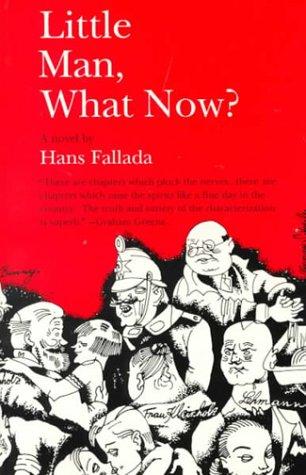
A young couple struggle through unemployment and poverty in the Depression. Fallada’s 1932 novel was an international bestseller.
14. Going to the Dogs by Erich Kästner
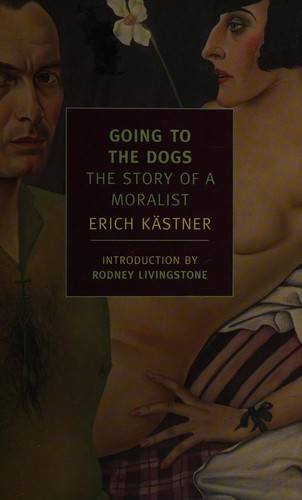
Kästner’s novel, also published as Fabian, follows a young man drifting through Berlin’s nightlife as the republic decays. It’s witty and dark.
15. Babylon Berlin by Volker Kutscher
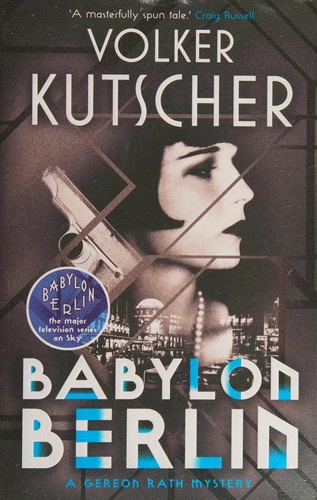
Detective Gereon Rath investigates a murder in 1929 Berlin. The first book of Kutscher’s series inspired the hit TV show.
Tips for Reading About the Weimar Republic
- Start with Weitz. It balances Weimar’s brilliance and its failure.
- Read about 1923. Hyperinflation shaped Germans’ memories for generations.
- Read a memoir. Haffner shows how ordinary people experienced the rise of Nazism.
- Explore the culture. Peter Gay and Isherwood show why Weimar still fascinates.
- Ask how democracy failed. Hett and Turner draw lessons for today.
- Watch Babylon Berlin. It pairs well with Kutscher’s novels.
Related: best books on World War I and best books on the Berlin Wall.
Frequently Asked Questions
What is the best book about the Weimar Republic?
Weimar Germany: Promise and Tragedy by Eric D. Weitz is the best introduction, and The Coming of the Third Reich by Richard J. Evans explains its collapse.
Why did the Weimar Republic fail?
Historians point to the burdens of World War I, economic crises, political violence, weak support for democracy and conservative elites who helped Hitler into power.
What novel is Cabaret based on?
Cabaret is based on Christopher Isherwood’s Goodbye to Berlin, through the play I Am a Camera.