
Disclosure: As an Amazon Associate, Bookish Wisdom earns from qualifying purchases. This doesn’t change our picks or your price.
Quick answer: The best books on the Bangladesh Liberation War explain how East Pakistan became independent Bangladesh in 1971. Start with The Blood Telegram by Gary J. Bass, 1971 by Srinath Raghavan, Of Blood and Fire by Jahanara Imam, The Unfinished Memoirs by Sheikh Mujibur Rahman and the novel A Golden Age by Tahmima Anam.
In March 1971, after years of political and economic discrimination against East Pakistan, the Pakistani army launched a brutal crackdown on Bengali civilians, students and political leaders. Bengali fighters known as the Mukti Bahini resisted, about ten million refugees fled to India, and in December India entered the war. On December 16, 1971, Pakistani forces surrendered in Dhaka and Bangladesh was born. Hundreds of thousands of people, and by many estimates far more, were killed, and the mass violence against civilians, including sexual violence against women, is widely described as genocide. The books below include histories, memoirs, diplomatic accounts and novels. Content note: many describe atrocities.
Table of Contents
Quick Picks at a Glance
| Book | Author | Type | Best For |
|---|---|---|---|
| The Blood Telegram | Gary J. Bass | History | The international story |
| 1971: A Global History of the Creation of Bangladesh | Srinath Raghavan | History | The big picture |
| A History of Bangladesh | Willem van Schendel | History | Background and context |
| The Unfinished Memoirs | Sheikh Mujibur Rahman | Memoir | The founding leader |
| Of Blood and Fire | Jahanara Imam | Diary | A mother’s account |
| The Cruel Birth of Bangladesh | Archer K. Blood | Memoir | The diplomat who spoke out |
| The Rape of Bangla Desh | Anthony Mascarenhas | Journalism | Primary sources |
| Surrender at Dacca | J. F. R. Jacob | Military memoir | The war’s final days |
| Witness to Surrender | Siddiq Salik | Military memoir | The Pakistani perspective |
| Liberation and Beyond | J. N. Dixit | Diplomatic history | India and Bangladesh |
| Women, War, and the Making of Bangladesh | Yasmin Saikia | Oral history | Women’s experiences |
| The Spectral Wound | Nayanika Mookherjee | Anthropology | Serious readers |
| Bangladesh: The Unfinished Revolution | Lawrence Lifschultz | Journalism | The aftermath |
| A Golden Age | Tahmima Anam | Novel | Book clubs |
| The Good Muslim | Tahmima Anam | Novel | Life after the war |
1. The Blood Telegram by Gary J. Bass
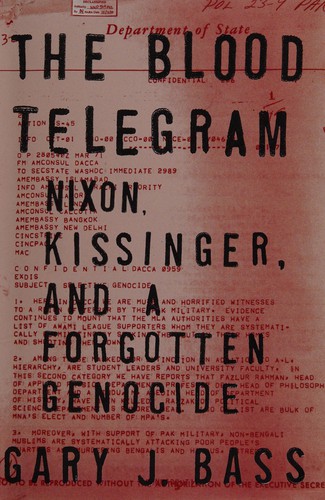
Bass shows how President Nixon and Henry Kissinger backed Pakistan despite warnings from American diplomats in Dhaka. It’s gripping, shocking and a Pulitzer Prize finalist.
2. 1971: A Global History of the Creation of Bangladesh by Srinath Raghavan
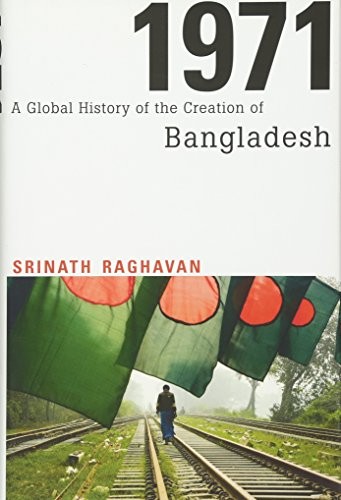
Raghavan explains how the Cold War, India, the US, the Soviet Union and China shaped the war. It’s a balanced, deeply researched account.
3. A History of Bangladesh by Willem van Schendel
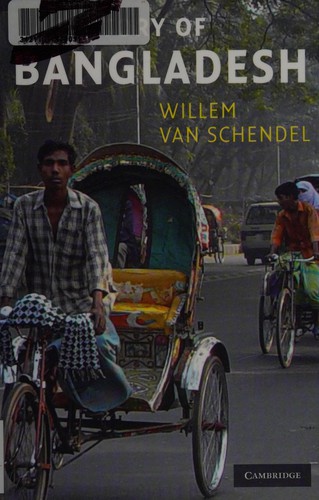
Van Schendel’s history covers Bengal from early times to the present, with clear chapters on the road to 1971 and its aftermath. It’s the best general history of the country.
4. The Unfinished Memoirs by Sheikh Mujibur Rahman
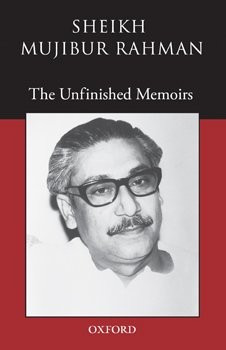
Written in prison in the 1960s, the memoirs of Bangladesh’s founding leader describe his political life up to the mid-1950s. They help explain the Bengali movement that led to 1971.
5. Of Blood and Fire by Jahanara Imam
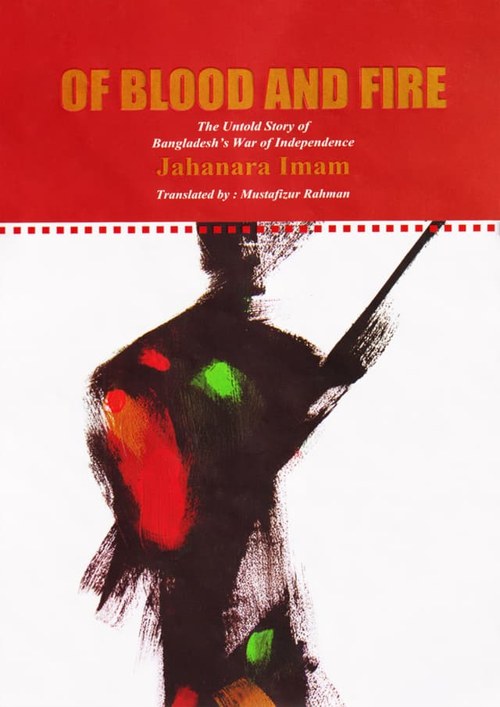
Jahanara Imam’s diary of 1971 in Dhaka records the war and the loss of her son Rumi, a freedom fighter. It’s one of the most beloved and moving books in Bangladesh.
6. The Cruel Birth of Bangladesh by Archer K. Blood
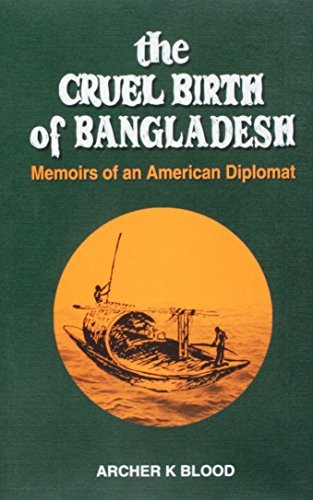
Blood, the US consul general in Dhaka, sent the famous “Blood Telegram” protesting American policy. His memoir describes what he saw and his costly dissent.
7. The Rape of Bangla Desh by Anthony Mascarenhas
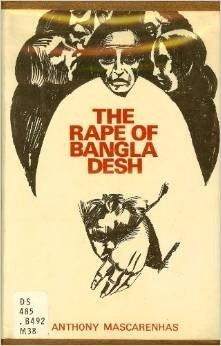
Mascarenhas, a Pakistani journalist, exposed the army’s atrocities in a famous 1971 newspaper report and fled to Britain to publish it. This book expands on what he witnessed.
8. Surrender at Dacca by J. F. R. Jacob
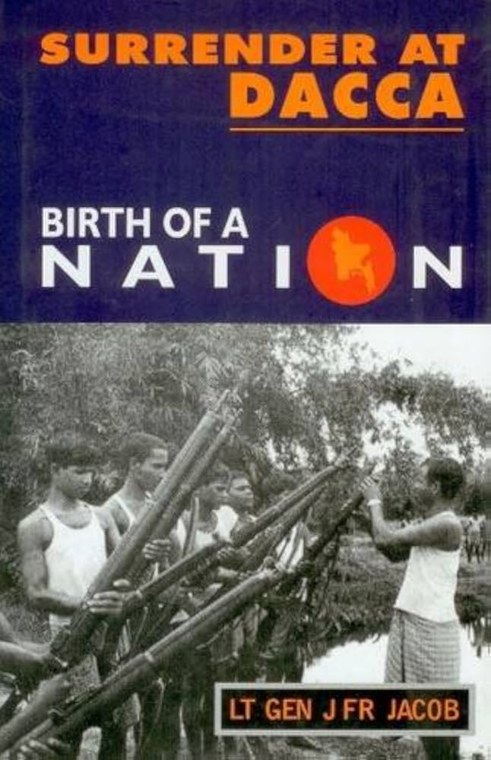
Jacob, an Indian general, describes the December 1971 campaign and the negotiations that led to Pakistan’s surrender in Dhaka. It’s a firsthand military account.
9. Witness to Surrender by Siddiq Salik
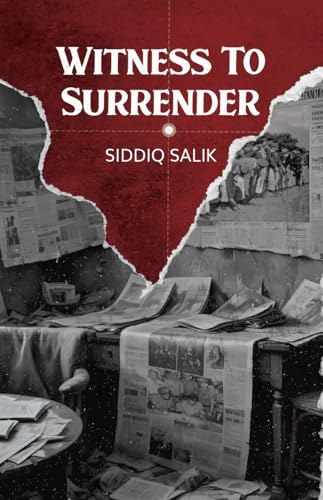
Salik, a Pakistani army officer in Dhaka, describes the crisis and defeat from inside the Pakistani command. It’s important for understanding the other side.
10. Liberation and Beyond by J. N. Dixit
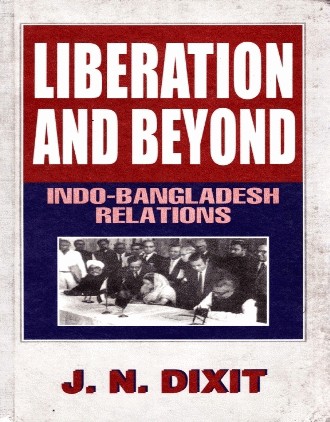
Dixit, India’s first envoy to Bangladesh, writes about the war and the early years of relations between the two countries.
11. Women, War, and the Making of Bangladesh by Yasmin Saikia
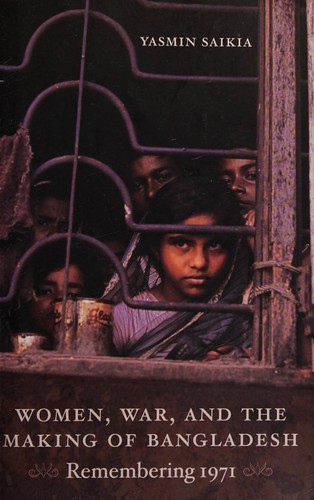
Saikia records the testimonies of women who survived the war’s violence, as well as those of perpetrators. It’s a powerful, difficult and important book.
12. The Spectral Wound by Nayanika Mookherjee
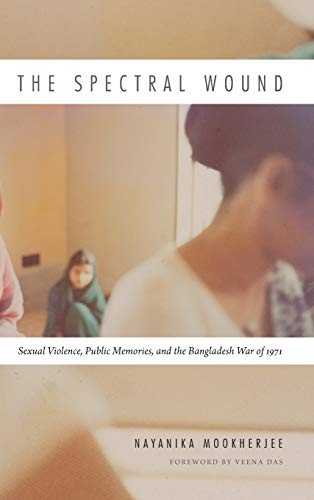
Mookherjee examines how Bangladesh has remembered the women survivors of wartime sexual violence, known as birangonas. It’s scholarly and thought-provoking.
13. Bangladesh: The Unfinished Revolution by Lawrence Lifschultz
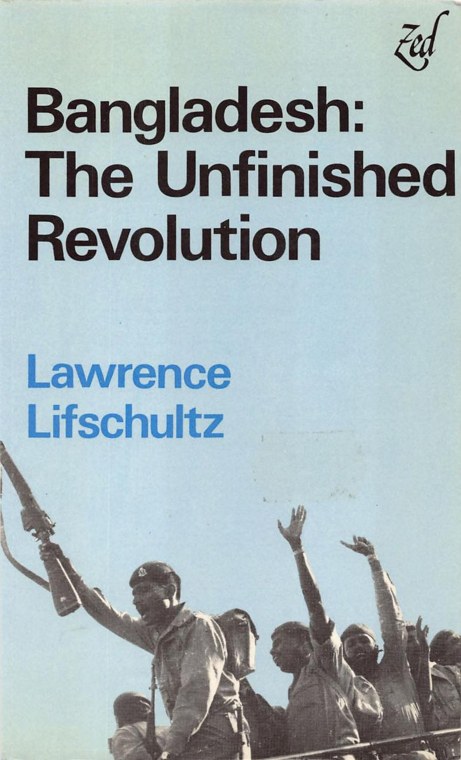
Lifschultz, a journalist who covered the region, examines the turbulent years after independence, including the assassination of Sheikh Mujib in 1975.
14. A Golden Age by Tahmima Anam
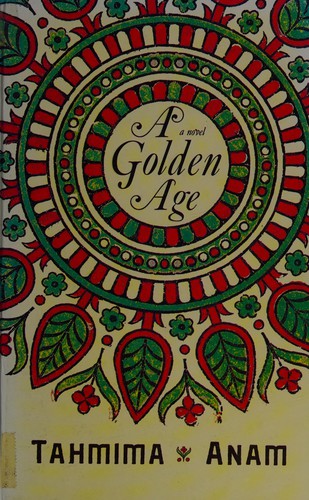
A widowed mother in Dhaka is drawn into the war when her children join the resistance. Anam’s debut won the Commonwealth Writers’ Prize and is beautifully written.
15. The Good Muslim by Tahmima Anam
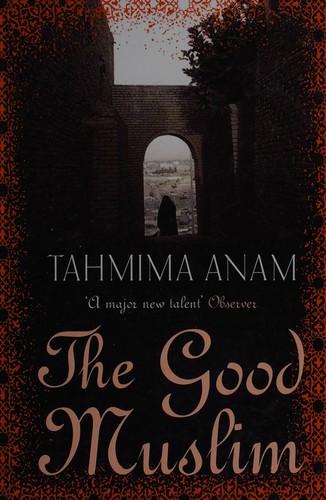
The sequel to A Golden Age follows the same family after independence, as a brother and sister take very different paths. It’s thoughtful and moving.
Tips for Reading About 1971
- Start with Bass or Raghavan. Both explain why the war happened and why the world responded as it did.
- Read a Bengali voice. Jahanara Imam’s diary shows what it felt like to live through it.
- Understand the background. Van Schendel explains the decades of tension before 1971.
- Read different perspectives. Indian, Pakistani and Bangladeshi accounts differ.
- Pace yourself. Many of these books describe atrocities in detail.
- Read the novels. Tahmima Anam’s books are a gentle way into a hard history.
Related: best books on the Partition of India and best books on the Cold War.
Frequently Asked Questions
What is the best book about the Bangladesh Liberation War?
The Blood Telegram by Gary J. Bass is the most widely read, and 1971 by Srinath Raghavan is a balanced global history.
What is a good novel about the 1971 war?
A Golden Age by Tahmima Anam follows a family in Dhaka during the war and won the Commonwealth Writers’ Prize.
When did Bangladesh become independent?
Bangladesh declared independence on March 26, 1971, and the war ended with the surrender of Pakistani forces in Dhaka on December 16, 1971.