
Disclosure: As an Amazon Associate, Bookish Wisdom earns from qualifying purchases. This doesn’t change our picks or your price.
Quick answer: The best books to read before visiting Bangladesh include A Golden Age, The Good Muslim, Of Blood and Fire, The Blood Telegram, Bangladesh: A Legacy of Blood and Brick Lane. Start with A Golden Age for the 1971 war, Brick Lane for the diaspora and The Hungry Tide for the Sundarbans.
Travel conditions, entry rules and safety advice change. Check your government’s official travel advisory before you go.
Bangladesh is a land of rivers, rice fields and relentless resilience. It is also the home of a rich Bengali literary tradition, from Rabindranath Tagore and the rebel poet Kazi Nazrul Islam to modern novelists writing in English about the 1971 Liberation War. A trip to Dhaka, Sylhet, Cox’s Bazar or the Sundarbans is deeper if you know the stories behind the language movement, the war of independence and the everyday life of delta communities. The fifteen books below include novels, poetry, history and memoir. Some are by Bangladeshi authors, others by writers who tell the story of the wider Bengal. A few are painful, especially those about 1971. Read with an open mind, and ask locals about their favorite writers.
Table of Contents
Quick Picks at a Glance
| Book | Author | Type | Best For |
|---|---|---|---|
| A Golden Age | Tahmima Anam | Novel | readers who want the 1971 war |
| The Good Muslim | Tahmima Anam | Novel | readers who want a sequel |
| Of Blood and Fire | Jahanara Imam | Memoir | readers who want a personal account |
| The Blood Telegram | Gary J. Bass | History | readers interested in geopolitics |
| Bangladesh: A Legacy of Blood | Anthony Mascarenhas | Journalism | readers who want reportage |
| Brick Lane | Monica Ali | Novel | readers interested in the diaspora |
| The Lowland | Jhumpa Lahiri | Novel | readers who like family stories |
| Gitanjali | Rabindranath Tagore | Poetry | readers who love poetry |
| The Home and the World | Rabindranath Tagore | Novel | readers who like classic fiction |
| The Post Office | Rabindranath Tagore | Play | readers who want a short work |
| Pather Panchali | Bibhutibhushan Bandyopadhyay | Classic novel | readers who like rural life |
| Padma Nadir Majhi | Manik Bandopadhyay | Classic novel | readers who love river stories |
| The Hungry Tide | Amitav Ghosh | Novel | readers who love landscapes |
| Lajja | Taslima Nasrin | Novel | readers who want a controversial view |
| First Light | Sunil Gangopadhyay | Historical novel | readers who like Bengal history |
1. A Golden Age by Tahmima Anam
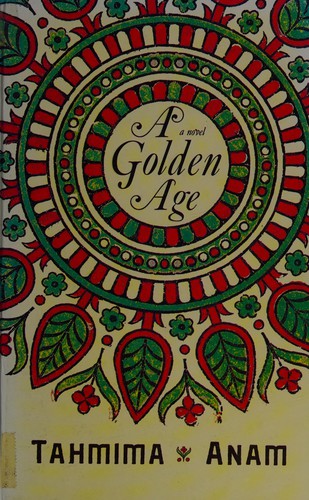
A widow in Dhaka sends her children into the Liberation War and risks everything. Moving and well researched. Content note: war violence.
Best for: readers who want the 1971 war.
2. The Good Muslim by Tahmima Anam
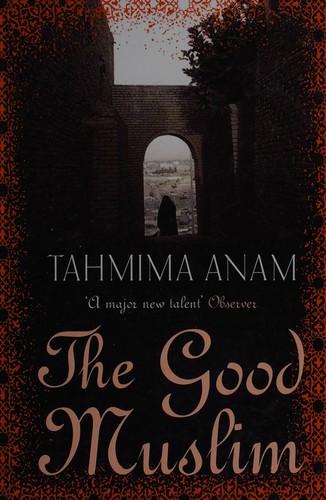
Follows the family after the war as one son turns to religion. Thoughtful. Content note: war trauma.
Best for: readers who want a sequel.
3. Of Blood and Fire by Jahanara Imam
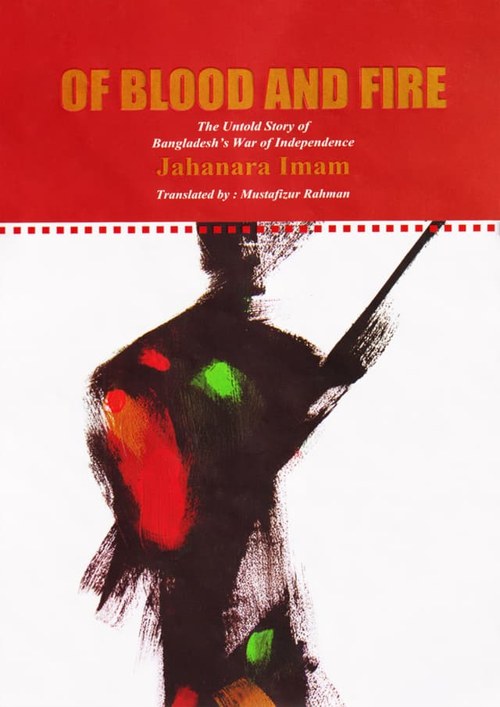
A mother’s diary of 1971 Dhaka, written after her son was taken. Raw and important. Content note: war violence and loss.
Best for: readers who want a personal account.
4. The Blood Telegram by Gary J. Bass
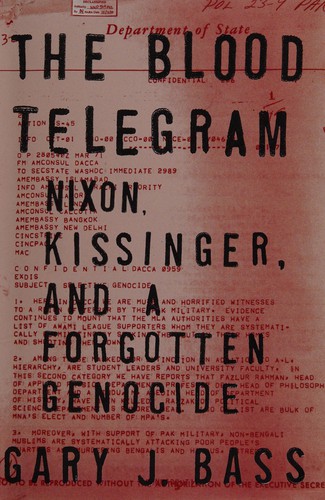
Examines the role of the United States during the 1971 crisis. Detailed and critical. Content note: atrocities.
Best for: readers interested in geopolitics.
5. Bangladesh: A Legacy of Blood by Anthony Mascarenhas
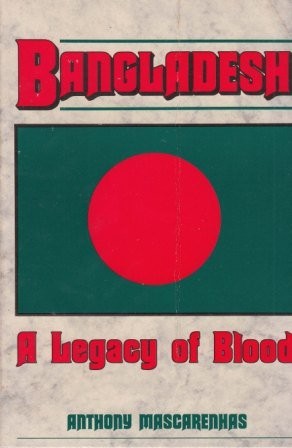
A journalist’s account of Bangladesh’s early decades and its politics, beginning with the 1971 genocide. Content note: violence.
Best for: readers who want reportage.
6. Brick Lane by Monica Ali
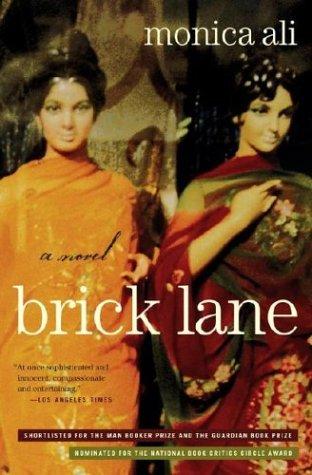
A Bangladeshi woman in East London finds her voice. Moving and well observed.
Best for: readers interested in the diaspora.
7. The Lowland by Jhumpa Lahiri
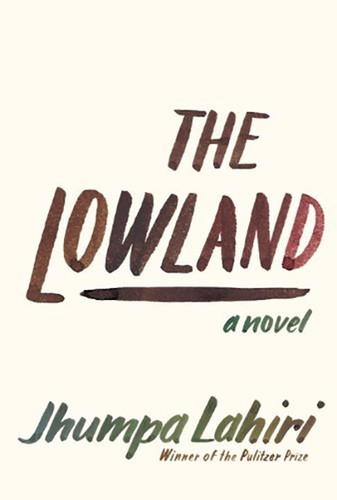
Two brothers in Calcutta take different paths during the Naxalite movement. Quiet and devastating. Content note: political violence.
Best for: readers who like family stories.
8. Gitanjali by Rabindranath Tagore
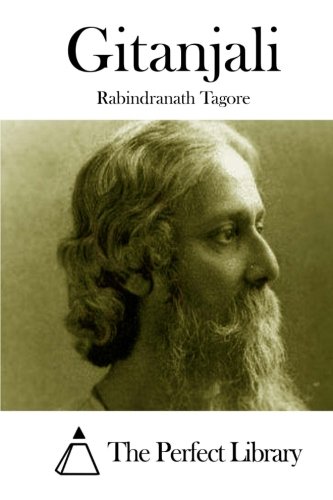
Tagore’s Nobel-winning collection of devotional poems. Lyrical.
Best for: readers who love poetry.
9. The Home and the World by Rabindranath Tagore
A love triangle against the swadeshi movement in Bengal. Short and probing.
Best for: readers who like classic fiction.
10. The Post Office by Rabindranath Tagore
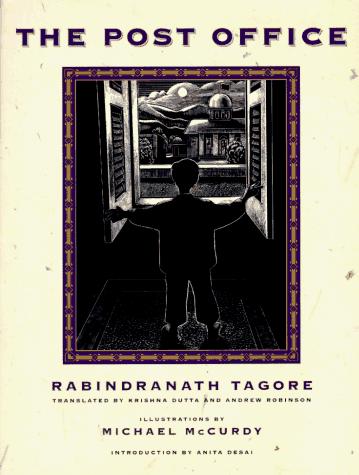
A sick boy longs for the world outside. Gentle and moving.
Best for: readers who want a short work.
11. Pather Panchali by Bibhutibhushan Bandyopadhyay
A Bengali village boy and his sister grow up in poverty. The basis for Satyajit Ray’s Apu trilogy.
Best for: readers who like rural life.
12. Padma Nadir Majhi by Manik Bandopadhyay
The lives of fishermen on the Padma River. A landmark of Bengali literature.
Best for: readers who love river stories.
13. The Hungry Tide by Amitav Ghosh
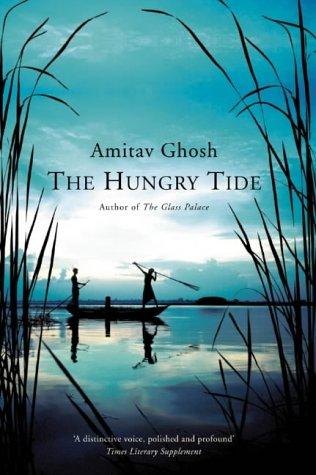
A marine biologist, a translator and a fisherman meet in the Sundarbans. Atmospheric and humane. Content note: some violence.
Best for: readers who love landscapes.
14. Lajja by Taslima Nasrin
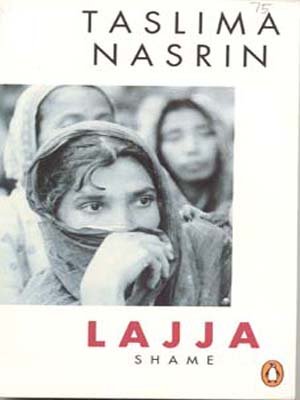
A Hindu family in Dhaka faces communal violence after a 1992 mosque demolition in India. Banned in Bangladesh. Content note: communal violence.
Best for: readers who want a controversial view.
15. First Light by Sunil Gangopadhyay
A novel of Calcutta in the nineteenth-century Bengal Renaissance. Large and rich.
Best for: readers who like Bengal history.
How to Choose the Right Book on Bangladesh
Choose by approach. For the Liberation War, A Golden Age, The Good Muslim, Of Blood and Fire and The Blood Telegram give personal and political views. For the diaspora, Brick Lane and The Lowland reflect Bengali experiences abroad. For classic Bengali literature, Gitanjali, The Home and the World and The Post Office by Tagore, plus Pather Panchali and Padma Nadir Majhi, show the region’s heart. For the delta landscape, The Hungry Tide is atmospheric. Note that Lajja is controversial and banned in Bangladesh.
Which Book Should You Start With? A Quick Guide
If you are not sure where to begin, match your situation to the list below.
- Readers who want the 1971 war: A Golden Age
- Readers who want a sequel: The Good Muslim
- Readers who want a personal account: Of Blood and Fire
- Readers interested in geopolitics: The Blood Telegram
- Readers who want reportage: Bangladesh: A Legacy of Blood
- Readers interested in the diaspora: Brick Lane
- Readers who like family stories: The Lowland
- Readers who love poetry: Gitanjali
- Readers who like classic fiction: The Home and the World
- Readers who want a short work: The Post Office
- Readers who like rural life: Pather Panchali
- Readers who love river stories: Padma Nadir Majhi
- Readers who love landscapes: The Hungry Tide
- Readers who want a controversial view: Lajja
- Readers who like Bengal history: First Light
A Simple Reading Plan
Treat the reading as a warm-up. Read A Golden Age first for orientation, then The Good Muslim for a human voice, and use Of Blood and Fire or another title when you want depth. Alternate between fiction and nonfiction so your imagination and your knowledge grow together. Mark places you want to see, and map them. Reading on the plane is a pleasure, but reading in the weeks before gives you time to plan. If a book is too heavy, listen to it as an audiobook while packing, walking or cooking.
Print, E-Book or Audiobook?
You do not have to pick one format. For a book on Bangladesh, listen to the audiobook while walking or driving, and keep the paper or e-book handy for the chapters you want to study. Reading and listening together can improve retention, since you hear the author’s voice and see the structure on the page. Library apps lend all three formats free, and used paperbacks are inexpensive. If your attention drifts with long audio sessions, try 1.25x speed for an easy book and normal speed for a dense one. Choose whatever makes it easiest to read a little every day.
How to Get More From What You Read
To get the most from your reading, connect it to the real world. Highlight passages that describe places you will see, and look up photos and maps. Cook a dish from Bangladesh to taste what you read about, and listen to music from the region. Talk about what you are reading with someone who has visited or lives there, because their stories add texture. Keep a small notebook for questions to ask locals. Reading is the first step; curiosity on the ground is the second, and the two feed each other.
Reading on a Budget
Reading about Bangladesh does not have to be expensive. Start at the library, where print books, e-books and audiobooks are free with a card and a hold list, and ask the librarian for related titles. Secondhand bookstores and online used sellers keep prices low, and older editions are usually just as good as new ones. Watch for e-book sales, and borrow a title before buying it to be sure it suits you. When a book becomes a favorite, buy a copy for your shelf so you can reread and annotate it.
Talk About What You Read
Talking about what you read turns information into understanding. After each book on Bangladesh, tell someone one thing you learned, even if it is just a five-minute chat over dinner. Post a short review for other readers, which forces you to organize your thoughts. If a book raises difficult feelings, share them with a trusted friend or counselor instead of carrying them alone. And if you disagree with an author, say so; thoughtful disagreement is part of learning, and it sharpens your own view.
Common Mistakes to Avoid
Watch for these traps. First, assuming one author speaks for a whole country; Bangladesh is far more varied than any book. Second, reading only historical books and missing present-day life. Third, relying on exotic or nostalgic portraits that locals may not recognize. Fourth, forgetting that some famous books are by visitors, with a visitor’s blind spots. Finally, skipping practical sources: official travel advisories, embassy sites and recent guidebooks matter for safety and logistics. Use these books to deepen your trip, not to replace planning.
How to Judge a Book on Bangladesh
When choosing among books on Bangladesh, ask who wrote it and why. Authors from the country often capture details outsiders miss, while visitors may explain things locals take for granted. Check the date, and look for reviews from readers who know the place. Be cautious with books that lean on stereotypes or promise to reveal the true spirit of a country in a single volume. Translations can vary in quality, so read a sample. Combining a classic with something recent helps you see both the history and the present.
Reading Is Not Planning
Reading prepares your mind, but practical planning prepares your trip. Use official sources for visas, vaccines, safety, currency and local rules, and look at recent traveler reports for current conditions. Books may describe places that have changed or closed. Be respectful of local customs, learn basic greetings and keep your plans flexible. If you are unsure about something, ask your hotel, a local guide or the embassy. With a little preparation, the stories you read will sit alongside real experiences.
Questions to Reflect On
Keep these in a notebook as you read:
- Which places in these books do I most want to see?
- Whose voice am I hearing: a local, a visitor or a historian?
- What do these books leave out?
- How might the place look different today?
- What would I like to ask a local when I arrive?
Tips for Reading About Bangladesh
- Respect sensitivities. 1971 is emotional.
- Read Tagore. He is beloved.
- Learn greetings. Salaam, nomoshkar.
- Try local tea. Sylhet’s tea gardens.
- Hire a guide. Local knowledge helps.
Related: 15 Best Books to Read Before Visiting India and 15 Best Books to Read Before Visiting New York City.
Frequently Asked Questions
What are the best books to read before visiting Bangladesh?
A Golden Age, Brick Lane, The Hungry Tide and Of Blood and Fire offer different perspectives.
Is Tagore popular in Bangladesh?
Very. His songs and poems are central to Bengali culture.
Is Lajja banned?
It is banned in Bangladesh and controversial.
How many books on Bangladesh should I read at once?
One or two at a time is plenty. Finish a book, try one idea from it and then move on, so what you read turns into something you do.
Are these books on Bangladesh available as audiobooks?
Most of them are. Check your library’s app, such as Libby, or an audiobook service, and listen to a sample to see whether the narrator suits you.