
Disclosure: As an Amazon Associate, Bookish Wisdom earns from qualifying purchases. This doesn’t change our picks or your price.
Quick answer: The best books to read before visiting India include A Suitable Boy, Midnight’s Children, The God of Small Things, A Fine Balance, The White Tiger and Shantaram. Try A Suitable Boy for a sweeping novel, City of Djinns for Delhi and The God of Small Things for Kerala.
Travel conditions, entry rules and safety advice change. Check your government’s official travel advisory before you go.
India is not one story but a billion. Its languages, cuisines, religions and landscapes vary as much as those of a continent, and its literature is just as rich. A trip can overwhelm the senses, and reading beforehand gives you a map of the mind. This list gathers fifteen books on India, from epic novels of family and politics to reportage on Mumbai’s slums, travel writing about Delhi and classics from the colonial period. Some are lyrical, others sobering. No book can capture all of India, so a mix of voices, men and women, rural and urban, insiders and outsiders, helps. Read a few before you go, and carry a novel for long train journeys.
Table of Contents
Quick Picks at a Glance
| Book | Author | Type | Best For |
|---|---|---|---|
| A Suitable Boy | Vikram Seth | Epic novel | readers who love long, rich stories |
| Midnight’s Children | Salman Rushdie | Novel | readers who like magical realism |
| The God of Small Things | Arundhati Roy | Novel | readers who like lyrical prose |
| A Fine Balance | Rohinton Mistry | Novel | readers who want emotional depth |
| The White Tiger | Aravind Adiga | Novel | readers who like dark humor |
| Shantaram | Gregory David Roberts | Novel | readers who like adventure |
| Interpreter of Maladies | Jhumpa Lahiri | Short stories | readers who like quiet fiction |
| City of Djinns | William Dalrymple | Travel writing | readers who love Delhi |
| Maximum City | Suketu Mehta | Nonfiction | readers curious about Mumbai |
| Behind the Beautiful Forevers | Katherine Boo | Reportage | readers who like narrative nonfiction |
| In Spite of the Gods | Edward Luce | Nonfiction | readers interested in modern India |
| Train to Pakistan | Khushwant Singh | Novel | readers interested in Partition |
| A Passage to India | E.M. Forster | Classic | readers who like colonial-era fiction |
| Kim | Rudyard Kipling | Classic | readers who like adventure |
| The Discovery of India | Jawaharlal Nehru | History | readers who want deep background |
1. A Suitable Boy by Vikram Seth
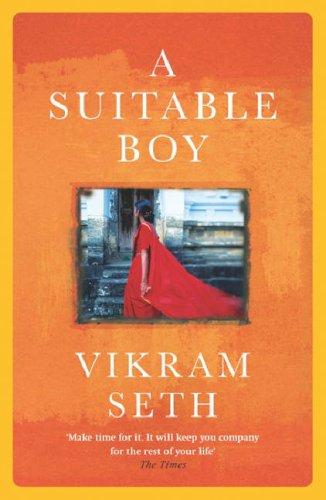
A mother searches for a husband for her daughter in 1950s India. Funny, warm and nearly 1,500 pages.
Best for: readers who love long, rich stories.
2. Midnight’s Children by Salman Rushdie
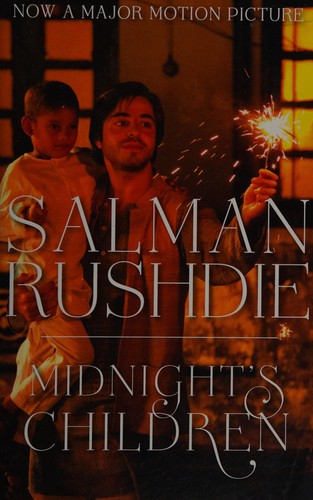
Saleem Sinai is born at the moment of India’s independence, and his life mirrors the nation. Inventive and dense.
Best for: readers who like magical realism.
3. The God of Small Things by Arundhati Roy
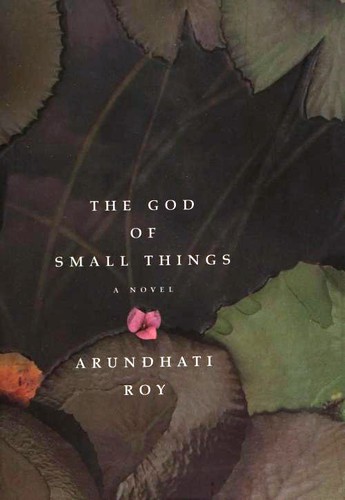
Twins in Kerala and a tragedy that unfolds from forbidden love. Poetic and heartbreaking. Content note: abuse and sexual content.
Best for: readers who like lyrical prose.
4. A Fine Balance by Rohinton Mistry
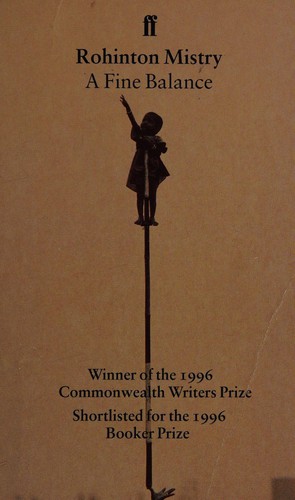
Four strangers share a flat in 1975 Bombay during the Emergency. Powerful and sad. Content note: violence and cruelty.
Best for: readers who want emotional depth.
5. The White Tiger by Aravind Adiga
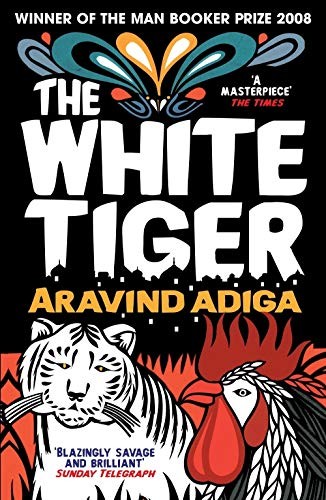
A driver from a poor village rises through crime and cunning. Sharp and satirical. Content note: violence and crime.
Best for: readers who like dark humor.
6. Shantaram by Gregory David Roberts
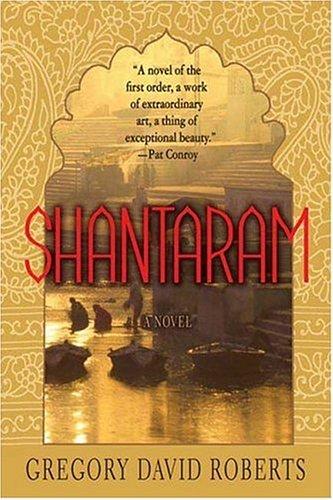
An escaped convict lives in Bombay’s slums and underworld. Long and gripping, though largely fictionalized. Content note: violence and drug use.
Best for: readers who like adventure.
7. Interpreter of Maladies by Jhumpa Lahiri
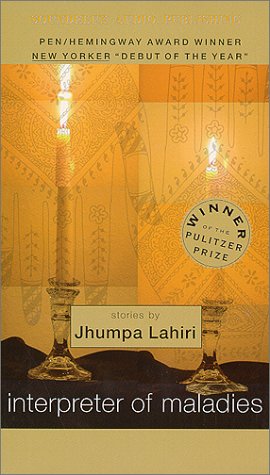
Stories of Indian and Indian American lives. Delicate and observant.
Best for: readers who like quiet fiction.
8. City of Djinns by William Dalrymple
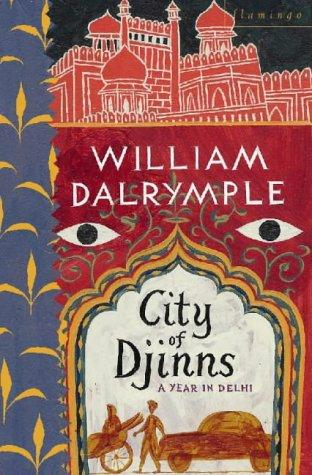
Dalrymple spends a year in Delhi, uncovering layers of its history. Witty and learned.
Best for: readers who love Delhi.
9. Maximum City by Suketu Mehta
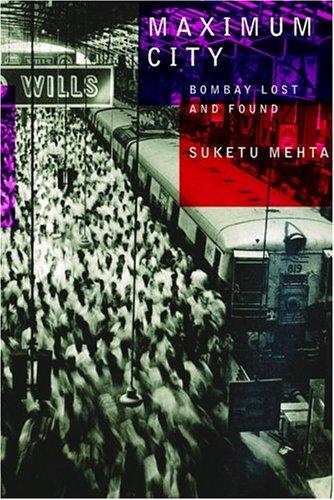
Mehta’s portrait of Bombay, from gangsters to film stars. Vivid and unflinching. Content note: violence.
Best for: readers curious about Mumbai.
10. Behind the Beautiful Forevers by Katherine Boo
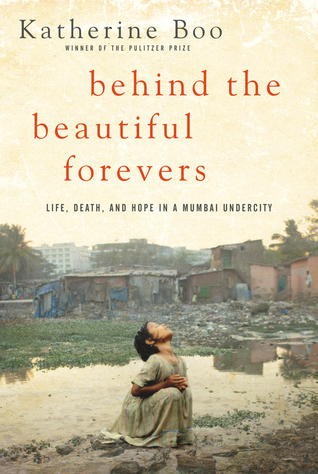
Life in a Mumbai slum near the airport. Humane and heartbreaking.
Best for: readers who like narrative nonfiction.
11. In Spite of the Gods by Edward Luce
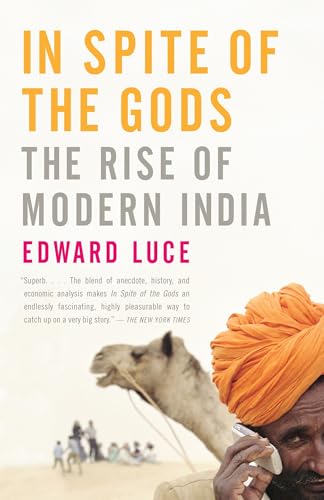
A journalist explains India’s economy, politics and contradictions.
Best for: readers interested in modern India.
12. Train to Pakistan by Khushwant Singh
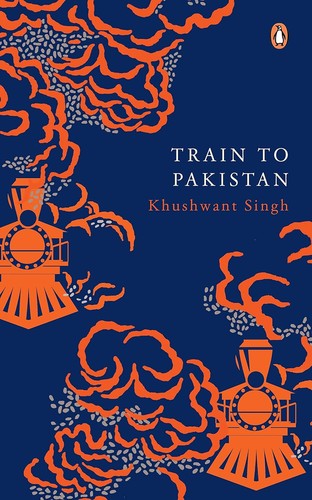
A village on the border faces violence in 1947. Short and haunting. Content note: violence.
Best for: readers interested in Partition.
13. A Passage to India by E.M. Forster
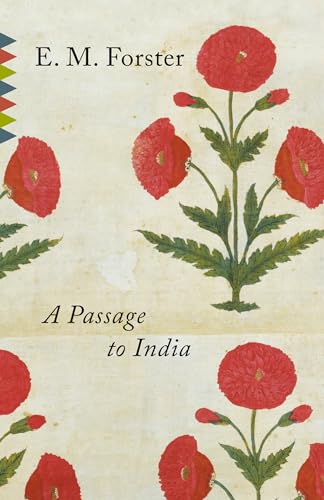
An English visitor accuses an Indian doctor of assault. A classic exploration of empire.
Best for: readers who like colonial-era fiction.
14. Kim by Rudyard Kipling
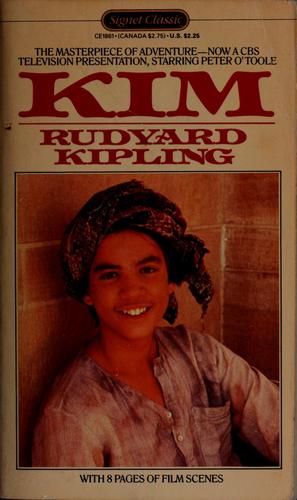
An orphan in British India becomes a spy. Colorful, though a product of its colonial era.
Best for: readers who like adventure.
15. The Discovery of India by Jawaharlal Nehru
Nehru’s reflections on India’s history, written in prison. Long and thoughtful.
Best for: readers who want deep background.
How to Choose the Right Book on India
Choose by region and approach. For a panoramic novel, A Suitable Boy, Midnight’s Children and A Fine Balance are sweeping. For Kerala, The God of Small Things is lush. For Mumbai, Shantaram, Maximum City and Behind the Beautiful Forevers show the city’s extremes. For Delhi, City of Djinns is a classic. For modern society, The White Tiger and In Spite of the Gods analyze change. For short stories, Interpreter of Maladies offers intimate scenes. For history, Train to Pakistan and The Discovery of India explain Partition and identity.
Which Book Should You Start With? A Quick Guide
If you are not sure where to begin, match your situation to the list below.
- Readers who love long, rich stories: A Suitable Boy
- Readers who like magical realism: Midnight’s Children
- Readers who like lyrical prose: The God of Small Things
- Readers who want emotional depth: A Fine Balance
- Readers who like dark humor: The White Tiger
- Readers who like adventure: Shantaram
- Readers who like quiet fiction: Interpreter of Maladies
- Readers who love Delhi: City of Djinns
- Readers curious about Mumbai: Maximum City
- Readers who like narrative nonfiction: Behind the Beautiful Forevers
- Readers interested in modern India: In Spite of the Gods
- Readers interested in Partition: Train to Pakistan
- Readers who like colonial-era fiction: A Passage to India
- Readers who like adventure: Kim
- Readers who want deep background: The Discovery of India
A Simple Reading Plan
Start about two months before you go. Begin with A Suitable Boy, an approachable way into India, then add a novel set there for atmosphere. In the last weeks, read something on history or culture and finish with a memoir or travel account so the place feels personal. Keep a notebook of places, dishes, phrases and questions you meet on the page. If you only have a week, read A Suitable Boy and one novel, and listen to an audiobook on the plane. The aim is not to master India but to arrive curious and informed enough to notice more.
Print, E-Book or Audiobook?
Print, e-book and audiobook each suit different readers. Print is best for books you want to mark up and return to, which is useful for practical guides on India. E-books are cheap, portable and easy to search, and they make it simple to highlight a passage and find it again later. Audiobooks turn commutes, chores and walks into reading time, and a good narrator can make a heavy book on India easier to take in. Your public library offers all three through apps like Libby, so you can try a title before buying it. Many readers use two formats for the same book, listening first and then skimming a print copy for notes.
How to Get More From What You Read
Reading before a trip works best when you turn it into planning. Note every place, food and festival that catches your attention, and put them on a map. Look up the neighborhoods in the novels you read and see which ones you can visit. Learn ten words of the local language, watch a film set in India and ask friends who have been there for tips. Share favorite passages with your travel companions so everyone arrives with the same excitement. After the trip, reread a favorite book; it will read differently once you have walked the streets.
Reading on a Budget
You do not need to buy all of these books. Your public library likely lends print, e-book and audiobook copies of many titles on India for free, and the hold feature lets you queue for popular ones. Used paperbacks are usually a few dollars, and thrift stores, library sales and swap groups are good sources. If you want to own a book you will mark up, buy the print edition; if you want to try several, borrow first and buy only the ones you finish and love. Subscription audiobook services often offer a free trial that covers a first title, and some libraries partner with apps that need only a library card.
Talk About What You Read
Reading on your own is valuable, and reading with others adds accountability. Consider forming a small book club around India, taking turns to choose a title from this list. Meet monthly, ask each person to share one idea and one action, and keep the tone supportive rather than competitive. If your friends are not interested, look for a local library group or an online community. A shared conversation helps you notice things you missed, and the encouragement of others makes it easier to keep going when progress feels slow.
Common Mistakes to Avoid
A few mistakes are common. Do not treat novels as guidebooks; fiction can romanticize, exaggerate or simplify a place. Do not rely only on outsiders’ accounts, and seek voices from the country itself. Check publication dates, since places change quickly and a book from decades ago may describe a very different reality. Avoid reading only dark or only glamorous stories, which gives a lopsided picture of India. And do not let reading replace current, practical research on visas, health, safety and local customs. Balanced reading prepares you to see people as individuals, not stereotypes.
How to Judge a Book on India
Not every book about India is equally reliable or fair. Check who is speaking: a native writer, a long-term resident, a journalist, a historian or a short-term visitor. Each offers something different. Look at the publication date, since politics, prices and customs change. For history, prefer authors with notes and sources. For fiction, remember that vivid does not mean accurate. Read at least one book by an author from India, and if possible one translated work, to hear voices from inside the culture. A mix of insider and outsider perspectives gives the fairest picture.
Reading Is Not Planning
Books can inspire and inform, but they are not travel advice. Before you go, check your government’s official travel advisories, entry and visa requirements, health recommendations and local laws, and consider travel insurance. Customs around dress, behavior, tipping and photography vary, and a recent guidebook or the embassy website can help. If you travel to a region with political tension or natural hazards, follow current local guidance. Treat the books in this guide as a way to understand and enjoy India, and use official sources for rules and safety.
Questions to Reflect On
Keep these in a notebook as you read:
- Which places in these books do I most want to see?
- Whose voice am I hearing: a local, a visitor or a historian?
- What do these books leave out?
- How might the place look different today?
- What would I like to ask a local when I arrive?
Tips for Reading About India
- Read widely. India is many places.
- Use audio. Great for long trips.
- Learn greetings. Namaste.
- Check health advice. Vaccines and water.
- Respect customs. Dress modestly at temples.
Related: 15 Best Books to Read Before Visiting New York City and 15 Best Books to Read Before Visiting London.
Frequently Asked Questions
What are the best books to read before visiting India?
A Suitable Boy, The God of Small Things, City of Djinns and Maximum City are popular.
Is Shantaram accurate?
It is billed as a novel and many details are fictionalized.
Which books are good for Partition?
Train to Pakistan and Midnight’s Children.
How many books on India should I read at once?
One or two at a time is plenty. Finish a book, try one idea from it and then move on, so what you read turns into something you do.
Are these books on India available as audiobooks?
Most of them are. Check your library’s app, such as Libby, or an audiobook service, and listen to a sample to see whether the narrator suits you.