
Disclosure: As an Amazon Associate, Bookish Wisdom earns from qualifying purchases. This doesn’t change our picks or your price.
Quick answer: The best books to read before visiting Alaska include Into the Wild, Coming into the Country, Going to Extremes, The Call of the Wild, White Fang and The Snow Child. Combine Into the Wild, Coming into the Country and The Snow Child for a mix of reality, reportage and fairy tale.
Travel conditions, entry rules and safety advice change. Check your government’s official travel advisory before you go.
Alaska is America’s last great frontier: vast glaciers, wild rivers, bear-filled forests and small towns that feel a world away from everything else. Its writers capture both the beauty and the risk, from Jack London’s dog sled adventures to modern memoirs of survival and community. Reading before a cruise or road trip helps you understand the land’s scale, the history of Indigenous peoples and the character of those who live there. The fifteen books below include classics, nonfiction, novels, Alaska Native stories and a few cautionary tales. Some are wistful, others thrilling. Bring a couple on your trip, and read them on a ferry deck or beside a campfire, where the stories feel truest.
Table of Contents
Quick Picks at a Glance
| Book | Author | Type | Best For |
|---|---|---|---|
| Into the Wild | Jon Krakauer | Nonfiction | readers who like true stories |
| Coming into the Country | John McPhee | Reportage | readers who like deep reporting |
| Going to Extremes | Joe McGinniss | Reportage | readers who like colorful portraits |
| The Call of the Wild | Jack London | Classic | readers who like adventure |
| White Fang | Jack London | Classic | readers who love wolves |
| The Snow Child | Eowyn Ivey | Fairy-tale fiction | readers who like lyrical stories |
| The Great Alone | Kristin Hannah | Novel | readers who like family drama |
| Alaska | James A. Michener | Epic novel | readers who like sagas |
| Two Old Women | Velma Wallis | Alaska Native legend | readers who want a short read |
| Travels in Alaska | John Muir | Nature writing | readers who love wilderness |
| Arctic Dreams | Barry Lopez | Nature writing | readers who love the north |
| The Final Frontiersman | James Campbell | Nonfiction | readers who like survival stories |
| Ordinary Wolves | Seth Kantner | Novel | readers who like rural coming-of-age |
| Alaska: Saga of a Bold Land | Walter R. Borneman | History | readers who want an overview |
| Minus 148° | Art Davidson | Mountaineering | readers who love climbing |
1. Into the Wild by Jon Krakauer

The story of Christopher McCandless, who died in the Alaskan wilderness. Gripping and debated. Content note: death.
Best for: readers who like true stories.
2. Coming into the Country by John McPhee
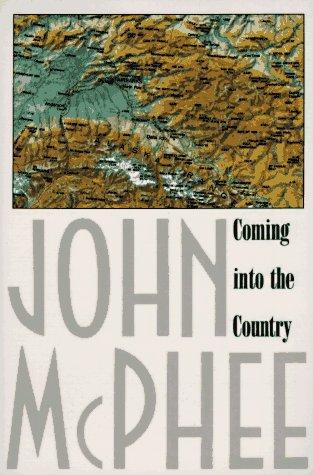
A journalist explores Alaska’s people, politics and land. Classic nonfiction.
Best for: readers who like deep reporting.
3. Going to Extremes by Joe McGinniss
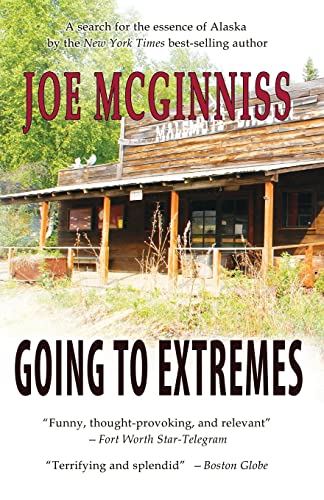
A journalist’s account of Alaska in the 1970s, full of eccentrics.
Best for: readers who like colorful portraits.
4. The Call of the Wild by Jack London
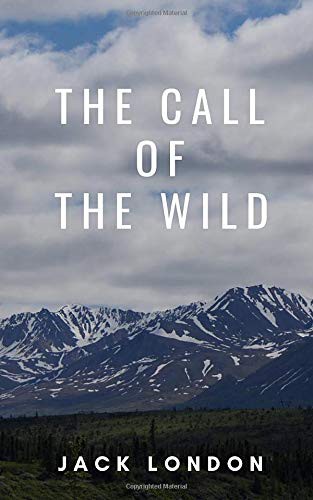
A dog is taken to the Klondike during the Gold Rush. Short and vivid. Content note: animal violence.
Best for: readers who like adventure.
5. White Fang by Jack London

A wolf-dog’s life in the Yukon. Rough and moving. Content note: animal violence.
Best for: readers who love wolves.
6. The Snow Child by Eowyn Ivey
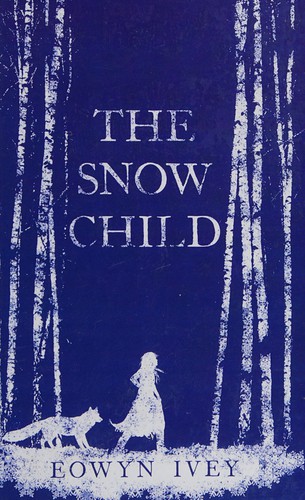
An older couple in 1920s Alaska builds a snow girl who seems to come alive. Content note: pregnancy loss.
Best for: readers who like lyrical stories.
7. The Great Alone by Kristin Hannah

A family moves to the Alaskan wilderness in 1974 and faces danger inside and out. Content note: domestic abuse.
Best for: readers who like family drama.
8. Alaska by James A. Michener
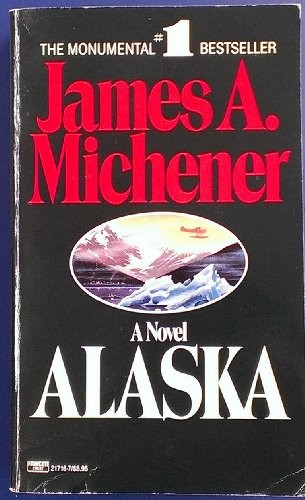
Michener traces Alaska’s history from geological formation to statehood. Long and detailed.
Best for: readers who like sagas.
9. Two Old Women by Velma Wallis
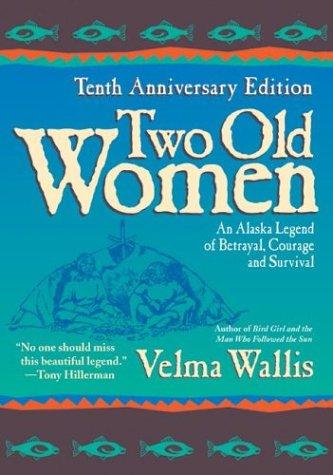
Two elders abandoned by their tribe survive winter. A legend told in plain, strong language.
Best for: readers who want a short read.
10. Travels in Alaska by John Muir
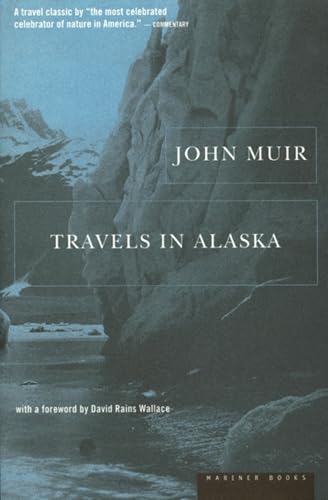
Muir’s journals of exploring Alaska’s glaciers in the 1880s. Lyrical.
Best for: readers who love wilderness.
11. Arctic Dreams by Barry Lopez
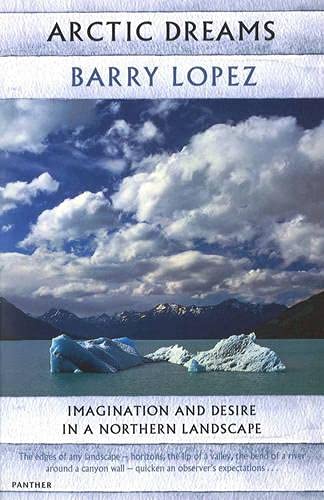
A National Book Award-winning meditation on the Arctic landscape and its creatures.
Best for: readers who love the north.
12. The Final Frontiersman by James Campbell
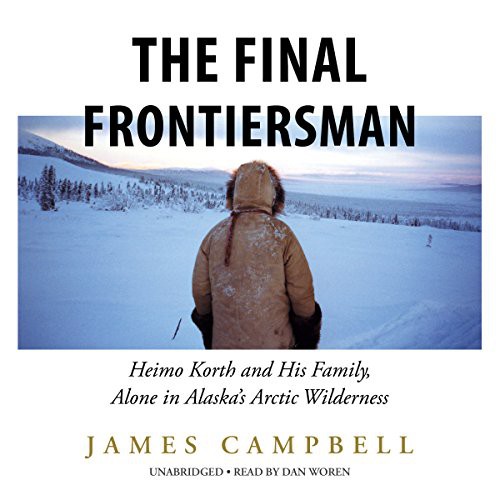
The story of Heimo Korth, who lived in the Arctic National Wildlife Refuge. Gripping.
Best for: readers who like survival stories.
13. Ordinary Wolves by Seth Kantner
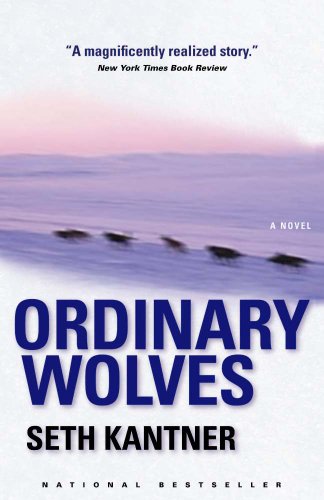
A boy grows up in a sod igloo in northwest Alaska. Raw and beautiful.
Best for: readers who like rural coming-of-age.
14. Alaska: Saga of a Bold Land by Walter R. Borneman

A readable history of Alaska from Russian exploration to statehood.
Best for: readers who want an overview.
15. Minus 148° by Art Davidson
The first winter ascent of Denali in 1967. Gripping. Content note: danger and cold.
Best for: readers who love climbing.
How to Choose the Right Book on Alaska
Choose by interest. For classic adventure, The Call of the Wild and White Fang are timeless. For reportage on Alaska life, Coming into the Country and Going to Extremes are insightful. For true stories of risk, Into the Wild, The Final Frontiersman and Minus 148° thrill. For fiction, The Snow Child, The Great Alone, Alaska by Michener and Ordinary Wolves capture different eras. For Alaska Native perspective, Two Old Women is a short legend. For nature writing, Travels in Alaska and Arctic Dreams inspire. Mix adventure and reflection.
Which Book Should You Start With? A Quick Guide
If you are not sure where to begin, match your situation to the list below.
- Readers who like true stories: Into the Wild
- Readers who like deep reporting: Coming into the Country
- Readers who like colorful portraits: Going to Extremes
- Readers who like adventure: The Call of the Wild
- Readers who love wolves: White Fang
- Readers who like lyrical stories: The Snow Child
- Readers who like family drama: The Great Alone
- Readers who like sagas: Alaska
- Readers who want a short read: Two Old Women
- Readers who love wilderness: Travels in Alaska
- Readers who love the north: Arctic Dreams
- Readers who like survival stories: The Final Frontiersman
- Readers who like rural coming-of-age: Ordinary Wolves
- Readers who want an overview: Alaska: Saga of a Bold Land
- Readers who love climbing: Minus 148°
A Simple Reading Plan
Treat the reading as a warm-up. Read Into the Wild first for orientation, then Coming into the Country for a human voice, and use Going to Extremes or another title when you want depth. Alternate between fiction and nonfiction so your imagination and your knowledge grow together. Mark places you want to see, and map them. Reading on the plane is a pleasure, but reading in the weeks before gives you time to plan. If a book is too heavy, listen to it as an audiobook while packing, walking or cooking.
Print, E-Book or Audiobook?
Format matters more than people expect. If you tend to forget what you read, choose print or an e-book so you can underline and review. If your time is limited, audiobooks fit into the gaps of your day. For a topic like Alaska, short chapters are an advantage, since you can finish one in a single sitting and think about it afterward. Libraries lend e-books and audiobooks free, and many offer print copies of new releases through holds. Try one format for a week and switch if it is not working.
How to Get More From What You Read
To get the most from your reading, connect it to the real world. Highlight passages that describe places you will see, and look up photos and maps. Cook a dish from Alaska to taste what you read about, and listen to music from the region. Talk about what you are reading with someone who has visited or lives there, because their stories add texture. Keep a small notebook for questions to ask locals. Reading is the first step; curiosity on the ground is the second, and the two feed each other.
Reading on a Budget
Good books on Alaska are easier to afford than most people think. Library cards open up print, e-book and audiobook borrowing, and interlibrary loan can find titles your branch does not own. Used copies cost a fraction of new ones, and many of the classics are inexpensive in paperback. Try a sample chapter online to see whether an author’s voice suits you before you commit. If you finish a book you love, consider passing it to a friend, which keeps the ideas moving and your shelf uncluttered.
Talk About What You Read
Ideas stick when you talk about them. Choose one book from this list and invite a friend, partner or colleague to read it with you, then meet for coffee to compare notes on Alaska. Online communities and library groups also host discussions, and many of these books have free reading guides. If you prefer privacy, a journal works well: write a paragraph after each chapter on what you agree with, what you doubt and what you will try. Teaching an idea to someone else is one of the best ways to learn it, so explain what you read in your own words.
Common Mistakes to Avoid
Watch for these traps. First, assuming one author speaks for a whole country; Alaska is far more varied than any book. Second, reading only historical books and missing present-day life. Third, relying on exotic or nostalgic portraits that locals may not recognize. Fourth, forgetting that some famous books are by visitors, with a visitor’s blind spots. Finally, skipping practical sources: official travel advisories, embassy sites and recent guidebooks matter for safety and logistics. Use these books to deepen your trip, not to replace planning.
How to Judge a Book on Alaska
When choosing among books on Alaska, ask who wrote it and why. Authors from the country often capture details outsiders miss, while visitors may explain things locals take for granted. Check the date, and look for reviews from readers who know the place. Be cautious with books that lean on stereotypes or promise to reveal the true spirit of a country in a single volume. Translations can vary in quality, so read a sample. Combining a classic with something recent helps you see both the history and the present.
Reading Is Not Planning
Reading prepares your mind, but practical planning prepares your trip. Use official sources for visas, vaccines, safety, currency and local rules, and look at recent traveler reports for current conditions. Books may describe places that have changed or closed. Be respectful of local customs, learn basic greetings and keep your plans flexible. If you are unsure about something, ask your hotel, a local guide or the embassy. With a little preparation, the stories you read will sit alongside real experiences.
Questions to Reflect On
Keep these in a notebook as you read:
- Which places in these books do I most want to see?
- Whose voice am I hearing: a local, a visitor or a historian?
- What do these books leave out?
- How might the place look different today?
- What would I like to ask a local when I arrive?
Tips for Reading About Alaska
- Read about safety. Wildlife can be dangerous.
- Respect Native cultures. Learn from Alaska Native voices.
- Pack layers. Weather varies.
- Take binoculars. Wildlife viewing.
- Bring a book. Long ferry rides.
Related: 15 Best Books to Read Before Visiting New Zealand and 15 Best Books to Read Before Visiting Australia.
Frequently Asked Questions
What are the best books to read before visiting Alaska?
Into the Wild, Coming into the Country, The Snow Child and The Call of the Wild are popular.
Is Into the Wild accurate?
It is a reconstruction, and opinions about McCandless differ.
Any Alaska Native stories?
Two Old Women by Velma Wallis.
How many books on Alaska should I read at once?
One or two at a time is plenty. Finish a book, try one idea from it and then move on, so what you read turns into something you do.
Are these books on Alaska available as audiobooks?
Most of them are. Check your library’s app, such as Libby, or an audiobook service, and listen to a sample to see whether the narrator suits you.