
Disclosure: As an Amazon Associate, Bookish Wisdom earns from qualifying purchases. This doesn’t change our picks or your price.
Spoiler warning: This post explains the ending of Verity in detail, including major twists. If you have not finished the book, stop here.
Quick answer: At the end of Verity, Lowen decides Verity is faking her coma, tells Jeremy, and Jeremy smothers Verity while Lowen helps cover it up. Months later Lowen finds a hidden letter that says the confession manuscript was only fiction and that Jeremy caused the car crash, so the book leaves it open which version is true.
Quick facts
Author: Colleen Hoover, published 2018
Genre: psychological thriller with explicit scenes
Main characters: Lowen Ashleigh, Jeremy Crawford, Verity Crawford
Core question: is the confession manuscript true, or is the hidden letter?
Content: violence, a child’s death and explicit sexual content
Verity ends in a way that has divided readers since it became a BookTok favorite. A struggling writer is hired to finish a bestselling author’s series, finds a shocking manuscript and ends up in a morally gray corner with the author’s husband. The final pages then add a letter that reframes everything. This post walks through what happens in the last chapters, explains the competing readings of the manuscript and the letter, covers what happens to each character and looks at the clues Hoover planted. If you finished the book and thought ‘wait, what?’, this is for you. If you have not finished, please stop here.
This post discusses violence and a child’s death.
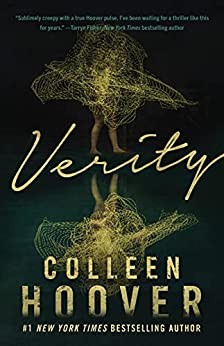
Check price of Verity on Amazon
Table of Contents
What Happens at the End of Verity (Short Version)
In the final chapters, Lowen concludes that Verity is not in a vegetative state but is faking it. After setting up a camera, she sees Verity move and tells Jeremy. Jeremy, enraged, tries to strangle his wife. Lowen stops him only to insist that if Verity is going to die, it must look natural. Jeremy forces Verity to vomit and smothers her so her death looks like aspiration in her sleep. Lowen leaves, and the story jumps ahead. Months later, Lowen and Jeremy are together and expecting a baby. They return to the lake house, and Lowen finds a letter from Verity hidden under the floorboards.
The Manuscript: What Lowen Reads
Lowen, hired to finish Verity’s series, goes through Verity’s office for notes and finds an unpublished autobiography, titled So Be It. It is written in the first person and describes Verity’s resentment toward her daughters, her darkest thoughts and a plan involving driving into a tree. The writing reads like a confession of terrible acts, and Lowen becomes convinced that Verity is dangerous. The manuscript is also how Lowen’s feelings for Jeremy grow, as she hides it from him to protect him from the truth. For much of the book the manuscript is the evidence readers rely on, which is why the later letter is so disorienting.
The Hidden Letter: The Other Version
The epilogue’s letter is addressed to Jeremy. It says that the manuscript was fiction, written from a villain’s point of view as a way to process the pain of losing her children, and that Verity never hurt them. It also claims that Jeremy caused the car crash that left her injured, after he found the manuscript and believed it, and that she pretended to be brain damaged because she was afraid of him and wanted to protect their son Crew. If that is true, then the real danger in the story is not Verity but Jeremy, and Lowen has helped cover up the murder of an innocent woman.
What Lowen Does With the Letter
Lowen does not show Jeremy the letter. She destroys it before he can read it. That choice is the final twist in itself: she decides what Jeremy will and will not know, and she lives with the uncertainty. She cannot tell whether the letter is the truth or another manipulation by Verity, who was a skilled storyteller. Lowen’s decision suggests that she, like Verity, is willing to control narratives to protect what she wants. The last lines leave her at peace with Jeremy and their child, but the reader is left with the unsettling thought that she may be living with a murderer or may have helped murder an innocent woman.
Two Ways to Read the Ending
Reading one: the manuscript is true. Verity wrote down genuine confessions, faked her condition to hide, and Jeremy was right to be afraid. The letter, found later, is a last manipulation designed to make Jeremy and Lowen doubt themselves. Reading two: the letter is true. The manuscript was fiction, Jeremy tried to kill Verity in the crash and then killed her for real, and Lowen helped him. Hoover has said she likes both and intends the reader to decide. Notice how each reading changes who is the villain, and how the book makes you complicit by rooting for Lowen and Jeremy.
Clues Hoover Planted
Several details support ambiguity. Verity was a writer of dark fiction, so a violent manuscript could be a character study. The manuscript’s tone is unusually confessional for a hidden draft, which fits either an honest confession or a deliberate trap. Jeremy’s behavior is controlling in subtle ways, including the way he shapes how Lowen sees Verity. Lowen’s attraction to Jeremy colors her judgment. The camera footage shows Verity moving, but it does not prove malice. These clues are balanced so that either reading survives a second pass.
What Happens to Each Character
Verity dies at Jeremy’s hands. Jeremy ends the book with Lowen, expecting a child and ignorant of the letter. Lowen survives, changed, and she is the keeper of the secret. Crew, the surviving son, is mentioned as living with them. Harper and Chastin, the daughters, are dead before the story begins, and their deaths are central to the manuscript and the letter. The ending is not happy in a conventional sense; it is a quiet triumph that has a moral cost.
Themes: Obsession, Narrative and Complicity
Verity is about who gets to tell a story and what happens when readers believe a version because it suits them. Lowen reads a manuscript and builds a case; Jeremy reads one and builds a different one. The book also explores obsession, the thin line between love and control and how grief can warp perception. By making readers want Lowen and Jeremy together, Hoover implicates us in the choice to look away from evidence. That is why many readers feel uneasy after the last page.
The Movie and Other Adaptations
A film adaptation of Verity was released in 2026. Reports suggest the film keeps the ambiguity, with the author supporting it. If you plan to watch, know that adaptations can reshape tone and explicitness. The novel is more graphic and more interior; the film must show events visually, which affects how ambiguity works. Read the book first if you can, then compare how each version handles the manuscript and the letter.
Reception and Why the Book Spread
Verity was first published in 2018 and found a huge audience years later through BookTok, where readers posted reactions to the manuscript chapters and the final twist. Its popularity rests on pacing, a claustrophobic setting and the way it dares the reader to choose a side. Reviews often split between readers who admire the ambiguity and those who want a definitive answer. Because the book is explicit and disturbing, it has also been a flashpoint in conversations about what counts as romance, thriller or horror. If you loved it, reading how others interpret the letter can be as much fun as the story itself.
Content Notes Before You Recommend It
The novel includes graphic violence, descriptions of children’s deaths, sexual content and themes of obsession and manipulation. It is not a comfortable read, and it is not suitable for younger teens. If you are recommending it to a friend, mention the content warnings and let them decide. For readers who prefer less explicit thrillers, authors like Alex Michaelides or Liane Moriarty may be better fits. For readers who like moral ambiguity, Verity is a standout, because it forces you to examine how you form conclusions from partial evidence.
How to Reread Verity Knowing the Ending
Once you know how Verity ends, a second read becomes a different book. Pay attention to the first chapters, where the author plants details that look harmless but later carry weight. Notice who gives information, who withholds it and which scenes are described in the most vivid detail, since those are often where the author is steering you. Mark lines that gain a second meaning, and compare your first-read impressions of each character with how you see them now. Many readers find that the ending does not spoil the book but deepens it, because what felt like plot on the first pass starts to look like design. Give yourself a few weeks between reads so that the details feel fresh.
Questions to Discuss After Finishing Verity
- Which moment in Verity changed how you saw the story, and why?
- Did the ending feel earned, or did it surprise you in a way that felt unfair?
- Which character’s choices did you understand best, and which frustrated you?
- What do you think the author wanted readers to take away?
- Would you change anything about the ending?
- How does the book’s setting shape its events?
- Which scene stayed with you after you finished?
- Who would you recommend Verity to, and who might want to skip it?
How to Recommend Verity Without Spoilers
If you want to recommend Verity without ruining it, talk about the mood and the questions the book raises instead of the plot. Say whether it is fast or slow, funny or grim, and what kind of reader will enjoy it. Avoid saying ‘you will not see the end coming’ or ‘the twist is amazing,’ since both prime a reader to hunt for clues. If a friend has already started the book, ask what they think is happening and listen without correcting. Spoilers spread quickly online, so mute discussion threads until you finish. And if you do accidentally reveal something, apologize and suggest reading anyway; many readers find the journey still rewarding.
Why Endings Like This One Divide Readers
Endings divide readers because they carry the burden of everything that came before. A twist that delights one person can feel like a cheat to another, and an open ending can read as either bold or evasive. When you finish Verity, it helps to ask what kind of satisfaction you wanted: justice, surprise, comfort or a lingering question. Authors who withhold closure are often trusting readers to carry the story forward, while authors who tie everything up are offering the pleasure of completion. Neither approach is better. The strongest endings feel inevitable in hindsight, as though the early chapters were quietly pointing toward them. If Verity left you frustrated, try naming exactly what you missed. That exercise often turns irritation into insight and helps you choose books that match your taste.
Processing a Heavy Ending
Some endings, including the one in Verity, leave a residue. If you feel unsettled, give yourself time before starting another book, or choose something light for a few days. Talking with a friend who has read it can help, as can writing down what you felt in a few sentences. If the book touched a personal experience, such as loss, abuse or illness, be gentle with yourself and step away from social media discussions that feel intense. Reading about hard subjects can build empathy and understanding, but it can also stir difficult feelings, and it is fine to stop or to return later. If something in the story brought up distress that does not pass, talking to a trusted person or professional is a good step.
What to Read After Verity
After finishing Verity, you may want something that echoes its mood or something that cleanses the palate. If you loved the suspense, look for authors who work in the same vein and read their most acclaimed titles first. If you wanted more character depth, try literary fiction with a similar theme. If the ending left you bleak, a funny novel or a cozy mystery can reset your reading mood. Libraries and bookstores often shelve read-alike recommendations near popular titles, and librarians are happy to help. Keep a short list of what worked for you in this book, whether pacing, voice or structure, and use it to guide your next pick.
Reading Journal Prompts for Verity
If you like to process books in writing, try these prompts after finishing:
- Write three sentences about how you felt in the last chapter and one sentence about how you felt a day later.
- List the three moments that changed how you saw the story.
- Note a detail you would have missed without knowing the ending.
- Write a paragraph in the voice of the character you understood best.
- Describe what you would say to the author if you could ask one question.
- Rate the ending from one to five and explain what would have raised your score.
A Book Club Plan for Verity
A book club discussion of Verity works best when members share first reactions before debating details. Start with a quick round where each person gives the ending a score from one to five and says in one sentence why. Then move through three topics: the twist or central question, the characters’ choices and the author’s craft. Save the hardest question, such as whether the ending was fair or what really happened, for the middle of the evening, when everyone is warmed up. Close with a vote on the most interesting line or scene, and ask what each person will read next. If members disagree, encourage them to point to passages instead of only opinions. Serve something simple so the conversation stays the focus, and agree in advance that spoilers are welcome.
Books Like Verity
The Silent Patient by Alex Michaelides. A woman stops speaking after allegedly killing her husband, and her therapist is determined to unlock why. Twisty and quick.
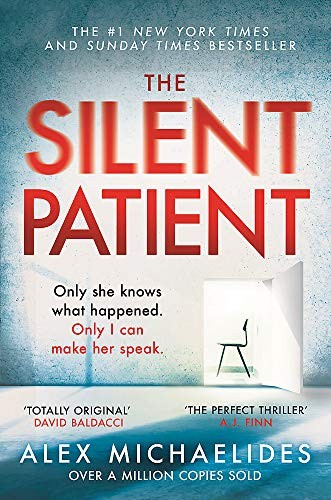
Check price of The Silent Patient on Amazon
Gone Girl by Gillian Flynn. A wife disappears and the husband becomes the suspect in this dark story of marriage and media. A classic of the genre.
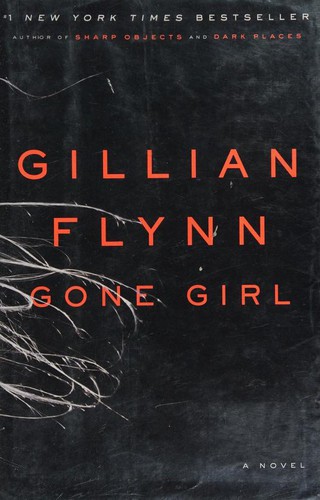
Check price of Gone Girl on Amazon
The Housemaid by Freida McFadden. A woman with a past takes a live-in job in a wealthy home and discovers the family’s secrets. Fast and addictive.
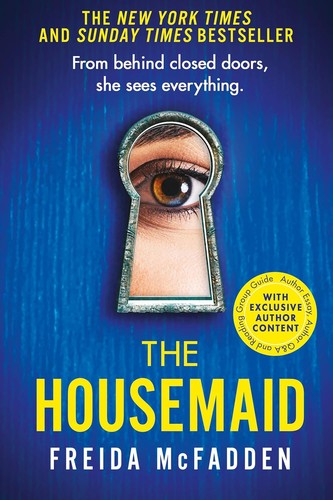
Check price of The Housemaid on Amazon
Related: which Colleen Hoover Book Should You Read First? and which Brandon Sanderson Book Should You Read First?.
Frequently Asked Questions
What happens at the end of Verity?
Lowen and Jeremy kill Verity after discovering she has been faking her condition. Months later, Lowen finds a letter from Verity that says the manuscript was fiction and that Jeremy caused the crash. Lowen destroys the letter.
Was Verity really faking her coma?
In the story, yes. Lowen sees her move on camera, but whether Verity was a dangerous manipulator or a frightened woman is the open question.
Is the manuscript true?
The book does not say. The manuscript reads as a confession, while the letter says it was fiction. Both readings are supported.
Why does Lowen burn the letter?
She chooses not to risk her relationship with Jeremy and may be unsure which version is true. Her act shows she is willing to control the story.
Is there a sequel to Verity?
No. Hoover has not written a sequel, and the ambiguity is part of the design.
Is Verity suitable for sensitive readers?
No. It contains graphic violence, a child’s death and explicit sexual content.