
Disclosure: As an Amazon Associate, Bookish Wisdom earns from qualifying purchases. This doesn’t change our picks or your price.
Spoiler warning: This post explains the ending of The Silent Patient in detail, including major twists. If you have not finished the book, stop here.
Quick answer: At the end of The Silent Patient, Alicia’s diary reveals that her therapist Theo Faber was the masked man who broke into her home on the night her husband Gabriel died, which set off the events that led her to shoot Gabriel. The book ends as police begin reading the diary’s final entry, which exposes Theo.
Quick facts
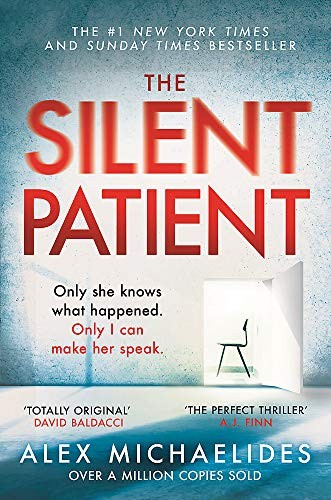
Author: Alex Michaelides, published 2019
Genre: psychological thriller
Main characters: Alicia Berenson, Theo Faber, Gabriel Berenson
Core twist: Theo is the masked man
Content: violence, self-harm and manipulation
The Silent Patient is built around one mystery: why did Alicia Berenson, a painter, shoot her husband and then never speak another word? The answer, revealed in the last act, reframes the narrator who has been guiding us all along. This post explains the twist, how it fits together and what the ambiguous final pages mean. Spoilers follow.
This post discusses violence, self-harm and trauma.
Check price of The Silent Patient on Amazon
Table of Contents
What Happens at the End (Short Version)
After years of silence, Alicia begins speaking in therapy and tells Theo her story. Soon afterward she is found unconscious, injected with a lethal dose of painkillers, though she survives. Her diary, which Theo has not fully read, is then examined by the police and reveals the real story. Theo, driven by obsession and anger, stalked the man his wife Kathy was having an affair with, discovered that man was Gabriel Berenson, put on a mask and broke into Alicia and Gabriel’s home. Alicia, overwhelmed, shot Gabriel. The book ends as an investigator arrives at Theo’s door and begins to read Alicia’s last diary entry aloud.
The Twist: Theo Is the Masked Man
Throughout the novel, Theo presents himself as the dedicated therapist who wants to help Alicia, but the diary shows he was far more involved. He has followed his wife’s lover, learned he is married to Alicia and deliberately entered their home wearing a mask, telling Alicia about the affair and setting events in motion. The twist works because the novel is told partly in Theo’s voice, and readers trust him. When the diary recasts him as a participant in the crime, the earlier chapters take on new meaning.
Why Alicia Went Silent
Alicia’s silence is her response to guilt and trauma. In the diary she describes a psychotic break, in which she took Gabriel’s gun and shot him multiple times, and then, unable to accept what she had done, tried to die by suicide and vowed never to speak again. Her art, including the self-portrait titled Alcestis, is an attempt to communicate what she cannot say. In the end, the silence is not mysterious but protective; it keeps her from reliving that night.
Who Injected Alicia?
The book does not clearly state who gave Alicia the lethal injection at the Grove. Readers often suspect Theo because he has reason to silence her once she begins speaking, but the text leaves the question open. This is one of several choices that give the ending a deliberately unfinished feel. The novel is less concerned with a procedural resolution than with the revelation that the person offering help was himself the cause of the harm.
The Ending: An Unfinished Last Scene
The final scene is brief. An investigator reads aloud from Alicia’s diary at Theo’s home, and the text stops before telling us what happens to Theo. Different readers imagine arrest, confession or escape. This abruptness makes the twist hit harder, but it also means that the book offers no courtroom or confinement scene to settle the matter. Some readers love that restraint; others want a firmer conclusion.
Clues You May Have Missed
Michaelides plants several hints. Theo’s interest in Alicia begins before he works at the Grove and is unusually intense. His descriptions of his wife and of Jean-Felix are filtered through suspicion. Alicia’s diary entries appear in the narrative as a parallel account that does not fully line up with Theo’s version. And Theo’s therapist, Ruth, hints at his need to be needed. A second read reveals how often Theo steers events toward Alicia.
What Happens to Each Character
Alicia survives the attempt on her life and, at the end, her diary is in the hands of the police. Theo’s fate is left uncertain but clearly precarious. Gabriel is dead before the story begins. Kathy, Theo’s wife, is a figure whose affair triggers the whole chain. Jean-Felix, the lover, is revealed to be Gabriel’s role in the chain. The ending leaves most characters either dead, silent or about to be exposed.
Themes: Trauma, Therapy and Unreliable Help
The novel explores how trauma silences people and how therapists can project their own needs. Theo’s obsession with Alicia, framed as care, is a form of control. The book also plays with Greek myth, especially the story of Alcestis, who sacrifices herself for her husband, as a way to explore what women give up for men. Readers who enjoy psychological thrillers will find the structure of the twist deft, even if the plot demands suspension of disbelief.
Why the Twist Divides Readers
Some readers praise the reveal as clever and fair. Others find it implausible that a therapist could behave this way without being noticed. The novel is a thriller, not a realistic portrayal of clinical practice, and its pleasures are in the twisting of expectations. If you enjoyed the shock, the book has done its job; if you want a closely plotted crime, you may be less satisfied.
Greek Myth: Alcestis and the Title of the Painting
Alicia’s painting of herself as Alcestis points to a Greek myth in which Alcestis volunteers to die in place of her husband Admetus and is later brought back from the underworld. In the novel, the reference suggests sacrifice, silence and a woman paying for a man’s actions. It also hints at the question the book keeps asking: who is saved, who is sacrificed and who benefits? The allusion gives the thriller a literary layer, and it rewards readers who look for the myth in Alicia’s choices.
Reception and Reader Debate
The Silent Patient was Michaelides’s debut and became a bestseller in 2019, helped by word of mouth and a twist that readers love to discuss. Critics have praised its pace and structure while questioning the plausibility of some events and the portrayal of therapy. The debate itself is part of the book’s life: it invites readers to examine how much we trust a narrator who claims to want to help. If you enjoyed it, his later novels explore similar themes of obsession and psychology.
How to Reread The Silent Patient Knowing the Ending
A second reading of The Silent Patient is a good way to test how fair the ending really is. Look for early moments that hint at what is coming, such as an offhand comment, a repeated image or a character who reacts oddly. Ask whether the author played fair or relied on surprise alone. Track the narrator’s reliability: where do they leave things out, and why? Reading with the ending in mind also lets you enjoy the craft, how sentences, pacing and structure serve the final moments. If you have a book club, ask each member to bring one passage that reads differently on a reread, and compare them.
Questions to Discuss After Finishing The Silent Patient
- Which moment in The Silent Patient changed how you saw the story, and why?
- Did the ending feel earned, or did it surprise you in a way that felt unfair?
- Which character’s choices did you understand best, and which frustrated you?
- What do you think the author wanted readers to take away?
- Would you change anything about the ending?
- How does the book’s setting shape its events?
- Which scene stayed with you after you finished?
- Who would you recommend The Silent Patient to, and who might want to skip it?
How to Recommend The Silent Patient Without Spoilers
If you want to recommend The Silent Patient without ruining it, talk about the mood and the questions the book raises instead of the plot. Say whether it is fast or slow, funny or grim, and what kind of reader will enjoy it. Avoid saying ‘you will not see the end coming’ or ‘the twist is amazing,’ since both prime a reader to hunt for clues. If a friend has already started the book, ask what they think is happening and listen without correcting. Spoilers spread quickly online, so mute discussion threads until you finish. And if you do accidentally reveal something, apologize and suggest reading anyway; many readers find the journey still rewarding.
Why Endings Like This One Divide Readers
Part of the fun of a book like The Silent Patient is arguing about its ending. Readers bring their own experiences, so the same final pages can feel hopeful to one person and bleak to another. Notice how your reaction changes over time; many readers rate a book higher a week after finishing, once the shock has settled and the structure becomes visible. Reading other people’s interpretations, in a club or online, can reveal angles you missed, but avoid letting a loud theory replace your own response. The text itself is the final authority, and rereading the last chapters is the best way to test any claim. Disagreement is not a sign that someone read it wrong; it is a sign that the book is doing its job.
Processing a Heavy Ending
Some endings, including the one in The Silent Patient, leave a residue. If you feel unsettled, give yourself time before starting another book, or choose something light for a few days. Talking with a friend who has read it can help, as can writing down what you felt in a few sentences. If the book touched a personal experience, such as loss, abuse or illness, be gentle with yourself and step away from social media discussions that feel intense. Reading about hard subjects can build empathy and understanding, but it can also stir difficult feelings, and it is fine to stop or to return later. If something in the story brought up distress that does not pass, talking to a trusted person or professional is a good step.
What to Read After The Silent Patient
After finishing The Silent Patient, you may want something that echoes its mood or something that cleanses the palate. If you loved the suspense, look for authors who work in the same vein and read their most acclaimed titles first. If you wanted more character depth, try literary fiction with a similar theme. If the ending left you bleak, a funny novel or a cozy mystery can reset your reading mood. Libraries and bookstores often shelve read-alike recommendations near popular titles, and librarians are happy to help. Keep a short list of what worked for you in this book, whether pacing, voice or structure, and use it to guide your next pick.
Reading Journal Prompts for The Silent Patient
If you like to process books in writing, try these prompts after finishing:
- Write three sentences about how you felt in the last chapter and one sentence about how you felt a day later.
- List the three moments that changed how you saw the story.
- Note a detail you would have missed without knowing the ending.
- Write a paragraph in the voice of the character you understood best.
- Describe what you would say to the author if you could ask one question.
- Rate the ending from one to five and explain what would have raised your score.
A Book Club Plan for The Silent Patient
A book club discussion of The Silent Patient works best when members share first reactions before debating details. Start with a quick round where each person gives the ending a score from one to five and says in one sentence why. Then move through three topics: the twist or central question, the characters’ choices and the author’s craft. Save the hardest question, such as whether the ending was fair or what really happened, for the middle of the evening, when everyone is warmed up. Close with a vote on the most interesting line or scene, and ask what each person will read next. If members disagree, encourage them to point to passages instead of only opinions. Serve something simple so the conversation stays the focus, and agree in advance that spoilers are welcome.
Books Like The Silent Patient
Verity by Colleen Hoover. A writer discovers a shocking manuscript in a bestselling author’s home. Dark, explicit and ambiguous.

Check price of Verity on Amazon
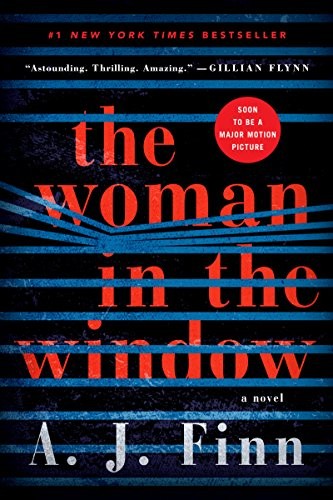
The Woman in the Window by A.J. Finn. An agoraphobic woman believes she witnessed a crime across the street. A twisty thriller with an unreliable narrator.
Check price of The Woman in the Window on Amazon
The Girl on the Train by Paula Hawkins. A commuter becomes entangled in a missing-person case. Tense and layered.

Check price of The Girl on the Train on Amazon
Related: which Colleen Hoover Book Should You Read First? and which Brandon Sanderson Book Should You Read First?.
Frequently Asked Questions
What is the twist in The Silent Patient?
Theo Faber, Alicia’s therapist, is revealed to be the masked man who broke into her home the night Gabriel died, after stalking his wife’s lover.
Did Alicia kill Gabriel?
In the diary, she shoots Gabriel during a psychotic break after the masked man’s intrusion.
Why did Alicia stop speaking?
Overcome by guilt and trauma after the shooting and a suicide attempt, she vowed never to speak again.
What happens to Theo at the end?
The book ends as an investigator reads Alicia’s diary to him. His fate is not shown.
Who injected Alicia?
The book does not say, though readers often suspect Theo.
Is there a sequel?
No. Michaelides wrote The Maidens and The Fury, which are separate stories.