
Disclosure: As an Amazon Associate, Bookish Wisdom earns from qualifying purchases. This doesn’t change our picks or your price.
Quick answer: The best books on the British Raj tell the story of British rule in India, from the East India Company to independence in 1947. Start with Inglorious Empire by Shashi Tharoor, The Anarchy by William Dalrymple, Raj by Lawrence James, The Ruling Caste by David Gilmour and the novel A Passage to India by E. M. Forster.
British power in India began with the East India Company, a trading company that by the late 1700s had its own army and ruled huge territories. After the uprising of 1857, the British Crown took direct control, and the period of rule until 1947 is known as the Raj. It brought railways, English education and administrative change, but also famines, economic drain, racism and violent repression, such as the Amritsar massacre of 1919. Indians resisted throughout, and the independence movement led by Gandhi, Nehru and others finally won freedom in 1947, at the cost of Partition. The books below include critical and balanced histories, memoirs by independence leaders and classic novels. Reading several of them together is the best way to understand a period that is still argued about in India and Britain today.
Table of Contents
Quick Picks at a Glance
| Book | Author | Type | Best For |
|---|---|---|---|
| Inglorious Empire | Shashi Tharoor | History | The Indian critique |
| The Anarchy | William Dalrymple | Narrative history | The East India Company |
| Raj | Lawrence James | History | The full story |
| The Ruling Caste | David Gilmour | History | The British in India |
| White Mughals | William Dalrymple | History | Love across cultures |
| The Indian Mutiny | Saul David | Narrative history | The uprising of 1857 |
| Empireland | Sathnam Sanghera | History | Empire’s legacy in Britain |
| Liberty or Death | Patrick French | History | The road to independence |
| An Autobiography | Mahatma Gandhi | Autobiography | Gandhi in his own words |
| The Discovery of India | Jawaharlal Nehru | History | Nehru’s vision |
| A Passage to India | E. M. Forster | Classic novel | The classic Raj novel |
| The Jewel in the Crown | Paul Scott | Novel | Epic fiction fans |
| Kim | Rudyard Kipling | Classic novel | Adventure lovers |
| The Siege of Krishnapur | J. G. Farrell | Novel | Literary fiction fans |
| Burmese Days | George Orwell | Novel | Classic literature |
1. Inglorious Empire by Shashi Tharoor
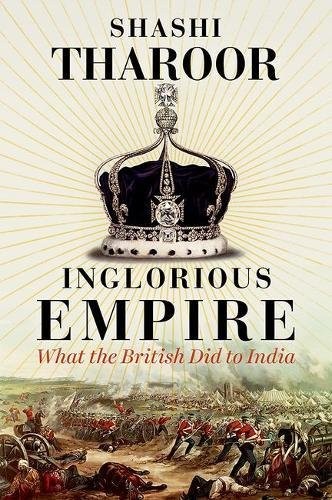
Tharoor argues forcefully that British rule did great damage to India. It’s sharp, readable and based on a famous Oxford debate speech. It’s published in India as An Era of Darkness.
2. The Anarchy by William Dalrymple
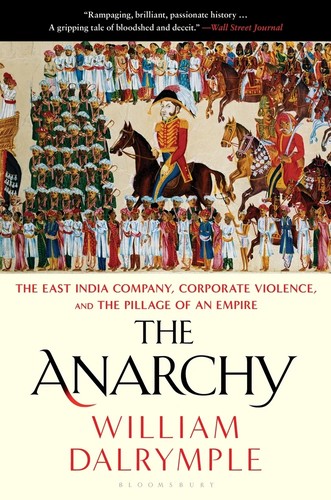
Dalrymple tells how a private company conquered much of India in the 1700s. It’s gripping, vivid and a warning about corporate power.
3. Raj by Lawrence James
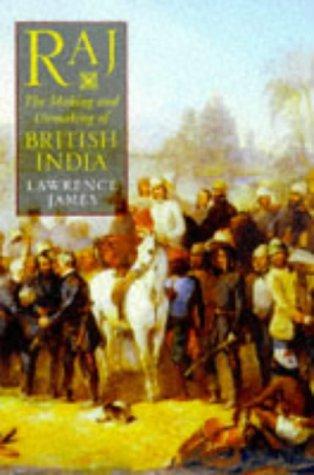
James covers British rule from the 1600s to independence in a single, detailed volume. It’s thorough and readable.
4. The Ruling Caste by David Gilmour
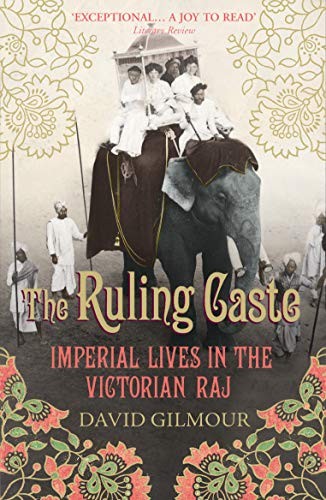
Gilmour describes the lives of the British officials who ran India in the Victorian era. It’s detailed and revealing.
5. White Mughals by William Dalrymple
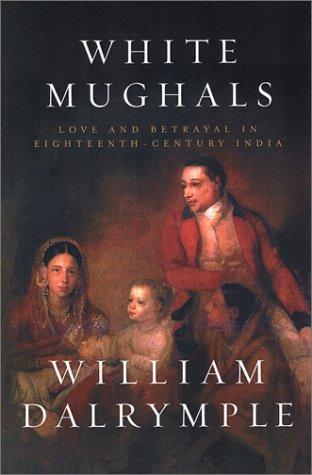
Dalrymple tells the story of a British officer who married a Hyderabadi noblewoman around 1800, when cultures mixed more freely. It’s romantic and fascinating.
6. The Indian Mutiny by Saul David
David tells the story of the 1857 uprising, its causes and the brutal repression that followed. It’s vivid and balanced.
7. Empireland by Sathnam Sanghera
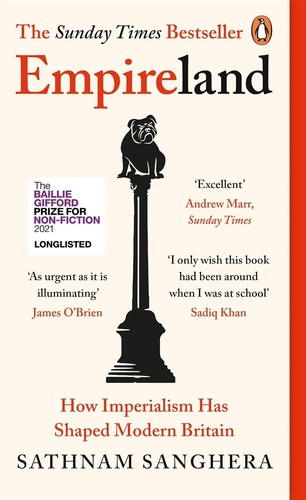
Sanghera explores how the empire, especially India, shaped modern Britain. It’s personal, accessible and timely.
8. Liberty or Death by Patrick French
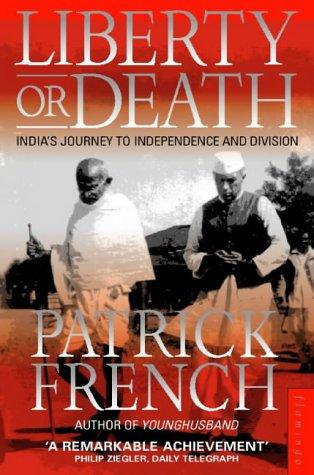
French tells the story of India’s independence movement and the end of the Raj. It’s lively and full of character.
9. An Autobiography by Mahatma Gandhi
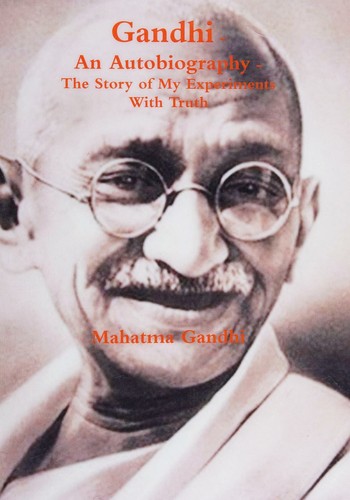
Gandhi’s autobiography, The Story of My Experiments with Truth, covers his life up to the 1920s. It’s honest and revealing.
10. The Discovery of India by Jawaharlal Nehru
Written in prison in 1944, Nehru’s book explores Indian history and his hopes for an independent nation. It’s thoughtful and influential.
11. A Passage to India by E. M. Forster
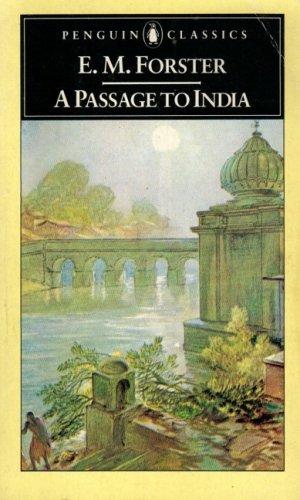
An accusation against an Indian doctor exposes the tensions between British and Indians. Forster’s 1924 novel is subtle and powerful.
12. The Jewel in the Crown by Paul Scott
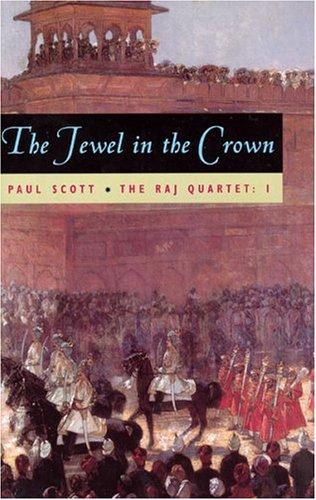
The first book of the Raj Quartet begins with an assault on an Englishwoman in 1942 and its terrible consequences. It inspired a famous TV series.
13. Kim by Rudyard Kipling
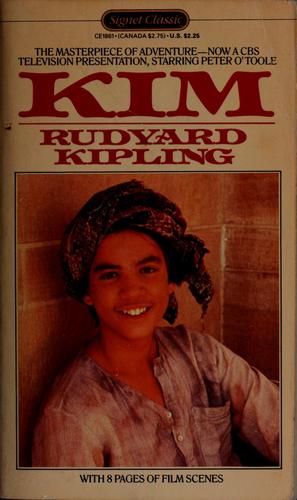
An Irish orphan in Lahore becomes a spy in the “Great Game” between Britain and Russia. Kipling’s novel is colorful and full of life, though it reflects imperial attitudes.
14. The Siege of Krishnapur by J. G. Farrell
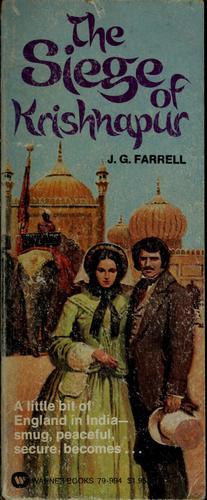
Farrell’s Booker Prize winner follows the British residents of a town besieged in 1857. It’s darkly funny and satirical.
15. Burmese Days by George Orwell
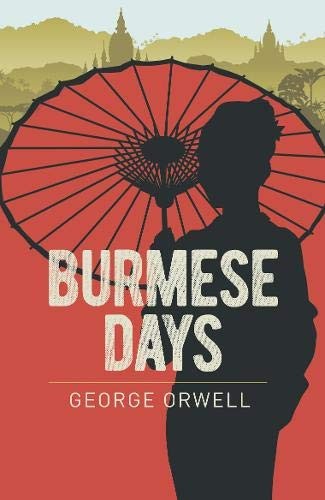
Based on Orwell’s years as a police officer in Burma, then part of British India, this novel exposes the racism of colonial life.
Tips for Reading About the British Raj
- Read more than one view. Tharoor and Lawrence James reach different judgments.
- Start with the Company. The Anarchy explains how it all began.
- Read Indian voices. Gandhi and Nehru wrote about their own struggle.
- Learn about 1857. The uprising changed everything.
- Connect to Partition. The Raj’s end led directly to it.
- Read the novels. Forster and Scott show the human tensions.
Related: best books on the Partition of India and best books on the Mughal Empire.
Frequently Asked Questions
What is the best book about the British Raj?
Inglorious Empire by Shashi Tharoor is the most widely read critique, and Raj by Lawrence James is a detailed full history.
What is the best book about the East India Company?
The Anarchy by William Dalrymple tells how the company conquered much of India.
What is the best novel about British India?
A Passage to India by E. M. Forster and The Jewel in the Crown by Paul Scott are the classics.