
Disclosure: As an Amazon Associate, Bookish Wisdom earns from qualifying purchases. This doesn’t change our picks or your price.
Quick answer: The best books on the Mughal Empire tell the story of the dynasty that ruled much of South Asia from 1526 to 1857. Start with The Mughal Empire by John F. Richards, Emperors of the Peacock Throne by Abraham Eraly, The Baburnama, Daughters of the Sun by Ira Mukhoty and The Last Mughal by William Dalrymple.
In 1526, Babur, a prince from Central Asia descended from both Timur and Genghis Khan, won the Battle of Panipat and founded the Mughal Empire. Under his successors, especially Akbar, Jahangir, Shah Jahan and Aurangzeb, it became one of the richest and most powerful empires in the world, ruling most of the Indian subcontinent. The Mughals built the Taj Mahal, the Red Fort and Fatehpur Sikri, and their court was famous for painting, poetry and splendor. After 1707 the empire declined, and the last emperor was exiled by the British after the uprising of 1857. The books below include the best histories, biographies, memoirs by the emperors themselves and novels. Each pick notes who it suits best, from curious beginners to readers ready for serious scholarship.
Table of Contents
Quick Picks at a Glance
| Book | Author | Type | Best For |
|---|---|---|---|
| The Mughal Empire | John F. Richards | History | The standard history |
| Emperors of the Peacock Throne | Abraham Eraly | Narrative history | The great emperors |
| The Mughal World | Abraham Eraly | Social history | Life in the empire |
| The Baburnama | Babur | Memoir | The founder’s own words |
| Babur | Stephen F. Dale | Biography | The founder |
| Akbar | Ira Mukhoty | Biography | The greatest Mughal |
| Daughters of the Sun | Ira Mukhoty | History | Mughal women |
| Nur Jahan | Ellison Banks Findly | Biography | An empress in power |
| Shah Jahan | Fergus Nicoll | Biography | The builder of the Taj |
| Aurangzeb | Audrey Truschke | Biography | A controversial emperor |
| The Complete Taj Mahal | Ebba Koch | Architecture | The Taj Mahal |
| The Last Mughal | William Dalrymple | Narrative history | The end of the empire |
| The Twentieth Wife | Indu Sundaresan | Historical novel | Romantic historical fiction |
| Raiders from the North | Alex Rutherford | Historical novel | Action lovers |
| The Enchantress of Florence | Salman Rushdie | Novel | Literary fiction fans |
1. The Mughal Empire by John F. Richards
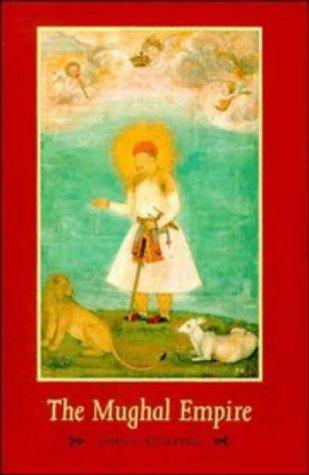
Part of the New Cambridge History of India, Richards’s book explains how the empire was built and governed. It’s concise and authoritative.
2. Emperors of the Peacock Throne by Abraham Eraly
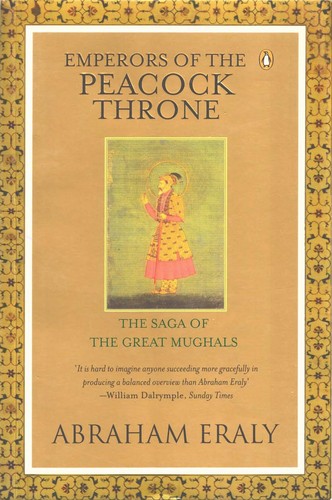
Eraly tells the story of the six great Mughals, from Babur to Aurangzeb, with vivid detail from contemporary sources. It’s long and engrossing.
3. The Mughal World by Abraham Eraly
Eraly describes life under the Mughals, from the court to the villages. It’s a rich companion to his history of the emperors.
4. The Baburnama by Babur
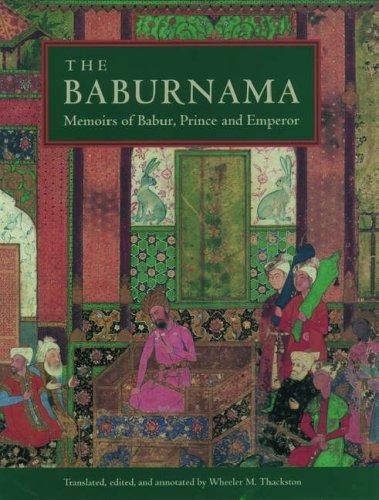
Babur’s memoirs, translated by Wheeler M. Thackston, are frank, funny and full of observations about nature, war and people. They’re one of the great autobiographies.
5. Babur by Stephen F. Dale
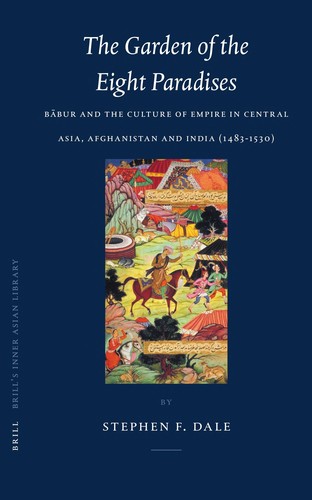
Dale’s short biography explains Babur’s Central Asian world and his conquest of India. It’s clear and well informed.
6. Akbar by Ira Mukhoty
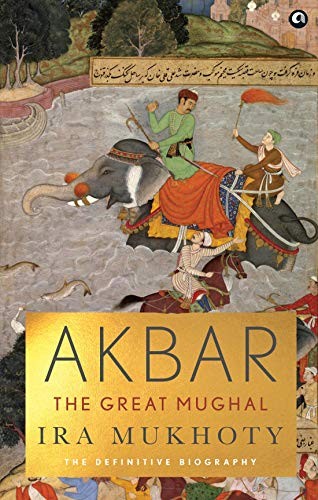
Mukhoty’s biography of Akbar covers his conquests, his religious tolerance and his remarkable court. It’s readable and up to date.
7. Daughters of the Sun by Ira Mukhoty
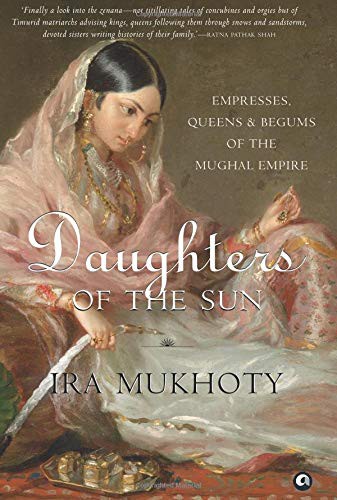
Mukhoty tells the stories of the powerful women of the Mughal court, from Babur’s grandmother to Jahanara. It’s fresh and fascinating.
8. Nur Jahan by Ellison Banks Findly
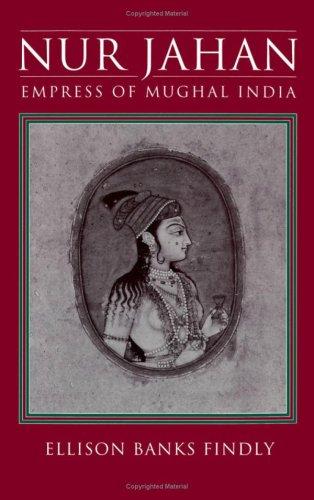
Findly tells the story of Nur Jahan, Jahangir’s wife, who effectively co-ruled the empire. It’s a detailed and engaging biography.
9. Shah Jahan by Fergus Nicoll
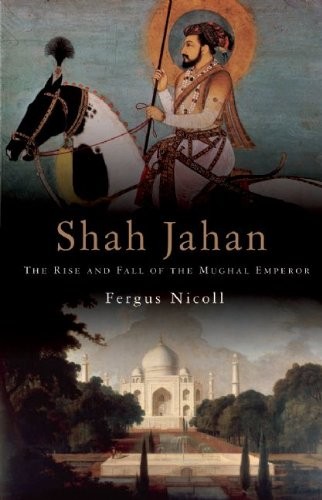
Nicoll’s biography follows the emperor who built the Taj Mahal and was imprisoned by his own son. It’s dramatic and well researched.
10. Aurangzeb by Audrey Truschke
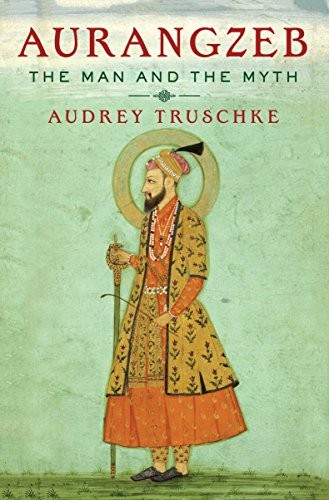
Truschke’s short book challenges popular myths about Aurangzeb, the most debated Mughal ruler. It’s provocative and clear.
11. The Complete Taj Mahal by Ebba Koch
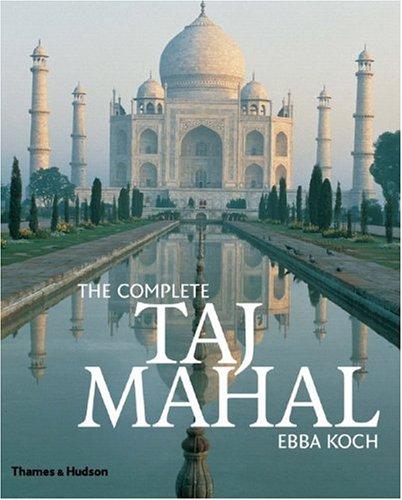
Koch, the leading expert, explains the Taj Mahal’s design, construction and meaning, with superb photographs. It’s the definitive book on the monument.
12. The Last Mughal by William Dalrymple
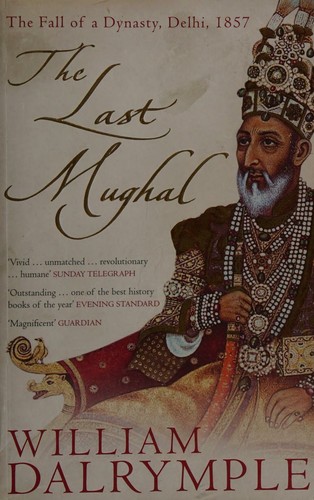
Dalrymple tells the story of Bahadur Shah Zafar, the last emperor, and the siege of Delhi in 1857. It’s vivid and tragic.
13. The Twentieth Wife by Indu Sundaresan
This novel tells the story of Mehrunnisa, who became the empress Nur Jahan. It’s richly detailed and romantic.
14. Raiders from the North by Alex Rutherford
The first book of the Empire of the Moghul series follows Babur’s rise and conquest. It’s fast-paced adventure.
15. The Enchantress of Florence by Salman Rushdie
A mysterious traveler arrives at Akbar’s court with a story that connects Mughal India and Renaissance Florence. It’s playful and dazzling.
Tips for Reading About the Mughals
- Start with Eraly or Richards. One is narrative, the other analytical.
- Read the Baburnama. It’s one of the most personal royal memoirs ever written.
- Learn the six great emperors. Babur, Humayun, Akbar, Jahangir, Shah Jahan and Aurangzeb.
- Read about the women. Mukhoty shows their real power.
- Look at the art. Mughal miniature paintings bring the books to life.
- Visit if you can. Delhi, Agra and Fatehpur Sikri are unforgettable.
Related: best books on the Partition of India and best books on the Silk Road.
Frequently Asked Questions
What is the best book about the Mughal Empire?
The Mughal Empire by John F. Richards is the standard history, and Emperors of the Peacock Throne by Abraham Eraly is a vivid narrative.
Who was the greatest Mughal emperor?
Akbar, who ruled from 1556 to 1605, is usually considered the greatest for his conquests, administration and religious tolerance.
What is a good novel about the Mughals?
The Twentieth Wife by Indu Sundaresan and the Empire of the Moghul series by Alex Rutherford are popular historical novels.