
Disclosure: As an Amazon Associate, Bookish Wisdom earns from qualifying purchases. This doesn’t change our picks or your price.
Quick answer: The best books on the Civil Rights Movement combine sweeping history with first-person courage. Start with Parting the Waters by Taylor Branch, Eyes on the Prize by Juan Williams, Warriors Don’t Cry by Melba Pattillo Beals, March by John Lewis, The Autobiography of Malcolm X and Coming of Age in Mississippi by Anne Moody.
The Civil Rights Movement is often taught as a few famous moments: Rosa Parks on the bus, the March on Washington, the “I Have a Dream” speech. The real story is bigger, messier and more inspiring. It was built by students, sharecroppers, ministers, lawyers and teenagers who risked their lives in towns most of us have never heard of. The books below cover the movement from many angles: big narrative histories, memoirs from people who were there, biographies of overlooked leaders, a graphic memoir for teens and a novel for younger readers. Whether you’re reading for yourself, your book club or your kids, there’s a good starting point here.
Table of Contents
Quick Picks at a Glance
| Book | Author | Type | Best For |
|---|---|---|---|
| Parting the Waters | Taylor Branch | Narrative history | The definitive deep dive |
| Eyes on the Prize | Juan Williams | Overview history | A clear first read |
| Warriors Don’t Cry | Melba Pattillo Beals | Memoir | Teens and families |
| March: Book One | John Lewis | Graphic memoir | Reluctant readers |
| The Autobiography of Malcolm X | Malcolm X and Alex Haley | Autobiography | Understanding Black nationalism |
| Freedom Summer | Bruce Watson | Narrative history | Summer reading |
| Coming of Age in Mississippi | Anne Moody | Memoir | Raw first-hand experience |
| Stride Toward Freedom | Martin Luther King Jr. | First-person history | Hearing King in his own words |
| The Fire Next Time | James Baldwin | Essays | A short, powerful read |
| The Rebellious Life of Mrs. Rosa Parks | Jeanne Theoharis | Biography | Correcting the myths |
| Freedom Riders | Raymond Arsenault | Narrative history | Detail-loving history fans |
| Carry Me Home | Diane McWhorter | Narrative history | Understanding Birmingham |
| Ella Baker and the Black Freedom Movement | Barbara Ransby | Biography | Learning about grassroots organizing |
| Bearing the Cross | David J. Garrow | Biography | A complete life of King |
| The Watsons Go to Birmingham—1963 | Christopher Paul Curtis | Middle-grade novel | Kids ages 9–12 |
1. Parting the Waters by Taylor Branch
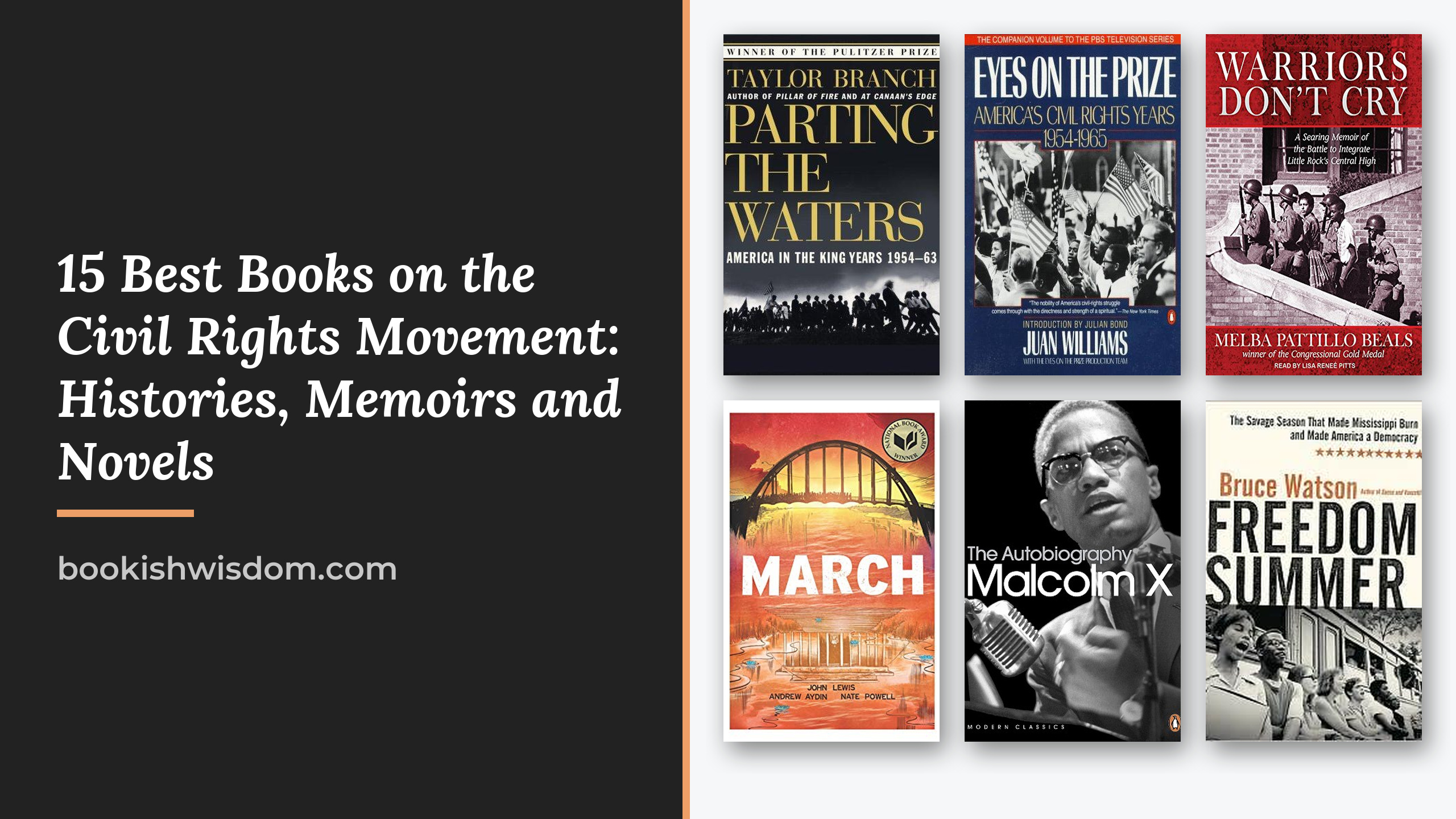
The first volume of Branch’s trilogy on the King years covers 1954 to 1963, from Montgomery to Birmingham. It won the Pulitzer Prize for History and reads like a novel, with a huge cast of activists, politicians and ordinary people. It’s long, but it’s the best single place to understand how the movement grew.
2. Eyes on the Prize by Juan Williams
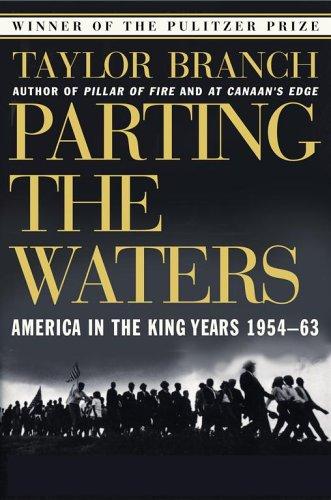
Written as the companion to the landmark PBS documentary series, this book covers 1954 to 1965 in clear, readable chapters with lots of photographs. It’s the ideal overview if you want the big picture before tackling longer histories, and it works well for teens and adults alike.
3. Warriors Don’t Cry by Melba Pattillo Beals
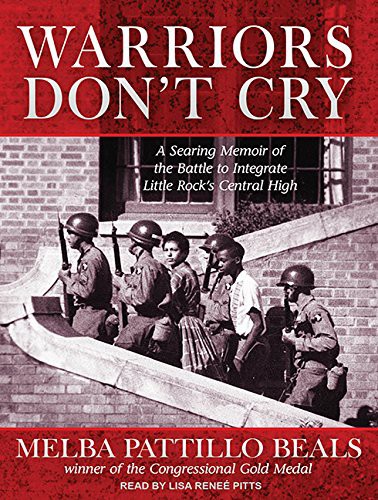
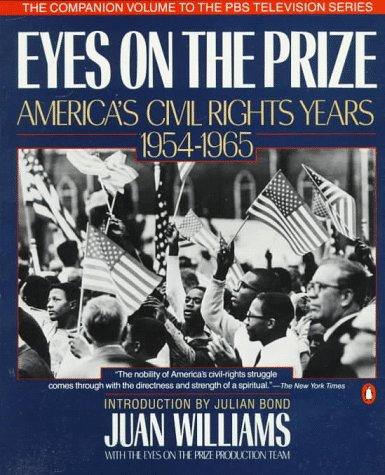
Beals was one of the Little Rock Nine, the Black students who integrated Central High School in Arkansas in 1957. Based on the diary she kept at 15, her memoir describes the daily threats and courage behind the famous photos. It’s gripping and personal, and a favorite for middle and high school readers.
4. March: Book One by John Lewis
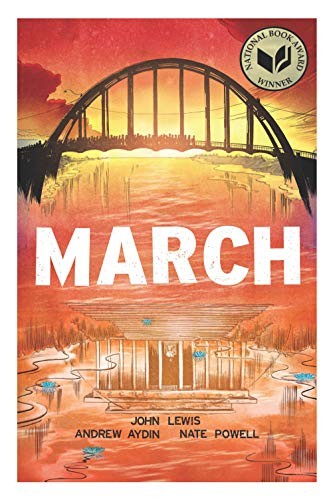
Congressman John Lewis, co-written with Andrew Aydin and illustrated by Nate Powell, tells his story from his Alabama childhood to the lunch counter sit-ins in Nashville. The three-book series later won the National Book Award for Young People’s Literature for Book Three. The art makes history immediate.
5. The Autobiography of Malcolm X by Malcolm X and Alex Haley
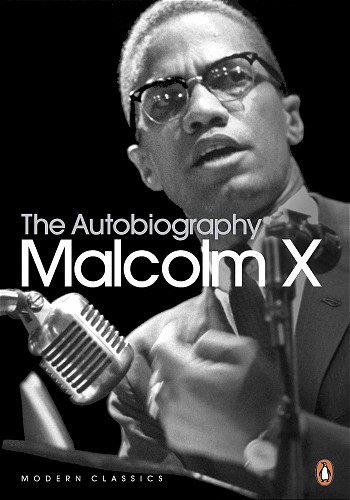
Told to Alex Haley and published in 1965, this classic follows Malcolm X from a troubled youth to prison, the Nation of Islam and his later break with it. It’s essential for understanding a different vision of Black freedom than King’s, and why the two leaders are often compared.
6. Freedom Summer by Bruce Watson
In 1964, hundreds of mostly white college volunteers joined Black Mississippians to register voters and run Freedom Schools. Watson tells the story of that dangerous summer, including the murders of three young activists. It shows how ordinary people changed a nation, and the price some of them paid.
7. Coming of Age in Mississippi by Anne Moody
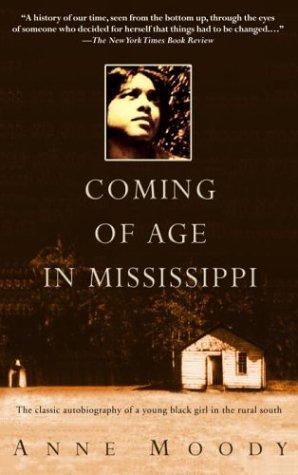
Moody grew up poor in rural Mississippi and became an activist in college, taking part in the famous Woolworth’s sit-in in Jackson in 1963. Her memoir is honest about fear, anger and exhaustion, and it shows the movement from the ground up, not from the podium.
8. Stride Toward Freedom by Martin Luther King Jr.
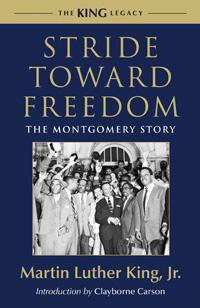
King’s first book tells the story of the Montgomery Bus Boycott of 1955 and 1956, which made him a national figure. He explains how the boycott was organized and why he chose nonviolent resistance. It’s a short, powerful way to meet King as a thinker and organizer.
9. The Fire Next Time by James Baldwin
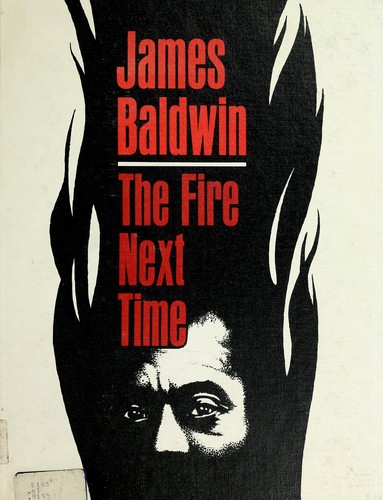
Published in 1963, Baldwin’s two essays on race, faith and America became a bestseller and a landmark of the era. They’re brief, fiery and beautifully written, and they still feel urgent today. Read it in an afternoon; think about it for years.
10. The Rebellious Life of Mrs. Rosa Parks by Jeanne Theoharis
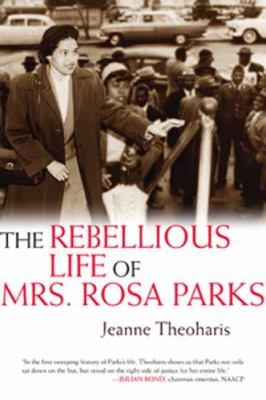
Rosa Parks is often remembered as a tired seamstress who simply wouldn’t stand up. Theoharis shows a lifelong activist who investigated sexual violence, worked for the NAACP and kept fighting in Detroit for decades. It’s a revealing biography that changes how you see a familiar story.
11. Freedom Riders by Raymond Arsenault
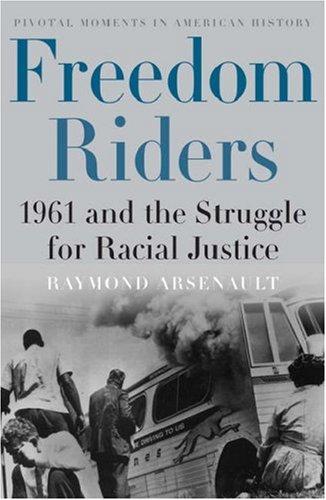
In 1961, Black and white activists rode buses through the South to test laws against segregated travel, and they were beaten and jailed. Arsenault’s thorough history inspired a PBS documentary and shows how a few hundred riders forced the federal government to act.
12. Carry Me Home by Diane McWhorter
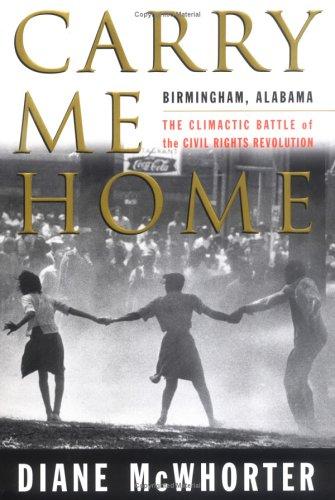
McWhorter grew up in a white Birmingham family and wrote this Pulitzer Prize-winning account of the city’s battles in 1963, including the children’s marches and the church bombing that killed four girls. It’s dense but gripping, and it’s honest about the people who stood in the movement’s way.
13. Ella Baker and the Black Freedom Movement by Barbara Ransby
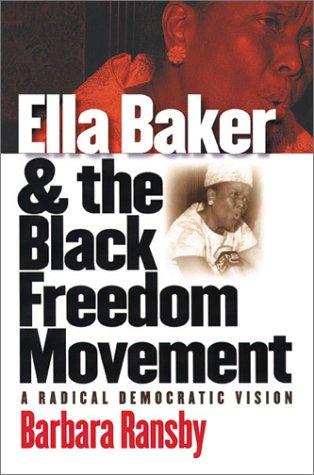
Ella Baker helped found the Student Nonviolent Coordinating Committee and believed in strong people, not strong leaders. Ransby’s biography shows how Baker mentored a generation of young activists. It’s a great read if you want to understand how the movement was organized behind the scenes.
14. Bearing the Cross by David J. Garrow
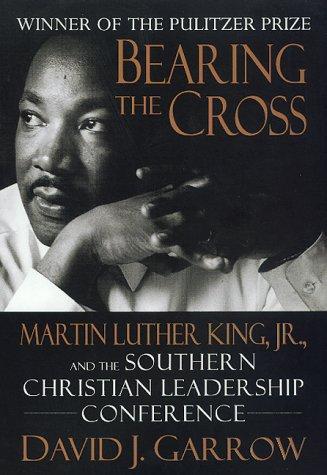
This Pulitzer Prize-winning biography follows Martin Luther King Jr. and the Southern Christian Leadership Conference from Montgomery to his assassination in 1968. Garrow shows King as a human being: brilliant, doubtful, exhausted and determined. It’s long but rewarding.
15. The Watsons Go to Birmingham—1963 by Christopher Paul Curtis
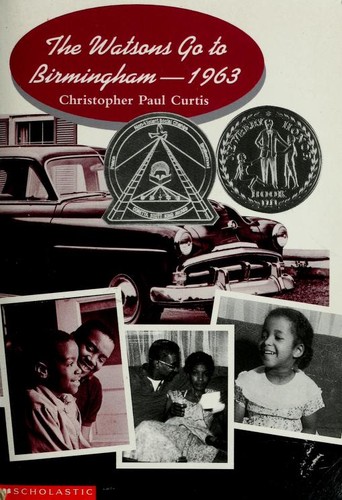
A funny, warm family from Michigan drives to Alabama to visit Grandma and arrives during one of the movement’s darkest moments. Curtis’s Newbery Honor novel is a gentle but honest way to introduce kids to the era, and it’s great as a family read-aloud.
Tips for Reading About the Civil Rights Movement
- Start with an overview. Eyes on the Prize or the PBS series gives you the timeline before you dive into longer books.
- Mix voices. Pair a big history with a memoir like Coming of Age in Mississippi to see events from the ground.
- Look beyond King. Read about Ella Baker, Fannie Lou Hamer, Bayard Rustin and local organizers.
- Read with kids. March and The Watsons Go to Birmingham open great family conversations.
- Visit a museum or site, like the National Civil Rights Museum in Memphis or the Edmund Pettus Bridge in Selma.
- Connect to today. Talk about which issues from the 1960s are still being fought.
Related: 15 Best Books on the Spanish Civil War: Histories, Memoirs and Novels · 15 Best Books on the American Civil War: Histories, Memoirs and Novels
Frequently Asked Questions
What is the best book about the Civil Rights Movement?
Parting the Waters by Taylor Branch is widely considered the best in-depth history, while Eyes on the Prize by Juan Williams is a shorter, clearer overview.
What is a good Civil Rights book for teens?
Warriors Don’t Cry by Melba Pattillo Beals and the March graphic memoirs by John Lewis are both excellent, true and gripping for teens.
What is a good Civil Rights book for kids?
The Watsons Go to Birmingham—1963 by Christopher Paul Curtis is a funny, moving novel for ages 9 to 12 that introduces the era gently.