
Disclosure: As an Amazon Associate, Bookish Wisdom earns from qualifying purchases. This doesn’t change our picks or your price.
Quick answer: The best books on the Harlem Renaissance include the era’s own masterpieces and the histories that explain them. Start with When Harlem Was in Vogue by David Levering Lewis, The New Negro edited by Alain Locke, Their Eyes Were Watching God by Zora Neale Hurston, Passing by Nella Larsen, Cane by Jean Toomer and The Big Sea by Langston Hughes.
In the 1920s and early 1930s, Harlem became the center of an explosion of Black art, writing, music and ideas. Writers like Langston Hughes, Zora Neale Hurston, Claude McKay and Nella Larsen created work that still shapes American literature, and they argued fiercely about what Black art should be. The best way to understand the Harlem Renaissance is to read both the books it produced and the histories and biographies that put them in context. This list does both, with novels, poetry, memoirs, essays and history, plus a lively illustrated history for teens.
Table of Contents
Quick Picks at a Glance
| Book | Author | Type | Best For |
|---|---|---|---|
| When Harlem Was in Vogue | David Levering Lewis | History | The essential overview |
| The New Negro | Alain Locke | Anthology | Reading the era’s own voices |
| Their Eyes Were Watching God | Zora Neale Hurston | Novel | A beloved classic |
| Passing | Nella Larsen | Novel | Book clubs |
| Cane | Jean Toomer | Experimental fiction and poetry | Literary readers |
| The Big Sea | Langston Hughes | Autobiography | Meeting the movement’s star |
| Home to Harlem | Claude McKay | Novel | Seeing the nightlife |
| Color | Countee Cullen | Poetry | Poetry lovers |
| The Blacker the Berry | Wallace Thurman | Novel | Exploring colorism |
| Plum Bun | Jessie Redmon Fauset | Novel | Readers who loved Passing |
| Black Manhattan | James Weldon Johnson | History | Understanding Harlem’s roots |
| The New Negro: The Life of Alain Locke | Jeffrey C. Stewart | Biography | Serious history readers |
| Wrapped in Rainbows | Valerie Boyd | Biography | Hurston fans |
| Harlem Renaissance | Nathan Irvin Huggins | Cultural history | Academic depth |
| Harlem Stomp! | Laban Carrick Hill | Illustrated history | Teens |
1. When Harlem Was in Vogue by David Levering Lewis
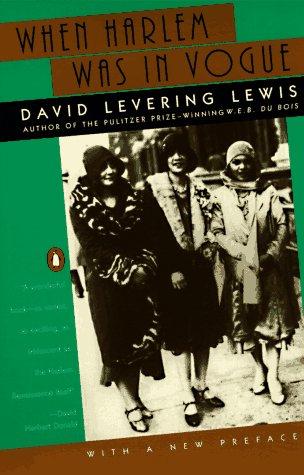
Lewis’s classic history follows the Renaissance from its start after World War I to its decline in the Depression. He brings the parties, rivalries, patrons and publishing deals to life, and he explains why the movement mattered. It’s the best single book to start with.
2. The New Negro by Alain Locke
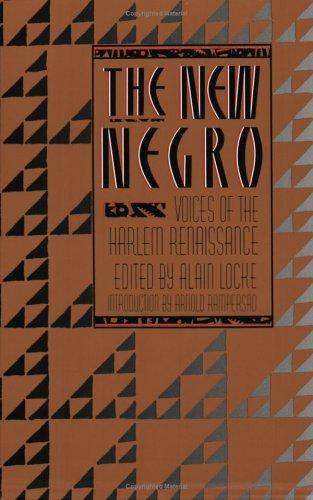
Published in 1925, this anthology is often called the movement’s manifesto. It gathers fiction, poetry, essays and art by Hughes, Hurston, Countee Cullen, Jean Toomer and others, introduced by Locke’s famous essay on a new Black identity. It’s a window into what the writers hoped to achieve.
3. Their Eyes Were Watching God by Zora Neale Hurston
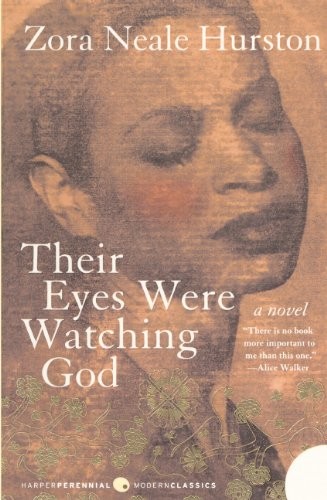
Hurston’s 1937 novel follows Janie Crawford’s search for love and independence through three marriages in Florida. Its rich dialect and poetic voice were underappreciated at the time but are celebrated today. It’s one of the most loved novels by a writer of the Renaissance.
4. Passing by Nella Larsen
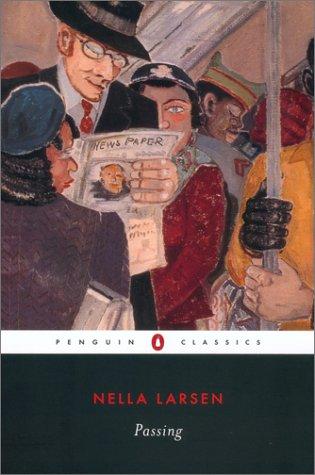
In this short 1929 novel, two light-skinned Black women who grew up together meet again in Chicago. One lives in Harlem’s Black society; the other is passing as white and married to a racist. It’s tense, subtle and perfect for discussion. A 2021 film adaptation stars Tessa Thompson and Ruth Negga.
5. Cane by Jean Toomer
Toomer’s 1923 book mixes poems, sketches and a play into a portrait of Black life in rural Georgia and the urban North. It inspired many younger writers and is still one of the most original books of the era. It’s short but rich, so read it slowly.
6. The Big Sea by Langston Hughes
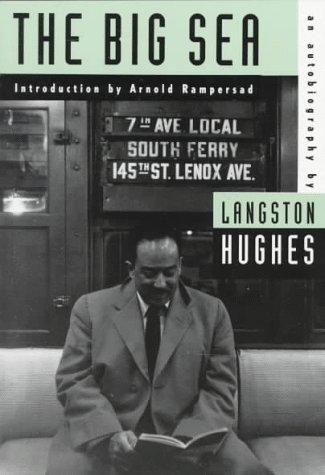
Hughes’s 1940 autobiography covers his early life, travels as a sailor and his years at the heart of the Renaissance. His chapter about Harlem in the 1920s, “Black Renaissance,” is a lively insider’s account of the parties, rent parties and personalities.
7. Home to Harlem by Claude McKay
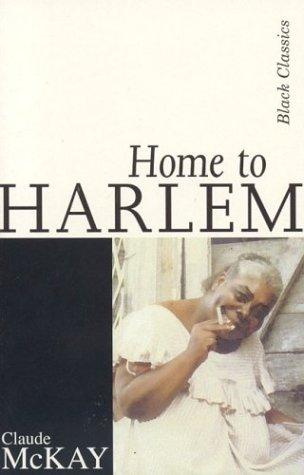
McKay’s 1928 bestseller follows Jake, a Black soldier who returns from World War I to Harlem’s cabarets and streets. Some leaders criticized its frank portrayal of nightlife, which makes it a great window into the arguments about how Black life should be shown.
8. Color by Countee Cullen
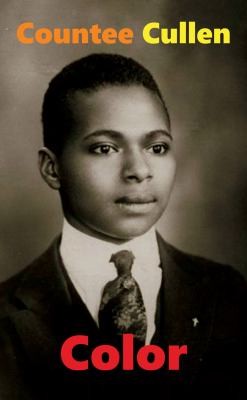
Cullen was one of the most celebrated poets of the era, and this 1925 debut includes “Heritage” and “Incident.” His formal, lyrical style differed from Hughes’s jazz rhythms, and comparing the two is a great way to see the variety of voices in the movement.
9. The Blacker the Berry by Wallace Thurman
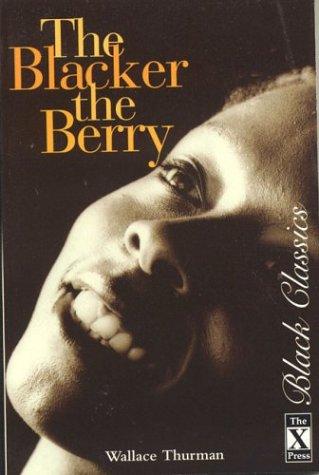
Thurman’s 1929 novel follows Emma Lou Morgan, a dark-skinned young woman who faces prejudice within her own community as she moves from Idaho to Los Angeles to Harlem. It was one of the first novels to deal openly with colorism, and it still sparks discussion.
10. Plum Bun by Jessie Redmon Fauset
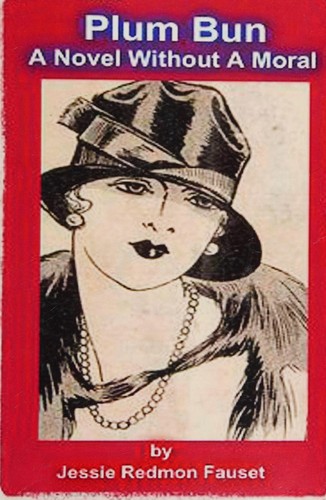
Fauset was the literary editor of The Crisis and helped launch many writers’ careers. In this 1928 novel, an art student in Philadelphia decides to pass as white in New York. It explores race, gender and ambition, and pairs well with Larsen’s Passing.
11. Black Manhattan by James Weldon Johnson
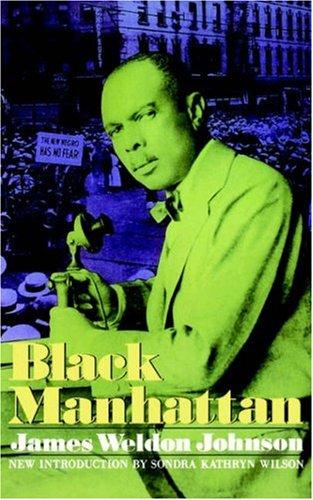
Johnson, a poet, diplomat and NAACP leader, wrote this 1930 history of Black life in New York from colonial times to the Renaissance. It shows how Harlem became a Black capital, written by a man who lived through much of it.
12. The New Negro: The Life of Alain Locke by Jeffrey C. Stewart
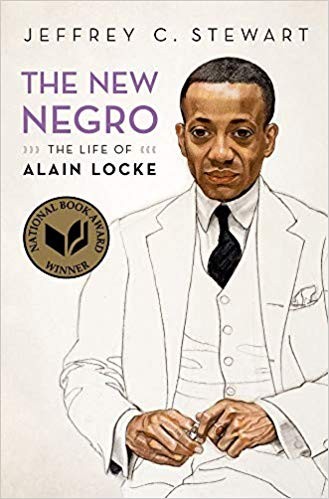
Stewart’s Pulitzer Prize-winning biography of Alain Locke, the philosopher who championed the movement, is a huge but rewarding book. It shows how Locke’s ideas, connections and private life shaped the Renaissance, and how much he struggled to be accepted.
13. Wrapped in Rainbows by Valerie Boyd
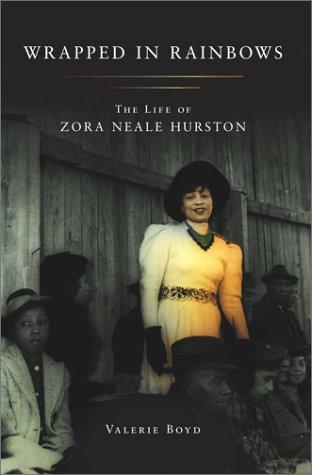
Boyd’s biography of Zora Neale Hurston follows her from all-Black Eatonville, Florida, to Harlem’s literary scene, anthropological fieldwork in the South and Caribbean, and her later years of poverty and obscurity. It’s warm and lively, much like Hurston herself.
14. Harlem Renaissance by Nathan Irvin Huggins
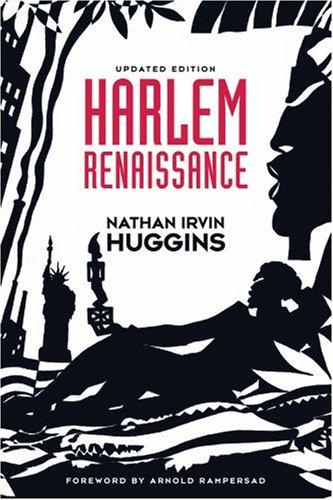
Huggins’s 1971 study was one of the first serious histories of the movement. He looks at its achievements and limits, including its reliance on white patrons. It’s a little academic, but it’s a classic of the field and still widely cited.
15. Harlem Stomp! by Laban Carrick Hill
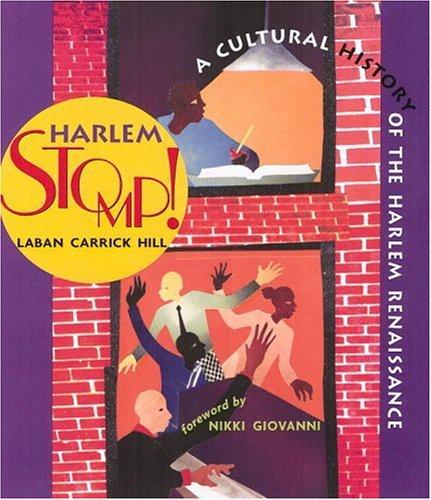
This lively illustrated history, a National Book Award finalist, introduces teens to the writers, musicians, artists and nightlife of the era. Packed with photographs, poems and art, it’s a great first book for young readers and a fun browse for adults too.
Tips for Reading the Harlem Renaissance
- Read the writers themselves. Start with Hughes’s poems, Passing or Their Eyes Were Watching God before the histories.
- Listen while you read. Play Duke Ellington, Bessie Smith or Louis Armstrong to feel the era.
- Look at the art. Search for Aaron Douglas and Augusta Savage to see the movement’s visual side.
- Notice the debates. Writers argued about whether art should uplift or tell the truth; spot those debates in each book.
- Pair novels for book clubs. Passing and Plum Bun make a great double feature.
- Read poetry aloud. Hughes and Cullen sound best spoken.
Related: the best books on the Civil Rights Movement and the best classic books for book clubs.
Frequently Asked Questions
What is the best book about the Harlem Renaissance?
When Harlem Was in Vogue by David Levering Lewis is the classic history, and The New Negro, edited by Alain Locke, is the best collection of the era’s own writing.
Who were the main writers of the Harlem Renaissance?
Key writers include Langston Hughes, Zora Neale Hurston, Claude McKay, Countee Cullen, Nella Larsen, Jean Toomer, Jessie Redmon Fauset and Wallace Thurman.
When was the Harlem Renaissance?
It’s usually dated from about 1918 to the mid-1930s, peaking in the 1920s.