

China’s rich and complex history spans thousands of years, filled with dynasties, revolutions, cultural achievements, and transformative events that shaped not only the nation but the entire world. Whether you’re a history enthusiast, student, or simply curious about this fascinating civilization, finding the best books on the history of china can be overwhelming given the vast selection available. This carefully curated list presents fifteen exceptional works that offer comprehensive insights into Chinese history, from ancient times to the modern era, ensuring you’ll discover the perfect book to satisfy your curiosity and expand your knowledge.
Table of Contents
1. The Search for Modern China by Jonathan D. Spence
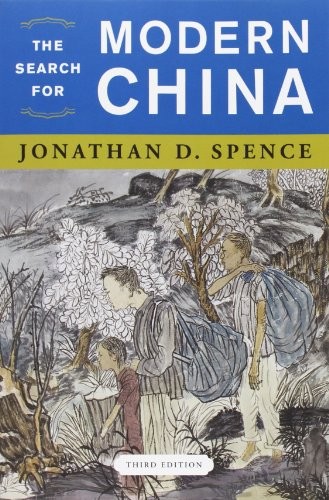
Jonathan Spence’s masterpiece stands as one of the most comprehensive and accessible introductions to Chinese history from the Ming Dynasty to the present day. This book expertly weaves together political, social, and cultural narratives to create a vivid portrait of China’s transformation over four centuries. Spence’s engaging writing style makes complex historical events understandable without sacrificing scholarly depth. The book covers crucial periods including the Qing Dynasty, the Republican era, and the Communist revolution, making it an essential read for anyone seeking to understand modern China’s foundations.
2. The Silk Roads by Peter Frankopan
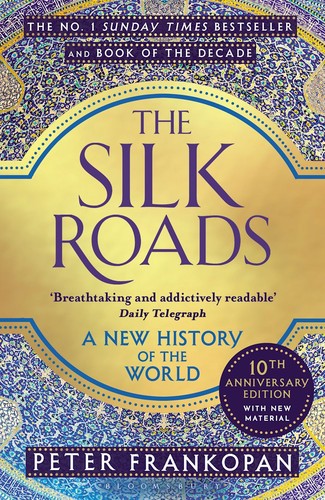
While not exclusively about China, Frankopan’s groundbreaking work places Chinese civilization at the center of global trade and cultural exchange throughout history. This book revolutionizes how we understand China’s role in world history, showing how the ancient trade routes connected East and West for millennia. The author demonstrates China’s central importance in global commerce, technology transfer, and cultural diffusion. Readers gain a fresh perspective on Chinese history within the broader context of world civilization, making this one of the best books on the history of china for understanding its global significance.
3. Wild Swans by Jung Chang
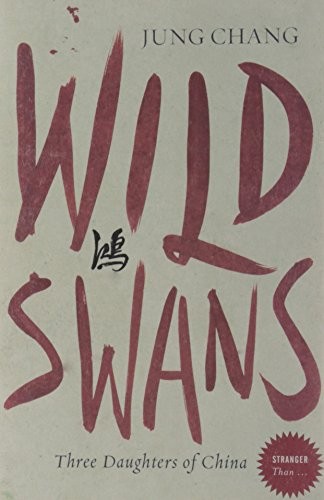
This powerful memoir traces three generations of Chinese women through the tumultuous twentieth century, offering an intimate look at how major historical events affected ordinary people. Jung Chang’s personal family story illuminates the experiences of life under warlords, Japanese occupation, civil war, and Mao’s China. The book provides emotional depth to historical events that might otherwise seem abstract, making readers feel the human cost of political upheaval. Through personal narrative, readers gain profound insights into Chinese society, culture, and the impact of political decisions on individual lives.
4. The Party by Richard McGregor
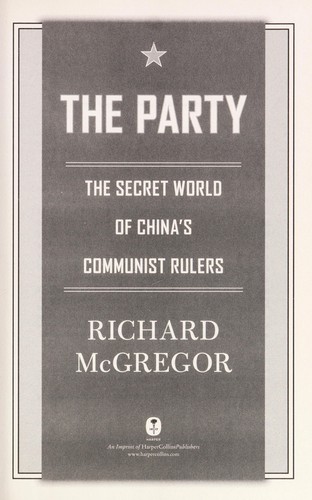
McGregor provides an unprecedented look inside the Chinese Communist Party, explaining how this organization has maintained power and adapted to changing circumstances since 1949. The book reveals the inner workings of China’s political system, showing how the Party controls every aspect of Chinese society while remaining largely invisible to outsiders. Through extensive research and interviews, McGregor demystifies contemporary Chinese politics and governance. This work is essential for understanding how historical events shaped modern China’s unique political system and continues to influence the nation’s development.
5. Red Star Over the Third World by Vijay Prashad
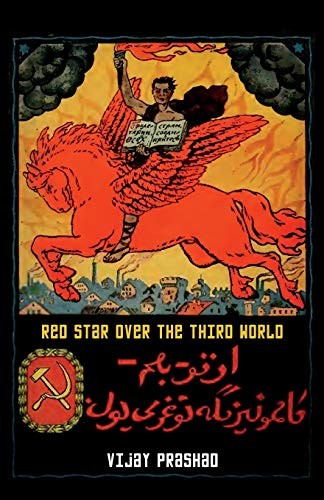
Prashad examines China’s influence on global revolutionary movements and decolonization efforts throughout the twentieth century. This book explores how Chinese communist ideology and practices inspired liberation movements across Africa, Asia, and Latin America. The author demonstrates China’s role as a model for developing nations seeking alternatives to Western capitalism and Soviet communism. Readers discover how Chinese history extends beyond national boundaries to influence global political movements, making this an important addition to any collection of the best books on the history of china.
6. The Rape of Nanking by Iris Chang
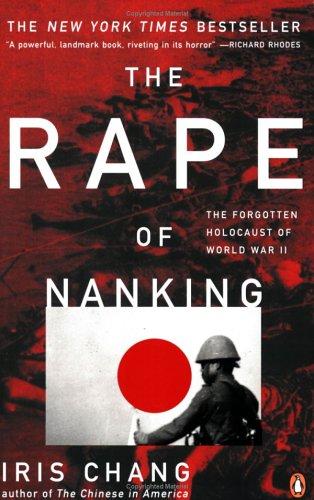
Chang’s meticulously researched work documents one of the most horrific episodes in Chinese history during the Japanese invasion of 1937. The book combines historical documentation with survivor testimonies to create a comprehensive account of the Nanking Massacre. Chang’s investigation reveals not only the events themselves but also the decades-long effort to suppress this history. This powerful work demonstrates the importance of historical memory and the ongoing impact of wartime atrocities on Chinese national consciousness and Sino-Japanese relations.
7. The Analects by Confucius
No understanding of Chinese history is complete without reading the foundational text of Confucianism, which has shaped Chinese thought and society for over two millennia. The Analects presents Confucius’s teachings on ethics, morality, politics, and social relationships that became central to Chinese civilization. These ancient wisdom sayings continue to influence Chinese culture, education, and governance today. Modern translations make these timeless teachings accessible to contemporary readers, providing essential context for understanding Chinese values and social structures throughout history.
8. Factory Girls by Leslie Chang

Chang follows young women migrating from rural villages to work in China’s manufacturing cities, illustrating the human side of China’s economic transformation. This book captures the massive internal migration that has reshaped Chinese society since economic reforms began in the 1980s. Through personal stories, readers understand how rapid industrialization affects individuals and families across China. The work provides crucial insights into contemporary Chinese social changes while connecting them to broader historical patterns of migration and economic development.
9. The Cultural Revolution by Frank Dikötter
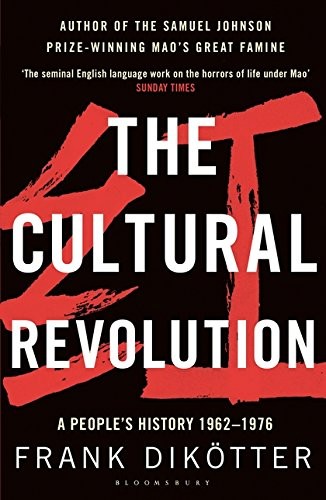
Dikötter’s comprehensive analysis of China’s Cultural Revolution draws on newly available archival materials to provide the most complete picture of this chaotic decade. The book reveals the extent of violence, social upheaval, and economic disruption that occurred between 1962 and 1976. Through meticulous research, Dikötter shows how this period affected every level of Chinese society, from political leaders to ordinary citizens. This work is essential for understanding how the Cultural Revolution’s legacy continues to influence contemporary China and remains one of the most important periods in modern Chinese history.
10. The Great Wall by Julia Lovell
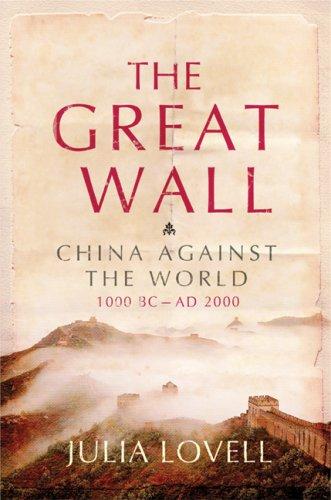
Lovell’s fascinating exploration goes beyond the physical structure to examine the Great Wall’s role in Chinese history, politics, and cultural identity. The book traces how different dynasties built, rebuilt, and used various wall systems for defense, control, and symbolic purposes. Lovell reveals how the Great Wall became a powerful symbol of Chinese civilization while examining the human cost of its construction. This work demonstrates how physical monuments reflect broader historical themes and continue to shape national identity, making it a unique addition to collections of best books on the history of china.
11. River Town by Peter Hessler
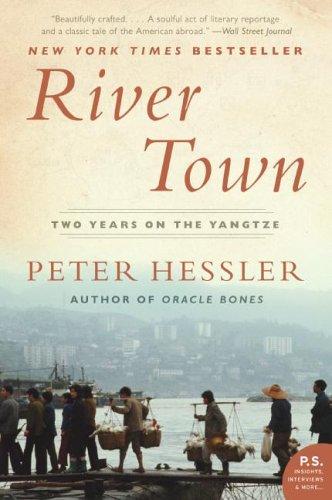
Hessler’s memoir of teaching English in a small Yangtze River city provides intimate insights into contemporary Chinese life and culture. Through daily interactions with students and residents, the book reveals how ordinary Chinese people navigate rapid social and economic changes. Hessler’s observations illuminate the tension between traditional values and modern aspirations in post-reform China. The work offers valuable perspectives on how historical changes affect local communities and individual lives, providing readers with a ground-level view of China’s ongoing transformation.
12. The Tiananmen Papers by Zhang Liang
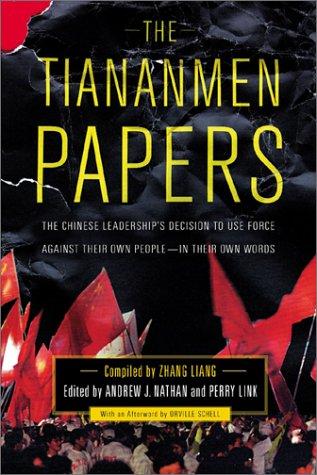
This controversial collection of internal Chinese government documents provides unprecedented insights into the decision-making process during the 1989 Tiananmen Square protests. The papers reveal debates among Chinese leaders about how to respond to student demonstrations and pro-democracy movements. Through official communications, readers gain understanding of the political dynamics that led to the violent crackdown on June 4, 1989. This book offers crucial documentation of a pivotal moment in modern Chinese history that continues to influence China’s political development and international relations.
13. The Dragon’s Gift by Deborah Brautigam
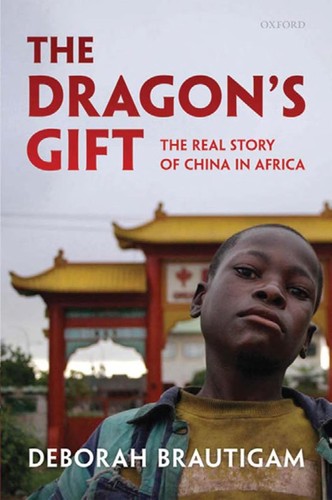
Brautigam examines China’s growing economic engagement with Africa, placing contemporary developments within the broader context of Chinese foreign policy history. The book analyzes how China’s approach to international development differs from Western models and reflects Chinese historical experiences. Through detailed case studies, readers understand how China’s own development history influences its international relationships. This work demonstrates how Chinese history continues to shape global affairs and provides insights into China’s emerging role as a world power.
14. Oracle Bones by Peter Hessler
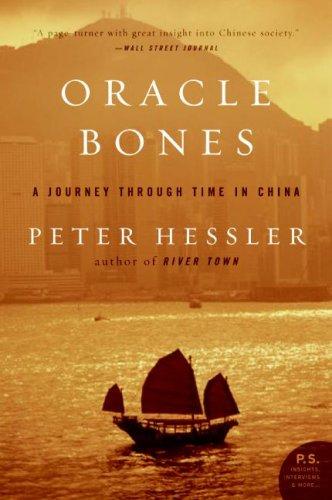
Hessler’s second book about China explores the connections between ancient Chinese civilization and contemporary society through the lens of archaeological discoveries. The book follows characters including archaeologists, migrant workers, and students to show how China’s past continues to influence its present. Through engaging storytelling, Hessler demonstrates how historical artifacts and ancient writing systems remain relevant to modern Chinese identity. This unique approach to Chinese history shows how archaeological discoveries contribute to our understanding of Chinese civilization and its continuity across millennia.
15. The Age of Ambition by Evan Osnos

Osnos captures the aspirations, contradictions, and rapid changes characterizing contemporary China through profiles of individuals pursuing success in the post-Mao era. The book examines how economic reforms have created new opportunities while generating social tensions and inequality. Through personal stories, readers understand how historical changes translate into individual experiences and choices. This work provides essential context for understanding how China’s historical transformation continues to unfold, making it a valuable conclusion to any study of Chinese history and an excellent example of the best books on the history of china available today.
Conclusion
These fifteen exceptional works represent the finest scholarship and storytelling about Chinese history available to contemporary readers. From ancient philosophy to modern politics, from personal memoirs to comprehensive surveys, these best books on the history of china offer diverse perspectives on one of the world’s most fascinating civilizations. Each book contributes unique insights while collectively providing a comprehensive understanding of how China developed from ancient empire to modern global power.
Whether you’re beginning your exploration of Chinese history or seeking to deepen existing knowledge, these carefully selected titles ensure you’ll find engaging, informative, and thought-provoking reading. The combination of scholarly rigor and accessible writing makes these books suitable for students, educators, and general readers alike. By reading these works, you’ll gain appreciation for China’s complexity, understand its historical development, and develop insights into how the past continues to shape contemporary events.
The diversity of approaches represented in this collection ensures that every reader will find books that match their interests and learning style. From sweeping historical narratives to intimate personal accounts, from ancient texts to contemporary analysis, these titles collectively provide the comprehensive foundation needed to understand Chinese civilization. Start with any book that captures your interest, and let your curiosity guide you through this remarkable journey of discovery into one of humanity’s greatest civilizations.