
Disclosure: As an Amazon Associate, Bookish Wisdom earns from qualifying purchases. This doesn’t change our picks or your price.
Quick answer: The best books on the Holocaust include survivors’ memoirs, careful histories and powerful novels. Start with Night by Elie Wiesel, The Diary of a Young Girl by Anne Frank, Man’s Search for Meaning by Viktor E. Frankl, Maus by Art Spiegelman, Survival in Auschwitz by Primo Levi and The Boy on the Wooden Box by Leon Leyson.
During the Holocaust, Nazi Germany and its collaborators murdered six million Jews, along with millions of others, including Roma, disabled people, Poles and Soviet prisoners. Reading about it is painful, but it matters: survivors’ voices keep the memory alive as the last witnesses pass away, and history helps us understand how ordinary societies can turn to genocide. The books below include essential memoirs, histories that explain how it happened, books for younger readers and a few acclaimed novels. Read with care, take breaks when you need them, and talk about what you read.
Table of Contents
Quick Picks at a Glance
| Book | Author | Type | Best For |
|---|---|---|---|
| Night | Elie Wiesel | Memoir | The essential first read |
| The Diary of a Young Girl | Anne Frank | Diary | Teens and families |
| Man’s Search for Meaning | Viktor E. Frankl | Memoir and psychology | Readers looking for meaning |
| Maus | Art Spiegelman | Graphic memoir | Readers of all kinds |
| Survival in Auschwitz | Primo Levi | Memoir | Literary readers |
| The Boy on the Wooden Box | Leon Leyson | Memoir | Ages 10 and up |
| The Choice | Edith Eger | Memoir | Readers interested in healing |
| Number the Stars | Lois Lowry | Middle-grade novel | Ages 9–12 |
| The Book Thief | Markus Zusak | Novel | Teens and book clubs |
| We Were the Lucky Ones | Georgia Hunter | Novel | Fans of family sagas |
| The Nazi Officer’s Wife | Edith Hahn Beer | Memoir | Surprising true stories |
| Ordinary Men | Christopher R. Browning | History | Understanding perpetrators |
| The Holocaust: A New History | Laurence Rees | History | A complete history |
| Eichmann in Jerusalem | Hannah Arendt | Reporting and philosophy | Thinkers |
| The Librarian of Auschwitz | Antonio Iturbe | Novel | Teens and adults |
1. Night by Elie Wiesel
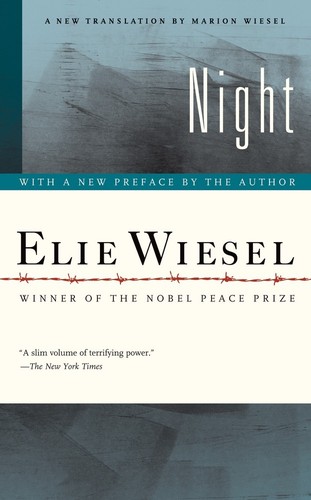
Wiesel was 15 when he and his family were deported from Sighet to Auschwitz in 1944. His short memoir describes the camps, his struggle to survive with his father and the loss of his faith. It’s devastating, brief and essential.
2. The Diary of a Young Girl by Anne Frank
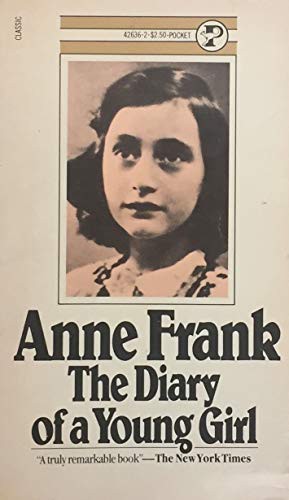
Anne Frank kept a diary while hiding with her family in a secret annex in Amsterdam from 1942 to 1944. Funny, thoughtful and hopeful, it ends abruptly with their arrest. She died in Bergen-Belsen in 1945. It’s one of the most read books in the world.
3. Man’s Search for Meaning by Viktor E. Frankl
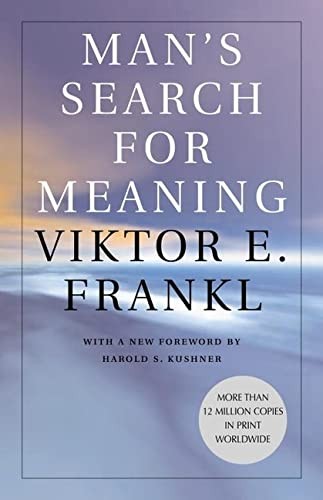
Frankl, a psychiatrist, survived several camps, including Auschwitz. In the first part of this short book, he describes camp life; in the second, he explains his theory that finding meaning helps people endure suffering. It has helped millions of readers.
4. Maus by Art Spiegelman
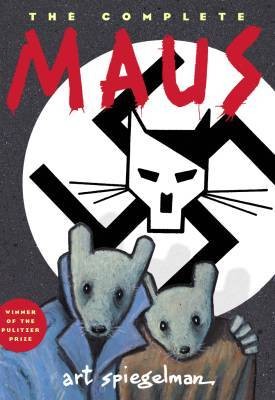
Spiegelman tells the story of his father, Vladek, a Polish Jew who survived Auschwitz, drawing Jews as mice and Nazis as cats. It’s also about the strained relationship between father and son. It won a special Pulitzer Prize in 1992.
5. Survival in Auschwitz by Primo Levi
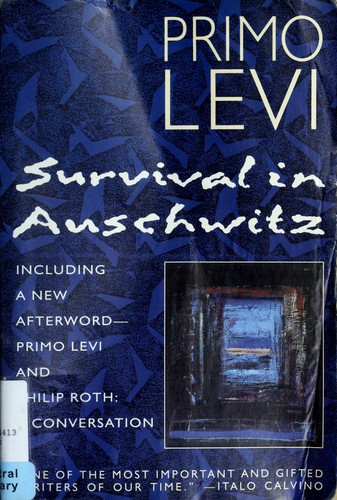
Levi, an Italian chemist, was deported to Auschwitz in 1944. His memoir (also published as If This Is a Man) describes daily life in the camp with precision and clarity. It’s one of the most important books about the Holocaust ever written.
6. The Boy on the Wooden Box by Leon Leyson
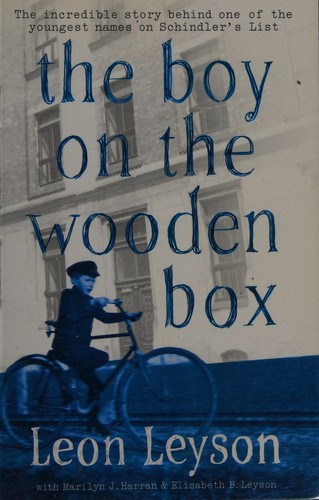
Leyson was one of the youngest people saved by Oskar Schindler; he had to stand on a box to reach the machines in Schindler’s factory. His memoir for young readers is honest and hopeful, a gentle but truthful introduction for middle schoolers.
7. The Choice by Edith Eger
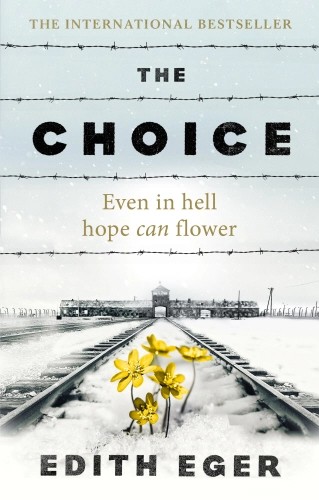
Eger was sent to Auschwitz as a teenage ballet dancer and was forced to dance for Josef Mengele. She later became a psychologist in the United States. Her memoir is about survival and the long work of healing from trauma.
8. Number the Stars by Lois Lowry
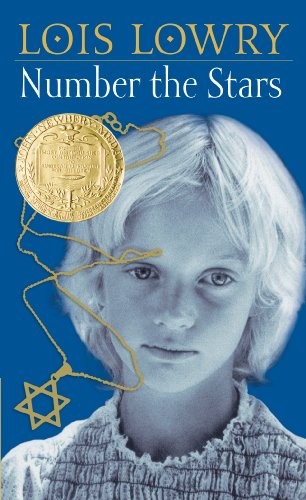
In 1943, 10-year-old Annemarie helps her Jewish best friend’s family escape from occupied Denmark to Sweden. Lowry’s Newbery Medal winner is based on the real rescue of Denmark’s Jews. It’s suspenseful and a great first book about the Holocaust.
9. The Book Thief by Markus Zusak
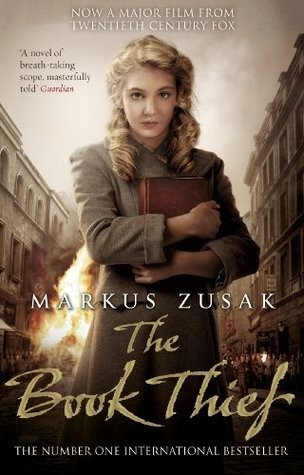
Narrated by Death, this novel follows Liesel, a German girl who steals books and whose foster family hides a Jewish man in their basement. It’s moving, original and one of the most beloved novels set in Nazi Germany.
10. We Were the Lucky Ones by Georgia Hunter
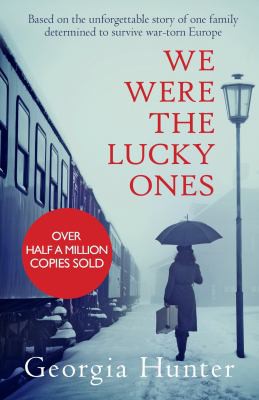
Based on the author’s own family, this novel follows a Polish Jewish family scattered across the world by the war as they fight to survive and find each other. It was adapted into a 2024 Hulu series.
11. The Nazi Officer’s Wife by Edith Hahn Beer
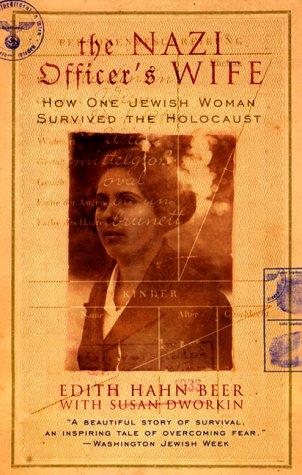
Edith Hahn, a Jewish law student in Vienna, survived by living under a false identity and marrying a Nazi Party member who knew her secret. Her memoir is a gripping, complicated story of survival in hiding in plain sight.
12. Ordinary Men by Christopher R. Browning
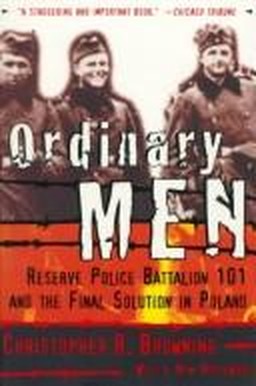
Browning studies a unit of middle-aged German policemen who shot tens of thousands of Jews in Poland in 1942. Most were not fanatical Nazis. It’s a chilling, essential book about how ordinary people become killers.
13. The Holocaust: A New History by Laurence Rees
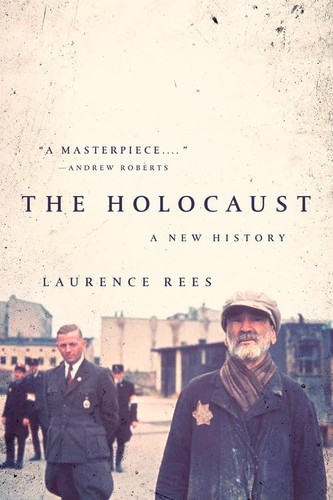
Rees, who interviewed hundreds of survivors and perpetrators, traces the Holocaust from the roots of Nazi antisemitism to the death camps. It’s clear, well-researched and readable, an excellent single-volume history.
14. Eichmann in Jerusalem by Hannah Arendt
Arendt covered the 1961 trial of Adolf Eichmann, a key organizer of the Holocaust, and coined the phrase “the banality of evil.” Her book is controversial and profound, and it’s still debated today.
15. The Librarian of Auschwitz by Antonio Iturbe
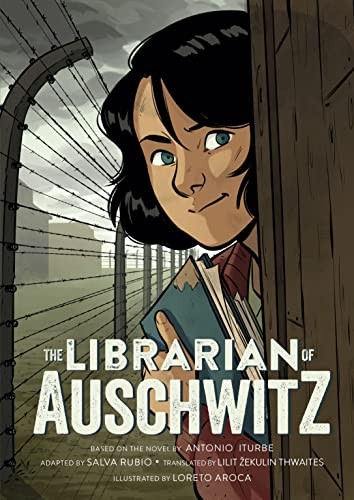
Based on the true story of Dita Kraus, a teenage girl who protected a tiny secret library of eight books in Auschwitz’s family camp, this novel shows the power of reading even in the darkest place.
Tips for Reading About the Holocaust
- Start with a survivor’s voice. Night or The Diary of a Young Girl is the best first book.
- Add history for context. Rees or Browning explains how the Holocaust happened.
- Choose age-appropriate books. Number the Stars and The Boy on the Wooden Box suit middle schoolers.
- Take breaks. These books are heavy; it’s okay to read slowly.
- Visit a museum or archive, like the US Holocaust Memorial Museum, in person or online.
- Listen to testimony. The USC Shoah Foundation has thousands of recorded survivor interviews.
Related: 15 Best Books on the Spanish Civil War: Histories, Memoirs and Novels · 15 Best Books on the British Raj: Histories, Memoirs and Novels
Frequently Asked Questions
What is the best book about the Holocaust?
Night by Elie Wiesel is the most widely read survivor memoir, and The Holocaust: A New History by Laurence Rees is an excellent single-volume history.
What is a good Holocaust book for kids?
Number the Stars by Lois Lowry is a gentle introduction for ages 9 to 12, and The Boy on the Wooden Box by Leon Leyson is a true memoir for ages 10 and up.
Is Night by Elie Wiesel a true story?
Yes. It’s Wiesel’s memoir of surviving Auschwitz and Buchenwald as a teenager in 1944 and 1945.