
Disclosure: As an Amazon Associate, Bookish Wisdom earns from qualifying purchases. This doesn’t change our picks or your price.
Quick answer: The best books on the Industrial Revolution explain how steam, factories and machines transformed the world, and what it meant for working people. Start with The Industrial Revolution: A Very Short Introduction by Robert C. Allen, The Most Powerful Idea in the World by William Rosen, The Lunar Men by Jenny Uglow, Empire of Cotton by Sven Beckert and North and South by Elizabeth Gaskell.
The Industrial Revolution began in Britain in the late 1700s, when inventions like the spinning jenny, the water frame and James Watt’s improved steam engine moved production from homes and workshops into factories. Coal, iron, canals and later railways changed how people lived and worked, and cities like Manchester exploded in size. The changes spread to Europe, the United States and eventually the world. They brought enormous wealth, but also child labor, dangerous mills, crowded slums and pollution. The books below explain why it happened, who the inventors and entrepreneurs were, what it was like for workers and how novelists of the time responded.
Table of Contents
Quick Picks at a Glance
| Book | Author | Type | Best For |
|---|---|---|---|
| The Industrial Revolution: A Very Short Introduction | Robert C. Allen | Short introduction | The best quick overview |
| The Most Powerful Idea in the World | William Rosen | Narrative history | The steam engine story |
| The Lunar Men | Jenny Uglow | Group biography | Inventors and thinkers |
| The Industrial Revolutionaries | Gavin Weightman | Narrative history | The global story |
| Empire of Cotton | Sven Beckert | Global history | Cotton and slavery |
| The Great Divergence | Kenneth Pomeranz | Economic history | Why Europe? |
| The Enlightened Economy | Joel Mokyr | Economic history | The role of ideas |
| The Making of the English Working Class | E. P. Thompson | Social history | Workers’ experience |
| Blood in the Machine | Brian Merchant | Narrative history | The Luddites |
| The Condition of the Working Class in England | Friedrich Engels | Primary source | Eyewitness accounts |
| Hard Times | Charles Dickens | Classic novel | Classic fiction lovers |
| North and South | Elizabeth Gaskell | Classic novel | Book clubs |
| Mary Barton | Elizabeth Gaskell | Classic novel | Workers’ lives |
| Lyddie | Katherine Paterson | Middle-grade novel | Ages 10 and up |
| Counting on Grace | Elizabeth Winthrop | Middle-grade novel | Ages 9–12 |
1. The Industrial Revolution: A Very Short Introduction by Robert C. Allen
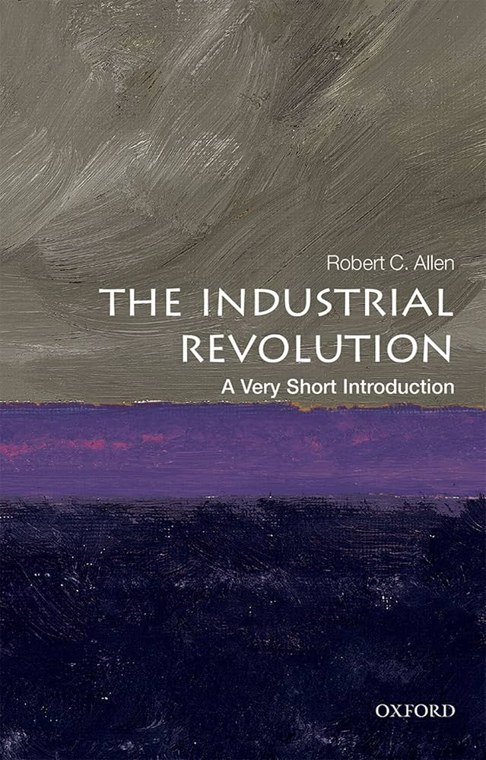
Allen, an economic historian, explains why the Industrial Revolution started in Britain, arguing that high wages and cheap coal made machines worth inventing. It’s clear and concise.
2. The Most Powerful Idea in the World by William Rosen
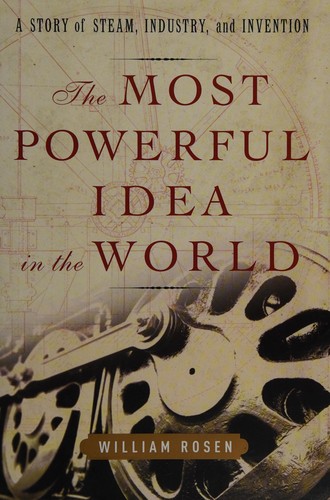
Rosen tells the story of the steam engine and the people and ideas, including patents, that made it possible. It’s lively and full of surprising connections.
3. The Lunar Men by Jenny Uglow
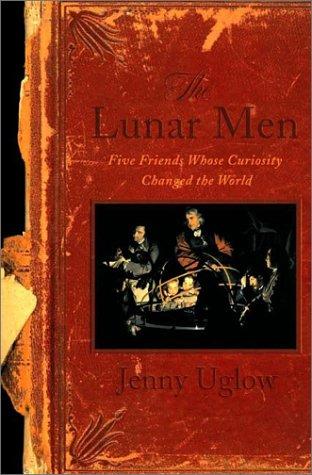
Uglow tells the story of the Lunar Society of Birmingham, whose members included James Watt, Matthew Boulton, Josiah Wedgwood and Erasmus Darwin. It’s a rich, joyful book.
4. The Industrial Revolutionaries by Gavin Weightman
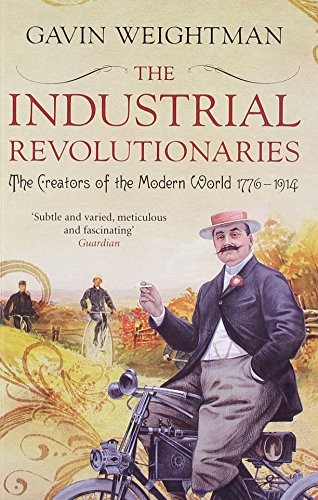
Weightman follows inventors, engineers and spies who spread industrial technology across Britain, Europe and America. It’s readable and full of characters.
5. Empire of Cotton by Sven Beckert
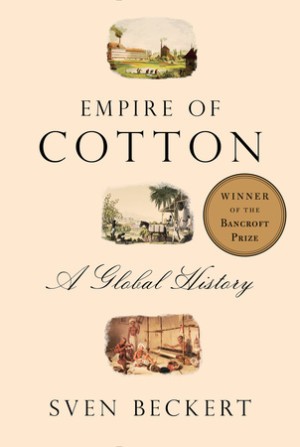
Beckert’s Bancroft Prize-winning history shows how cotton, slavery and colonialism powered industrialization. It’s an eye-opening global story.
6. The Great Divergence by Kenneth Pomeranz
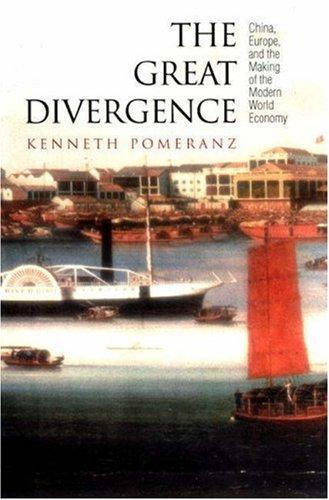
Pomeranz compares Britain and China to ask why industrialization happened first in Europe. It’s an influential, debated book for serious readers.
7. The Enlightened Economy by Joel Mokyr
Mokyr argues that Enlightenment ideas about science and progress were key to Britain’s industrial take-off. It’s scholarly and thought-provoking.
8. The Making of the English Working Class by E. P. Thompson
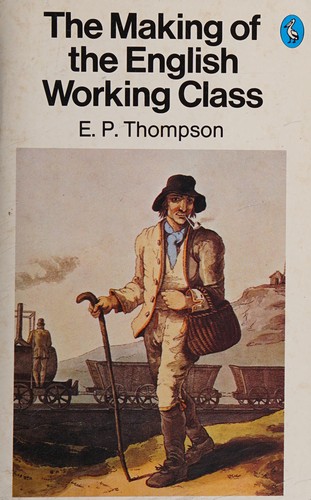
Thompson’s classic shows how ordinary working people experienced and resisted industrial change. It’s long, passionate and hugely influential.
9. Blood in the Machine by Brian Merchant
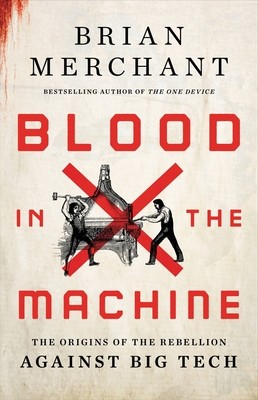
Merchant tells the story of the Luddites, the workers who smashed machines that threatened their livelihoods, and connects it to tech today. It’s gripping and timely.
10. The Condition of the Working Class in England by Friedrich Engels
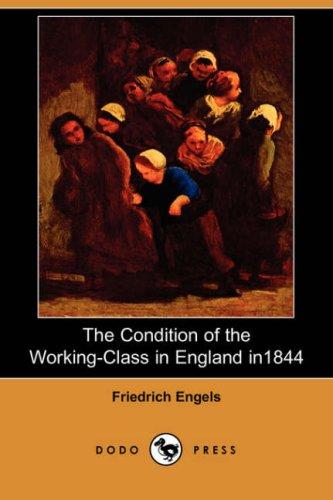
Engels’s 1845 description of life in Manchester’s factories and slums is vivid and angry. It’s a key document of the age.
11. Hard Times by Charles Dickens
Set in the fictional industrial town of Coketown, Dickens’s short novel attacks a world that values facts and profits over people. It’s sharp and memorable.
12. North and South by Elizabeth Gaskell
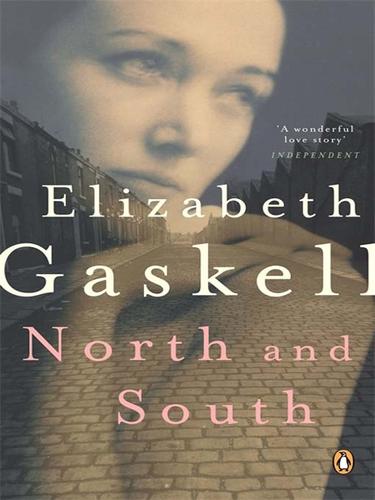
Margaret Hale moves from the rural south of England to an industrial northern town and clashes with mill owner John Thornton. It’s romantic and socially sharp.
13. Mary Barton by Elizabeth Gaskell
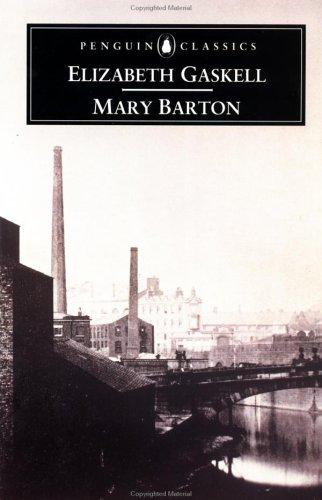
Gaskell’s first novel portrays the hardships of Manchester workers in the 1840s. It’s moving and was controversial in its time.
14. Lyddie by Katherine Paterson
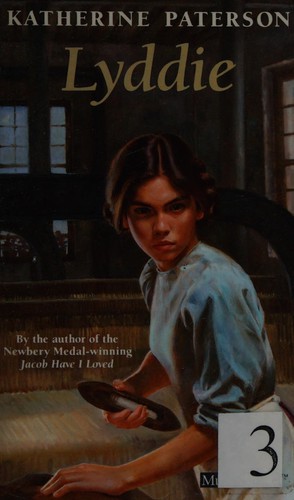
In the 1840s, a Vermont farm girl goes to work in the textile mills of Lowell, Massachusetts. It’s a strong, inspiring story by a Newbery-winning author.
15. Counting on Grace by Elizabeth Winthrop
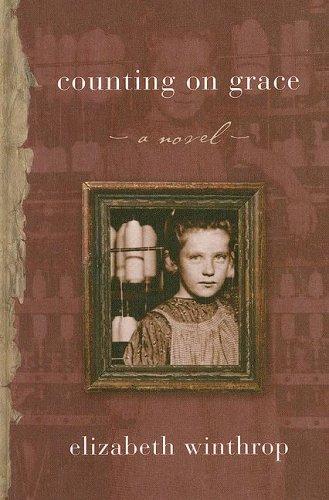
In a Vermont mill town in 1910, 12-year-old Grace works in the mill and meets the photographer Lewis Hine, who documented child labor. It’s moving and based on a real photograph.
Tips for Reading About the Industrial Revolution
- Start short. Robert Allen’s VSI explains the big questions clearly.
- Read about inventors. The Lunar Men and Rosen make the technology human.
- Read about workers. Thompson and Engels show the other side of progress.
- Think globally. Empire of Cotton links factories to slavery and empire.
- Read the novels. Dickens and Gaskell wrote about what they saw.
- Read with kids. Lyddie and Counting on Grace are classroom favorites.
Related: best books on Queen Victoria and best books on the Great Depression.
Frequently Asked Questions
What is the best book about the Industrial Revolution?
The Industrial Revolution: A Very Short Introduction by Robert C. Allen is the best quick overview, and The Most Powerful Idea in the World by William Rosen is a lively narrative.
Why did the Industrial Revolution start in Britain?
Historians debate it, but common explanations include cheap coal, high wages that made machines worthwhile, access to markets and raw materials, and a culture of science and invention.
What novels are about the Industrial Revolution?
Hard Times by Charles Dickens and North and South and Mary Barton by Elizabeth Gaskell are the classic novels of industrial England.