

Disclosure: As an Amazon Associate, Bookish Wisdom earns from qualifying purchases. This doesn’t change our picks or your price.
Quick answer: The best books on the Ming Dynasty explain the empire that ruled China from 1368 to 1644 and built much of the Great Wall we see today. Start with The Troubled Empire by Timothy Brook, 1587, A Year of No Significance by Ray Huang, When China Ruled the Seas by Louise Levathes, The Confusions of Pleasure by Timothy Brook and Ming: 50 Years That Changed China.
In 1368, a former peasant and monk named Zhu Yuanzhang drove out the Mongol Yuan dynasty and founded the Ming. Over nearly three centuries the Ming built the Forbidden City in Beijing, rebuilt the Great Wall in brick and stone, and sent the admiral Zheng He on huge treasure voyages across the Indian Ocean in the early 1400s. Ming China was rich, populous and productive, famous for blue-and-white porcelain, great novels and a booming trade that drew silver from the Americas. It fell in 1644 to rebels and the Manchu armies that founded the Qing dynasty. The books below include the best histories, books on trade and daily life, biographies and the great novels of the age.
Table of Contents
Quick Picks at a Glance
| Book | Author | Type | Best For |
|---|---|---|---|
| The Troubled Empire | Timothy Brook | History | The best introduction |
| 1587, A Year of No Significance | Ray Huang | History | A classic portrait |
| The Confusions of Pleasure | Timothy Brook | Social history | Commerce and culture |
| Vermeer’s Hat | Timothy Brook | Global history | China and the world |
| Ming: 50 Years That Changed China | Craig Clunas and Jessica Harrison-Hall | Illustrated history | Visual learners |
| When China Ruled the Seas | Louise Levathes | Narrative history | The treasure fleets |
| Zheng He | Edward L. Dreyer | History | Serious readers |
| Perpetual Happiness | Shih-shan Henry Tsai | Biography | The Yongle Emperor |
| The Great Wall | Julia Lovell | History | The wall’s real story |
| The Forbidden City | Frances Wood | History | The imperial palace |
| China: A History | John Keay | History | The big picture |
| The Cambridge Illustrated History of China | Patricia Buckley Ebrey | Illustrated history | Students |
| Romance of the Three Kingdoms | Luo Guanzhong | Classic novel | Epic fiction fans |
| Outlaws of the Marsh | Shi Nai’an | Classic novel | Adventure lovers |
| The Peony Pavilion | Tang Xianzu | Classic play | Literature lovers |
1. The Troubled Empire by Timothy Brook
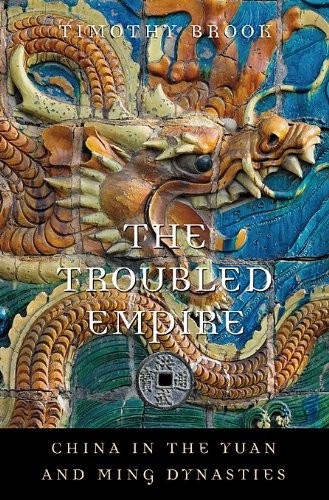
Brook covers China under the Yuan and Ming dynasties, including climate, commerce and culture. It’s readable, insightful and the best place to start.
2. 1587, A Year of No Significance by Ray Huang
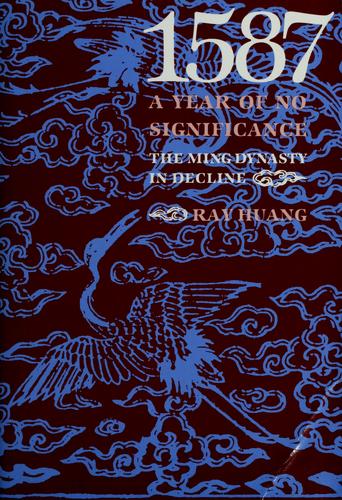
Huang uses a single, supposedly uneventful year to reveal how the Ming state worked and why it was declining. It’s a brilliant, unusual classic.
3. The Confusions of Pleasure by Timothy Brook
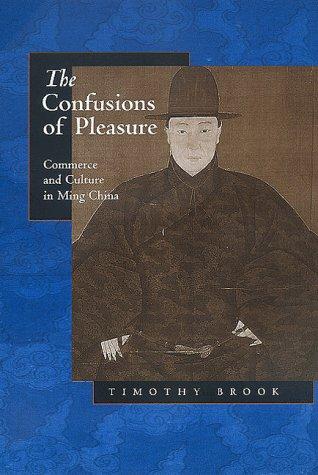
Brook shows how trade and money transformed Ming society and challenged traditional values. It’s rich and fascinating.
4. Vermeer’s Hat by Timothy Brook
Brook uses objects in Vermeer’s paintings, from Chinese porcelain to silver, to show how the 17th-century world was connected. It’s delightful.
5. Ming: 50 Years That Changed China by Craig Clunas and Jessica Harrison-Hall
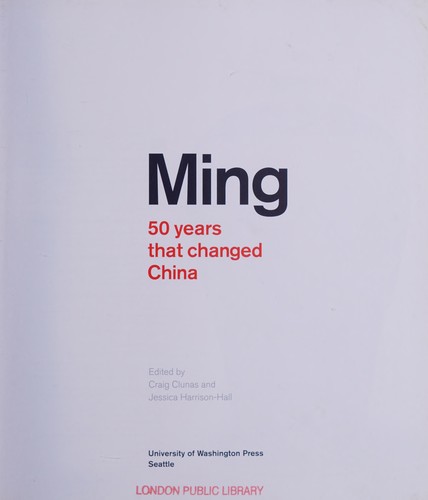
This British Museum exhibition book covers the crucial years from 1400 to 1450, with stunning images of art and objects.
6. When China Ruled the Seas by Louise Levathes
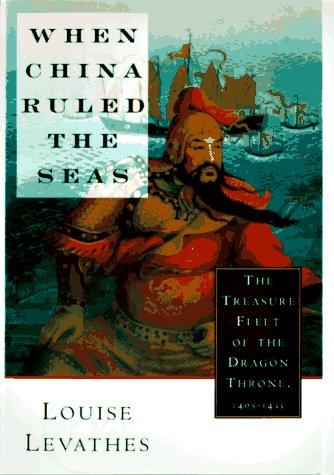
Levathes tells the story of Zheng He’s great voyages and why China stopped them. It’s vivid and readable.
7. Zheng He by Edward L. Dreyer
Dreyer’s careful study of Zheng He’s voyages separates fact from myth. It’s the scholarly standard.
8. Perpetual Happiness by Shih-shan Henry Tsai
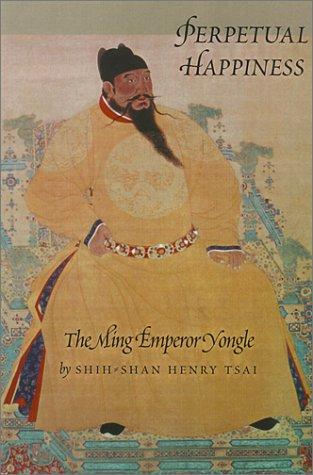
Tsai’s biography of the emperor who moved the capital to Beijing and sent out the treasure fleets is detailed and engaging.
9. The Great Wall by Julia Lovell
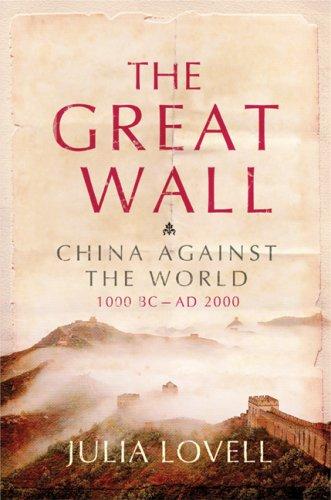
Lovell tells the history of China’s walls and what they meant, with a strong focus on the Ming. It’s sharp and myth-busting.
10. The Forbidden City by Frances Wood
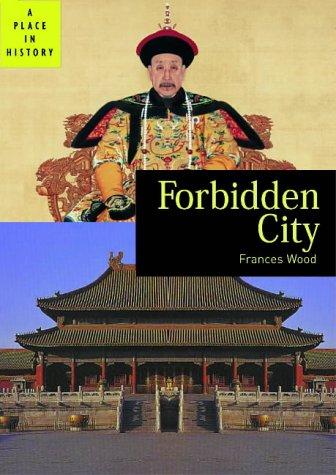
Wood, a British Library curator, tells the story of the palace built by the Ming and its life over five centuries. It’s lively and illustrated.
11. China: A History by John Keay
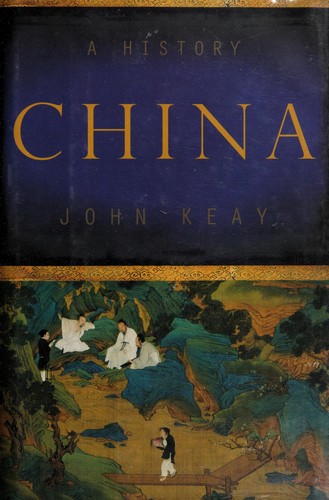
Keay’s one-volume history of China places the Ming in the long story of Chinese civilization. It’s readable and wide-ranging.
12. The Cambridge Illustrated History of China by Patricia Buckley Ebrey
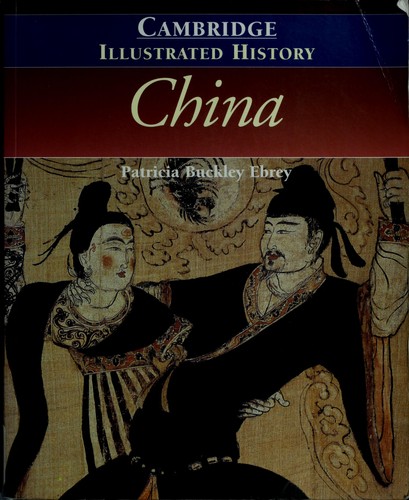
Ebrey’s richly illustrated history covers China from early times, with clear chapters on the Ming. It’s an excellent overview.
13. Romance of the Three Kingdoms by Luo Guanzhong
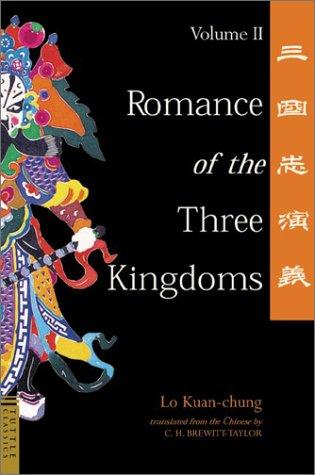
Compiled in the early Ming era, this epic novel retells the wars of the Three Kingdoms period. It’s one of China’s four great classical novels.
14. Outlaws of the Marsh by Shi Nai’an
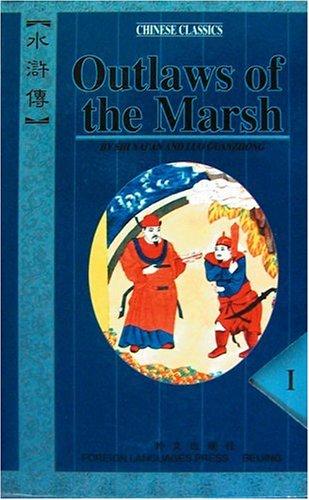
Also known as Water Margin, this Ming-era classic follows 108 outlaws who rebel against corrupt officials. It’s full of action and humor.
15. The Peony Pavilion by Tang Xianzu
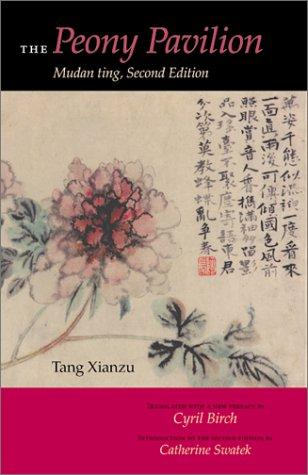
Written in 1598, this famous Ming romance follows a young woman who dies of longing and returns to life for love. It’s still performed today.
Tips for Reading About the Ming Dynasty
- Start with Timothy Brook. The Troubled Empire is the best overview.
- Read Ray Huang. 1587 shows how the empire really worked.
- Learn about Zheng He. His voyages are one of history’s great what-ifs.
- Be wary of myths. Claims that Zheng He discovered America have no evidence.
- Look at Ming art. Porcelain and painting bring the era to life.
- Try a classic novel. Three Kingdoms and Water Margin are still beloved.
Related: best books on the history of China and best books on the Silk Road.
Frequently Asked Questions
What is the best book about the Ming Dynasty?
The Troubled Empire by Timothy Brook is the best introduction, and 1587, A Year of No Significance by Ray Huang is a classic portrait of the Ming state.
Did the Ming build the Great Wall?
Earlier dynasties built walls, but much of the brick and stone Great Wall seen today was built or rebuilt by the Ming.
What is the best book about Zheng He?
When China Ruled the Seas by Louise Levathes is the most readable, and Zheng He by Edward L. Dreyer is the scholarly standard.