
Disclosure: As an Amazon Associate, Bookish Wisdom earns from qualifying purchases. This doesn’t change our picks or your price.
Quick answer: The best books on the Celts cover the Iron Age peoples of Europe, their myths and the debate about who the Celts really were. Start with The Ancient Celts by Barry Cunliffe, The Celts: A Very Short Introduction, The Celts by Alice Roberts, The Táin translated by Thomas Kinsella and The Mabinogion translated by Sioned Davies.
The ancient Greeks and Romans used the word Celts for many peoples living across Iron Age Europe, from Spain and Gaul to Britain, Ireland and even Anatolia. They shared related languages, art styles like the swirling La Tène designs and some customs, but they were never a single nation. They sacked Rome around 390 BC, fought Julius Caesar in Gaul and, under Queen Boudica, rose against Roman rule in Britain in AD 60. Celtic languages survive today in Irish, Scottish Gaelic, Welsh and Breton, along with rich myths and legends. Modern scholars debate how much the ancient Celts really had in common. The books below include histories, myths, a Roman eyewitness, novels and books for kids.
Table of Contents
Quick Picks at a Glance
| Book | Author | Type | Best For |
|---|---|---|---|
| The Ancient Celts | Barry Cunliffe | History | The standard history |
| The Celts: A Very Short Introduction | Barry Cunliffe | Short introduction | A quick overview |
| The Celts: Search for a Civilization | Alice Roberts | History | TV history fans |
| The Celts: Origins, Myths and Inventions | John Collis | History | The debate |
| The Celts | Gerhard Herm | Popular history | Old-fashioned storytelling |
| Celtic Art | Ruth Megaw and Vincent Megaw | Art history | Art lovers |
| Boudica | Vanessa Collingridge | Biography | The warrior queen |
| The Conquest of Gaul | Julius Caesar | Primary source | A Roman eyewitness |
| The Táin | Thomas Kinsella (translator) | Epic | Irish legend |
| The Mabinogion | Sioned Davies (translator) | Medieval tales | Welsh legend |
| Celtic Myths and Legends | T. W. Rolleston | Retold myths | A classic collection |
| The Eagle of the Ninth | Rosemary Sutcliff | Historical novel | Teens and adults |
| Dreaming the Eagle | Manda Scott | Historical novel | Boudica fans |
| The Hound of Ulster | Rosemary Sutcliff | Retold legend | Ages 10 and up |
| Celtic Fairy Tales | Joseph Jacobs | Fairy tales | Ages 6 and up |
1. The Ancient Celts by Barry Cunliffe
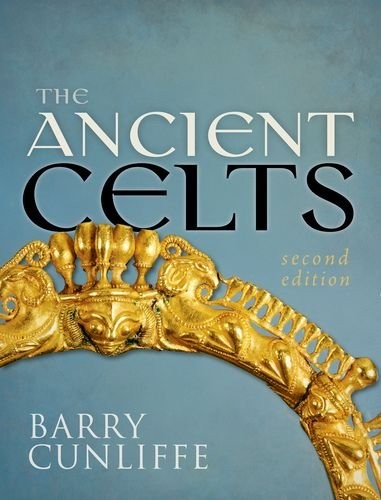
Cunliffe, a leading archaeologist, covers the Celts from their origins to the Roman conquest. It’s authoritative and well illustrated.
2. The Celts: A Very Short Introduction by Barry Cunliffe
Cunliffe explains who the Celts were and how the idea of them has changed. It’s a clear, compact primer.
3. The Celts: Search for a Civilization by Alice Roberts
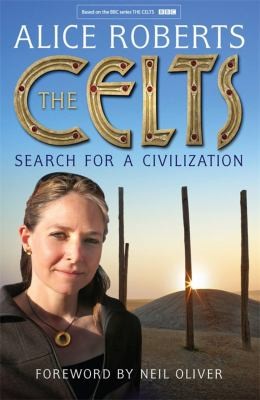
Based on her BBC series, Roberts uses archaeology and DNA to explore Celtic life across Europe. It’s lively and accessible.
4. The Celts: Origins, Myths and Inventions by John Collis
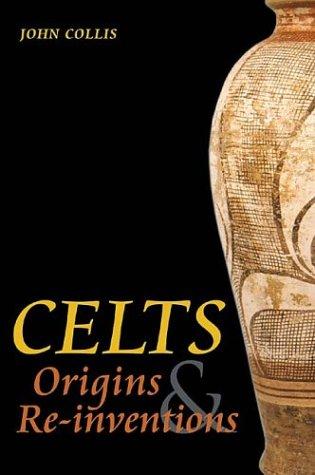
Collis, an archaeologist, questions the traditional idea of a single Celtic people. It’s provocative and important.
5. The Celts by Gerhard Herm
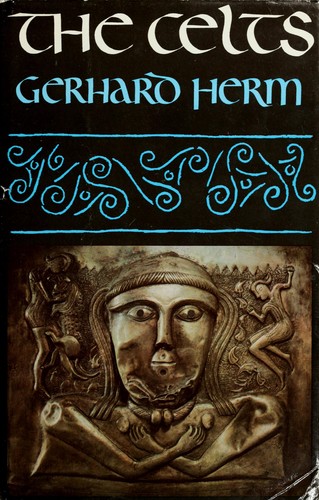
Herm’s popular history tells the story of the Celts across Europe in an engaging, narrative style. It’s dated in places but readable.
6. Celtic Art by Ruth Megaw and Vincent Megaw
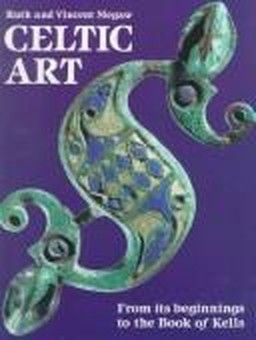
The Megaws explain Celtic art from its beginnings to the early Middle Ages, with hundreds of illustrations. It’s the standard book.
7. Boudica by Vanessa Collingridge
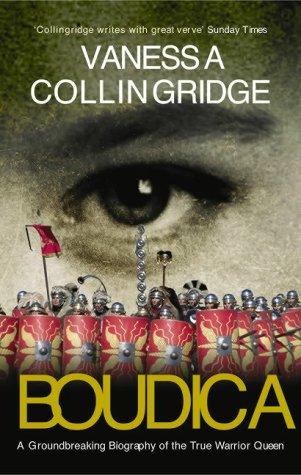
Collingridge tells the story of Boudica’s revolt against Rome and how her legend grew. It’s lively and well researched.
8. The Conquest of Gaul by Julius Caesar
Caesar’s own account of his wars in Gaul describes the Celtic peoples he fought. It’s propaganda, but also a vital source.
9. The Táin by Thomas Kinsella (translator)
The great Irish epic tells of Queen Medb’s cattle raid and the hero Cú Chulainn. Kinsella’s translation is powerful and readable.
10. The Mabinogion by Sioned Davies (translator)
These medieval Welsh stories are full of magic, shape-shifting and early Arthurian legend. Davies’s translation is lively and faithful.
11. Celtic Myths and Legends by T. W. Rolleston
Rolleston’s 1911 collection retells the great Irish and Welsh myths. It’s a classic introduction.
12. The Eagle of the Ninth by Rosemary Sutcliff
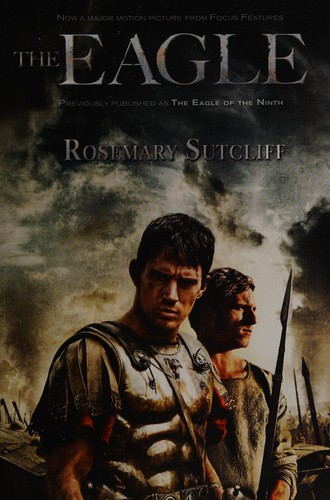
A young Roman officer journeys beyond Hadrian’s Wall to find his father’s lost legion. Sutcliff’s classic is full of atmosphere.
13. Dreaming the Eagle by Manda Scott
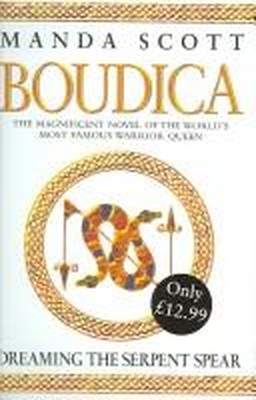
The first book of Scott’s Boudica series imagines the queen’s youth before the revolt. It’s rich and immersive. Content note: violence.
14. The Hound of Ulster by Rosemary Sutcliff
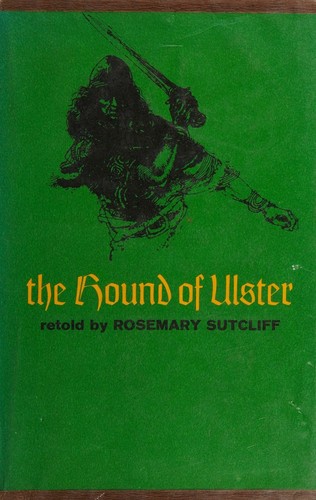
Sutcliff retells the story of Cú Chulainn, the great hero of Irish legend, for young readers. It’s exciting and beautifully written.
15. Celtic Fairy Tales by Joseph Jacobs
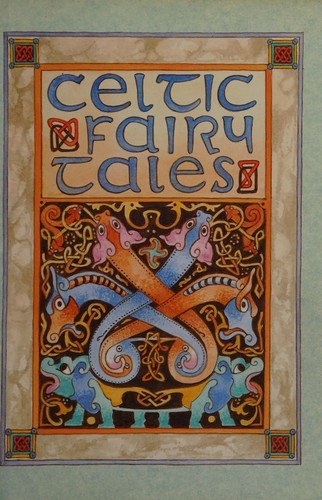
Jacobs’s classic 1892 collection gathers fairy tales from Ireland, Scotland, Wales and Cornwall. It’s wonderful for reading aloud.
Tips for Reading About the Celts
- Start with Cunliffe. His books are the standard introduction.
- Join the debate. Collis questions whether the Celts were one people.
- Read the myths. The Táin and Mabinogion are rich and strange.
- Remember the sources. Much was written by Greek and Roman enemies.
- Look at the art. Celtic metalwork is among the finest of the ancient world.
- Read with kids. Rosemary Sutcliff’s books are classics.
Related: best books on Scottish history and best books on Ancient Rome.
Frequently Asked Questions
What is the best book about the Celts?
The Ancient Celts by Barry Cunliffe is the standard history, and his Celts: A Very Short Introduction is a great quick overview.
Were the Celts one people?
Not really. Ancient writers used the term for many Iron Age groups who shared related languages and art, and modern historians debate how much they had in common.
What are the best Celtic myths to read?
The Táin, Ireland’s great epic, and The Mabinogion, the medieval Welsh tales, are the best places to start.