
Disclosure: As an Amazon Associate, Bookish Wisdom earns from qualifying purchases. This doesn’t change our picks or your price.
Quick answer: The best books on Mesopotamia explain the world’s first cities, writing and empires in the land between the Tigris and Euphrates. Start with Babylon by Paul Kriwaczek, Ancient Iraq by Georges Roux, History Begins at Sumer by Samuel Noah Kramer, Assyria by Eckart Frahm and The Epic of Gilgamesh translated by Andrew George.
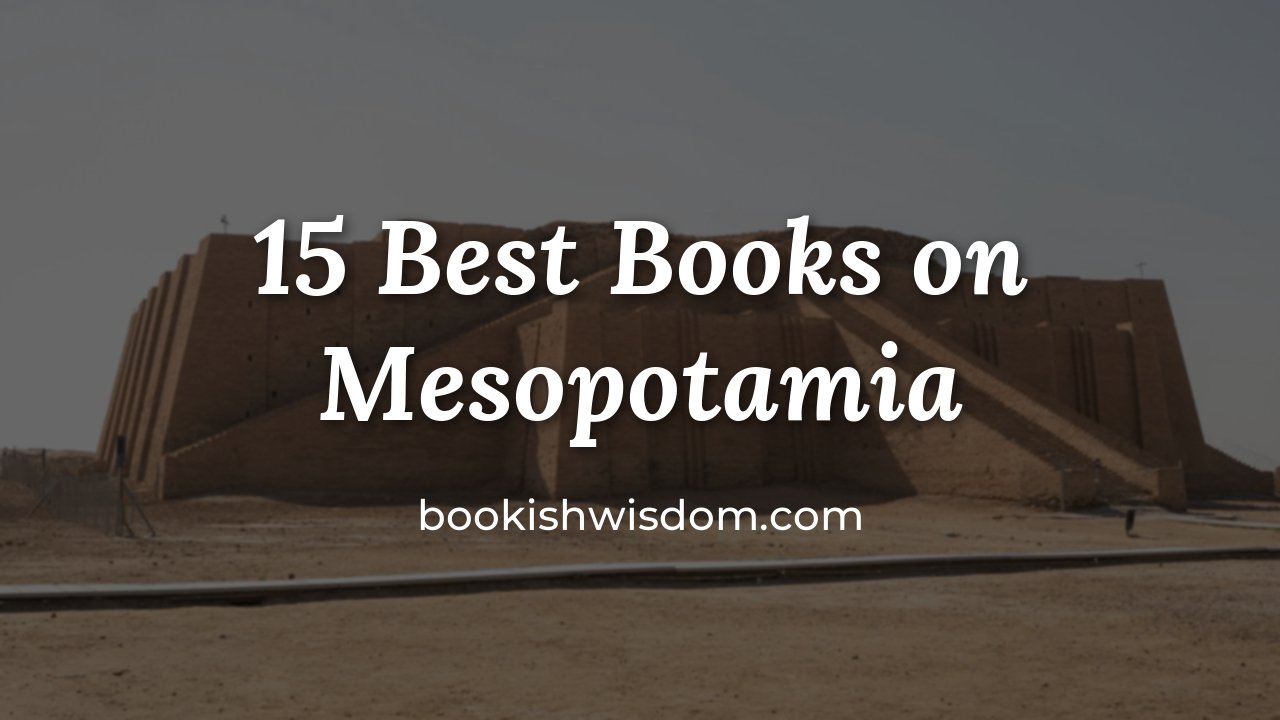
Mesopotamia, in what’s now Iraq and parts of Syria and Turkey, is often called the cradle of civilization. Around 3500 BC the Sumerians built some of the first cities, like Uruk and Ur, and soon invented cuneiform writing on clay tablets. Over the next 3,000 years came Sargon of Akkad’s empire, Hammurabi’s Babylon and his famous law code, the mighty Assyrian Empire with its capital at Nineveh, and the Neo-Babylonian Empire of Nebuchadnezzar. Mesopotamians gave us writing, the wheel, sixty-minute hours, astronomy and the world’s oldest great story. The books below include readable histories, books on daily life, the epic of Gilgamesh, ancient laws, a famous detective novel and a picture book for kids. Each pick says who it suits, so you can start wherever your curiosity leads.
Table of Contents
Quick Picks at a Glance
| Book | Author | Type | Best For |
|---|---|---|---|
| Babylon: Mesopotamia and the Birth of Civilization | Paul Kriwaczek | Narrative history | The best introduction |
| Ancient Iraq | Georges Roux | History | The classic overview |
| A History of the Ancient Near East | Marc Van De Mieroop | History | Students |
| History Begins at Sumer | Samuel Noah Kramer | History | Firsts in history |
| The Sumerians | Samuel Noah Kramer | History | Sumerian civilization |
| Assyria | Eckart Frahm | History | The first empire |
| Ancient Assyria: A Very Short Introduction | Karen Radner | Short introduction | A quick overview |
| Ancient Mesopotamia: Portrait of a Dead Civilization | A. Leo Oppenheim | History | Serious readers |
| Daily Life in Ancient Mesopotamia | Karen Rhea Nemet-Nejat | Social history | Everyday life |
| I Am Ashurbanipal | Gareth Brereton (editor) | Illustrated history | Visual learners |
| The Story of Writing | Andrew Robinson | History | The invention of writing |
| The Epic of Gilgamesh | Andrew George (translator) | Epic poem | The world’s oldest great story |
| The Code of Hammurabi | Hammurabi | Primary source | Ancient law |
| Murder in Mesopotamia | Agatha Christie | Mystery novel | Mystery lovers |
| Gilgamesh the King | Ludmila Zeman | Picture book | Ages 6–10 |
1. Babylon: Mesopotamia and the Birth of Civilization by Paul Kriwaczek
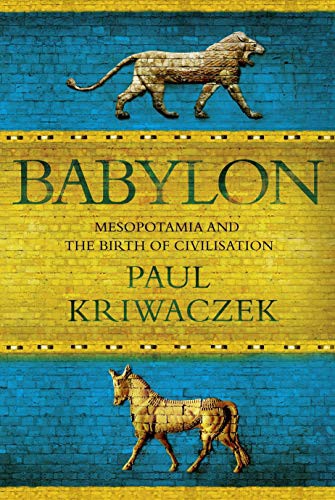
Kriwaczek tells the story of Mesopotamia from the first cities to the fall of Babylon in a lively, readable way. It’s the ideal starting point.
2. Ancient Iraq by Georges Roux
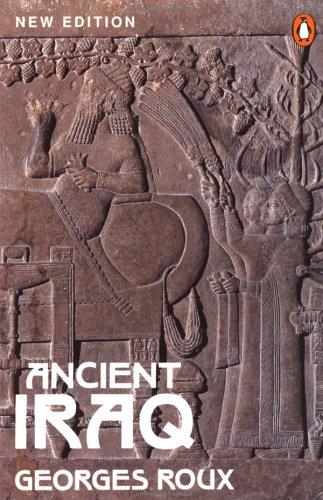
Roux’s history covers Mesopotamia from prehistory to the Persian conquest. It’s thorough and still widely read.
3. A History of the Ancient Near East by Marc Van De Mieroop
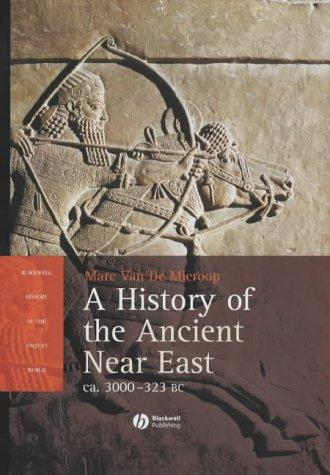
Van De Mieroop’s textbook covers Mesopotamia and its neighbors from 3000 to 323 BC. It’s clear and authoritative.
4. History Begins at Sumer by Samuel Noah Kramer
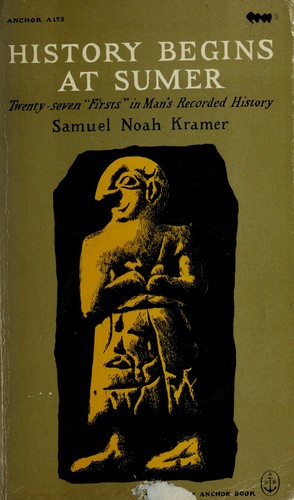
Kramer describes 39 “firsts” recorded by the Sumerians, from the first schools to the first love song. It’s charming and fascinating.
5. The Sumerians by Samuel Noah Kramer
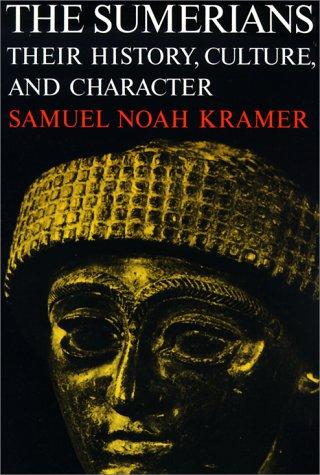
Kramer’s classic describes Sumerian history, society, religion and literature. It’s a foundational book.
6. Assyria by Eckart Frahm
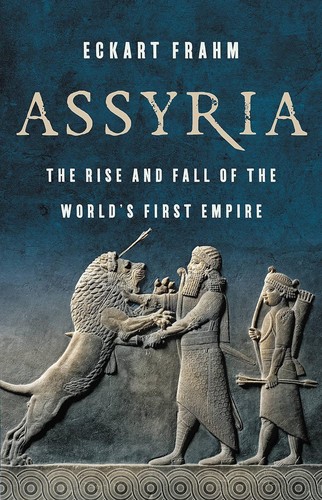
Frahm’s 2023 history tells the story of Assyria from its beginnings to its fall, using the latest research. It’s vivid and authoritative.
7. Ancient Assyria: A Very Short Introduction by Karen Radner
Radner explains Assyria’s history, government and culture in about 150 pages. It’s lively and reliable.
8. Ancient Mesopotamia: Portrait of a Dead Civilization by A. Leo Oppenheim
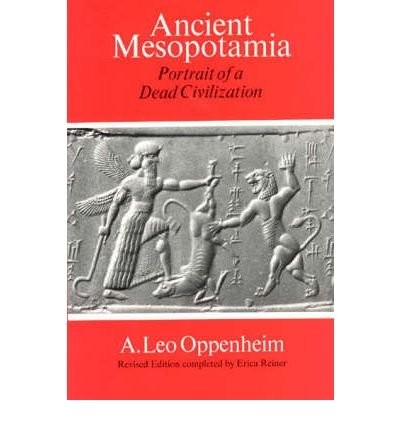
Oppenheim’s classic explores Mesopotamian life, thought and literature. It’s demanding but rewarding.
9. Daily Life in Ancient Mesopotamia by Karen Rhea Nemet-Nejat
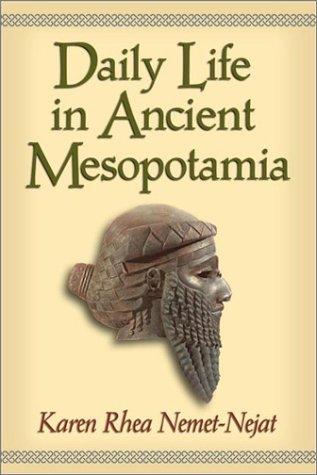
Nemet-Nejat describes food, family, work, medicine and entertainment in Mesopotamia. It’s clear and full of detail.
10. I Am Ashurbanipal by Gareth Brereton (editor)
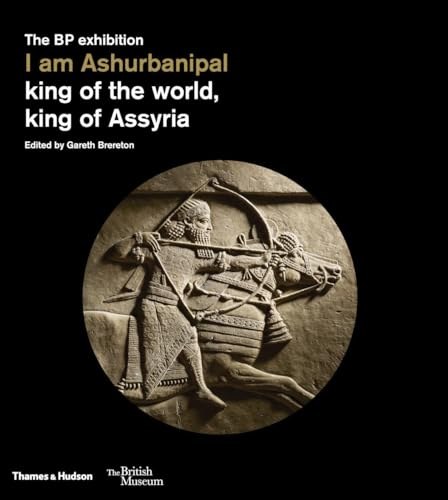
This British Museum book explores the world of the last great Assyrian king and his famous library. It’s beautifully illustrated.
11. The Story of Writing by Andrew Robinson
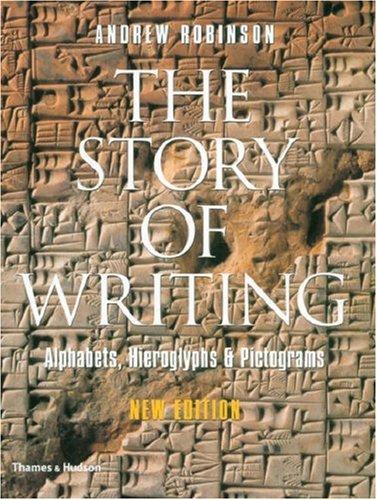
Robinson explains how writing began with cuneiform and developed around the world. It’s illustrated and fascinating.
12. The Epic of Gilgamesh by Andrew George (translator)
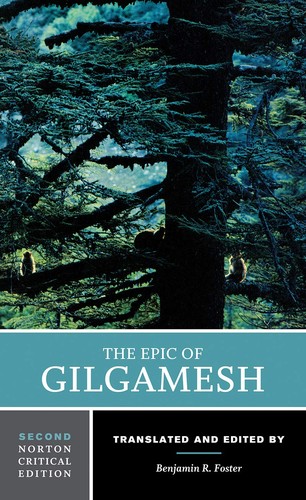
This ancient epic follows Gilgamesh, king of Uruk, and his search for immortality after his friend’s death. George’s translation is the standard.
13. The Code of Hammurabi by Hammurabi
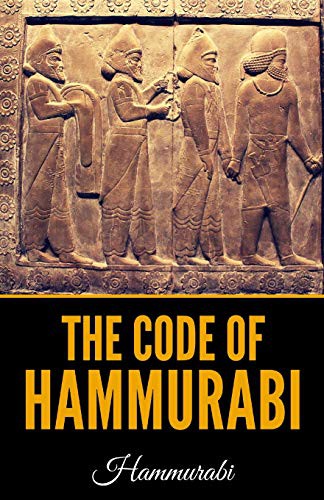
Hammurabi’s law code, from about 1754 BC, is one of the oldest written legal codes. It’s short and surprisingly revealing about daily life.
14. Murder in Mesopotamia by Agatha Christie
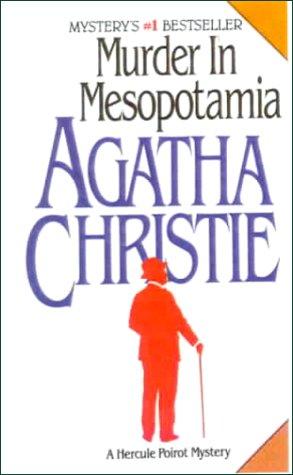
Christie, who often joined her archaeologist husband on digs in Iraq, sets this Poirot mystery at an excavation. It’s classic fun.
15. Gilgamesh the King by Ludmila Zeman
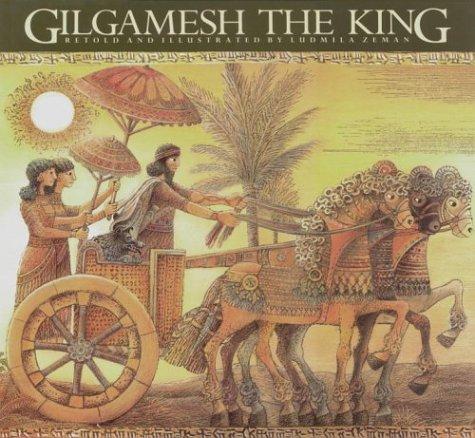
Zeman’s beautifully illustrated picture book retells the beginning of the Gilgamesh story for children. It’s the first of a trilogy.
Tips for Reading About Mesopotamia
- Start with Kriwaczek. Babylon is the most readable overview.
- Learn the main peoples. Sumerians, Akkadians, Babylonians and Assyrians.
- Read Gilgamesh. It’s short and still moving after 4,000 years.
- Look at the objects. The British Museum and the Louvre hold famous collections.
- Learn about cuneiform. Writing began here.
- Read with kids. Gilgamesh the King is a great first introduction.
Related: best books on Ancient Egypt and best books on the Persian Empire.
Frequently Asked Questions
What is the best book about Mesopotamia?
Babylon: Mesopotamia and the Birth of Civilization by Paul Kriwaczek is the best introduction, and Ancient Iraq by Georges Roux is the classic overview.
What is the best translation of Gilgamesh?
Andrew George’s Penguin translation is the scholarly standard, and Stephen Mitchell’s version is a popular, freer retelling.
Why is Mesopotamia called the cradle of civilization?
It was home to some of the first cities, the first known writing system and some of the earliest empires and law codes.