

Disclosure: As an Amazon Associate, Bookish Wisdom earns from qualifying purchases. This doesn’t change our picks or your price.
Quick answer: The best books on the Trail of Tears tell the story of Cherokee and other Native removals with care. Start with Trail of Tears by John Ehle, The Cherokee Nation and the Trail of Tears by Theda Perdue and Michael D. Green, Jacksonland by Steve Inskeep, Unworthy Republic by Claudio Saunt, An American Betrayal by Daniel Blake Smith and The Journal of Jesse Smoke by Joseph Bruchac.
After President Andrew Jackson signed the Indian Removal Act in 1830, the United States forced tens of thousands of Native people from their homelands in the Southeast to Indian Territory, in what is now Oklahoma. The Cherokee, Muscogee (Creek), Choctaw, Chickasaw and Seminole nations were all removed. In 1838 and 1839, about 16,000 Cherokee were forced west, and thousands died along the way. The Cherokee call it Nunna daul Tsuny, “the trail where they cried.” The books below include histories, biographies, a memoir by a Cherokee chief and books for young readers.
Table of Contents
Quick Picks at a Glance
| Book | Author | Type | Best For |
|---|---|---|---|
| Trail of Tears | John Ehle | Narrative history | The classic first read |
| The Cherokee Nation and the Trail of Tears | Theda Perdue and Michael D. Green | History | A clear, concise account |
| An American Betrayal | Daniel Blake Smith | History | Understanding the divisions |
| Jacksonland | Steve Inskeep | History | Jackson versus John Ross |
| Indian Removal | Grant Foreman | History | A classic study |
| Unworthy Republic | Claudio Saunt | History | Understanding the policy |
| Walking the Trail | Jerry Ellis | Travel memoir | A personal journey |
| Mankiller: A Chief and Her People | Wilma Mankiller | Memoir | Cherokee history today |
| Andrew Jackson and His Indian Wars | Robert V. Remini | History | Understanding Jackson |
| Soft Rain | Cornelia Cornelissen | Children’s novel | Ages 8–11 |
| The Journal of Jesse Smoke | Joseph Bruchac | Middle-grade novel | Ages 9–14 |
| Cherokee Tragedy | Thurman Wilkins | History | The Ridge family |
| Sequoyah | James Rumford | Picture book | Ages 5–9 |
| The Trail of Tears | Gloria Jahoda | History | A broad narrative |
| How I Became a Ghost | Tim Tingle | Middle-grade novel | Ages 9–13 |
1. Trail of Tears by John Ehle
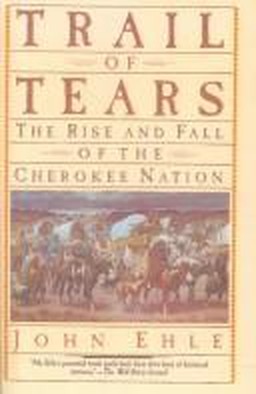
Ehle tells the story of the Cherokee Nation’s rise and removal through its leaders, including John Ross and the Ridge family, who disagreed bitterly about how to respond. It’s readable and moving, a good place to start.
2. The Cherokee Nation and the Trail of Tears by Theda Perdue and Michael D. Green
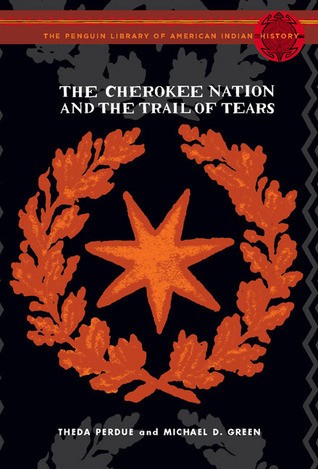
Two leading historians explain the Cherokee Nation’s history, the politics of removal and the journey west in a short, clear book. It’s balanced and accessible, ideal for readers new to the subject.
3. An American Betrayal by Daniel Blake Smith
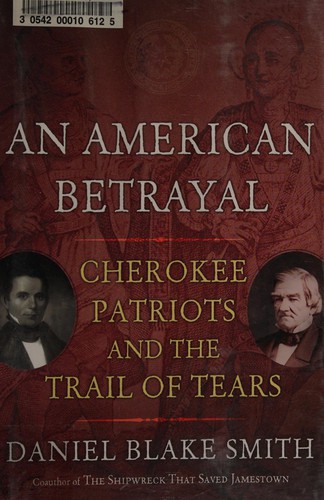
Smith focuses on the Cherokee leaders who signed the Treaty of New Echota in 1835, agreeing to removal, and the bitter divisions it caused within the nation. It’s a gripping look at impossible choices.
4. Jacksonland by Steve Inskeep
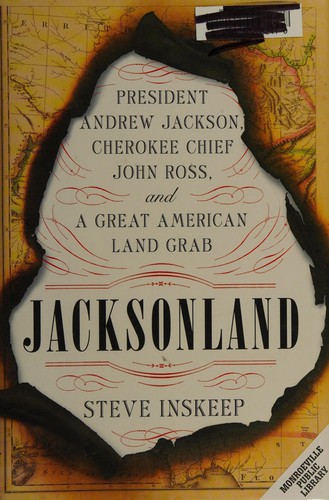
Inskeep tells the story of two men: Andrew Jackson, who pushed removal, and John Ross, the Cherokee chief who fought it in Congress and the courts. It’s lively and clear, written by a well-known NPR host.
5. Indian Removal by Grant Foreman
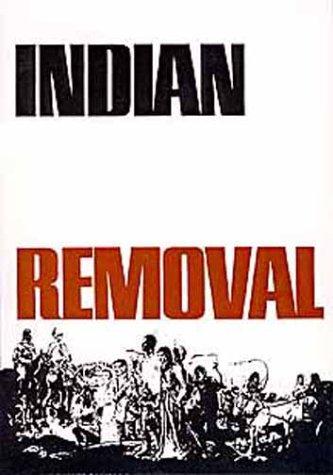
First published in 1932, Foreman’s study covers the removal of all five Southeastern nations, using government records and first-hand accounts. It’s older but still an important source.
6. Unworthy Republic by Claudio Saunt
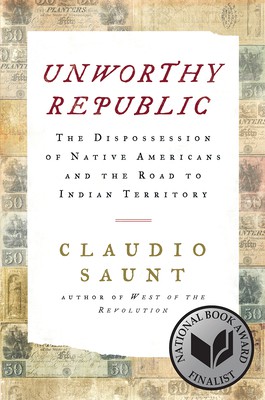
Saunt argues that removal was a deliberate, state-sponsored campaign, driven by money, land and slavery. It’s a prize-winning, powerful and sobering read.
7. Walking the Trail by Jerry Ellis
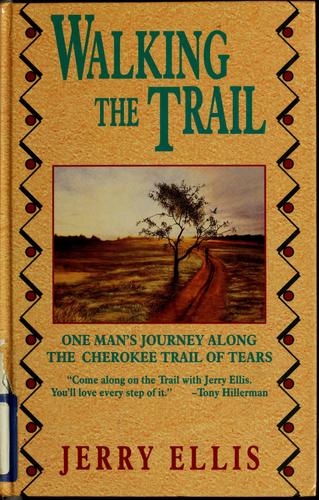
Ellis, who has Cherokee ancestry, walked the 900-mile route of the Trail of Tears in reverse, from Oklahoma to Alabama, in 1989. His book mixes history, reflection and the people he met along the way.
8. Mankiller: A Chief and Her People by Wilma Mankiller
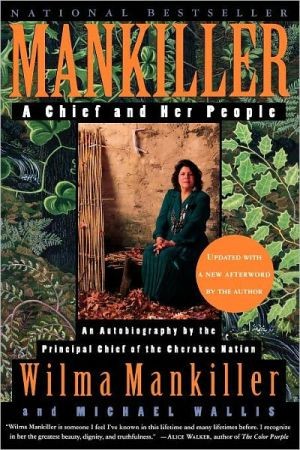
Wilma Mankiller, the first woman elected principal chief of the Cherokee Nation, tells her own story alongside the history of her people, including removal. It’s inspiring and shows the nation’s survival.
9. Andrew Jackson and His Indian Wars by Robert V. Remini
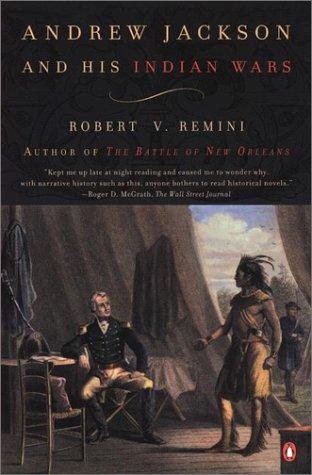
Remini, a leading Jackson biographer, explains Jackson’s wars against Native nations and his removal policy. It’s a useful look at how the man behind removal saw the world.
10. Soft Rain by Cornelia Cornelissen
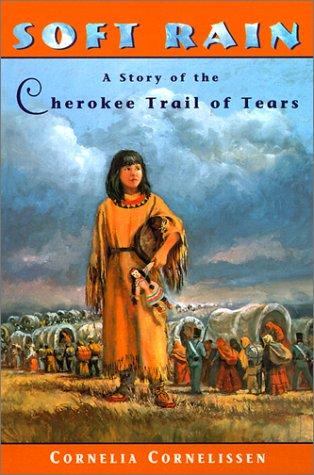
Nine-year-old Soft Rain and her family are forced from their Cherokee home and onto the trail. This short novel is honest but age-appropriate, a good first book for younger readers.
11. The Journal of Jesse Smoke by Joseph Bruchac
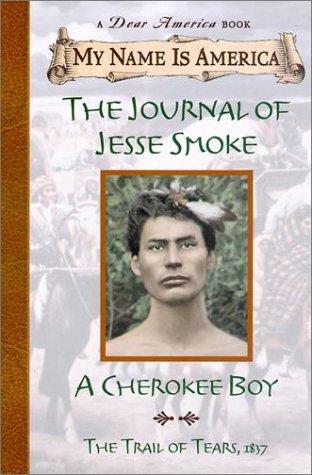
In this My Name Is America diary by Abenaki author Joseph Bruchac, 16-year-old Jesse Smoke records his family’s removal from the Cherokee homeland in 1838. It’s moving and well researched.
12. Cherokee Tragedy by Thurman Wilkins
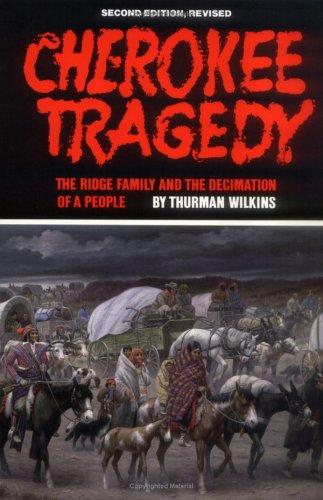
Wilkins tells the story of Major Ridge and his family, Cherokee leaders who supported the treaty that led to removal and paid with their lives. It’s a classic and dramatic history.
13. Sequoyah by James Rumford
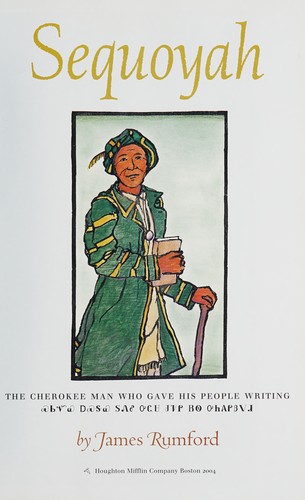
Rumford tells the story of Sequoyah, who created a writing system for the Cherokee language in the 1820s, in English and Cherokee. It’s a beautiful way to show children what the Cherokee Nation built before removal.
14. The Trail of Tears by Gloria Jahoda
Jahoda’s 1975 history covers the removals of many Native nations from 1813 to 1855, not just the Cherokee. It’s a readable overview of how widespread removal was.
15. How I Became a Ghost by Tim Tingle
Choctaw author Tim Tingle tells the story of the Choctaw removal through Isaac, a boy who becomes a ghost along the trail. It’s surprising, sometimes funny and deeply moving, a different way into a painful story.
Tips for Reading About the Trail of Tears
- Start with a short history. Perdue and Green’s book gives you the essentials.
- Remember all five nations. The Cherokee, Muscogee, Choctaw, Chickasaw and Seminole were all removed.
- Read Native voices. Wilma Mankiller, Tim Tingle and Joseph Bruchac bring Native perspectives.
- Look at a map. The Trail of Tears National Historic Trail covers about 5,000 miles across nine states.
- Visit a site, like the Cherokee Heritage Center in Oklahoma or the Museum of the Cherokee People in North Carolina.
- Read with kids. Soft Rain and The Journal of Jesse Smoke are honest but age-appropriate.
Related: the best books on Native American history and the best books on the Wild West.
Frequently Asked Questions
What is the best book about the Trail of Tears?
Trail of Tears by John Ehle is a classic narrative, and The Cherokee Nation and the Trail of Tears by Theda Perdue and Michael D. Green is a clear, concise history.
What was the Trail of Tears?
It was the forced removal of the Cherokee and other Southeastern Native nations to Indian Territory in the 1830s, during which thousands died.
What is a good Trail of Tears book for kids?
Soft Rain by Cornelia Cornelissen suits ages 8 to 11, and The Journal of Jesse Smoke by Joseph Bruchac suits ages 9 to 14.