
Disclosure: As an Amazon Associate, Bookish Wisdom earns from qualifying purchases. This doesn’t change our picks or your price.
Quick answer: The best books on Native American history include classic accounts, modern histories by Native authors and great novels. Start with Bury My Heart at Wounded Knee by Dee Brown, An Indigenous Peoples’ History of the United States by Roxanne Dunbar-Ortiz, 1491 by Charles C. Mann, The Heartbeat of Wounded Knee by David Treuer, Lakota America by Pekka Hämäläinen and Native Nations by Kathleen DuVal.
Native American history stretches back thousands of years, long before Europeans arrived, and it continues today in the more than 570 federally recognized tribes in the United States. Yet many of us learned it as a short chapter about conquest. The best books tell a fuller story: complex societies before 1492, centuries of resistance and adaptation, broken treaties and removal, and Native communities that are still here and still shaping America. This list includes classic histories, newer books by Native scholars and writers, memoirs and novels, and a children’s book.
Table of Contents
Quick Picks at a Glance
| Book | Author | Type | Best For |
|---|---|---|---|
| Bury My Heart at Wounded Knee | Dee Brown | History | A classic first read |
| An Indigenous Peoples’ History of the United States | Roxanne Dunbar-Ortiz | History | A new perspective |
| 1491 | Charles C. Mann | History | The Americas before Columbus |
| The Heartbeat of Wounded Knee | David Treuer | History | Native life since 1890 |
| Killers of the Flower Moon | David Grann | Narrative nonfiction | True crime fans |
| Lakota America | Pekka Hämäläinen | History | Understanding a great nation |
| Braiding Sweetgrass | Robin Wall Kimmerer | Essays | Nature lovers |
| The Earth Is Weeping | Peter Cozzens | History | The Indian Wars |
| Crazy Horse and Custer | Stephen E. Ambrose | Dual biography | Biography lovers |
| There There | Tommy Orange | Novel | Book clubs |
| Our History Is the Future | Nick Estes | History | Understanding Standing Rock |
| Everything You Know About Indians Is Wrong | Paul Chaat Smith | Essays | Readers who like humor |
| The Birchbark House | Louise Erdrich | Middle-grade novel | Ages 8–12 |
| Native Nations | Kathleen DuVal | History | A sweeping overview |
| Lakota Woman | Mary Crow Dog | Memoir | Activism and memoir |
1. Bury My Heart at Wounded Knee by Dee Brown
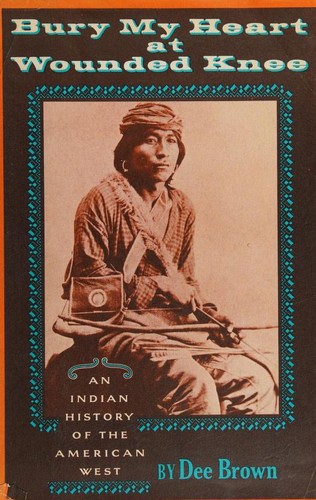
Brown’s 1970 bestseller tells the story of the American West from 1860 to 1890 from the perspective of Native nations, ending with the massacre at Wounded Knee. It changed how many Americans saw the frontier. It’s heartbreaking and essential.
2. An Indigenous Peoples’ History of the United States by Roxanne Dunbar-Ortiz
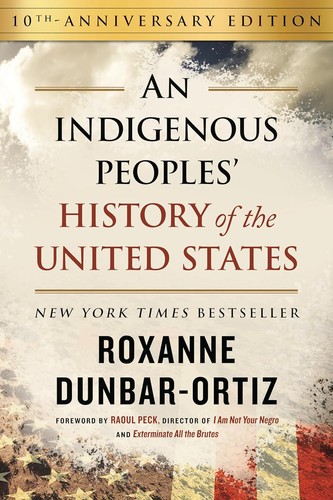
Dunbar-Ortiz retells U.S. history from the viewpoint of Indigenous peoples, arguing that colonialism and land seizure are central to the American story. It’s short and challenging, and a young readers’ edition is available.
3. 1491 by Charles C. Mann
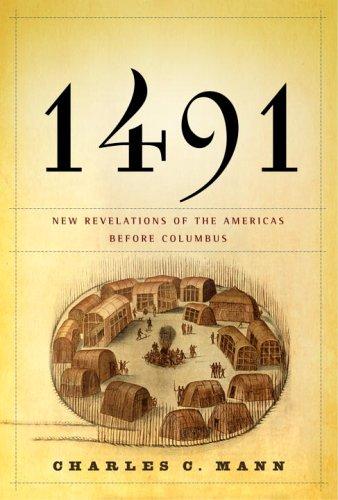
Mann shows that the Americas before 1492 were far more populated and sophisticated than many textbooks suggest, with great cities, farming and engineering. It’s fascinating, well researched and full of surprises.
4. The Heartbeat of Wounded Knee by David Treuer
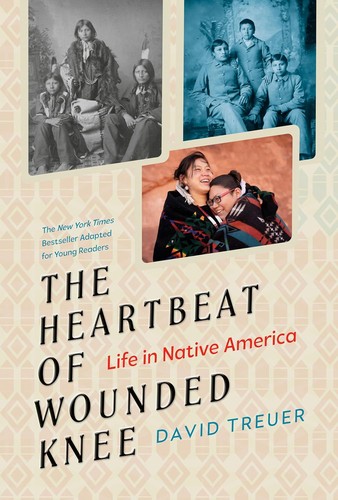
Ojibwe writer David Treuer picks up where Dee Brown left off, telling the story of Native America from 1890 to the present. It’s a story of survival and change, mixing history with personal reporting. It was a National Book Award finalist.
5. Killers of the Flower Moon by David Grann
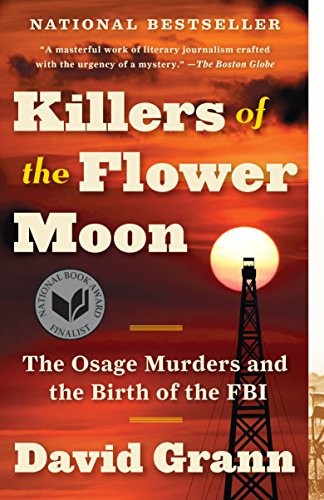
In the 1920s, members of the oil-rich Osage Nation in Oklahoma were murdered one after another. Grann tells the story of the killings and the investigation that helped shape the FBI. It’s gripping and was adapted into a 2023 film.
6. Lakota America by Pekka Hämäläinen
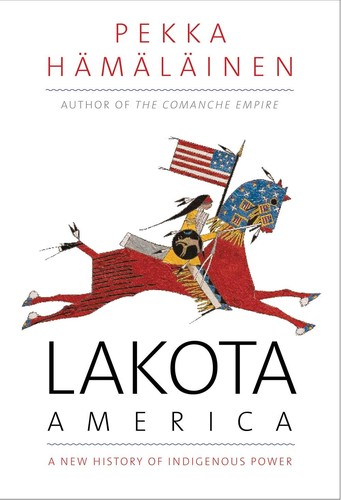
Hämäläinen tells the story of the Lakota people over 500 years, showing how they built a powerful empire on the Great Plains and resisted the United States. It’s a big, ambitious history that puts the Lakota at the center.
7. Braiding Sweetgrass by Robin Wall Kimmerer
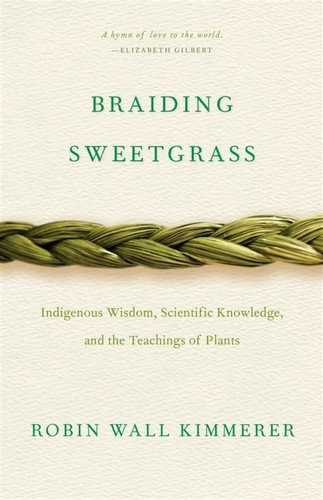
Kimmerer, a botanist and member of the Citizen Potawatomi Nation, blends Indigenous knowledge with plant science in essays about gratitude and our relationship with the land. It’s beautiful and a modern classic.
8. The Earth Is Weeping by Peter Cozzens
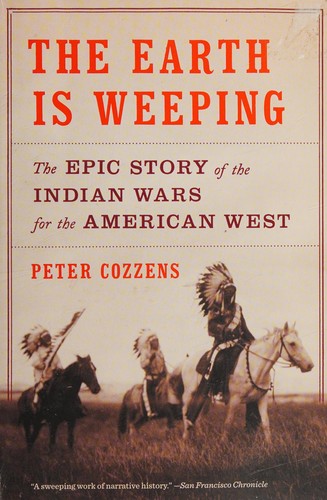
Cozzens tells the story of the wars between the United States and Native nations in the West after the Civil War, showing the complexity on all sides. It’s detailed and balanced.
9. Crazy Horse and Custer by Stephen E. Ambrose
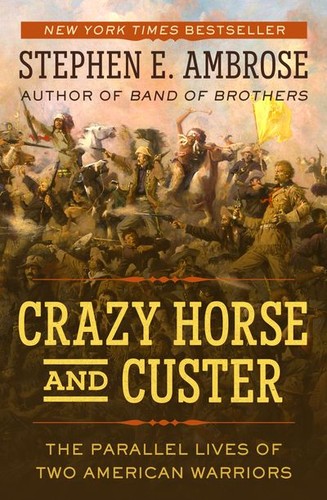
Ambrose tells the parallel lives of the Lakota leader Crazy Horse and George Armstrong Custer, whose paths met at the Little Bighorn in 1876. It’s a lively, readable double portrait.
10. There There by Tommy Orange
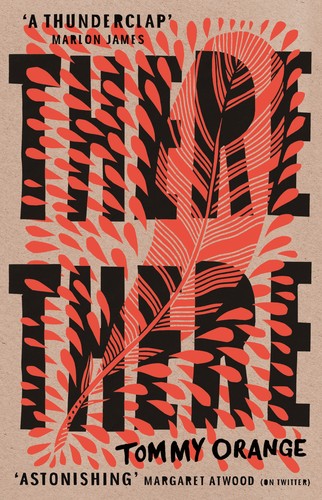
Orange’s acclaimed debut follows 12 Native characters in Oakland, California, whose lives connect at a big powwow. It’s urgent and moving, showing modern urban Native life. It was a Pulitzer finalist.
11. Our History Is the Future by Nick Estes
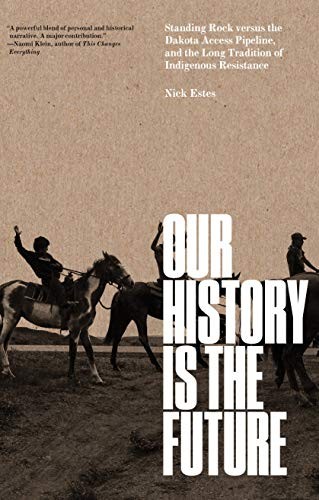
Estes, a Lakota historian, connects the 2016 protests against the Dakota Access Pipeline at Standing Rock to two centuries of Indigenous resistance. It’s passionate and eye-opening.
12. Everything You Know About Indians Is Wrong by Paul Chaat Smith
Smith, a Comanche writer and museum curator, writes funny, sharp essays about how Native people are portrayed in museums, films and popular culture. It challenges stereotypes with wit.
13. The Birchbark House by Louise Erdrich
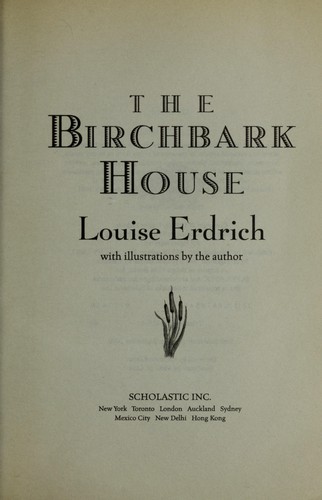
Erdrich, an Ojibwe author, tells the story of Omakayas, a young Ojibwe girl, and her family on an island in Lake Superior in 1847. It’s often compared to the Little House books, but from a Native perspective.
14. Native Nations by Kathleen DuVal
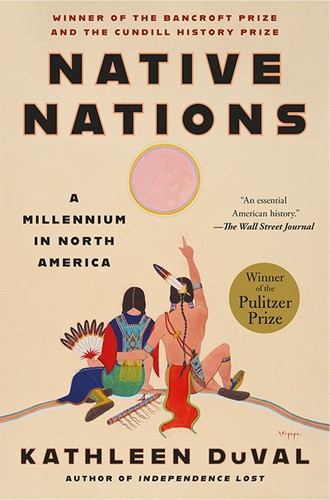
DuVal covers a thousand years of North American history, showing how powerful Native nations shaped the continent long before and long after Europeans arrived. It’s a wide-ranging, readable history.
15. Lakota Woman by Mary Crow Dog
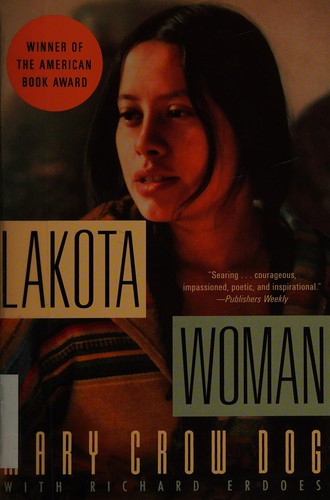
Mary Crow Dog grew up on the Rosebud Reservation and joined the American Indian Movement, taking part in the 1973 occupation of Wounded Knee, where she gave birth. Her memoir is raw and powerful.
Tips for Reading Native American History
- Read Native authors. Treuer, Kimmerer, Orange, Estes, Smith and Erdrich bring their own communities’ perspectives.
- Learn about the nation where you live. Look up whose land your town is on.
- Go beyond the 1800s. Native history continues; Treuer and Orange show modern life.
- Mix genres. Pair a history with a novel like There There.
- Visit a museum, like the National Museum of the American Indian or a tribal museum near you.
- Read with kids. The Birchbark House is a great family read.
Related: Killers of the Flower Moon by David Grann: Summary and Key Takeaways · 9 Essential Books Every Entrepreneur Should Read for Success
Frequently Asked Questions
What is the best book on Native American history?
Bury My Heart at Wounded Knee by Dee Brown is the classic, and The Heartbeat of Wounded Knee by David Treuer continues the story to the present.
What are good books by Native American authors?
Try The Heartbeat of Wounded Knee by David Treuer, Braiding Sweetgrass by Robin Wall Kimmerer, There There by Tommy Orange and The Birchbark House by Louise Erdrich.
How many Native American tribes are there?
There are more than 570 federally recognized tribes in the United States, plus many state-recognized and unrecognized tribes.