
Starting your journey as a fiction writer can feel overwhelming, but the right guidance makes all the difference. These carefully selected best books on writing fiction for beginners offer proven techniques, inspiring insights, and practical exercises to transform your storytelling dreams into reality. Whether you’re crafting your first short story or planning an epic novel, these resources will provide the foundation you need to succeed.
Table of Contents
1. On Writing by Stephen King
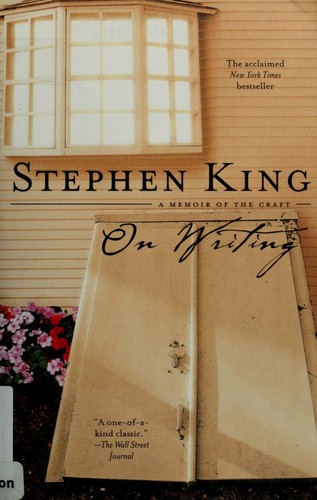
Stephen King’s memoir combines personal storytelling with practical writing advice in an incredibly accessible way. He shares his daily writing routine, emphasizes the importance of reading voraciously, and demystifies the creative process with honest, encouraging words. King’s approach to character development and his philosophy that stories should grow organically make this essential reading. The book’s conversational tone makes complex concepts feel manageable for new writers.
2. Bird by Bird by Anne Lamott
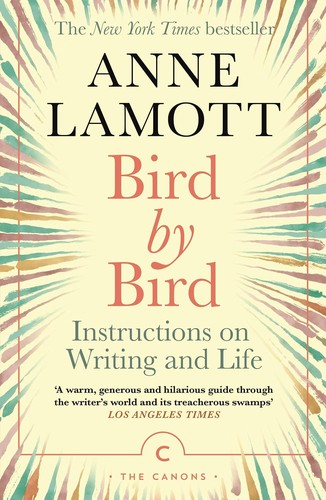
Anne Lamott’s beloved guide tackles the emotional and psychological aspects of writing with humor and compassion. She introduces the concept of “shitty first drafts,” liberating beginners from perfectionism that often paralyzes creativity. Lamott addresses writer’s block, self-doubt, and the importance of observing life closely for story material. Her warm, encouraging voice makes this one of the most comforting best books on writing fiction for beginners.
3. The First Five Pages by Noah Lukeman
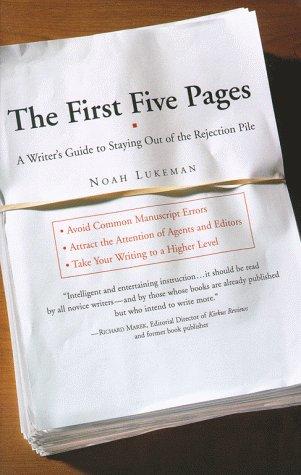
Literary agent Noah Lukeman reveals exactly what publishing professionals look for in opening pages. He provides specific techniques for hooking readers immediately and avoiding common beginner mistakes that lead to rejection. The book includes practical exercises for strengthening dialogue, pacing, and character introduction. Lukeman’s insider perspective offers invaluable insights into what makes manuscripts stand out in a crowded marketplace.
4. Plot & Structure by James Scott Bell
James Scott Bell breaks down story structure into digestible components that beginners can immediately apply. He covers the three-act structure, character arcs, and techniques for maintaining tension throughout your narrative. Bell provides multiple plotting methods, allowing writers to find the approach that works best for their creative process. The book includes numerous examples from successful novels, making abstract concepts concrete and actionable.
5. The Anatomy of Story by John Truby
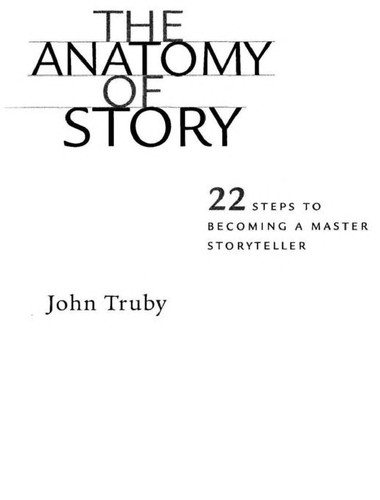
John Truby presents a comprehensive system for developing compelling stories from initial concept to final draft. He emphasizes the importance of premise, character development, and thematic elements working together harmoniously. Truby’s 22-step story structure provides a detailed roadmap for crafting narratives that resonate with readers. This book is particularly valuable for writers who prefer systematic approaches to creativity.
6. Self-Editing for Fiction Writers by Renni Browne and Dave King
Browne and King teach essential revision skills that transform rough drafts into polished manuscripts. They cover dialogue mechanics, point of view consistency, and techniques for showing rather than telling. The book includes before-and-after examples that demonstrate how professional editing improves readability. Learning self-editing skills early saves time and money while developing your critical eye for strong prose.
7. The Writer’s Journey by Christopher Vogler
Christopher Vogler adapts Joseph Campbell’s hero’s journey for modern storytelling, providing a proven template for compelling narratives. He explains archetypal characters and story stages that resonate across cultures and genres. Vogler demonstrates how mythic structure applies to contemporary fiction, from literary novels to genre stories. This book is particularly helpful for writers struggling with story momentum and character transformation.
8. Big Magic by Elizabeth Gilbert
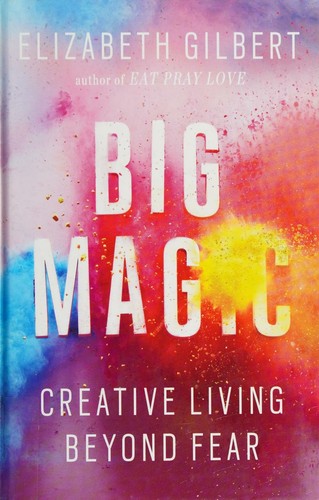
Elizabeth Gilbert explores the creative process with inspiring insights about overcoming fear and embracing curiosity. She encourages writers to approach their craft with playfulness rather than suffering, challenging romantic notions about tortured artists. Gilbert’s perspective on inspiration and creative courage provides emotional support for beginning writers. Her practical advice about maintaining creativity alongside daily responsibilities resonates with aspiring authors balancing multiple commitments.
9. The Art of Fiction by John Gardner
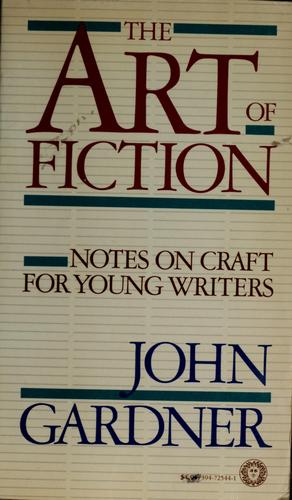
John Gardner’s classic guide delves deep into the craft elements that separate good fiction from great fiction. He discusses the importance of vivid and continuous fictional dreams that immerse readers completely. Gardner covers technical aspects like narrative voice, characterization, and the moral dimension of storytelling. Though more challenging than some beginner books, Gardner’s insights reward careful study and repeated reading.
10. Writing Down the Bones by Natalie Goldberg
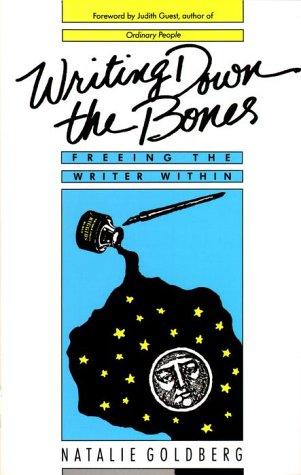
Natalie Goldberg combines Zen philosophy with practical writing exercises to unlock creative potential. She emphasizes the importance of regular writing practice and staying present during the creative process. Goldberg’s approach to overcoming internal critics and accessing authentic voice helps beginners develop confidence. Her timed writing exercises and prompts provide concrete tools for generating material and improving fluency.
11. The Emotional Craft of Fiction by Donald Maass
Donald Maass focuses on creating emotional resonance that keeps readers deeply engaged throughout your story. He provides specific techniques for developing emotional layers in characters and situations that might otherwise feel flat. Maass explains how to craft moments that readers remember long after finishing your book. This book elevates basic storytelling skills into the realm of truly compelling fiction that affects readers profoundly.
12. Into the Woods by John Yorke
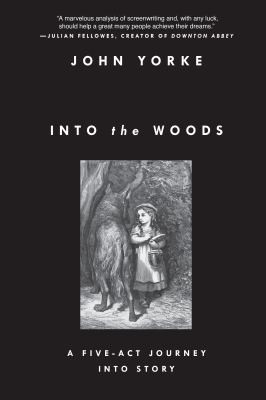
John Yorke examines story structure across different media, revealing universal patterns that create satisfying narratives. He explores how fractal structure operates at scene, chapter, and overall story levels. Yorke’s analysis of why certain stories work helps writers understand the deeper mechanics of effective storytelling. His insights bridge the gap between intuitive creativity and structural understanding, making this valuable for analytical beginners.
13. The Scene Book by Sandra Scofield
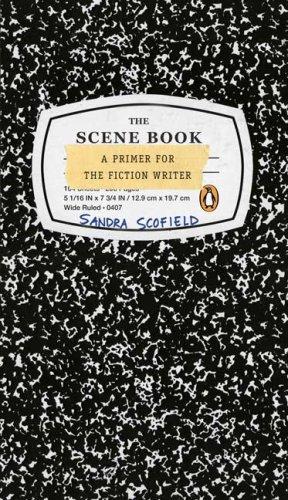
Sandra Scofield breaks down scene construction, teaching writers how to build the fundamental units of compelling fiction. She covers scene purposes, from advancing plot to revealing character, and how to make each scene essential. Scofield provides practical exercises for improving scene tension, pacing, and emotional impact. Understanding scene craft is crucial for beginners who often struggle with pacing and narrative momentum.
14. Creating Character Arcs by K.M. Weiland
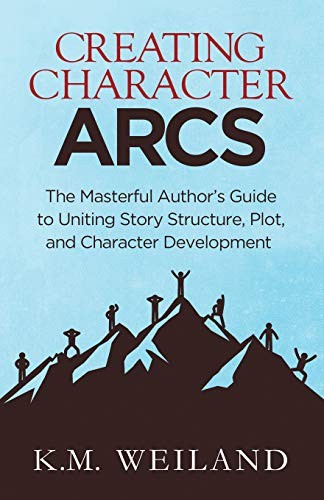
K.M. Weiland demonstrates how to craft character transformations that drive compelling stories forward naturally. She explains the relationship between plot events and internal character change, showing how they must work together. Weiland covers positive, negative, and flat character arcs with examples from successful novels and films. Her systematic approach helps beginners understand how character development creates emotional investment in readers.
15. The Writing Life by Annie Dillard
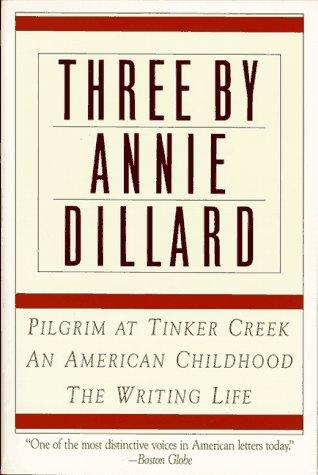
Annie Dillard’s poetic meditation on the writing process offers profound insights into the dedication required for serious fiction writing. She explores the relationship between life experience and creative expression with beautiful, inspiring prose. Dillard addresses the challenges of maintaining artistic vision while dealing with practical concerns. Her perspective on the writing life helps beginners understand both the rewards and sacrifices involved in pursuing fiction seriously.
Conclusion
These best books on writing fiction for beginners provide a comprehensive foundation for your storytelling journey. From Stephen King’s practical wisdom to Annie Dillard’s artistic inspiration, each book offers unique insights that will enhance your craft. Remember that reading about writing is just the beginning – consistent practice and application of these techniques will transform knowledge into skill. Start with the books that resonate most with your current needs, then gradually explore others as your understanding deepens. The combination of solid craft knowledge and regular writing practice will set you on the path to creating compelling fiction that connects with readers. Whether you’re writing your first short story or planning a novel, these resources will guide you through common challenges while inspiring you to develop your unique voice. The journey of becoming a fiction writer requires patience and persistence, but with these excellent guides, you’ll have the support and knowledge needed to succeed in bringing your stories to life.