

Political science has shaped our understanding of power, governance, and human nature for centuries. Whether you’re a student, scholar, or curious citizen, exploring the best political science books of all time offers invaluable insights into how societies function and evolve. These groundbreaking works have influenced generations of thinkers, policymakers, and revolutionaries, providing frameworks that continue to shape political discourse today.
From ancient philosophical treatises to modern analyses of democracy and authoritarianism, this curated list spans millennia of political thought. Each book represents a milestone in our collective understanding of governance, power structures, and the eternal quest for just societies. These texts don’t just belong in academic circles—they offer practical wisdom for anyone seeking to understand the complex world of politics and human organization.
Table of Contents
1. The Republic by Plato
Plato’s masterpiece remains one of the most influential works in political philosophy, written around 380 BCE. The dialogue explores justice, the ideal state, and the famous allegory of the cave, questioning the very nature of reality and governance. Plato’s vision of philosopher-kings and his critique of democracy continue to spark debate among scholars and politicians alike. This foundational text establishes many concepts that political theorists still grapple with today, making it essential reading for understanding Western political thought.
2. The Prince by Niccolò Machiavelli

Published in 1532, Machiavelli’s controversial treatise revolutionized political thinking by separating politics from morality. The book offers pragmatic advice on acquiring and maintaining political power, introducing concepts that seem ruthless but remain relevant in modern politics. Machiavelli’s famous assertion that “the ends justify the means” continues to influence political strategy and international relations. This slim volume packs enormous intellectual punch, earning its place among the best political science books of all time through its unflinching examination of power dynamics.
3. Leviathan by Thomas Hobbes
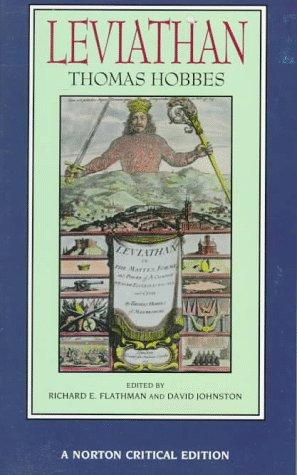
Hobbes’ 1651 masterwork presents a stark vision of human nature and the necessity of strong government to prevent societal chaos. His famous description of life in the state of nature as “solitary, poor, nasty, brutish, and short” justifies the social contract theory that underlies modern democratic governments. The book’s exploration of sovereignty, natural rights, and the relationship between individual liberty and collective security remains remarkably relevant. Leviathan’s influence extends far beyond political science, shaping philosophy, sociology, and legal theory for centuries.
4. Two Treatises of Government by John Locke
Locke’s 1689 work laid the philosophical foundation for modern liberal democracy and significantly influenced the American founding fathers. The treatises argue against absolute monarchy and propose that government derives its legitimacy from the consent of the governed. Locke’s ideas about natural rights, property, and the right of revolution directly shaped the Declaration of Independence and countless democratic movements worldwide. His balanced approach to individual liberty and governmental authority continues to inform contemporary debates about the proper scope of government power.
5. The Spirit of the Laws by Montesquieu
Published in 1748, Montesquieu’s comprehensive analysis of different forms of government introduced the crucial concept of separation of powers. His systematic examination of how climate, geography, and culture influence political systems pioneered comparative political analysis. The book’s advocacy for checks and balances directly influenced the structure of the American Constitution and numerous other democratic governments. Montesquieu’s nuanced understanding of how environmental and cultural factors shape political institutions makes this work particularly valuable for understanding global political diversity.
6. The Federalist Papers by Alexander Hamilton, James Madison, and John Jay
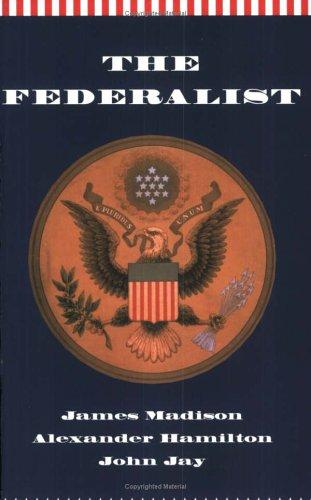
These 85 essays, published between 1787 and 1788, represent the most important American contribution to political theory. Written to defend the proposed Constitution, they provide deep insights into federalism, republicanism, and the practical challenges of democratic governance. Madison’s Federalist 10, addressing the problem of factions, and Hamilton’s discussions of executive power remain central to American political discourse. The papers demonstrate how theoretical political principles can be applied to real-world constitutional design, making them invaluable for understanding both American government and democratic theory generally.
7. Democracy in America by Alexis de Tocqueville
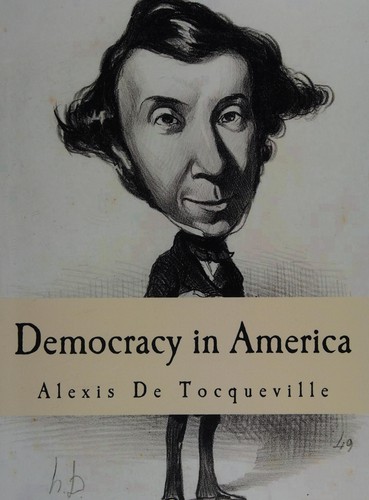
Tocqueville’s brilliant 1835 analysis of American democracy offers insights that remain startlingly relevant to contemporary politics. The French aristocrat’s observations about American individualism, civil society, and the potential dangers of majority tyranny provide a nuanced portrait of democratic life. His warnings about the “soft despotism” that could emerge in democratic societies seem prophetic in our age of expanding government and declining civic participation. The work’s combination of empirical observation and theoretical analysis makes it a model for political science research and one of the best political science books of all time.
8. The Communist Manifesto by Karl Marx and Friedrich Engels
This 1848 pamphlet fundamentally altered the course of world history by articulating a revolutionary critique of capitalism and proposing an alternative economic and political system. Marx and Engels’ analysis of class struggle and their prediction of capitalism’s eventual collapse influenced countless political movements and revolutions. While communist experiments largely failed in practice, the Manifesto’s insights into economic inequality and worker exploitation remain relevant to contemporary political debates. The work’s passionate prose and radical vision continue to inspire political activists and challenge conventional thinking about economic systems.
9. On Liberty by John Stuart Mill
Mill’s 1859 essay provides the most eloquent and influential defense of individual liberty in the English language. His harm principle—that actions should only be restricted when they harm others—continues to shape debates about the proper limits of government power and social control. The work’s passionate advocacy for freedom of thought, speech, and action laid crucial groundwork for modern civil liberties protections. Mill’s nuanced discussion of when society may legitimately interfere with individual choices remains essential reading for anyone interested in the balance between freedom and social responsibility.
10. The Wealth of Nations by Adam Smith
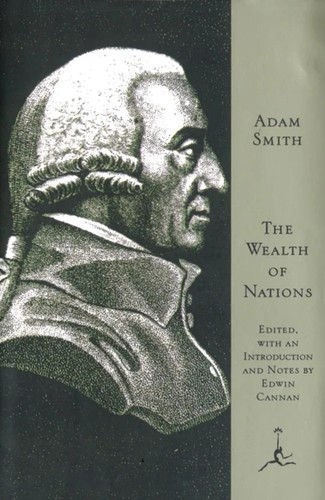
Although primarily an economics text, Smith’s 1776 masterpiece profoundly influenced political thought by demonstrating how market mechanisms could coordinate human behavior without central planning. His concept of the “invisible hand” and arguments for free trade shaped both economic policy and political philosophy for centuries. Smith’s insights into the relationship between economic and political freedom helped establish the intellectual foundation for modern capitalist democracies. The book’s analysis of how individual self-interest can serve the common good continues to inform debates about the proper role of government in economic affairs.
11. The Origins of Totalitarianism by Hannah Arendt
Arendt’s 1951 analysis of how totalitarian movements arise and function remains one of the most important works of 20th-century political thought. Her examination of Nazi Germany and Soviet Russia revealed how modern totalitarian regimes differ fundamentally from traditional tyrannies. The book’s insights into the role of ideology, propaganda, and mass society in enabling totalitarian control provide crucial tools for understanding contemporary threats to democracy. Arendt’s concept of the “banality of evil” and her analysis of how ordinary people become complicit in atrocities offer sobering lessons for any era.
12. A Theory of Justice by John Rawls
Published in 1971, Rawls’ systematic approach to questions of distributive justice revitalized political philosophy and provided new frameworks for thinking about fairness and equality. His thought experiment of the “original position” and “veil of ignorance” offers a powerful method for determining just social arrangements. The book’s influence extends far beyond academia, shaping public policy debates about healthcare, education, and social welfare. Rawls’ attempt to reconcile individual liberty with social equality makes this work essential for understanding contemporary debates about the proper goals of democratic government.
13. Bowling Alone by Robert Putnam
Putnam’s 2000 analysis of declining civic engagement in America sparked widespread debate about the health of democratic society. His documentation of decreasing participation in voluntary associations, political organizations, and community activities revealed troubling trends in social capital. The book’s insights into how social connections strengthen democratic institutions and improve governance outcomes have influenced policy makers worldwide. Putnam’s work demonstrates how best political science books of all time can combine rigorous empirical research with accessible prose to illuminate crucial contemporary challenges.
14. The End of History and the Last Man by Francis Fukuyama

Fukuyama’s controversial 1992 thesis that liberal democracy represents the final form of human government sparked intense debate about the direction of political development. His argument that the collapse of communism marked the triumph of democratic capitalism seemed prescient in the 1990s but faces new challenges in our current era of rising authoritarianism. The book’s Hegelian framework for understanding historical progress and its analysis of the relationship between economic and political freedom continue to influence debates about democratization and development. Whether one agrees with Fukuyama’s thesis or not, his work provides crucial insights into the forces shaping contemporary global politics.
15. Why Nations Fail by Daron Acemoglu and James Robinson
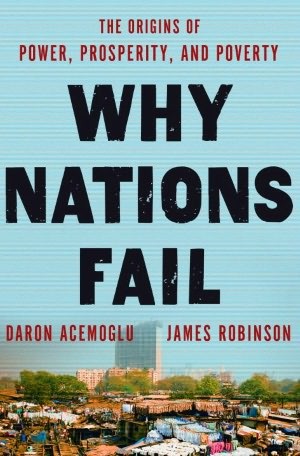
This 2012 work provides a comprehensive framework for understanding why some countries prosper while others remain poor, focusing on the crucial role of political and economic institutions. Acemoglu and Robinson’s distinction between “inclusive” and “extractive” institutions offers powerful tools for analyzing development outcomes across different societies and historical periods. Their emphasis on how political power shapes economic arrangements bridges traditional divides between political science and economics. The book’s combination of historical analysis, comparative case studies, and theoretical insights makes it an exemplary work of contemporary political science and a worthy addition to any list of the best political science books of all time.
Conclusion
These fifteen works represent the pinnacle of political thought across different eras, cultures, and ideological perspectives. From Plato’s ancient wisdom to contemporary analyses of institutional development, each book offers unique insights into the eternal questions of governance, power, and human organization. The best political science books of all time don’t just provide historical perspective—they offer practical tools for understanding and improving our current political systems.
Reading these classics will deepen your understanding of contemporary political debates and provide intellectual frameworks for analyzing current events. Whether you’re interested in democratic theory, comparative politics, international relations, or political economy, these foundational texts offer essential knowledge that transcends partisan divisions and temporary controversies.
The beauty of these works lies not just in their individual brilliance, but in how they build upon and respond to each other across centuries of human thought. Together, they form a rich conversation about the possibilities and challenges of political life, offering both inspiration and sobering realism about the human condition. For anyone serious about understanding politics, these books provide an indispensable foundation for lifelong learning and civic engagement.