

Learning Spanish through reading is one of the most effective and enjoyable ways to master this beautiful language. Whether you’re just starting your Spanish journey or looking to improve your vocabulary and comprehension, selecting the right books can make all the difference. These carefully chosen best books to read in spanish for beginners will help you build confidence while enjoying captivating stories and practical content that matches your current skill level.
From simple children’s tales to engaging young adult novels, these selections offer the perfect balance of entertainment and education. Each book provides valuable exposure to common vocabulary, essential grammar structures, and cultural insights that will accelerate your language learning progress.
Table of Contents
1. First Spanish Reader by Angel Flores
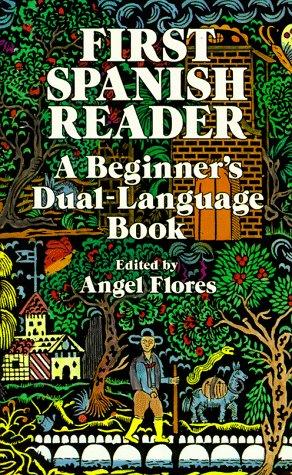
This classic collection serves as an ideal starting point for Spanish learners, featuring progressive stories that gradually increase in complexity. The book includes vocabulary lists and exercises that reinforce new words and concepts introduced in each chapter. Stories cover everyday situations and cultural themes, making the content both practical and engaging. The simple sentence structures and repetitive vocabulary patterns help beginners build confidence while developing reading comprehension skills.
2. Madeline by Ludwig Bemelmans (Spanish Edition)
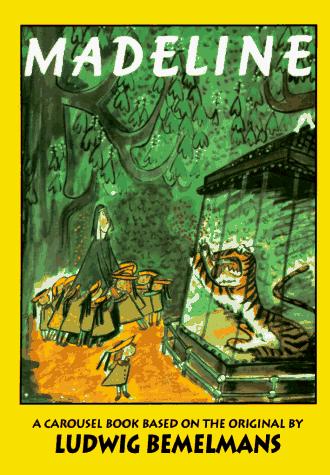
The beloved children’s classic translated into Spanish offers familiar storylines that help beginners focus on language rather than plot comprehension. The repetitive phrases and simple vocabulary make it perfect for those just starting their Spanish reading journey. Colorful illustrations provide context clues that support understanding, while the rhythmic text helps with pronunciation and flow. This book demonstrates how best books to read in spanish for beginners can be both educational and nostalgically enjoyable.
3. El Principito by Antoine de Saint-Exupéry
The Spanish translation of “The Little Prince” combines philosophical depth with accessible language, making it ideal for intermediate beginners. The poetic yet simple prose introduces beautiful vocabulary while telling a timeless story that resonates with readers of all ages. Short chapters make the book manageable for new Spanish readers, while the profound themes provide material for reflection and discussion. The universal appeal of this story helps maintain motivation throughout the reading experience.
4. Pobre Ana by Blaine Ray
Specifically designed for Spanish language learners, this novella uses high-frequency vocabulary and simple grammar structures to tell an engaging story. The book follows Ana, a teenager who travels to Mexico and faces various challenges that resonate with young readers. Written with the Total Physical Response Storytelling method, it reinforces common vocabulary through repetition and context. The contemporary setting and relatable characters make Spanish learning feel relevant and exciting for modern students.
5. Cajas de Cartón by Francisco Jiménez
This collection of autobiographical short stories provides insight into Mexican-American culture while using accessible Spanish prose. Each story stands alone, allowing readers to take breaks without losing narrative continuity. The author’s clear, straightforward writing style makes complex emotions and experiences understandable for Spanish learners. These stories offer valuable cultural context that enhances language learning beyond mere vocabulary acquisition.
6. La Casa en Mango Street by Sandra Cisneros
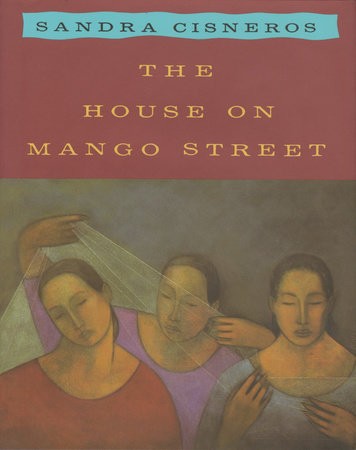
Originally written in English and beautifully translated to Spanish, this coming-of-age novel uses simple yet powerful language to tell Esperanza’s story. The vignette format creates natural stopping points for reflection and vocabulary review. The bilingual themes in the story make it particularly relevant for Spanish learners navigating between languages and cultures. Short chapters and poetic language make this one of the best books to read in spanish for beginners who want literary quality without overwhelming complexity.
7. Esperanza Rising by Pam Muñoz Ryan (Spanish Edition)
This award-winning novel tells the story of a young girl’s journey from privilege to hardship during the Great Depression. The Spanish translation maintains the book’s emotional impact while providing excellent vocabulary related to family, work, and perseverance. Historical context adds educational value beyond language learning, making reading sessions both informative and engaging. The clear narrative structure helps beginners follow the plot while absorbing new Spanish vocabulary naturally.
8. Platero y Yo by Juan Ramón Jiménez
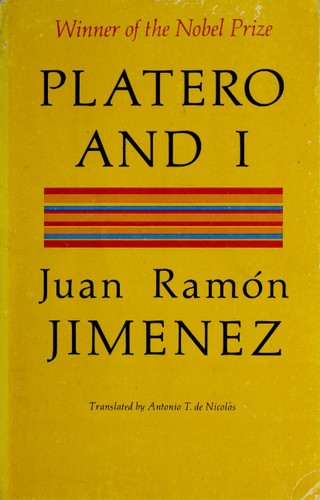
This Nobel Prize winner’s gentle prose about a man and his donkey offers beautiful examples of descriptive Spanish writing. The episodic structure allows readers to enjoy short, complete stories without committing to lengthy reading sessions. Rich imagery and emotional depth demonstrate the beauty of the Spanish language while remaining accessible to beginners. The universal themes of friendship and nature transcend cultural boundaries, making the content relatable for all readers.
9. Marianela by Benito Pérez Galdós (Simplified Edition)
This adapted version of the Spanish classic maintains the story’s emotional core while simplifying vocabulary and sentence structure for beginners. The tragic love story provides compelling motivation to continue reading despite challenging passages. Footnotes and glossaries in beginner editions help readers understand difficult concepts without constant dictionary consultation. This book bridges the gap between simple readers and authentic Spanish literature, preparing students for more advanced texts.
10. Cuentos de la Selva by Horacio Quiroga
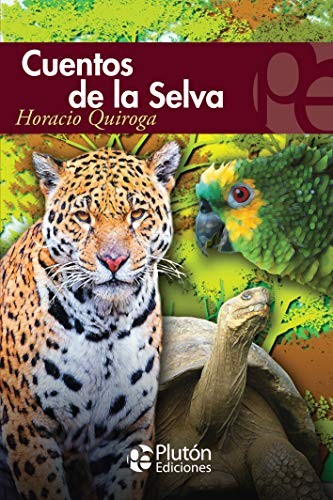
These jungle tales combine adventure with moral lessons, using vocabulary related to nature and animals that beginners find engaging and memorable. The short story format allows readers to complete satisfying narratives in single reading sessions. Quiroga’s clear, direct writing style makes complex jungle adventures accessible to Spanish learners. These stories demonstrate how best books to read in spanish for beginners can transport readers to different worlds while building language skills.
11. Lazarillo de Tormes (Adapted Version)
This simplified version of the Spanish picaresque classic introduces beginners to important literary traditions while maintaining accessibility. The episodic adventures of young Lazaro provide humor and social commentary that keeps readers engaged. Adapted editions include helpful notes explaining historical and cultural references that might confuse modern readers. The book offers insight into Spanish history and society while developing reading comprehension skills through entertaining storytelling.
12. El Libro de la Selva by Rudyard Kipling (Spanish Edition)
The Spanish translation of “The Jungle Book” offers familiar characters and storylines that help beginners focus on language learning rather than plot comprehension. Adventure themes and animal characters appeal to readers of all ages while introducing vocabulary related to nature and survival. The episodic structure allows for flexible reading schedules, making it easier to maintain consistent practice. Translation quality ensures that the original story’s magic remains intact while providing excellent Spanish language exposure.
13. Manolito Gafotas by Elvira Lindo
This humorous series about a Spanish boy’s adventures uses contemporary language and cultural references that help beginners understand modern Spanish society. The first-person narrative style provides excellent examples of conversational Spanish and colloquial expressions. Humor makes the learning process enjoyable while reinforcing vocabulary through memorable situations and characters. The episodic nature allows readers to enjoy complete adventures while gradually building reading stamina and comprehension skills.
14. Frin by Luis María Pescetti
This Argentine novel about adolescent friendship uses accessible language to explore universal themes of growing up and social dynamics. The contemporary setting and relatable characters help Spanish learners connect with the story while absorbing new vocabulary naturally. Short chapters and dialogue-heavy sections provide variety in reading experience and exposure to different language registers. The book demonstrates how modern Latin American literature can serve as excellent material for language learning.
15. Cuentos para Dormir by Various Authors
Collections of traditional Spanish bedtime stories offer cultural insight while using simple vocabulary and familiar story structures. These tales introduce readers to Spanish folklore and cultural values through entertaining narratives. The repetitive language patterns common in folk tales help reinforce vocabulary and grammar structures through natural repetition. Short story lengths make these collections perfect for establishing regular reading habits without overwhelming beginning Spanish students.
Choosing the Right Book for Your Level
Selecting appropriate reading material requires honest assessment of your current Spanish proficiency and reading goals. Begin with books that challenge you slightly without causing frustration or requiring constant dictionary consultation. Look for texts where you understand approximately seventy to eighty percent of the vocabulary, allowing context clues to help with unfamiliar words.
Consider your personal interests when choosing best books to read in spanish for beginners, as engagement with the subject matter will motivate you through difficult passages. Books with familiar plots or themes provide scaffolding that supports comprehension while you focus on language acquisition. Don’t hesitate to start with children’s books or young adult novels, as these often contain sophisticated themes presented in accessible language.
Maximizing Your Reading Experience
Develop effective reading strategies that support comprehension without interrupting the flow of your reading experience. Keep a vocabulary journal to record new words and phrases, but avoid stopping to look up every unfamiliar term. Instead, try to understand meaning through context clues and continue reading to maintain narrative momentum.
Set realistic reading goals that encourage consistent practice without creating pressure that might diminish enjoyment. Reading just fifteen to twenty minutes daily with best books to read in spanish for beginners will produce better results than sporadic longer sessions. Create a comfortable reading environment free from distractions, and consider reading aloud occasionally to practice pronunciation and rhythm.
Building Cultural Understanding Through Literature
Spanish literature offers windows into diverse cultures across Spain and Latin America, providing context that enhances language learning beyond vocabulary and grammar. Pay attention to cultural references, social customs, and historical contexts presented in your chosen books. These elements deepen your understanding of Spanish-speaking communities and make your language skills more culturally appropriate and nuanced.
Discuss your reading with other Spanish learners or native speakers when possible, as conversation about literature reinforces comprehension while providing speaking practice. Join online book clubs or reading groups focused on Spanish literature to share insights and maintain motivation. These communities often recommend additional titles and provide support for challenging reading passages.
Conclusion
Reading Spanish literature as a beginner opens doors to language mastery while providing endless entertainment and cultural enrichment. These fifteen carefully selected titles represent the best books to read in spanish for beginners because they balance accessibility with engaging content that motivates continued learning. From classic children’s stories to contemporary novels, each book offers unique advantages for developing reading comprehension, vocabulary, and cultural understanding.
Remember that progress in language learning comes through consistent practice rather than perfect comprehension of every word and phrase. Choose books that spark your curiosity and match your current skill level, allowing yourself to grow gradually into more complex texts. The journey of reading in Spanish will reward you with improved language skills, cultural insights, and the pure joy of experiencing great literature in its original language.
Start with one book that appeals to your interests and reading level, then gradually expand your Spanish library as your confidence and skills develop. These foundational reading experiences will prepare you for a lifetime of enjoying Spanish literature while continuing to refine and expand your language abilities through the power of great storytelling.