
Disclosure: As an Amazon Associate, Bookish Wisdom earns from qualifying purchases. This doesn’t change our picks or your price.
Quick answer: The best books to read before visiting France include A Year in Provence, Chocolat, Suite Française, Madame Bovary, The Count of Monte Cristo and Sarah’s Key. Choose A Year in Provence for charm, Suite Française for history and The Little Prince for a short classic.
Travel conditions, entry rules and safety advice change. Check your government’s official travel advisory before you go.
France has given the world some of its favorite stories, from the swashbuckling adventures of Dumas to the quiet realism of Flaubert and the sunlit memoirs of Provence. A trip is richer when you know the writers who loved its villages, cathedrals and kitchens. This list of fifteen books takes you beyond Paris to Provence, Normandy, the Loire and the sea. You will find novels, memoirs, history and essays, from lighthearted tales of bread and wine to the heartbreaking history of World War II. Some are light enough for a train, others rich enough for a rainy week in a gîte. Read a couple before you go and notice how the landscapes in the books match the roads you travel.
Table of Contents
Quick Picks at a Glance
| Book | Author | Type | Best For |
|---|---|---|---|
| A Year in Provence | Peter Mayle | Memoir | readers who want sunshine |
| Chocolat | Joanne Harris | Novel | readers who like village stories |
| Suite Française | Irène Némirovsky | Novel | readers interested in WWII |
| Madame Bovary | Gustave Flaubert | Classic | readers who like realism |
| The Count of Monte Cristo | Alexandre Dumas | Classic | readers who love adventure |
| Sarah’s Key | Tatiana de Rosnay | Historical fiction | readers who want emotional history |
| All the Light We Cannot See | Anthony Doerr | Historical fiction | readers who like beautiful prose |
| The Little Prince | Antoine de Saint-Exupéry | Fable | readers who want a short classic |
| A Tale of Two Cities | Charles Dickens | Classic | readers who like the French Revolution |
| Bonjour Tristesse | Françoise Sagan | Novel | readers who want a short summer read |
| The Discovery of France | Graham Robb | History | readers who like geography and history |
| Bringing Up Bébé | Pamela Druckerman | Culture | parents curious about French habits |
| Jean de Florette | Marcel Pagnol | Novel | readers who like Provençal drama |
| Flaubert’s Parrot | Julian Barnes | Novel | readers who like literary puzzles |
| The Elegance of the Hedgehog | Muriel Barbery | Novel | readers who like philosophical fiction |
1. A Year in Provence by Peter Mayle
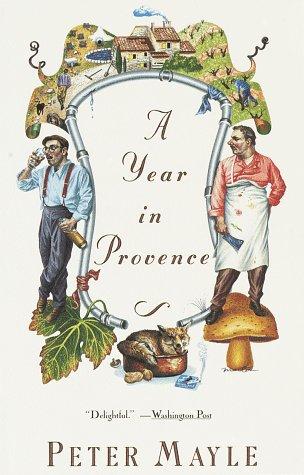
An Englishman buys a farmhouse in the Luberon and meets stubborn craftsmen and delicious meals. Funny and charming.
Best for: readers who want sunshine.
2. Chocolat by Joanne Harris
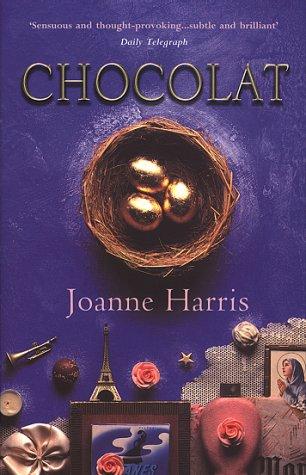
A mysterious woman opens a chocolate shop in a conservative French village. Sweet and magical.
Best for: readers who like village stories.
3. Suite Française by Irène Némirovsky
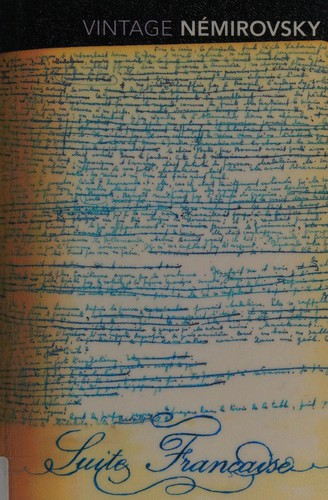
Written in 1941–42 by a Jewish novelist who died at Auschwitz, it captures the exodus from Paris and life under occupation. Powerful and unfinished. Content note: wartime hardship.
Best for: readers interested in WWII.
4. Madame Bovary by Gustave Flaubert
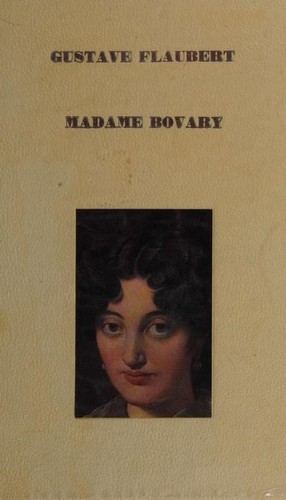
A doctor’s wife seeks romance and luxury in provincial Normandy. A masterpiece of style. Content note: a tragic ending.
Best for: readers who like realism.
5. The Count of Monte Cristo by Alexandre Dumas
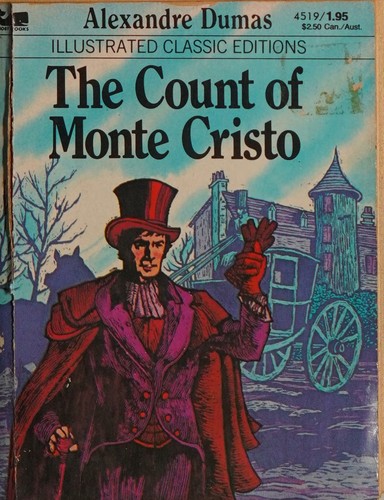
A wrongly imprisoned sailor escapes and plots revenge. Choose a good unabridged or abridged translation.
Best for: readers who love adventure.
6. Sarah’s Key by Tatiana de Rosnay
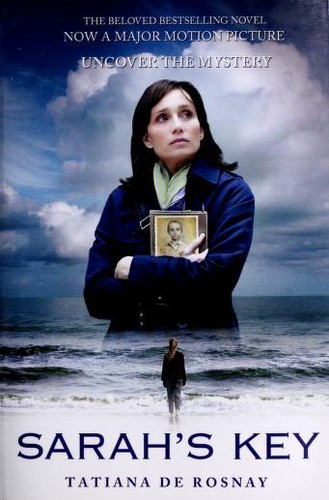
A journalist uncovers the story of a girl caught up in the 1942 Vel’ d’Hiv roundup in Paris. Content note: Holocaust themes.
Best for: readers who want emotional history.
7. All the Light We Cannot See by Anthony Doerr
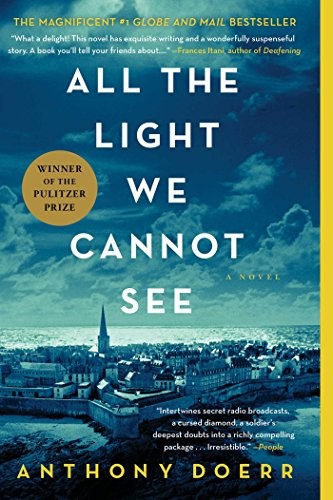
A blind French girl and a German boy during World War II, with Saint-Malo at the center. Lyrical. Content note: wartime violence.
Best for: readers who like beautiful prose.
8. The Little Prince by Antoine de Saint-Exupéry
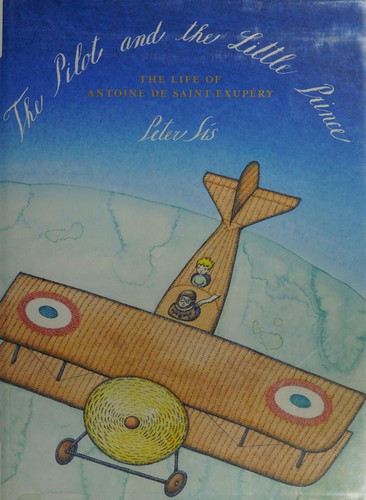
A pilot meets a prince from another planet. Brief and wise.
Best for: readers who want a short classic.
9. A Tale of Two Cities by Charles Dickens
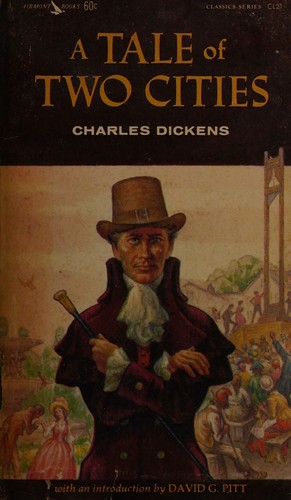
Dickens’s novel of London and Paris during the Revolution. Content note: violence.
Best for: readers who like the French Revolution.
10. Bonjour Tristesse by Françoise Sagan
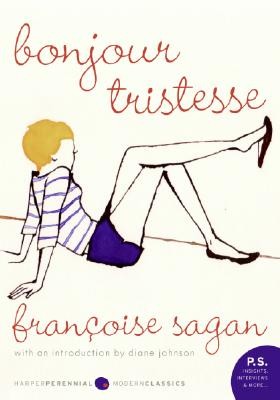
A seventeen-year-old on the Riviera schemes to protect her carefree life. Sharp and brief.
Best for: readers who want a short summer read.
11. The Discovery of France by Graham Robb
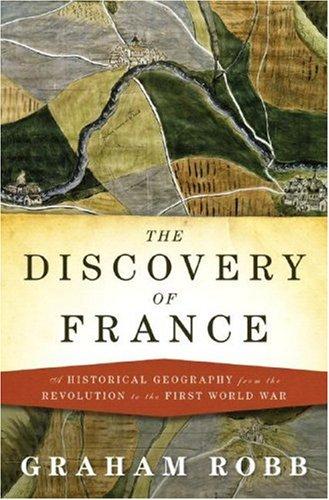
Robb cycles through the French countryside to reveal how varied the country was. Fascinating.
Best for: readers who like geography and history.
12. Bringing Up Bébé by Pamela Druckerman
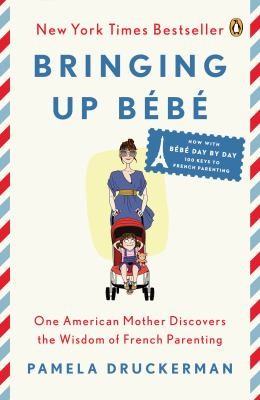
An American in Paris explores French parenting.
Best for: parents curious about French habits.
13. Jean de Florette by Marcel Pagnol
A hunchbacked newcomer fights for water in Provence. Classic and tragic.
Best for: readers who like Provençal drama.
14. Flaubert’s Parrot by Julian Barnes
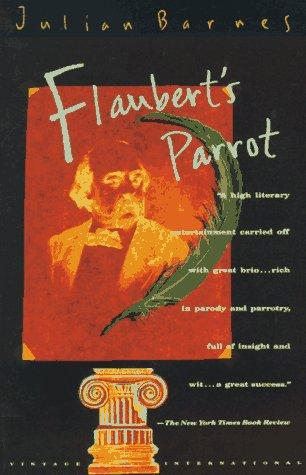
A retired doctor searches for the truth about Flaubert. Witty and clever.
Best for: readers who like literary puzzles.
15. The Elegance of the Hedgehog by Muriel Barbery
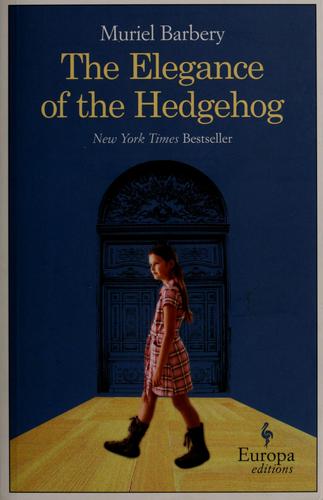
A concierge and a precocious girl in a Paris apartment building. Gentle and witty.
Best for: readers who like philosophical fiction.
How to Choose the Right Book on France
Choose by region and tone. For Provence, A Year in Provence and Jean de Florette are sunny. For Paris and the north, The Elegance of the Hedgehog and A Tale of Two Cities offer city views. For Normandy and Brittany, All the Light We Cannot See brings Saint-Malo to life. For history and war, Suite Française and Sarah’s Key are moving. For classic novels, Madame Bovary and The Count of Monte Cristo are gripping. For culture, The Discovery of France and Bringing Up Bébé explain habits. Mix light and serious books.
Which Book Should You Start With? A Quick Guide
If you are not sure where to begin, match your situation to the list below.
- Readers who want sunshine: A Year in Provence
- Readers who like village stories: Chocolat
- Readers interested in WWII: Suite Française
- Readers who like realism: Madame Bovary
- Readers who love adventure: The Count of Monte Cristo
- Readers who want emotional history: Sarah’s Key
- Readers who like beautiful prose: All the Light We Cannot See
- Readers who want a short classic: The Little Prince
- Readers who like the French Revolution: A Tale of Two Cities
- Readers who want a short summer read: Bonjour Tristesse
- Readers who like geography and history: The Discovery of France
- Parents curious about French habits: Bringing Up Bébé
- Readers who like Provençal drama: Jean de Florette
- Readers who like literary puzzles: Flaubert’s Parrot
- Readers who like philosophical fiction: The Elegance of the Hedgehog
A Simple Reading Plan
Start about two months before you go. Begin with A Year in Provence, an approachable way into France, then add a novel set there for atmosphere. In the last weeks, read something on history or culture and finish with a memoir or travel account so the place feels personal. Keep a notebook of places, dishes, phrases and questions you meet on the page. If you only have a week, read A Year in Provence and one novel, and listen to an audiobook on the plane. The aim is not to master France but to arrive curious and informed enough to notice more.
Print, E-Book or Audiobook?
Format matters more than people expect. If you tend to forget what you read, choose print or an e-book so you can underline and review. If your time is limited, audiobooks fit into the gaps of your day. For a topic like France, short chapters are an advantage, since you can finish one in a single sitting and think about it afterward. Libraries lend e-books and audiobooks free, and many offer print copies of new releases through holds. Try one format for a week and switch if it is not working.
How to Get More From What You Read
Reading before a trip works best when you turn it into planning. Note every place, food and festival that catches your attention, and put them on a map. Look up the neighborhoods in the novels you read and see which ones you can visit. Learn ten words of the local language, watch a film set in France and ask friends who have been there for tips. Share favorite passages with your travel companions so everyone arrives with the same excitement. After the trip, reread a favorite book; it will read differently once you have walked the streets.
Reading on a Budget
Good books on France are easier to afford than most people think. Library cards open up print, e-book and audiobook borrowing, and interlibrary loan can find titles your branch does not own. Used copies cost a fraction of new ones, and many of the classics are inexpensive in paperback. Try a sample chapter online to see whether an author’s voice suits you before you commit. If you finish a book you love, consider passing it to a friend, which keeps the ideas moving and your shelf uncluttered.
Talk About What You Read
Ideas stick when you talk about them. Choose one book from this list and invite a friend, partner or colleague to read it with you, then meet for coffee to compare notes on France. Online communities and library groups also host discussions, and many of these books have free reading guides. If you prefer privacy, a journal works well: write a paragraph after each chapter on what you agree with, what you doubt and what you will try. Teaching an idea to someone else is one of the best ways to learn it, so explain what you read in your own words.
Common Mistakes to Avoid
A few mistakes are common. Do not treat novels as guidebooks; fiction can romanticize, exaggerate or simplify a place. Do not rely only on outsiders’ accounts, and seek voices from the country itself. Check publication dates, since places change quickly and a book from decades ago may describe a very different reality. Avoid reading only dark or only glamorous stories, which gives a lopsided picture of France. And do not let reading replace current, practical research on visas, health, safety and local customs. Balanced reading prepares you to see people as individuals, not stereotypes.
How to Judge a Book on France
Not every book about France is equally reliable or fair. Check who is speaking: a native writer, a long-term resident, a journalist, a historian or a short-term visitor. Each offers something different. Look at the publication date, since politics, prices and customs change. For history, prefer authors with notes and sources. For fiction, remember that vivid does not mean accurate. Read at least one book by an author from France, and if possible one translated work, to hear voices from inside the culture. A mix of insider and outsider perspectives gives the fairest picture.
Reading Is Not Planning
Books can inspire and inform, but they are not travel advice. Before you go, check your government’s official travel advisories, entry and visa requirements, health recommendations and local laws, and consider travel insurance. Customs around dress, behavior, tipping and photography vary, and a recent guidebook or the embassy website can help. If you travel to a region with political tension or natural hazards, follow current local guidance. Treat the books in this guide as a way to understand and enjoy France, and use official sources for rules and safety.
Questions to Reflect On
Keep these in a notebook as you read:
- Which places in these books do I most want to see?
- Whose voice am I hearing: a local, a visitor or a historian?
- What do these books leave out?
- How might the place look different today?
- What would I like to ask a local when I arrive?
Tips for Reading About France
- Read by region. Provence, Normandy, Loire.
- Learn greetings. Bonjour matters.
- Mind the meals. French lunches are long.
- Visit bookshops. Small shops sell paperbacks.
- Try audio. Great for train rides.
Related: 15 Best Books to Read Before Visiting Portugal and 15 Best Books to Read Before Visiting Spain.
Frequently Asked Questions
What are the best books to read before visiting France?
A Year in Provence, Suite Française, The Count of Monte Cristo and The Little Prince are popular.
Which books capture French countryside?
A Year in Provence, Jean de Florette and The Discovery of France.
Any light reads?
Chocolat and Bonjour Tristesse are quick and charming.
How many books on France should I read at once?
One or two at a time is plenty. Finish a book, try one idea from it and then move on, so what you read turns into something you do.
Are these books on France available as audiobooks?
Most of them are. Check your library’s app, such as Libby, or an audiobook service, and listen to a sample to see whether the narrator suits you.