

Disclosure: As an Amazon Associate, Bookish Wisdom earns from qualifying purchases. This doesn’t change our picks or your price.
Quick answer: The best books to read before visiting Greece include The Odyssey, The Iliad, Mythos, Circe, The Song of Achilles and Oedipus Rex. Read The Odyssey in a modern translation, My Family and Other Animals for the islands and Mythos for a funny retelling of the myths.
Travel conditions, entry rules and safety advice change. Check your government’s official travel advisory before you go.
Greece is where stories began. The islands, temples and olive groves are the stage of myths that have shaped Western imagination for nearly three thousand years, and the modern country has its own tales of resilience, humor and hospitality. Reading before your trip turns ruins into scenes and ordinary hills into mountains where gods once argued. The fifteen books below mix ancient epics, tragedies, modern novels, memoirs and travel writing. Some are playful, some solemn, and a few are laugh-out-loud funny. Read a retelling like Mythos to learn the stories quickly, and take a lyrical memoir to the beach. When you stand at the Acropolis or on an island hillside, the pages will come to life.
Table of Contents
Quick Picks at a Glance
| Book | Author | Type | Best For |
|---|---|---|---|
| The Odyssey | Homer | Epic poem | readers who want the classic |
| The Iliad | Homer | Epic poem | readers who love war stories |
| Mythos | Stephen Fry | Retelling | readers who want a funny introduction |
| Circe | Madeline Miller | Mythic retelling | readers who like novels |
| The Song of Achilles | Madeline Miller | Mythic retelling | readers who like love stories |
| Oedipus Rex | Sophocles | Tragedy | readers who want a short classic |
| Antigone | Sophocles | Tragedy | readers who like moral dilemmas |
| Zorba the Greek | Nikos Kazantzakis | Novel | readers who want zest |
| Captain Corelli’s Mandolin | Louis de Bernières | Novel | readers who love romance and history |
| My Family and Other Animals | Gerald Durrell | Memoir | readers who want laughs |
| Prospero’s Cell | Lawrence Durrell | Travel memoir | readers who like lyrical prose |
| Mani | Patrick Leigh Fermor | Travel writing | readers who love deep travel |
| The Magus | John Fowles | Novel | readers who like mystery |
| The Histories | Herodotus | History | readers who like ancient voices |
| Persian Fire | Tom Holland | History | readers who love narrative history |
1. The Odyssey by Homer
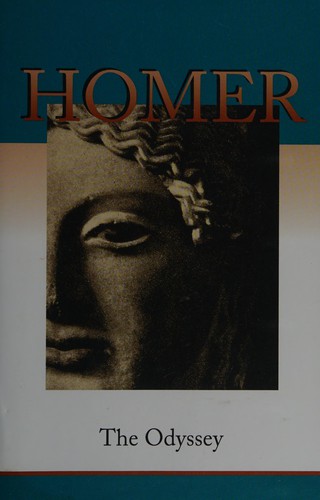
Odysseus’s ten-year journey home from Troy. Choose a modern translation by Emily Wilson, Robert Fagles or others for fluid reading.
Best for: readers who want the classic.
2. The Iliad by Homer
The anger of Achilles during the Trojan War. Grand and tragic. Content note: war violence.
Best for: readers who love war stories.
3. Mythos by Stephen Fry
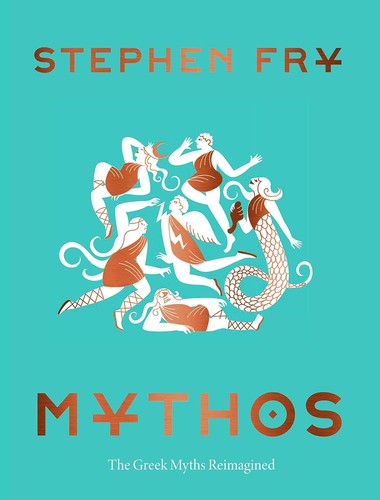
Fry retells Greek myths with wit and warmth. A fast, enjoyable way to learn the stories.
Best for: readers who want a funny introduction.
4. Circe by Madeline Miller
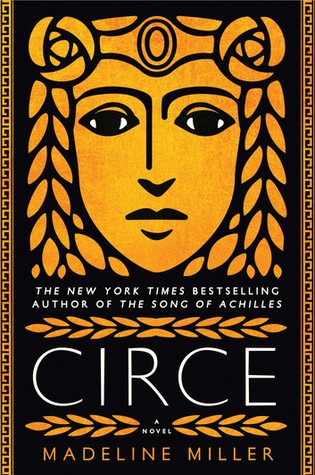
The witch of Aiaia tells her own story. Lyrical and powerful. Content note: some violence.
Best for: readers who like novels.
5. The Song of Achilles by Madeline Miller
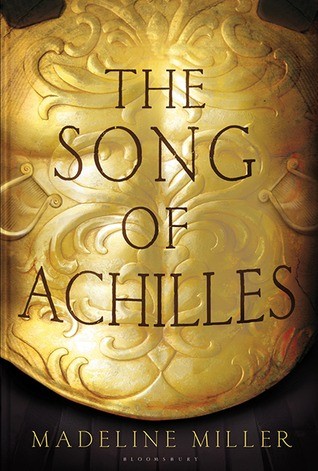
Patroclus narrates his bond with Achilles. Heartbreaking. Content note: war violence.
Best for: readers who like love stories.
6. Oedipus Rex by Sophocles
A king discovers terrible truths about his past. Gripping and brief. Content note: disturbing themes.
Best for: readers who want a short classic.
7. Antigone by Sophocles
A young woman defies a king to bury her brother. A short, timeless play.
Best for: readers who like moral dilemmas.
8. Zorba the Greek by Nikos Kazantzakis

A scholar meets Alexis Zorba, a vivid, life-loving Cretan. Joyful and philosophical.
Best for: readers who want zest.
9. Captain Corelli’s Mandolin by Louis de Bernières

A love story on Cephalonia during the Italian and German occupation of World War II. Content note: war violence.
Best for: readers who love romance and history.
10. My Family and Other Animals by Gerald Durrell
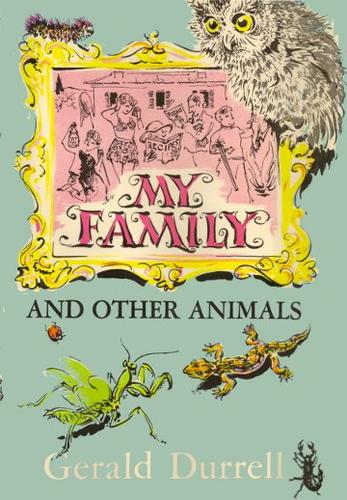
A boy’s childhood on Corfu with a menagerie and eccentric family. Funny and sunlit.
Best for: readers who want laughs.
11. Prospero’s Cell by Lawrence Durrell

Durrell’s portrait of Corfu before the war. Poetic.
Best for: readers who like lyrical prose.
12. Mani by Patrick Leigh Fermor

A brilliant exploration of the wild Peloponnese peninsula. Learned and elegant.
Best for: readers who love deep travel.
13. The Magus by John Fowles

A young Englishman teaching on a Greek island is drawn into a psychological game. Content note: some mature content.
Best for: readers who like mystery.
14. The Histories by Herodotus
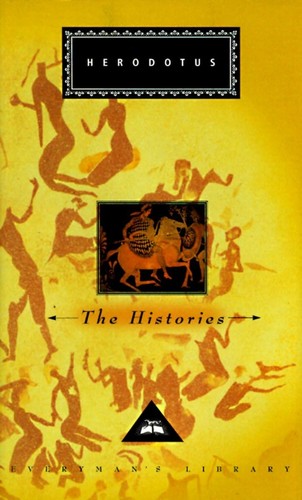
Herodotus recounts the Greco-Persian wars with digressions on customs and legends.
Best for: readers who like ancient voices.
15. Persian Fire by Tom Holland
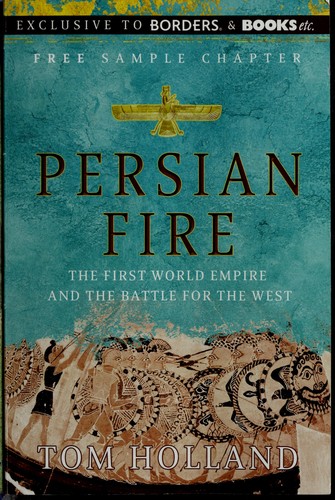
The story of the Persian Empire’s clash with the Greek city-states, from Marathon to Salamis.
Best for: readers who love narrative history.
How to Choose the Right Book on Greece
Choose by interest. For the myths, Mythos, The Odyssey, The Iliad and Circe are essential. For tragedies, Oedipus Rex and Antigone are short and powerful. For island life, My Family and Other Animals, Prospero’s Cell and Captain Corelli’s Mandolin are evocative. For travel with depth, Patrick Leigh Fermor’s Mani is brilliant. For modern Greek spirit, Zorba the Greek is lively. For history, The Histories and Persian Fire bring battles to life. For a quick start, listen to Mythos on the plane.
Which Book Should You Start With? A Quick Guide
If you are not sure where to begin, match your situation to the list below.
- Readers who want the classic: The Odyssey
- Readers who love war stories: The Iliad
- Readers who want a funny introduction: Mythos
- Readers who like novels: Circe
- Readers who like love stories: The Song of Achilles
- Readers who want a short classic: Oedipus Rex
- Readers who like moral dilemmas: Antigone
- Readers who want zest: Zorba the Greek
- Readers who love romance and history: Captain Corelli’s Mandolin
- Readers who want laughs: My Family and Other Animals
- Readers who like lyrical prose: Prospero’s Cell
- Readers who love deep travel: Mani
- Readers who like mystery: The Magus
- Readers who like ancient voices: The Histories
- Readers who love narrative history: Persian Fire
A Simple Reading Plan
Treat the reading as a warm-up. Read The Odyssey first for orientation, then The Iliad for a human voice, and use Mythos or another title when you want depth. Alternate between fiction and nonfiction so your imagination and your knowledge grow together. Mark places you want to see, and map them. Reading on the plane is a pleasure, but reading in the weeks before gives you time to plan. If a book is too heavy, listen to it as an audiobook while packing, walking or cooking.
Print, E-Book or Audiobook?
Format matters more than people expect. If you tend to forget what you read, choose print or an e-book so you can underline and review. If your time is limited, audiobooks fit into the gaps of your day. For a topic like Greece, short chapters are an advantage, since you can finish one in a single sitting and think about it afterward. Libraries lend e-books and audiobooks free, and many offer print copies of new releases through holds. Try one format for a week and switch if it is not working.
How to Get More From What You Read
To get the most from your reading, connect it to the real world. Highlight passages that describe places you will see, and look up photos and maps. Cook a dish from Greece to taste what you read about, and listen to music from the region. Talk about what you are reading with someone who has visited or lives there, because their stories add texture. Keep a small notebook for questions to ask locals. Reading is the first step; curiosity on the ground is the second, and the two feed each other.
Reading on a Budget
Good books on Greece are easier to afford than most people think. Library cards open up print, e-book and audiobook borrowing, and interlibrary loan can find titles your branch does not own. Used copies cost a fraction of new ones, and many of the classics are inexpensive in paperback. Try a sample chapter online to see whether an author’s voice suits you before you commit. If you finish a book you love, consider passing it to a friend, which keeps the ideas moving and your shelf uncluttered.
Talk About What You Read
Ideas stick when you talk about them. Choose one book from this list and invite a friend, partner or colleague to read it with you, then meet for coffee to compare notes on Greece. Online communities and library groups also host discussions, and many of these books have free reading guides. If you prefer privacy, a journal works well: write a paragraph after each chapter on what you agree with, what you doubt and what you will try. Teaching an idea to someone else is one of the best ways to learn it, so explain what you read in your own words.
Common Mistakes to Avoid
Watch for these traps. First, assuming one author speaks for a whole country; Greece is far more varied than any book. Second, reading only historical books and missing present-day life. Third, relying on exotic or nostalgic portraits that locals may not recognize. Fourth, forgetting that some famous books are by visitors, with a visitor’s blind spots. Finally, skipping practical sources: official travel advisories, embassy sites and recent guidebooks matter for safety and logistics. Use these books to deepen your trip, not to replace planning.
How to Judge a Book on Greece
When choosing among books on Greece, ask who wrote it and why. Authors from the country often capture details outsiders miss, while visitors may explain things locals take for granted. Check the date, and look for reviews from readers who know the place. Be cautious with books that lean on stereotypes or promise to reveal the true spirit of a country in a single volume. Translations can vary in quality, so read a sample. Combining a classic with something recent helps you see both the history and the present.
Reading Is Not Planning
Reading prepares your mind, but practical planning prepares your trip. Use official sources for visas, vaccines, safety, currency and local rules, and look at recent traveler reports for current conditions. Books may describe places that have changed or closed. Be respectful of local customs, learn basic greetings and keep your plans flexible. If you are unsure about something, ask your hotel, a local guide or the embassy. With a little preparation, the stories you read will sit alongside real experiences.
Questions to Reflect On
Keep these in a notebook as you read:
- Which places in these books do I most want to see?
- Whose voice am I hearing: a local, a visitor or a historian?
- What do these books leave out?
- How might the place look different today?
- What would I like to ask a local when I arrive?
Tips for Reading About Greece
- Read myths first. They give context to sites.
- Visit with a book. Read at the ruins.
- Try audio. Great for ferry rides.
- Pack light. E-readers help.
- Learn greetings. Greeks appreciate effort.
Related: 15 Best Books to Read Before Visiting Iceland and 15 Best Books to Read Before Visiting Scotland.
Frequently Asked Questions
What are the best books to read before visiting Greece?
Mythos, The Odyssey, My Family and Other Animals and Captain Corelli’s Mandolin are popular.
Which translation of The Odyssey should I read?
Emily Wilson’s and Robert Fagles’s translations are widely praised.
Any funny books about Greece?
My Family and Other Animals and Mythos are funny.
How many books on Greece should I read at once?
One or two at a time is plenty. Finish a book, try one idea from it and then move on, so what you read turns into something you do.
Are these books on Greece available as audiobooks?
Most of them are. Check your library’s app, such as Libby, or an audiobook service, and listen to a sample to see whether the narrator suits you.