
Disclosure: As an Amazon Associate, Bookish Wisdom earns from qualifying purchases. This doesn’t change our picks or your price.
Quick answer: The best books to read before visiting Japan include Memoirs of a Geisha, Kitchen, Convenience Store Woman, Norwegian Wood, Snow Country and The Tale of Genji. Mix a novel like Kitchen, a classic like The Tale of Genji and a travel account like Lost Japan, and you will arrive with far more than a guidebook can give.
Travel conditions, entry rules and safety advice change. Check your government’s official travel advisory before you go.
Japan rewards the curious traveler. Behind the neon of Tokyo and the temples of Kyoto lies a culture of quiet detail: seasonal food, tea rituals, train etiquette, gardens that look effortless and have been tended for centuries. Reading before you go helps you notice those details and understand why they matter. The fifteen books below span a thousand years, from the world’s first great novel to modern fiction about convenience stores and coffee shops, with travel writing and essays that explain Japanese aesthetics. Some are quiet and lyrical, others funny or dark, and a few are classics that will give you a feel for the cultural memory behind the sights. Read two or three before your flight and bring one with you.
Table of Contents
Quick Picks at a Glance
| Book | Author | Type | Best For |
|---|---|---|---|
| Memoirs of a Geisha | Arthur Golden | Novel | readers who want Kyoto atmosphere |
| Kitchen | Banana Yoshimoto | Modern fiction | short, dreamy reads |
| Convenience Store Woman | Sayaka Murata | Modern fiction | readers who like dark humor |
| Norwegian Wood | Haruki Murakami | Modern fiction | readers who like melancholy |
| Snow Country | Yasunari Kawabata | Classic novel | readers who like lyrical prose |
| The Tale of Genji | Murasaki Shikibu | Classic | readers ready for a long classic |
| Shōgun | James Clavell | Historical fiction | readers who love big adventures |
| The Housekeeper and the Professor | Yoko Ogawa | Modern fiction | readers who like gentle novels |
| Before the Coffee Gets Cold | Toshikazu Kawaguchi | Fantasy fiction | readers who like cozy stories |
| The Travelling Cat Chronicles | Hiro Arikawa | Modern fiction | cat lovers |
| Lost Japan | Alex Kerr | Essays | travelers who want depth |
| A Geek in Japan | Héctor García | Culture | first-time visitors |
| In Praise of Shadows | Jun’ichirō Tanizaki | Essay | readers who like aesthetics |
| The Makioka Sisters | Jun’ichirō Tanizaki | Classic novel | readers who like family sagas |
| Ikigai | Héctor García and Francesc Miralles | Lifestyle | readers who like short books |
1. Memoirs of a Geisha by Arthur Golden
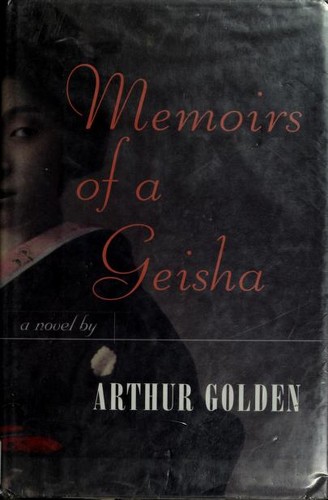
A fictional geisha’s life in Gion before and after World War II. Vivid and absorbing, though written by an American, and a real geisha who spoke with the author disputed his portrayal. Read it as a novel, not a documentary.
Best for: readers who want Kyoto atmosphere.
2. Kitchen by Banana Yoshimoto
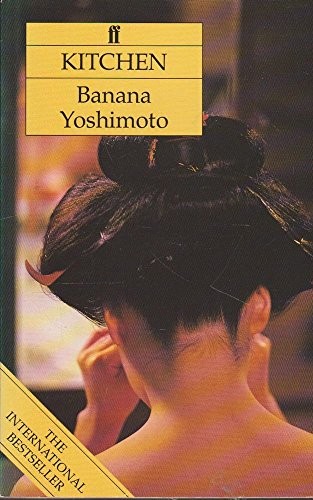
A young woman grieving her grandmother finds comfort in kitchens and a new, unconventional family in Tokyo. Gentle and melancholy.
Best for: short, dreamy reads.
3. Convenience Store Woman by Sayaka Murata
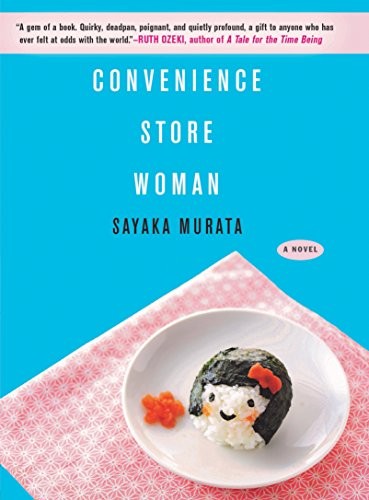
Keiko has worked in a convenience store for eighteen years and feels at home there, to her family’s dismay. Quirky, funny and a sharp view of social pressure.
Best for: readers who like dark humor.
4. Norwegian Wood by Haruki Murakami
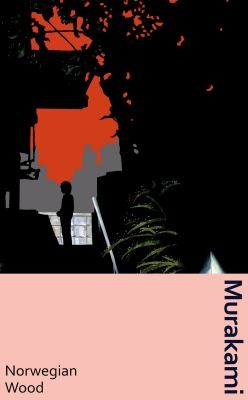
A Tokyo student remembers friendship and love in the late 1960s. Nostalgic and sad. Content note: depression, suicide and sexual content.
Best for: readers who like melancholy.
5. Snow Country by Yasunari Kawabata
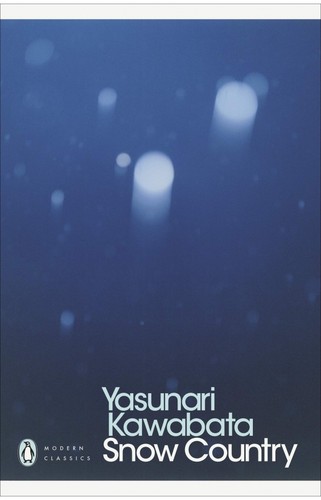
A Tokyo man visits a hot-spring town and a geisha over several winters. Spare and haunting, by a Nobel Prize winner.
Best for: readers who like lyrical prose.
6. The Tale of Genji by Murasaki Shikibu
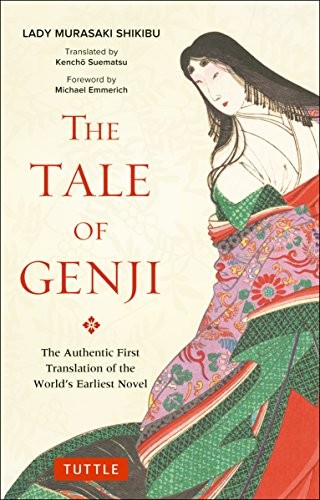
Written around 1000 CE, this court novel follows Prince Genji’s loves and sorrows. Often called the world’s first novel. Choose a modern translation and take it slowly.
Best for: readers ready for a long classic.
7. Shōgun by James Clavell
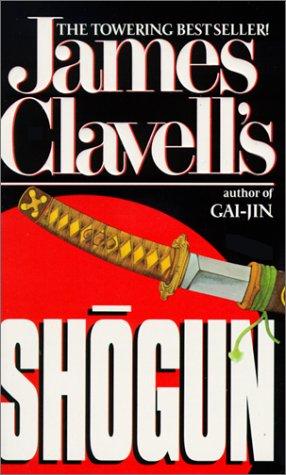
An English navigator is shipwrecked in feudal Japan. A long, gripping story that introduces many readers to samurai culture, though it is a Western view. Content note: violence and sexual content.
Best for: readers who love big adventures.
8. The Housekeeper and the Professor by Yoko Ogawa
A housekeeper cares for a mathematician whose memory lasts only eighty minutes. Warm and quietly moving.
Best for: readers who like gentle novels.
9. Before the Coffee Gets Cold by Toshikazu Kawaguchi
In a Tokyo cafe, customers can travel back in time but only until the coffee cools. Short and heartfelt.
Best for: readers who like cozy stories.
10. The Travelling Cat Chronicles by Hiro Arikawa
A man and his cat travel around Japan visiting old friends. Gentle and tearful, with a sense of the landscape. Content note: a sad ending.
Best for: cat lovers.
11. Lost Japan by Alex Kerr
An American who has lived in Japan for decades writes about its arts, countryside and what has changed. Thoughtful and sometimes critical.
Best for: travelers who want depth.
12. A Geek in Japan by Héctor García
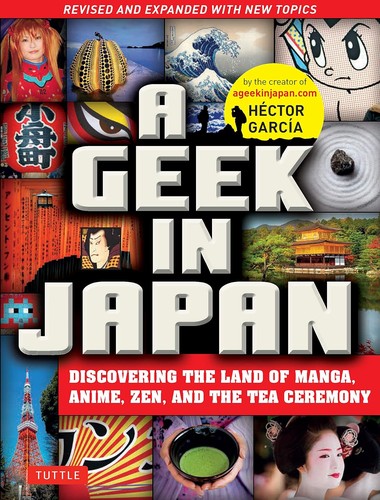
A Spanish engineer explains Japanese culture, from manners to manga to ikigai. Light and informative.
Best for: first-time visitors.
13. In Praise of Shadows by Jun’ichirō Tanizaki
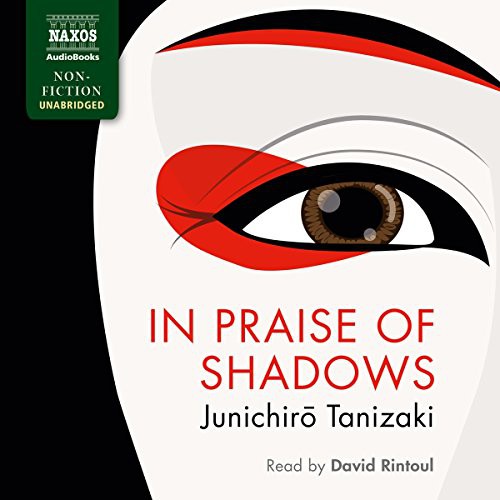
A short essay on Japanese taste for dim light, lacquerware and subtlety. A small gem.
Best for: readers who like aesthetics.
14. The Makioka Sisters by Jun’ichirō Tanizaki
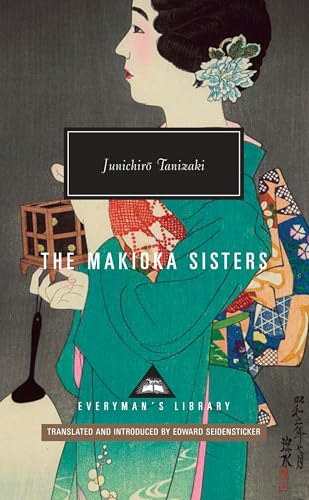
Four sisters of a once-wealthy Osaka family in the late 1930s. Detailed and elegant.
Best for: readers who like family sagas.
15. Ikigai by Héctor García and Francesc Miralles
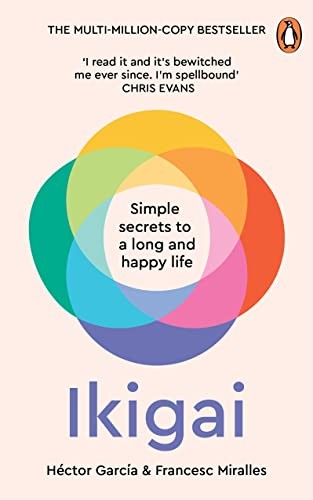
Explores the Japanese concept of a reason for being and the habits of Okinawa’s long-lived people.
Best for: readers who like short books.
How to Choose the Right Book on Japan
Choose by what you want to feel. For atmosphere and everyday life, Kitchen, Convenience Store Woman and Before the Coffee Gets Cold are short and modern. For classic literature, The Tale of Genji, Snow Country and The Makioka Sisters reveal tradition. For history and drama, Shogun is a page-turner. For understanding aesthetics, In Praise of Shadows is a small, beautiful essay. For travel advice and insight, Lost Japan and A Geek in Japan explain culture. Remember that Memoirs of a Geisha is a novel by an American author and is debated, so read it as fiction.
Which Book Should You Start With? A Quick Guide
If you are not sure where to begin, match your situation to the list below.
- Readers who want Kyoto atmosphere: Memoirs of a Geisha
- Short, dreamy reads: Kitchen
- Readers who like dark humor: Convenience Store Woman
- Readers who like melancholy: Norwegian Wood
- Readers who like lyrical prose: Snow Country
- Readers ready for a long classic: The Tale of Genji
- Readers who love big adventures: Shōgun
- Readers who like gentle novels: The Housekeeper and the Professor
- Readers who like cozy stories: Before the Coffee Gets Cold
- Cat lovers: The Travelling Cat Chronicles
- Travelers who want depth: Lost Japan
- First-time visitors: A Geek in Japan
- Readers who like aesthetics: In Praise of Shadows
- Readers who like family sagas: The Makioka Sisters
- Readers who like short books: Ikigai
A Simple Reading Plan
Start about two months before you go. Begin with Memoirs of a Geisha, an approachable way into Japan, then add a novel set there for atmosphere. In the last weeks, read something on history or culture and finish with a memoir or travel account so the place feels personal. Keep a notebook of places, dishes, phrases and questions you meet on the page. If you only have a week, read Memoirs of a Geisha and one novel, and listen to an audiobook on the plane. The aim is not to master Japan but to arrive curious and informed enough to notice more.
Print, E-Book or Audiobook?
Print, e-book and audiobook each suit different readers. Print is best for books you want to mark up and return to, which is useful for practical guides on Japan. E-books are cheap, portable and easy to search, and they make it simple to highlight a passage and find it again later. Audiobooks turn commutes, chores and walks into reading time, and a good narrator can make a heavy book on Japan easier to take in. Your public library offers all three through apps like Libby, so you can try a title before buying it. Many readers use two formats for the same book, listening first and then skimming a print copy for notes.
How to Get More From What You Read
Reading before a trip works best when you turn it into planning. Note every place, food and festival that catches your attention, and put them on a map. Look up the neighborhoods in the novels you read and see which ones you can visit. Learn ten words of the local language, watch a film set in Japan and ask friends who have been there for tips. Share favorite passages with your travel companions so everyone arrives with the same excitement. After the trip, reread a favorite book; it will read differently once you have walked the streets.
Reading on a Budget
You do not need to buy all of these books. Your public library likely lends print, e-book and audiobook copies of many titles on Japan for free, and the hold feature lets you queue for popular ones. Used paperbacks are usually a few dollars, and thrift stores, library sales and swap groups are good sources. If you want to own a book you will mark up, buy the print edition; if you want to try several, borrow first and buy only the ones you finish and love. Subscription audiobook services often offer a free trial that covers a first title, and some libraries partner with apps that need only a library card.
Talk About What You Read
Reading on your own is valuable, and reading with others adds accountability. Consider forming a small book club around Japan, taking turns to choose a title from this list. Meet monthly, ask each person to share one idea and one action, and keep the tone supportive rather than competitive. If your friends are not interested, look for a local library group or an online community. A shared conversation helps you notice things you missed, and the encouragement of others makes it easier to keep going when progress feels slow.
Common Mistakes to Avoid
A few mistakes are common. Do not treat novels as guidebooks; fiction can romanticize, exaggerate or simplify a place. Do not rely only on outsiders’ accounts, and seek voices from the country itself. Check publication dates, since places change quickly and a book from decades ago may describe a very different reality. Avoid reading only dark or only glamorous stories, which gives a lopsided picture of Japan. And do not let reading replace current, practical research on visas, health, safety and local customs. Balanced reading prepares you to see people as individuals, not stereotypes.
How to Judge a Book on Japan
Not every book about Japan is equally reliable or fair. Check who is speaking: a native writer, a long-term resident, a journalist, a historian or a short-term visitor. Each offers something different. Look at the publication date, since politics, prices and customs change. For history, prefer authors with notes and sources. For fiction, remember that vivid does not mean accurate. Read at least one book by an author from Japan, and if possible one translated work, to hear voices from inside the culture. A mix of insider and outsider perspectives gives the fairest picture.
Reading Is Not Planning
Books can inspire and inform, but they are not travel advice. Before you go, check your government’s official travel advisories, entry and visa requirements, health recommendations and local laws, and consider travel insurance. Customs around dress, behavior, tipping and photography vary, and a recent guidebook or the embassy website can help. If you travel to a region with political tension or natural hazards, follow current local guidance. Treat the books in this guide as a way to understand and enjoy Japan, and use official sources for rules and safety.
Questions to Reflect On
Keep these in a notebook as you read:
- Which places in these books do I most want to see?
- Whose voice am I hearing: a local, a visitor or a historian?
- What do these books leave out?
- How might the place look different today?
- What would I like to ask a local when I arrive?
Tips for Reading About Japan
- Read a mix. A novel, a classic and a travel account.
- Learn etiquette. Shoes, queues, quiet trains.
- Note foods. Make a list to try.
- Visit literary places. Kyoto’s Gion, Tokyo’s cafes.
- Check entry rules. Visa and customs vary.
Related: 15 Best Books to Read on a Plane and 15 Best Beach Reads.
Frequently Asked Questions
What are the best books to read before visiting Japan?
Kitchen, Convenience Store Woman, The Tale of Genji, Shōgun and Lost Japan give a balanced view.
Is Memoirs of a Geisha accurate?
It is a novel by an American author, and a geisha who informed it disputed parts. Read it as fiction.
Should I read Japanese classics?
Yes, even a short one like Snow Country or In Praise of Shadows adds depth.
How many books on Japan should I read at once?
One or two at a time is plenty. Finish a book, try one idea from it and then move on, so what you read turns into something you do.
Are these books on Japan available as audiobooks?
Most of them are. Check your library’s app, such as Libby, or an audiobook service, and listen to a sample to see whether the narrator suits you.