
Disclosure: As an Amazon Associate, Bookish Wisdom earns from qualifying purchases. This doesn’t change our picks or your price.
Quick answer: The best books on grandparents to read aloud include Goodnight Moon, The Runaway Bunny, The Tale of Peter Rabbit, Where the Wild Things Are, Make Way for Ducklings and The Story of Ferdinand. Start with Goodnight Moon, Charlotte’s Web and The Wind in the Willows for read-alouds that span ages.
A grandparent’s voice is one of the great gifts a child can receive. Reading aloud builds vocabulary, closeness and a lifelong love of books, and it creates memories that last for decades. The best read-alouds for grandparents are ones with rhythm, humor and warmth, books you will enjoy as much as the child. This list gathers fifteen books to read aloud, from picture books for toddlers to chapter books for older children, plus tips for reading across distance by video call. Many are classics that you may remember from your own childhood, which makes them even sweeter to share. Choose a few, keep them at your house and enjoy the magic of a lap, a blanket and a story.
Table of Contents
Quick Picks at a Glance
| Book | Author | Age | Best For |
|---|---|---|---|
| Goodnight Moon | Margaret Wise Brown | Picture book | babies and toddlers |
| The Runaway Bunny | Margaret Wise Brown | Picture book | toddlers |
| The Tale of Peter Rabbit | Beatrix Potter | Picture book | toddlers and preschoolers |
| Where the Wild Things Are | Maurice Sendak | Picture book | preschoolers |
| Make Way for Ducklings | Robert McCloskey | Picture book | preschoolers |
| The Story of Ferdinand | Munro Leaf | Picture book | preschoolers |
| The Velveteen Rabbit | Margery Williams | Classic | ages 4 to 8 |
| Winnie-the-Pooh | A.A. Milne | Classic | ages 4 to 8 |
| Love You Forever | Robert Munsch | Picture book | ages 3 to 8 |
| Charlotte’s Web | E.B. White | Chapter book | ages 6 to 10 |
| Stuart Little | E.B. White | Chapter book | ages 6 to 10 |
| Matilda | Roald Dahl | Chapter book | ages 6 to 10 |
| The Wind in the Willows | Kenneth Grahame | Classic | ages 6 to 12 |
| Sarah, Plain and Tall | Patricia MacLachlan | Chapter book | ages 6 to 10 |
| Anne of Green Gables | L.M. Montgomery | Classic | ages 8 and up |
1. Goodnight Moon by Margaret Wise Brown
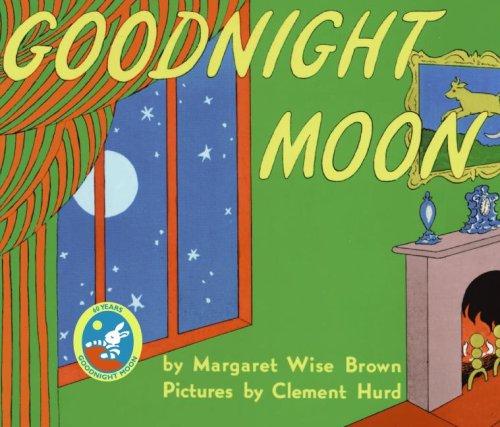
A bunny says goodnight to everything in the great green room. A soothing rhyming classic.
Best for: babies and toddlers.
2. The Runaway Bunny by Margaret Wise Brown
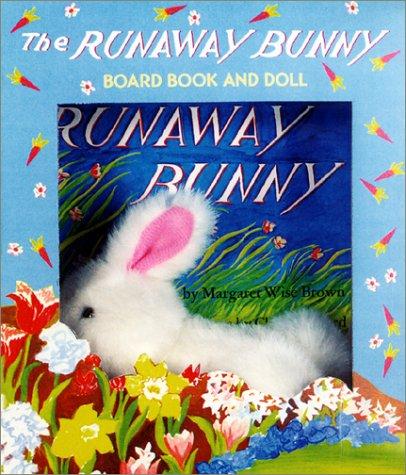
A little bunny imagines running away, and his mother says she will find him. A comforting story about love.
Best for: toddlers.
3. The Tale of Peter Rabbit by Beatrix Potter
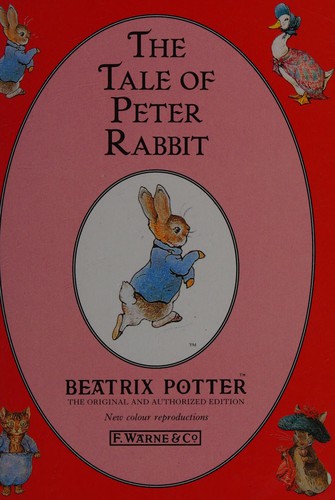
Peter sneaks into Mr. McGregor’s garden. Short and charming.
Best for: toddlers and preschoolers.
4. Where the Wild Things Are by Maurice Sendak
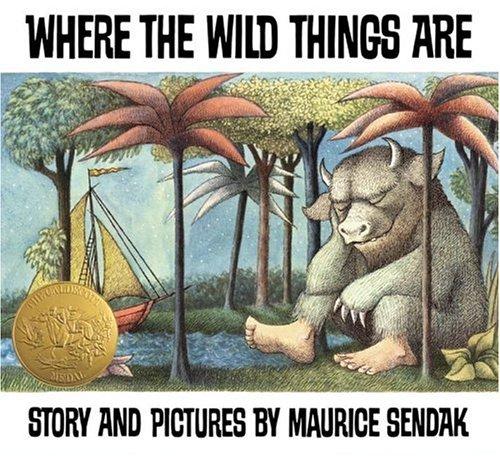
Max sails to an island of wild things and returns home. Imaginative and cozy.
Best for: preschoolers.
5. Make Way for Ducklings by Robert McCloskey
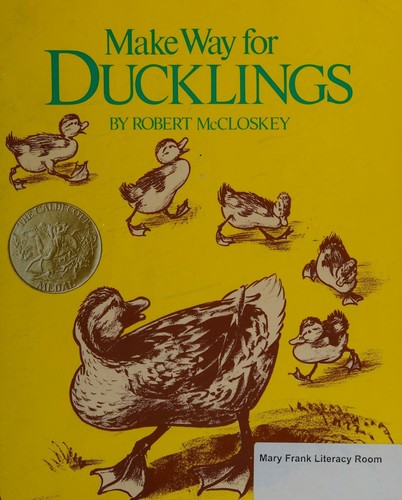
A duck family crosses busy Boston. A Caldecott winner with gentle charm.
Best for: preschoolers.
6. The Story of Ferdinand by Munro Leaf
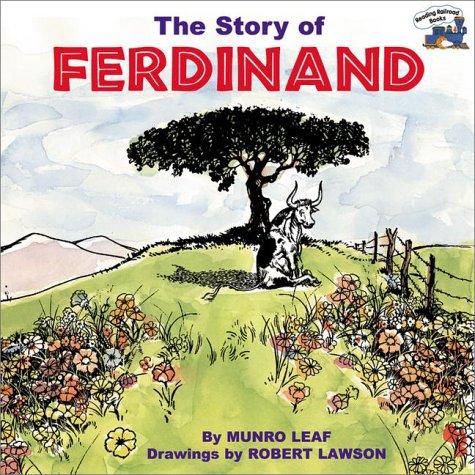
A bull who prefers smelling flowers to fighting. Gentle and funny.
Best for: preschoolers.
7. The Velveteen Rabbit by Margery Williams
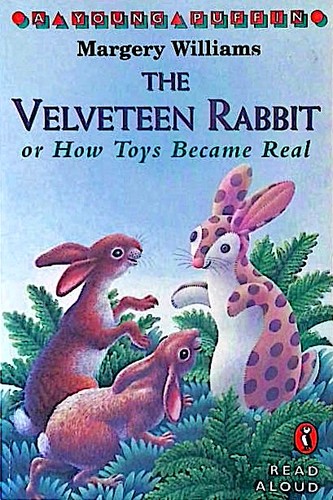
A toy rabbit longs to become real through love. Tender and moving.
Best for: ages 4 to 8.
8. Winnie-the-Pooh by A.A. Milne
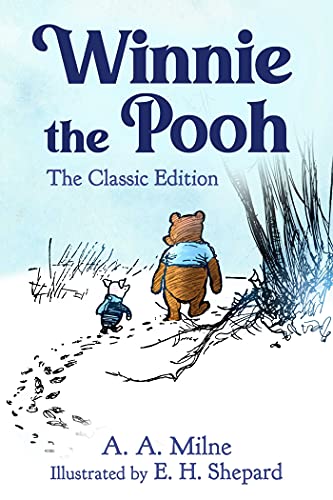
Gentle stories of Pooh and his friends. Charming to read aloud.
Best for: ages 4 to 8.
9. Love You Forever by Robert Munsch
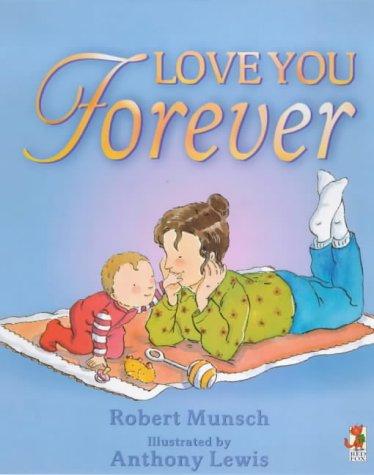
A mother sings the same song to her son through his life. Emotional for grandparents.
Best for: ages 3 to 8.
10. Charlotte’s Web by E.B. White
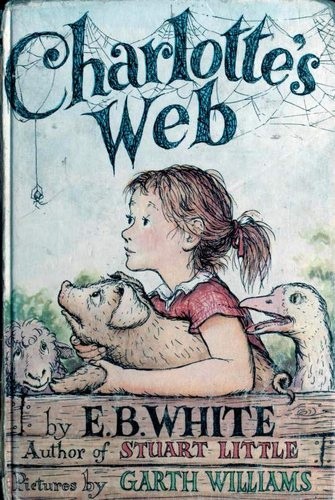
A pig, a spider and a friendship. A perfect read-aloud classic. Content note: a gentle death scene.
Best for: ages 6 to 10.
11. Stuart Little by E.B. White
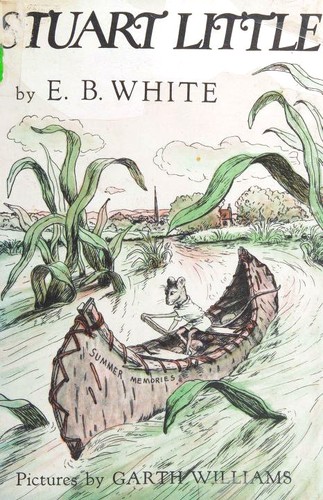
A mouse born to a human family goes on adventures. Short and whimsical.
Best for: ages 6 to 10.
12. Matilda by Roald Dahl
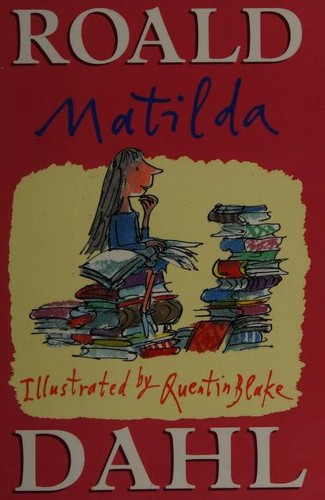
A brilliant girl uses her wits against cruel adults. Funny and satisfying.
Best for: ages 6 to 10.
13. The Wind in the Willows by Kenneth Grahame
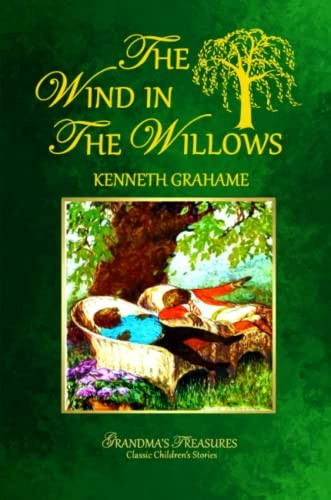
Mole, Rat, Badger and Toad share adventures along the river. Beautiful language.
Best for: ages 6 to 12.
14. Sarah, Plain and Tall by Patricia MacLachlan
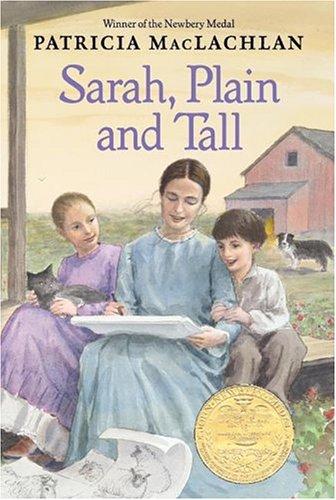
A mail-order bride arrives on the prairie. Short and moving.
Best for: ages 6 to 10.
15. Anne of Green Gables by L.M. Montgomery
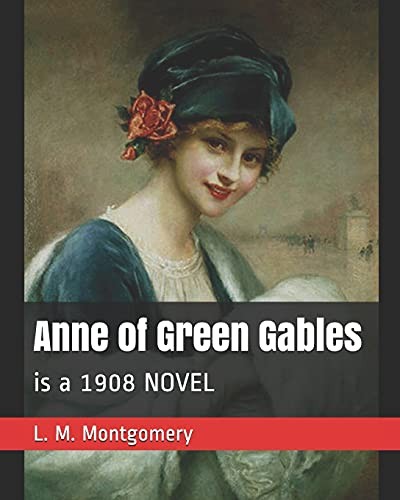
A spirited orphan finds a home. Warm and funny.
Best for: ages 8 and up.
How to Choose the Right Book on Grandparents To Read Aloud
Choose by age. For toddlers, Goodnight Moon, The Runaway Bunny and The Tale of Peter Rabbit are soothing. For preschoolers, Where the Wild Things Are, Make Way for Ducklings and The Story of Ferdinand have charm. For early elementary kids, The Velveteen Rabbit, Winnie-the-Pooh and Love You Forever are tender. For chapter-book listeners, Charlotte’s Web, Stuart Little, Matilda, The Wind in the Willows, Sarah, Plain and Tall and Anne of Green Gables reward a chapter a night. Use different voices.
Which Book Should You Start With? A Quick Guide
If you are not sure where to begin, match your situation to the list below.
- Babies and toddlers: Goodnight Moon
- Toddlers: The Runaway Bunny
- Toddlers and preschoolers: The Tale of Peter Rabbit
- Preschoolers: Where the Wild Things Are
- Preschoolers: Make Way for Ducklings
- Preschoolers: The Story of Ferdinand
- Ages 4 to 8: The Velveteen Rabbit
- Ages 4 to 8: Winnie-the-Pooh
- Ages 3 to 8: Love You Forever
- Ages 6 to 10: Charlotte’s Web
- Ages 6 to 10: Stuart Little
- Ages 6 to 10: Matilda
- Ages 6 to 12: The Wind in the Willows
- Ages 6 to 10: Sarah, Plain and Tall
- Ages 8 and up: Anne of Green Gables
A Simple Reading Plan
Treat this list as a menu, not an assignment. Start with Goodnight Moon, because it gives you a clear overview of grandparents to read aloud without demanding much from you. Read in short sessions and underline or note the passages that make you stop. After a week or two, move to The Runaway Bunny for a different angle, then The Tale of Peter Rabbit when you want more depth. Spacing the books out gives the ideas time to settle, and applying one small idea per week is worth more than rushing through the whole shelf. Revisit your notes at the end of each month to see what has actually changed.
Print, E-Book or Audiobook?
Format matters more than people expect. If you tend to forget what you read, choose print or an e-book so you can underline and review. If your time is limited, audiobooks fit into the gaps of your day. For a topic like grandparents to read aloud, short chapters are an advantage, since you can finish one in a single sitting and think about it afterward. Libraries lend e-books and audiobooks free, and many offer print copies of new releases through holds. Try one format for a week and switch if it is not working.
How to Get More From What You Read
Reading about grandparents to read aloud only helps if something changes afterward, so build a small habit around it. Keep a notebook or a notes app, and after each chapter write one sentence about what stood out and one action you could take. Choose a single idea per week to test, such as a new routine, a conversation or a different way of thinking. Discuss what you are reading with a friend, a partner or an online group, since explaining an idea out loud makes it stick. Review your notes monthly and drop anything that did not help. The aim is progress you can notice, not a long reading list.
Reading on a Budget
Good books on grandparents to read aloud are easier to afford than most people think. Library cards open up print, e-book and audiobook borrowing, and interlibrary loan can find titles your branch does not own. Used copies cost a fraction of new ones, and many of the classics are inexpensive in paperback. Try a sample chapter online to see whether an author’s voice suits you before you commit. If you finish a book you love, consider passing it to a friend, which keeps the ideas moving and your shelf uncluttered.
Talk About What You Read
Ideas stick when you talk about them. Choose one book from this list and invite a friend, partner or colleague to read it with you, then meet for coffee to compare notes on grandparents to read aloud. Online communities and library groups also host discussions, and many of these books have free reading guides. If you prefer privacy, a journal works well: write a paragraph after each chapter on what you agree with, what you doubt and what you will try. Teaching an idea to someone else is one of the best ways to learn it, so explain what you read in your own words.
Common Mistakes to Avoid
A few pitfalls are worth avoiding. Do not buy a dozen books on grandparents to read aloud in one go; borrow one, finish it and then decide what to read next. Do not expect a single book to transform your life overnight, since the best ones work through small, repeated actions. Be cautious of any author who promises guaranteed results, and check an author’s credentials and sources. Finally, do not use reading as a way of avoiding action. If you notice yourself finishing book after book without changing anything, pick one idea and practice it this week.
How to Judge a Book on Grandparents to read aloud
A few quick checks can save you time when choosing a book on grandparents to read aloud. Look at who wrote it and what qualifies them. See whether the author cites research or sources, and whether those sources are recent enough to matter. Notice the tone: honest authors admit limits and exceptions, while less reliable ones speak in absolutes. Skim the table of contents and a sample chapter, and read both enthusiastic and critical reviews. If a claim seems too good to be true, search for what other experts say. Reading widely across several authors is the best protection against any single voice.
When Reading Is Not Enough
Books are a good start, but they are not the whole answer to every situation involving grandparents to read aloud. If your difficulties interfere with sleep, work, relationships or safety, talk with a doctor, counselor or other qualified professional. Support groups, whether in person or online, can give you something books cannot: people who understand and respond. Friends and family can help if you let them know what you need. Think of your reading as one part of a larger toolkit, and do not hesitate to add other tools. Asking for help is a sign of strength and often speeds progress.
Questions to Reflect On
Keep these in a notebook and return to them after each book:
- What do I most want to understand or change about {t}?
- Which idea from my reading feels true for me, and which do I doubt?
- What is one small action I can take this week?
- Who could I talk to about what I am learning?
- How will I know in a month that this reading helped?
Tips for Reading About Grandparents to read aloud
- Use voices. Silly voices delight kids.
- Pause. Let children guess what happens.
- Record. Make audio recordings for distance.
- Use video calls. Read together across miles.
- Keep favorites at your home. Create a shelf of your own.
Related: 15 Best Books for Veterans and the Body Keeps the Score Summary and Key Takeaways.
Frequently Asked Questions
What are the best books for grandparents to read aloud?
Goodnight Moon, Charlotte’s Web, Winnie-the-Pooh and The Wind in the Willows are favorites.
How can I read to grandchildren far away?
Use video calls, record yourself reading or mail a book and read the same one together.
How long should I read?
Ten to fifteen minutes is plenty for young children; chapter books can be a chapter a night.
How many books on grandparents to read aloud should I read at once?
One or two at a time is plenty. Finish a book, try one idea from it and then move on, so what you read turns into something you do.
Are these books on grandparents to read aloud available as audiobooks?
Most of them are. Check your library’s app, such as Libby, or an audiobook service, and listen to a sample to see whether the narrator suits you.