
Disclosure: As an Amazon Associate, Bookish Wisdom earns from qualifying purchases. This doesn’t change our picks or your price.
Quick answer: The best books on veterans include Tribe, War, The Things They Carried, Redeployment, The Yellow Birds and All Quiet on the Western Front. Start with Tribe, War and The Things They Carried for understanding and company, and The Body Keeps the Score or Achilles in Vietnam for healing.
If you are a veteran in crisis or thinking about harming yourself, dial 988 and then press 1 for the Veterans Crisis Line in the United States, or text 838255.
Veterans carry experiences that civilians often do not understand: the bonds of service, the weight of combat, the strain of deployments and the difficulty of coming home. Books can bridge the gap. They offer veterans company, language for what they have lived and strategies for healing, and they help families and friends understand. This list gathers fifteen books for veterans, mixing memoirs, war literature, psychology and practical guides for readjustment. Some are by veterans, others by journalists and clinicians. Many contain graphic descriptions of war, so read with care and stop if you need to. If you are struggling, help is available, and reaching out is a sign of strength.
Table of Contents
Quick Picks at a Glance
| Book | Author | Focus | Best For |
|---|---|---|---|
| Tribe | Sebastian Junger | Belonging | veterans and families |
| War | Sebastian Junger | Combat | readers who want to understand |
| The Things They Carried | Tim O’Brien | Short stories | readers who like literature |
| Redeployment | Phil Klay | Short stories | Iraq and Afghanistan veterans |
| The Yellow Birds | Kevin Powers | Novel | readers who like lyrical writing |
| All Quiet on the Western Front | Erich Maria Remarque | Classic | readers who want a timeless novel |
| Dispatches | Michael Herr | Journalism | readers interested in Vietnam |
| Achilles in Vietnam | Jonathan Shay | Psychology | veterans and clinicians |
| On Killing | Dave Grossman | Psychology | readers curious about the psychology of combat |
| The Body Keeps the Score | Bessel van der Kolk | Trauma | readers wanting to understand trauma |
| Man’s Search for Meaning | Viktor E. Frankl | Meaning | readers who want perspective |
| Unbroken | Laura Hillenbrand | Biography | readers who like survival stories |
| Lone Survivor | Marcus Luttrell | Memoir | readers who like military memoirs |
| Once a Warrior—Always a Warrior | Charles W. Hoge | Readjustment | veterans in transition |
| Option B | Sheryl Sandberg and Adam Grant | Resilience | readers rebuilding |
1. Tribe by Sebastian Junger
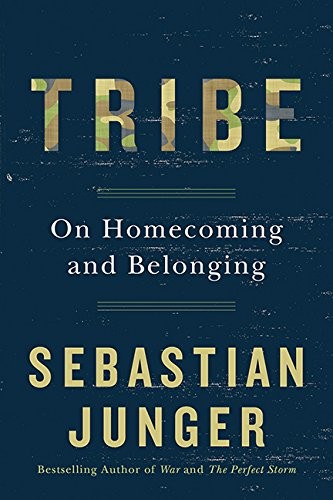
Junger argues that modern society lacks the sense of belonging soldiers find in war and explores why returning is hard. Short and moving.
Best for: veterans and families.
2. War by Sebastian Junger
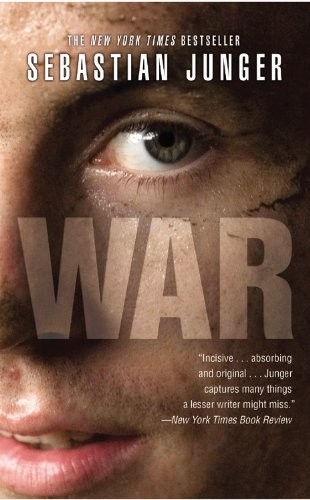
Junger spent a year with a platoon in Afghanistan and describes the experience of combat and brotherhood. Content note: combat violence.
Best for: readers who want to understand.
3. The Things They Carried by Tim O’Brien
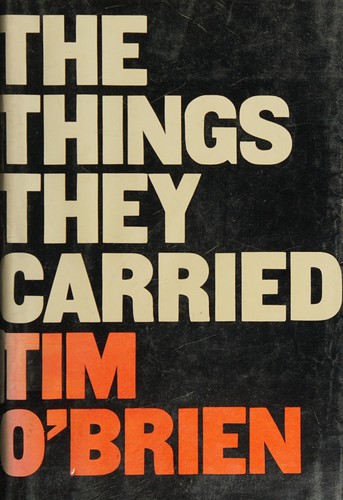
Linked stories about Vietnam, memory and storytelling. A classic of war literature. Content note: war violence.
Best for: readers who like literature.
4. Redeployment by Phil Klay
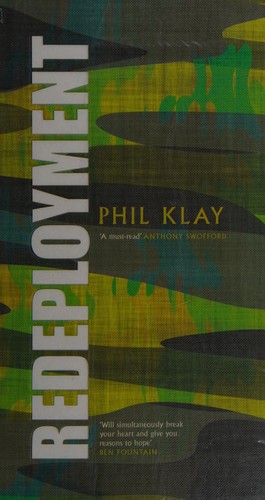
A National Book Award-winning collection by a Marine veteran about the Iraq War and its aftermath. Content note: war violence and strong language.
Best for: Iraq and Afghanistan veterans.
5. The Yellow Birds by Kevin Powers
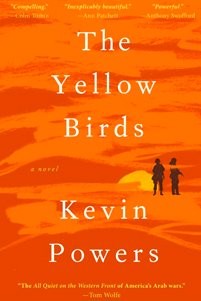
A soldier recalls the death of a friend in Iraq. Short and haunting. Content note: war violence.
Best for: readers who like lyrical writing.
6. All Quiet on the Western Front by Erich Maria Remarque
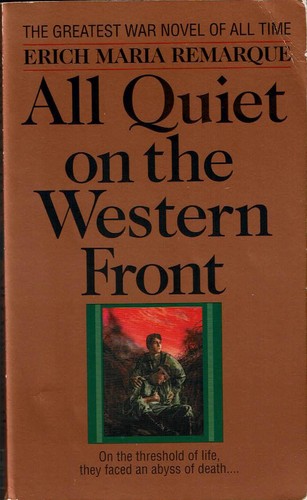
A young German soldier’s experience of World War I. A short, devastating classic. Content note: war violence.
Best for: readers who want a timeless novel.
7. Dispatches by Michael Herr
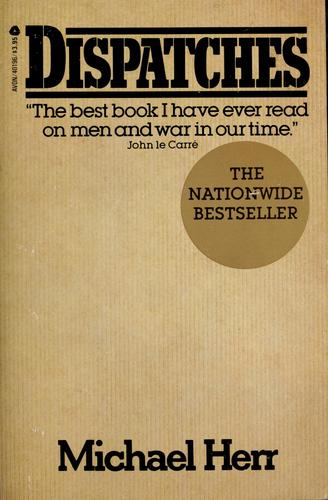
Herr’s vivid account of the Vietnam War. Raw and influential. Content note: war violence and strong language.
Best for: readers interested in Vietnam.
8. Achilles in Vietnam by Jonathan Shay
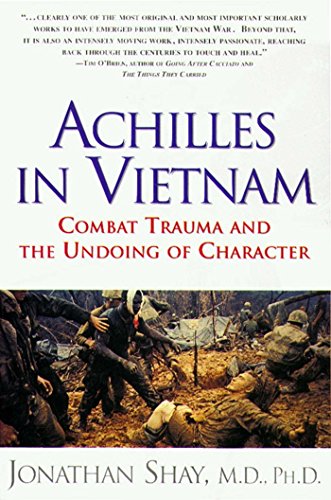
A psychiatrist compares Homer’s Iliad with the experiences of Vietnam veterans and describes moral injury. Content note: war trauma.
Best for: veterans and clinicians.
9. On Killing by Dave Grossman
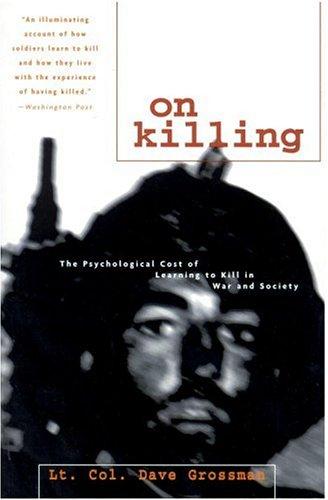
Explores the psychology of killing in war. Influential but debated. Content note: graphic discussion of killing.
Best for: readers curious about the psychology of combat.
10. The Body Keeps the Score by Bessel van der Kolk
Explains how trauma affects the body and mind. Content note: descriptions of trauma.
Best for: readers wanting to understand trauma.
11. Man’s Search for Meaning by Viktor E. Frankl
Frankl’s reflections on purpose. Content note: descriptions of concentration camps.
Best for: readers who want perspective.
12. Unbroken by Laura Hillenbrand
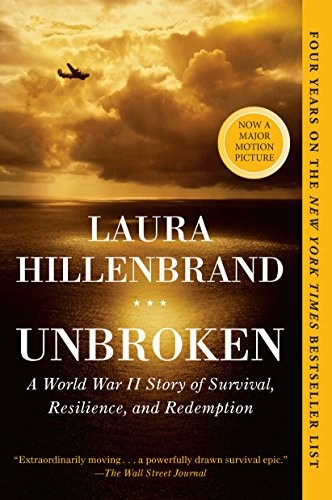
Louis Zamperini’s life as an Olympian, airman and prisoner of war. Content note: war violence and torture.
Best for: readers who like survival stories.
13. Lone Survivor by Marcus Luttrell
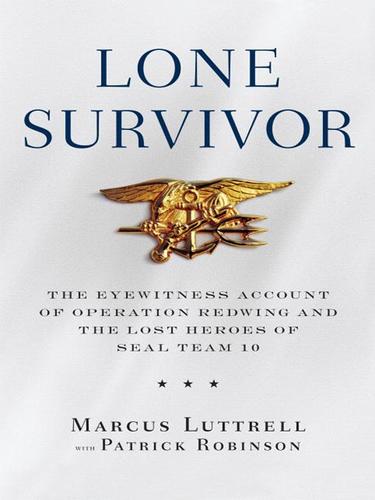
A Navy SEAL recounts a mission in Afghanistan. Content note: combat violence.
Best for: readers who like military memoirs.
14. Once a Warrior—Always a Warrior by Charles W. Hoge
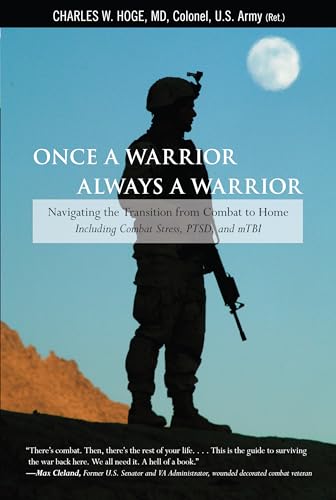
Offers practical advice for navigating return to civilian life.
Best for: veterans in transition.
15. Option B by Sheryl Sandberg and Adam Grant
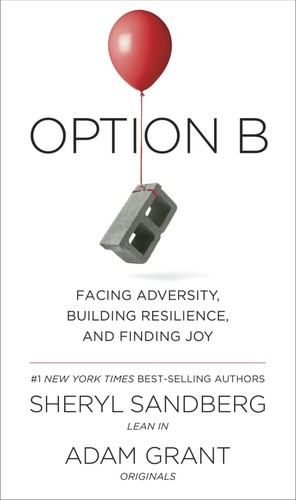
Explores how to build resilience after adversity.
Best for: readers rebuilding.
How to Choose the Right Book on Veterans
Choose by need. For understanding war and belonging, Tribe, War and Dispatches are powerful. For fiction and short stories, The Things They Carried, Redeployment, The Yellow Birds and All Quiet on the Western Front capture the experience. For psychology and healing, Achilles in Vietnam, The Body Keeps the Score and On Killing explore trauma and moral injury. For resilience, Man’s Search for Meaning and Unbroken inspire. For readjustment, Once a Warrior—Always a Warrior offers practical advice. Share a book with family to start a conversation.
Which Book Should You Start With? A Quick Guide
If you are not sure where to begin, match your situation to the list below.
- Veterans and families: Tribe
- Readers who want to understand: War
- Readers who like literature: The Things They Carried
- Iraq and Afghanistan veterans: Redeployment
- Readers who like lyrical writing: The Yellow Birds
- Readers who want a timeless novel: All Quiet on the Western Front
- Readers interested in Vietnam: Dispatches
- Veterans and clinicians: Achilles in Vietnam
- Readers curious about the psychology of combat: On Killing
- Readers wanting to understand trauma: The Body Keeps the Score
- Readers who want perspective: Man’s Search for Meaning
- Readers who like survival stories: Unbroken
- Readers who like military memoirs: Lone Survivor
- Veterans in transition: Once a Warrior—Always a Warrior
- Readers rebuilding: Option B
A Simple Reading Plan
A reading plan works better than a stack of good intentions. Begin with Tribe, which is the easiest way into veterans, and give it two weeks at ten to twenty pages a day. When you finish, spend five minutes writing down the one idea you want to try. Then move to War, and only after that to The Things They Carried or a title that is denser. Mixing formats helps: read one book on paper, listen to another on a walk and keep a third on your phone for waiting rooms. If a book is not helping after fifty pages, put it down without guilt and try the next one, because the right book at the right time matters more than finishing every one.
Print, E-Book or Audiobook?
You do not have to pick one format. For a book on veterans, listen to the audiobook while walking or driving, and keep the paper or e-book handy for the chapters you want to study. Reading and listening together can improve retention, since you hear the author’s voice and see the structure on the page. Library apps lend all three formats free, and used paperbacks are inexpensive. If your attention drifts with long audio sessions, try 1.25x speed for an easy book and normal speed for a dense one. Choose whatever makes it easiest to read a little every day.
How to Get More From What You Read
Reading is the first step, and practice is the second. For each book on veterans, choose one idea that fits your life and schedule it, whether it is a ten-minute exercise, a conversation or a habit. Write it where you will see it, such as on a sticky note or in your calendar. After two weeks, ask what worked and what did not, and adjust. Sharing your progress with a friend adds accountability. If a book offers exercises, do them with a pencil instead of skipping to the next chapter, because the exercises are where most of the value lies.
Reading on a Budget
Reading about veterans does not have to be expensive. Start at the library, where print books, e-books and audiobooks are free with a card and a hold list, and ask the librarian for related titles. Secondhand bookstores and online used sellers keep prices low, and older editions are usually just as good as new ones. Watch for e-book sales, and borrow a title before buying it to be sure it suits you. When a book becomes a favorite, buy a copy for your shelf so you can reread and annotate it.
Talk About What You Read
Talking about what you read turns information into understanding. After each book on veterans, tell someone one thing you learned, even if it is just a five-minute chat over dinner. Post a short review for other readers, which forces you to organize your thoughts. If a book raises difficult feelings, share them with a trusted friend or counselor instead of carrying them alone. And if you disagree with an author, say so; thoughtful disagreement is part of learning, and it sharpens your own view.
Common Mistakes to Avoid
Readers often make a few predictable mistakes with books on veterans. The first is reading too many at once and finishing none, so stick with one or two at a time. The second is looking for a perfect answer, when most authors offer ideas to test, not rules to follow. The third is skipping the exercises or reflection questions, which are often the most useful parts. The fourth is comparing yourself with the author’s success story. Finally, do not treat a book as a substitute for support from people who know you. Use books as one tool among several, and be kind to yourself when progress is slow.
How to Judge a Book on Veterans
Not every book on veterans is equally reliable. Before you trust one, check the author’s background: are they a researcher, clinician, journalist or someone writing from lived experience? Each can be valuable, but they offer different things. Look for notes and references at the back, which show the claims can be checked. Be wary of books that promise a quick fix, rely on a single story or dismiss all other views. Read a few reviews from people with different perspectives, and treat bold claims as hypotheses to test in your own life. A good book invites questions instead of demanding agreement.
When Reading Is Not Enough
Reading can illuminate and encourage, yet some situations need more than a book. If you notice that your struggles with veterans are getting worse, lasting a long time or affecting your health, reach out to a professional you trust. Local libraries, community centers and workplaces often offer free resources, classes or referrals. Sharing what you are reading with a friend can open the door to a supportive conversation. Use these books as companions on the journey, and let real people walk it with you.
Questions to Reflect On
Keep these in a notebook and return to them after each book:
- What do I most want to understand or change about {t}?
- Which idea from my reading feels true for me, and which do I doubt?
- What is one small action I can take this week?
- Who could I talk to about what I am learning?
- How will I know in a month that this reading helped?
Tips for Reading About Veterans
- Reach out. Talk to other veterans.
- Use VA resources. Benefits and counseling exist.
- Pace yourself. Skip graphic parts if needed.
- Share with family. Books can start conversations.
- Seek help. Counseling works.
Related: 15 Best Books for Nurses and atomic Habits Summary and Key Takeaways.
Frequently Asked Questions
What are the best books for veterans?
Tribe, The Things They Carried, Redeployment and The Body Keeps the Score are popular.
Are there books about PTSD for veterans?
Achilles in Vietnam and The Body Keeps the Score discuss trauma. Professional help is important.
Where can veterans get help?
In the United States, dial 988 and press 1 for the Veterans Crisis Line, or visit the VA.
How many books on veterans should I read at once?
One or two at a time is plenty. Finish a book, try one idea from it and then move on, so what you read turns into something you do.
Are these books on veterans available as audiobooks?
Most of them are. Check your library’s app, such as Libby, or an audiobook service, and listen to a sample to see whether the narrator suits you.