
Disclosure: As an Amazon Associate, Bookish Wisdom earns from qualifying purchases. This doesn’t change our picks or your price.
Quick answer: The best books on nurses include Notes on Nursing, The Nurses, Complications, Being Mortal, Every Patient Tells a Story and Do No Harm. Start with Notes on Nursing for history, Complications and Being Mortal for medicine’s realities, and Trauma Stewardship for your own care.
If you feel overwhelmed or are thinking about harming yourself, call or text 988 in the United States, or contact your employee assistance program.
Nurses spend their days at the center of human vulnerability: birth, illness, suffering and death. The work asks for skill, stamina and compassion, and it can leave deep marks. Books can offer solidarity, perspective and tools for coping. This list gathers fifteen books for nurses, including classic nursing texts, memoirs from clinicians, stories about caring for patients and practical books on stress and compassion fatigue, plus comforting fiction for rest. Some are by nurses, others by doctors and writers who understand hospital life. Read one on a break, listen to another during a commute and share favorites with colleagues. Nursing demands a lot, so look after yourself with rest, support and, when needed, professional help.
Table of Contents
Quick Picks at a Glance
| Book | Author | Focus | Best For |
|---|---|---|---|
| Notes on Nursing | Florence Nightingale | Classic | nurses interested in history |
| The Nurses | Alexandra Robbins | Narrative nonfiction | nurses and general readers |
| Complications | Atul Gawande | Medicine | clinicians |
| Being Mortal | Atul Gawande | End of life | clinicians |
| Every Patient Tells a Story | Lisa Sanders | Diagnosis | clinicians who love puzzles |
| Do No Harm | Henry Marsh | Memoir | readers who like candid surgeon memoirs |
| When Breath Becomes Air | Paul Kalanithi | Memoir | clinicians who want reflection |
| Trauma Stewardship | Laura van Dernoot Lipsky | Self-care | helping professionals |
| Burnout | Emily Nagoski and Amelia Nagoski | Stress | exhausted caregivers |
| The Body Keeps the Score | Bessel van der Kolk | Trauma | clinicians who work with trauma |
| Self-Compassion | Kristin Neff | Skills | caregivers who are hard on themselves |
| Four Thousand Weeks | Oliver Burkeman | Time | busy clinicians |
| Wintering | Katherine May | Rest | readers in a hard season |
| The Thursday Murder Club | Richard Osman | Cozy mystery | readers who want a light break |
| A Man Called Ove | Fredrik Backman | Novel | readers who want warmth |
1. Notes on Nursing by Florence Nightingale
Nightingale’s 1859 text on observation, environment and care. Short, historical and surprisingly relevant.
Best for: nurses interested in history.
2. The Nurses by Alexandra Robbins
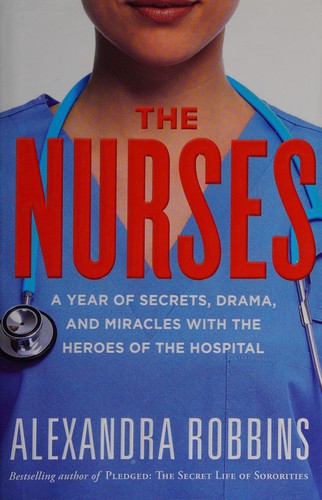
Follows four nurses through a year in a hospital, showing the pressures and rewards of the work.
Best for: nurses and general readers.
3. Complications by Atul Gawande
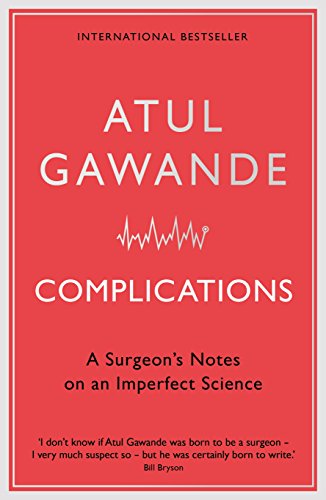
A surgeon reflects on the uncertainties and imperfections of medicine.
Best for: clinicians.
4. Being Mortal by Atul Gawande
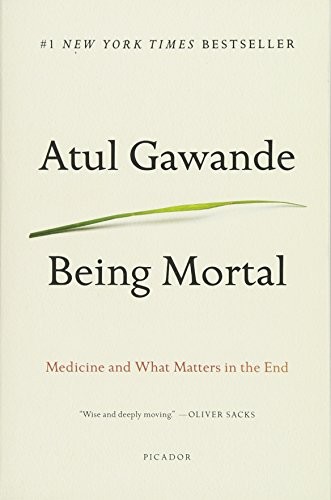
Explores how medicine handles aging and dying.
Best for: clinicians.
5. Every Patient Tells a Story by Lisa Sanders
A physician explains diagnostic reasoning through case stories.
Best for: clinicians who love puzzles.
6. Do No Harm by Henry Marsh
A neurosurgeon describes the highs and lows of the work. Content note: graphic medical scenes.
Best for: readers who like candid surgeon memoirs.
7. When Breath Becomes Air by Paul Kalanithi
A neurosurgeon facing cancer reflects on life and death. Content note: terminal illness.
Best for: clinicians who want reflection.
8. Trauma Stewardship by Laura van Dernoot Lipsky
Explains vicarious trauma and offers practices for people who care for others.
Best for: helping professionals.
9. Burnout by Emily Nagoski and Amelia Nagoski
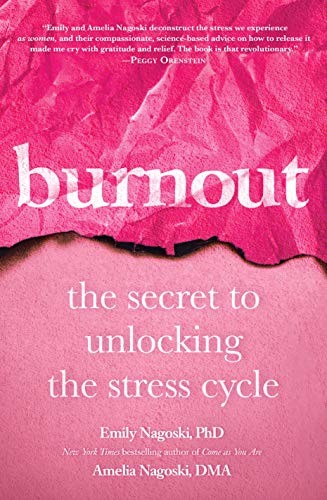
Explains the stress cycle and how to recover.
Best for: exhausted caregivers.
10. The Body Keeps the Score by Bessel van der Kolk
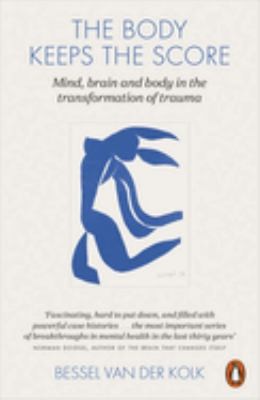
Explains how trauma affects the body and mind. Content note: descriptions of trauma.
Best for: clinicians who work with trauma.
11. Self-Compassion by Kristin Neff
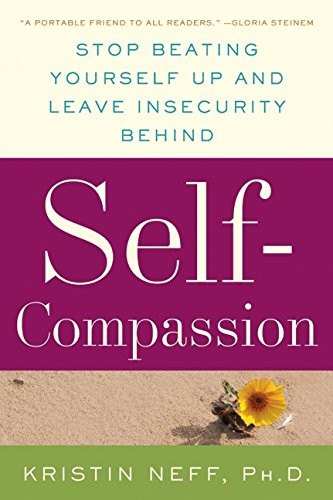
Teaches kindness toward yourself.
Best for: caregivers who are hard on themselves.
12. Four Thousand Weeks by Oliver Burkeman
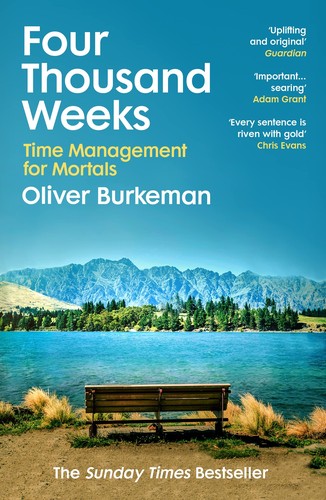
Encourages accepting limits.
Best for: busy clinicians.
13. Wintering by Katherine May
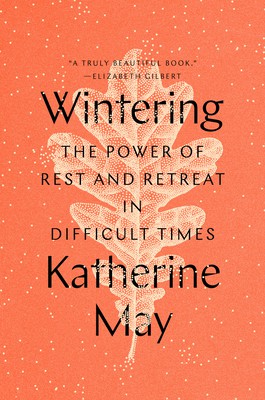
Reflects on slow seasons as times for renewal.
Best for: readers in a hard season.
14. The Thursday Murder Club by Richard Osman
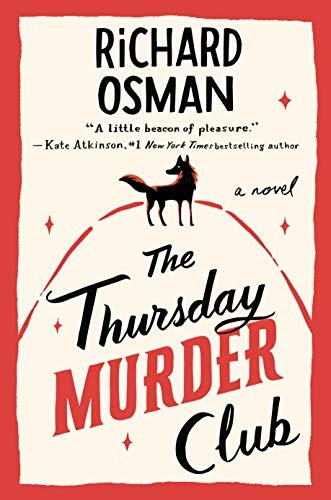
Four retirees solve cold cases.
Best for: readers who want a light break.
15. A Man Called Ove by Fredrik Backman
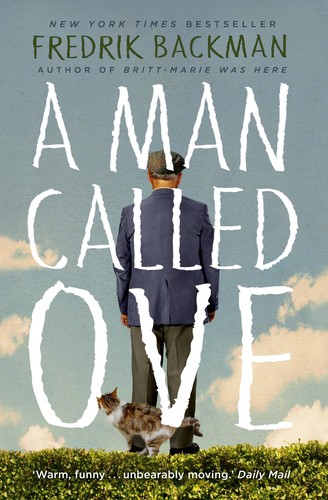
A grumpy widower finds connection. Content note: grief and mentions of suicide.
Best for: readers who want warmth.
How to Choose the Right Book on Nurses
Choose by mood. For history and perspective, Notes on Nursing and The Nurses connect to the profession. For medicine’s realities, Complications, Being Mortal, Every Patient Tells a Story and Do No Harm are insightful. For emotional resilience, Trauma Stewardship, Burnout, The Body Keeps the Score and Self-Compassion offer tools. For reflection, When Breath Becomes Air and Wintering are moving. For rest, The Thursday Murder Club and A Man Called Ove are gentle. Take breaks from heavy topics.
Which Book Should You Start With? A Quick Guide
If you are not sure where to begin, match your situation to the list below.
- Nurses interested in history: Notes on Nursing
- Nurses and general readers: The Nurses
- Clinicians: Complications
- Clinicians: Being Mortal
- Clinicians who love puzzles: Every Patient Tells a Story
- Readers who like candid surgeon memoirs: Do No Harm
- Clinicians who want reflection: When Breath Becomes Air
- Helping professionals: Trauma Stewardship
- Exhausted caregivers: Burnout
- Clinicians who work with trauma: The Body Keeps the Score
- Caregivers who are hard on themselves: Self-Compassion
- Busy clinicians: Four Thousand Weeks
- Readers in a hard season: Wintering
- Readers who want a light break: The Thursday Murder Club
- Readers who want warmth: A Man Called Ove
A Simple Reading Plan
A sensible order helps you build momentum. Open with Notes on Nursing, which is accessible and encouraging, and finish it before you buy anything else. Next, choose The Nurses to deepen what you learned, then Complications when you are ready for a different voice or a more demanding read. Between books, take a few days to try something you learned, because nurses is easier to understand once you have tested it in real life. Keep a simple note on your phone with the title, your rating and one takeaway for each book you complete.
Print, E-Book or Audiobook?
Print, e-book and audiobook each suit different readers. Print is best for books you want to mark up and return to, which is useful for practical guides on nurses. E-books are cheap, portable and easy to search, and they make it simple to highlight a passage and find it again later. Audiobooks turn commutes, chores and walks into reading time, and a good narrator can make a heavy book on nurses easier to take in. Your public library offers all three through apps like Libby, so you can try a title before buying it. Many readers use two formats for the same book, listening first and then skimming a print copy for notes.
How to Get More From What You Read
To get more from these books, read with a pen and a question. Decide before you start what you hope to learn about nurses, and check at the end of each chapter whether you found it. Mark passages that feel true for you, and write down the ones you disagree with, since disagreement is also learning. Pick one practice from each book and try it for two weeks before judging it. Talking about the ideas with someone you trust, or writing a few lines in a journal, helps them move from your head into your life. Be patient with yourself; change comes in small steps.
Reading on a Budget
You do not need to buy all of these books. Your public library likely lends print, e-book and audiobook copies of many titles on nurses for free, and the hold feature lets you queue for popular ones. Used paperbacks are usually a few dollars, and thrift stores, library sales and swap groups are good sources. If you want to own a book you will mark up, buy the print edition; if you want to try several, borrow first and buy only the ones you finish and love. Subscription audiobook services often offer a free trial that covers a first title, and some libraries partner with apps that need only a library card.
Talk About What You Read
Reading on your own is valuable, and reading with others adds accountability. Consider forming a small book club around nurses, taking turns to choose a title from this list. Meet monthly, ask each person to share one idea and one action, and keep the tone supportive rather than competitive. If your friends are not interested, look for a local library group or an online community. A shared conversation helps you notice things you missed, and the encouragement of others makes it easier to keep going when progress feels slow.
Common Mistakes to Avoid
Three mistakes come up again and again. First, readers choose a book that is too advanced or too long and give up on the topic altogether, so start with an accessible title. Second, they read passively, without notes or a plan to use what they learn about nurses. Third, they expect immediate results and quit when the change is slow. Avoid these by starting small, taking notes and giving each idea at least two weeks. If a book does not suit you, move on; the list above has plenty of other voices.
How to Judge a Book on Nurses
A few quick checks can save you time when choosing a book on nurses. Look at who wrote it and what qualifies them. See whether the author cites research or sources, and whether those sources are recent enough to matter. Notice the tone: honest authors admit limits and exceptions, while less reliable ones speak in absolutes. Skim the table of contents and a sample chapter, and read both enthusiastic and critical reviews. If a claim seems too good to be true, search for what other experts say. Reading widely across several authors is the best protection against any single voice.
When Reading Is Not Enough
Books are a good start, but they are not the whole answer to every situation involving nurses. If your difficulties interfere with sleep, work, relationships or safety, talk with a doctor, counselor or other qualified professional. Support groups, whether in person or online, can give you something books cannot: people who understand and respond. Friends and family can help if you let them know what you need. Think of your reading as one part of a larger toolkit, and do not hesitate to add other tools. Asking for help is a sign of strength and often speeds progress.
Questions to Reflect On
Keep these in a notebook and return to them after each book:
- What do I most want to understand or change about {t}?
- Which idea from my reading feels true for me, and which do I doubt?
- What is one small action I can take this week?
- Who could I talk to about what I am learning?
- How will I know in a month that this reading helped?
Tips for Reading About Nurses
- Take breaks. Step away when you can.
- Talk to colleagues. Peer support helps.
- Set boundaries. Protect time off.
- Seek help. Counseling is strength.
- Remember your why. Meaning sustains.
Related: 15 Best Books for Teachers and atomic Habits Summary and Key Takeaways.
Frequently Asked Questions
What books should nurses read?
Notes on Nursing, The Nurses, Complications and Trauma Stewardship are popular.
Are there books on compassion fatigue?
Trauma Stewardship and Burnout address it.
What should I read to relax?
Comforting novels like The Thursday Murder Club offer a break.
How many books on nurses should I read at once?
One or two at a time is plenty. Finish a book, try one idea from it and then move on, so what you read turns into something you do.
Are these books on nurses available as audiobooks?
Most of them are. Check your library’s app, such as Libby, or an audiobook service, and listen to a sample to see whether the narrator suits you.