
Disclosure: As an Amazon Associate, Bookish Wisdom earns from qualifying purchases. This doesn’t change our picks or your price.
Quick answer: The best books on teachers include Teach Like a Champion, The First Days of School, Teach Like a Pirate, Lost at School, Why Don’t Students Like School? and Make It Stick. Start with Teach Like a Champion or The First Days of School, then read Mindset, Make It Stick and Lost at School.
Teaching is one of the most demanding and rewarding professions, and the best teachers keep learning. Books can offer fresh strategies, research on how students learn and reminders of why you started. This list gathers fifteen books for teachers, from classroom management and instructional techniques to cognitive science, equity and teacher well-being. Some are practical manuals with detailed methods, others philosophical works that shape how you see your role. Read one in a summer, try one idea in the fall and share what works with colleagues. Teaching is hard, and reading will not solve every challenge, but a good book can restore energy and give you new tools.
Table of Contents
Quick Picks at a Glance
| Book | Author | Focus | Best For |
|---|---|---|---|
| Teach Like a Champion | Doug Lemov | Technique | teachers wanting practical tools |
| The First Days of School | Harry K. Wong and Rosemary T. Wong | Classroom management | new teachers |
| Teach Like a Pirate | Dave Burgess | Engagement | teachers wanting energy |
| Lost at School | Ross W. Greene | Behavior | teachers working with challenging students |
| Why Don’t Students Like School? | Daniel T. Willingham | Cognitive science | teachers interested in learning |
| Make It Stick | Peter C. Brown, Henry L. Roediger III and Mark A. McDaniel | Learning science | teachers |
| Visible Learning | John Hattie | Research | teachers who like data |
| Mindset | Carol S. Dweck | Growth | teachers and students |
| The Courage to Teach | Parker J. Palmer | Reflection | teachers needing renewal |
| Pedagogy of the Oppressed | Paulo Freire | Philosophy | teachers interested in critical pedagogy |
| Teaching with Poverty in Mind | Eric Jensen | Equity | teachers in high-poverty schools |
| Mathematical Mindsets | Jo Boaler | Math | math teachers |
| The Teacher Wars | Dana Goldstein | History | teachers interested in context |
| Burnout | Emily Nagoski and Amelia Nagoski | Stress | exhausted teachers |
| How to Talk So Kids Will Listen & Listen So Kids Will Talk | Adele Faber and Elaine Mazlish | Communication | teachers and parents |
1. Teach Like a Champion by Doug Lemov
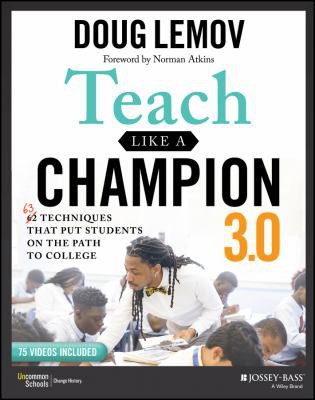
Lemov describes 49 techniques observed in effective classrooms, with clear examples. Widely used in teacher training.
Best for: teachers wanting practical tools.
2. The First Days of School by Harry K. Wong and Rosemary T. Wong
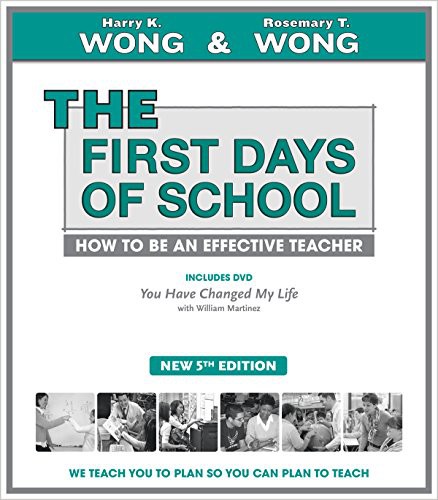
A guide to procedures and routines that set up a successful year.
Best for: new teachers.
3. Teach Like a Pirate by Dave Burgess
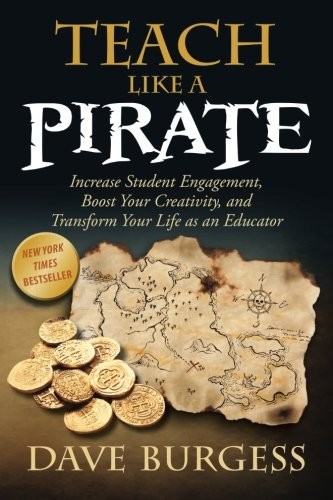
Burgess offers creative ideas for making lessons memorable. Enthusiastic.
Best for: teachers wanting energy.
4. Lost at School by Ross W. Greene
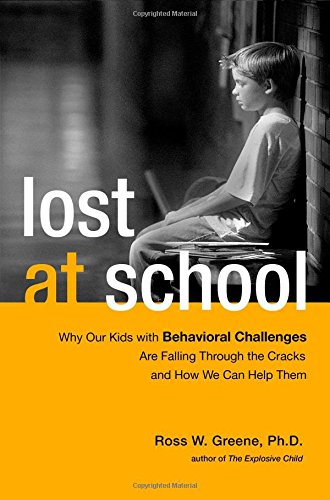
Presents collaborative problem solving for students with behavior challenges.
Best for: teachers working with challenging students.
5. Why Don’t Students Like School? by Daniel T. Willingham
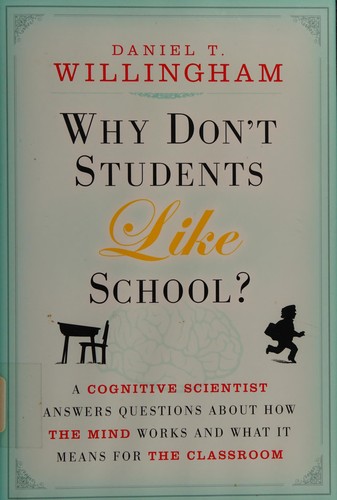
A cognitive scientist answers questions about how minds work and what it means for teaching.
Best for: teachers interested in learning.
6. Make It Stick by Peter C. Brown, Henry L. Roediger III and Mark A. McDaniel
Explains retrieval practice, spacing and interleaving.
Best for: teachers.
7. Visible Learning by John Hattie
Synthesizes thousands of studies on what influences student achievement. Dense but influential.
Best for: teachers who like data.
8. Mindset by Carol S. Dweck
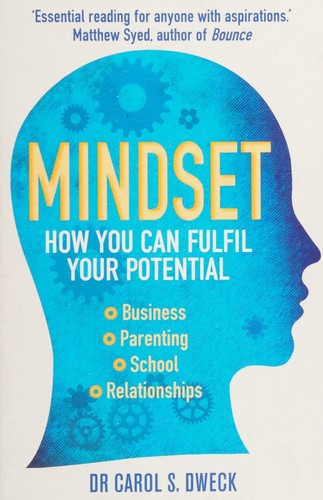
Explains fixed and growth mindsets.
Best for: teachers and students.
9. The Courage to Teach by Parker J. Palmer
Explores the inner life of teachers and the courage to connect.
Best for: teachers needing renewal.
10. Pedagogy of the Oppressed by Paulo Freire
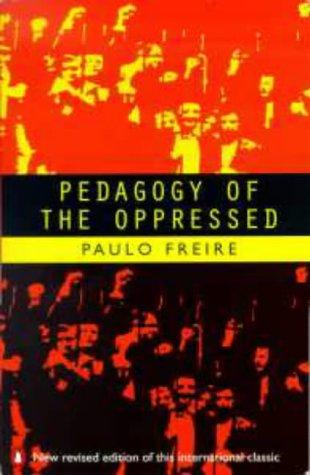
A classic on education as liberation. Challenging and influential.
Best for: teachers interested in critical pedagogy.
11. Teaching with Poverty in Mind by Eric Jensen
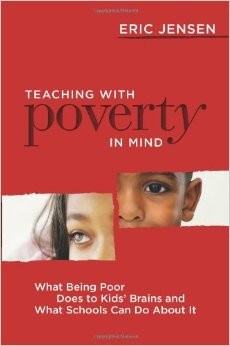
Explores the effects of poverty on learning and strategies to help.
Best for: teachers in high-poverty schools.
12. Mathematical Mindsets by Jo Boaler
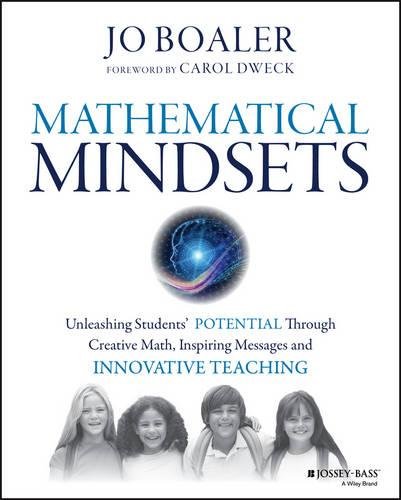
Offers ways to help students develop a positive attitude toward math.
Best for: math teachers.
13. The Teacher Wars by Dana Goldstein
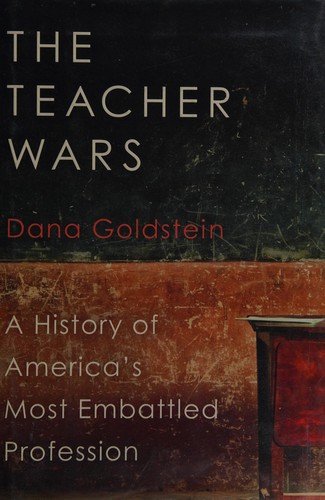
A history of the teaching profession in America.
Best for: teachers interested in context.
14. Burnout by Emily Nagoski and Amelia Nagoski
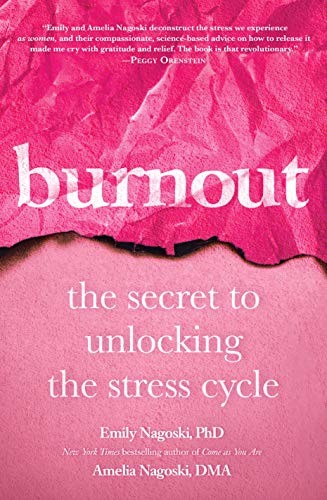
Explains the stress cycle and how to recover.
Best for: exhausted teachers.
15. How to Talk So Kids Will Listen & Listen So Kids Will Talk by Adele Faber and Elaine Mazlish
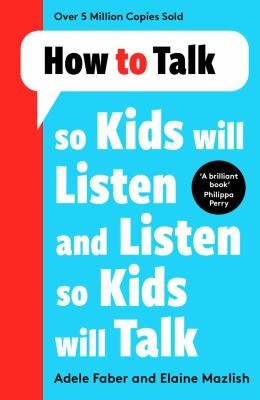
Classic communication skills.
Best for: teachers and parents.
How to Choose the Right Book on Teachers
Choose by need. For classroom management and technique, Teach Like a Champion, The First Days of School and Teach Like a Pirate give concrete tools. For understanding behavior, Lost at School and Why Don’t Students Like School? explain challenges. For learning science, Make It Stick, Visible Learning and Mindset offer research. For equity and philosophy, Pedagogy of the Oppressed, Teaching with Poverty in Mind and The Courage to Teach inspire. For math, Mathematical Mindsets helps. For well-being, Burnout and The Teacher Wars provide context.
Which Book Should You Start With? A Quick Guide
If you are not sure where to begin, match your situation to the list below.
- Teachers wanting practical tools: Teach Like a Champion
- New teachers: The First Days of School
- Teachers wanting energy: Teach Like a Pirate
- Teachers working with challenging students: Lost at School
- Teachers interested in learning: Why Don’t Students Like School?
- Teachers: Make It Stick
- Teachers who like data: Visible Learning
- Teachers and students: Mindset
- Teachers needing renewal: The Courage to Teach
- Teachers interested in critical pedagogy: Pedagogy of the Oppressed
- Teachers in high-poverty schools: Teaching with Poverty in Mind
- Math teachers: Mathematical Mindsets
- Teachers interested in context: The Teacher Wars
- Exhausted teachers: Burnout
- Teachers and parents: How to Talk So Kids Will Listen & Listen So Kids Will Talk
A Simple Reading Plan
Treat this list as a menu, not an assignment. Start with Teach Like a Champion, because it gives you a clear overview of teachers without demanding much from you. Read in short sessions and underline or note the passages that make you stop. After a week or two, move to The First Days of School for a different angle, then Teach Like a Pirate when you want more depth. Spacing the books out gives the ideas time to settle, and applying one small idea per week is worth more than rushing through the whole shelf. Revisit your notes at the end of each month to see what has actually changed.
Print, E-Book or Audiobook?
Format matters more than people expect. If you tend to forget what you read, choose print or an e-book so you can underline and review. If your time is limited, audiobooks fit into the gaps of your day. For a topic like teachers, short chapters are an advantage, since you can finish one in a single sitting and think about it afterward. Libraries lend e-books and audiobooks free, and many offer print copies of new releases through holds. Try one format for a week and switch if it is not working.
How to Get More From What You Read
Reading about teachers only helps if something changes afterward, so build a small habit around it. Keep a notebook or a notes app, and after each chapter write one sentence about what stood out and one action you could take. Choose a single idea per week to test, such as a new routine, a conversation or a different way of thinking. Discuss what you are reading with a friend, a partner or an online group, since explaining an idea out loud makes it stick. Review your notes monthly and drop anything that did not help. The aim is progress you can notice, not a long reading list.
Reading on a Budget
Good books on teachers are easier to afford than most people think. Library cards open up print, e-book and audiobook borrowing, and interlibrary loan can find titles your branch does not own. Used copies cost a fraction of new ones, and many of the classics are inexpensive in paperback. Try a sample chapter online to see whether an author’s voice suits you before you commit. If you finish a book you love, consider passing it to a friend, which keeps the ideas moving and your shelf uncluttered.
Talk About What You Read
Ideas stick when you talk about them. Choose one book from this list and invite a friend, partner or colleague to read it with you, then meet for coffee to compare notes on teachers. Online communities and library groups also host discussions, and many of these books have free reading guides. If you prefer privacy, a journal works well: write a paragraph after each chapter on what you agree with, what you doubt and what you will try. Teaching an idea to someone else is one of the best ways to learn it, so explain what you read in your own words.
Common Mistakes to Avoid
A few pitfalls are worth avoiding. Do not buy a dozen books on teachers in one go; borrow one, finish it and then decide what to read next. Do not expect a single book to transform your life overnight, since the best ones work through small, repeated actions. Be cautious of any author who promises guaranteed results, and check an author’s credentials and sources. Finally, do not use reading as a way of avoiding action. If you notice yourself finishing book after book without changing anything, pick one idea and practice it this week.
How to Judge a Book on Teachers
Not every book on teachers is equally reliable. Before you trust one, check the author’s background: are they a researcher, clinician, journalist or someone writing from lived experience? Each can be valuable, but they offer different things. Look for notes and references at the back, which show the claims can be checked. Be wary of books that promise a quick fix, rely on a single story or dismiss all other views. Read a few reviews from people with different perspectives, and treat bold claims as hypotheses to test in your own life. A good book invites questions instead of demanding agreement.
When Reading Is Not Enough
Reading can illuminate and encourage, yet some situations need more than a book. If you notice that your struggles with teachers are getting worse, lasting a long time or affecting your health, reach out to a professional you trust. Local libraries, community centers and workplaces often offer free resources, classes or referrals. Sharing what you are reading with a friend can open the door to a supportive conversation. Use these books as companions on the journey, and let real people walk it with you.
Questions to Reflect On
Keep these in a notebook and return to them after each book:
- What do I most want to understand or change about {t}?
- Which idea from my reading feels true for me, and which do I doubt?
- What is one small action I can take this week?
- Who could I talk to about what I am learning?
- How will I know in a month that this reading helped?
Tips for Reading About Teachers
- Try one idea. Pilot one new technique.
- Build relationships. Students learn from teachers they trust.
- Share. Swap ideas with colleagues.
- Plan rest. Teachers need breaks.
- Reflect. Notice what works.
Related: 15 Best Books for Caregivers and atomic Habits Summary and Key Takeaways.
Frequently Asked Questions
What is the best book for teachers?
Teach Like a Champion and The First Days of School are widely used, and Make It Stick offers learning science.
Which book helps with classroom management?
The First Days of School and Lost at School are practical.
Are there books on teacher burnout?
Burnout by the Nagoski sisters is useful for stress, and The Courage to Teach offers renewal.
How many books on teachers should I read at once?
One or two at a time is plenty. Finish a book, try one idea from it and then move on, so what you read turns into something you do.
Are these books on teachers available as audiobooks?
Most of them are. Check your library’s app, such as Libby, or an audiobook service, and listen to a sample to see whether the narrator suits you.