
Disclosure: As an Amazon Associate, Bookish Wisdom earns from qualifying purchases. This doesn’t change our picks or your price.
Quick answer: The best books on caregivers include The 36-Hour Day, Learning to Speak Alzheimer’s, Creating Moments of Joy, The Caregiver’s Survival Handbook, Passages in Caregiving and Being Mortal. Start with The 36-Hour Day if you care for someone with dementia, and Being Mortal, Burnout and Self-Compassion for yourself.
Caregiving is hard. If you feel overwhelmed or hopeless, talk to a doctor or counselor, or call or text 988 in the United States.
Caregiving is an act of love and also one of the most demanding jobs there is. Millions of people look after spouses, parents, children or friends with illness, disability or age-related needs, often while working and raising families. The result can be exhaustion, guilt, isolation and grief. The books in this list offer practical guidance on specific conditions, memoirs of caregiving that make you feel less alone and resources for the caregiver’s own well-being. Some are about dementia, others about general care. Read what you need, when you can. Remember that you cannot pour from an empty cup, and that asking for help is part of good caregiving. Local agencies, support groups and respite services can make a big difference.
Table of Contents
Quick Picks at a Glance
| Book | Author | Focus | Best For |
|---|---|---|---|
| The 36-Hour Day | Nancy L. Mace and Peter V. Rabins | Dementia | caregivers of people with dementia |
| Learning to Speak Alzheimer’s | Joanne Koenig Coste | Dementia | caregivers wanting communication tools |
| Creating Moments of Joy | Jolene Brackey | Dementia | caregivers |
| The Caregiver’s Survival Handbook | Alexis Abramson | General caregiving | family caregivers |
| Passages in Caregiving | Gail Sheehy | Caregiving | caregivers wanting stories |
| Being Mortal | Atul Gawande | Medicine | caregivers making decisions |
| Elderhood | Louise Aronson | Medicine and culture | caregivers who want perspective |
| Can’t We Talk About Something More Pleasant? | Roz Chast | Graphic memoir | caregivers who need humor |
| Tangles | Sarah Leavitt | Graphic memoir | family of people with Alzheimer’s |
| Slow Dancing with a Stranger | Meryl Comer | Memoir | caregivers |
| Still Alice | Lisa Genova | Novel | readers who want empathy |
| Ambiguous Loss | Pauline Boss | Grief | caregivers of people with dementia |
| Burnout | Emily Nagoski and Amelia Nagoski | Stress | exhausted caregivers |
| Self-Compassion | Kristin Neff | Skills | caregivers who feel guilty |
| It’s OK That You’re Not OK | Megan Devine | Grief | caregivers anticipating loss |
1. The 36-Hour Day by Nancy L. Mace and Peter V. Rabins
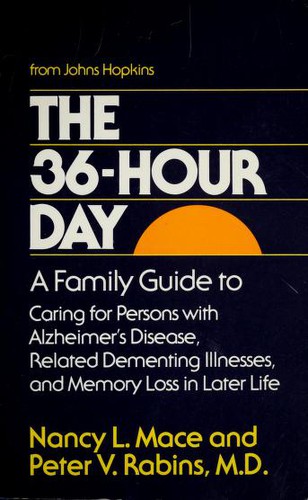
The classic guide to caring for someone with Alzheimer’s or another dementia, covering behavior, safety and legal issues. Thorough and compassionate.
Best for: caregivers of people with dementia.
2. Learning to Speak Alzheimer’s by Joanne Koenig Coste
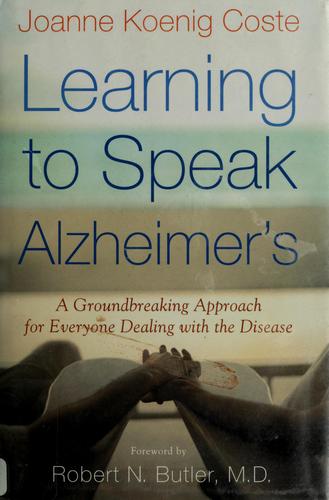
Teaches how to communicate and connect with someone with Alzheimer’s.
Best for: caregivers wanting communication tools.
3. Creating Moments of Joy by Jolene Brackey
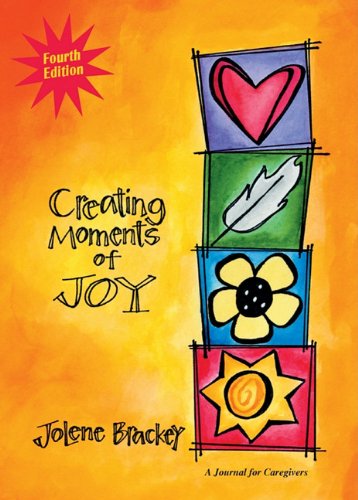
Offers ideas for small moments of joy for people with memory loss.
Best for: caregivers.
4. The Caregiver’s Survival Handbook by Alexis Abramson
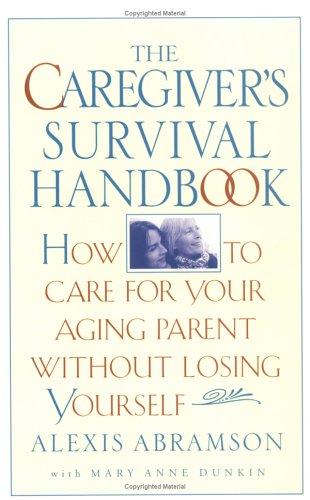
Practical advice on caring for aging family members and yourself.
Best for: family caregivers.
5. Passages in Caregiving by Gail Sheehy
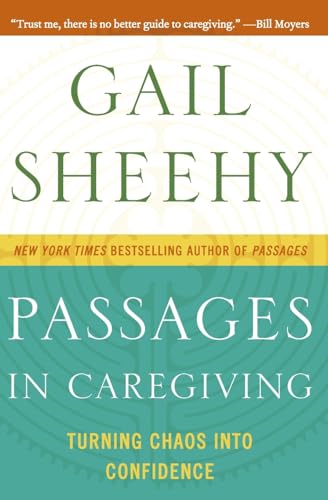
Sheehy describes the stages of caregiving and shares her experience with her husband’s cancer.
Best for: caregivers wanting stories.
6. Being Mortal by Atul Gawande
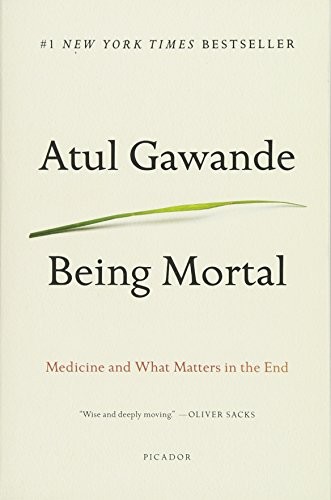
Explores aging and end-of-life care.
Best for: caregivers making decisions.
7. Elderhood by Louise Aronson
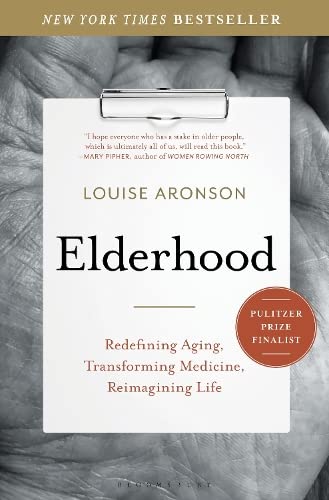
A geriatrician reflects on aging and care.
Best for: caregivers who want perspective.
8. Can’t We Talk About Something More Pleasant? by Roz Chast
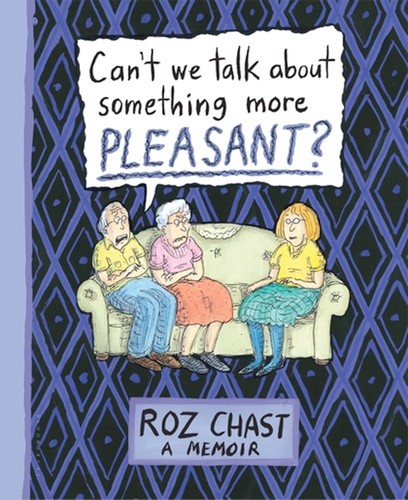
A cartoonist chronicles her aging parents’ decline with wit and tenderness.
Best for: caregivers who need humor.
9. Tangles by Sarah Leavitt
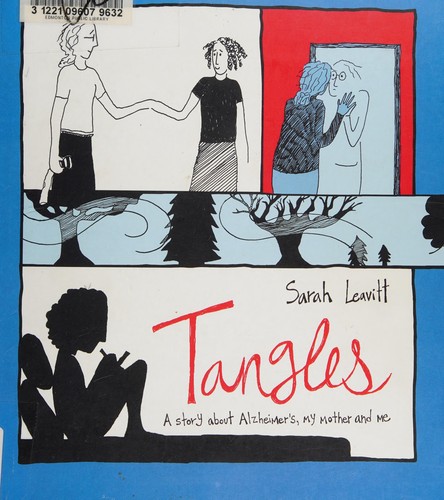
A graphic memoir about her mother’s Alzheimer’s.
Best for: family of people with Alzheimer’s.
10. Slow Dancing with a Stranger by Meryl Comer
A journalist describes caring for her husband with Alzheimer’s.
Best for: caregivers.
11. Still Alice by Lisa Genova
A professor is diagnosed with early-onset Alzheimer’s. Moving and informative.
Best for: readers who want empathy.
12. Ambiguous Loss by Pauline Boss
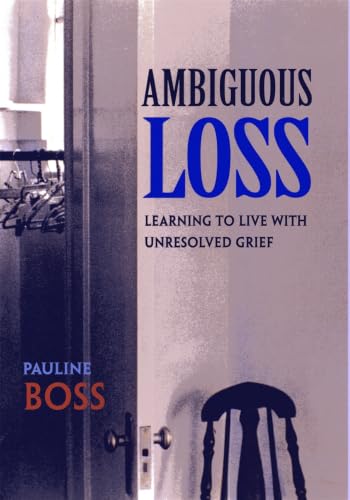
Explores grief when someone is physically present but psychologically absent.
Best for: caregivers of people with dementia.
13. Burnout by Emily Nagoski and Amelia Nagoski
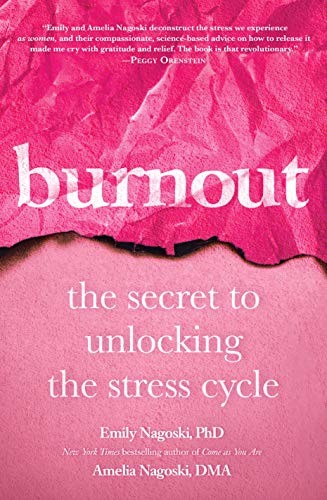
Explains the stress cycle and recovery.
Best for: exhausted caregivers.
14. Self-Compassion by Kristin Neff
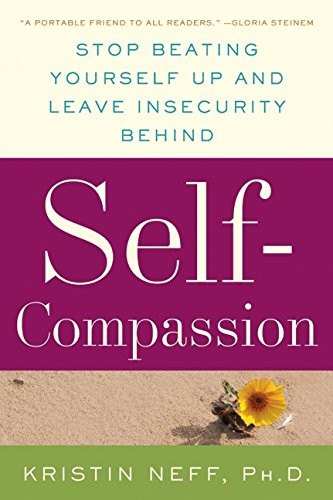
Teaches kindness toward yourself.
Best for: caregivers who feel guilty.
15. It’s OK That You’re Not OK by Megan Devine
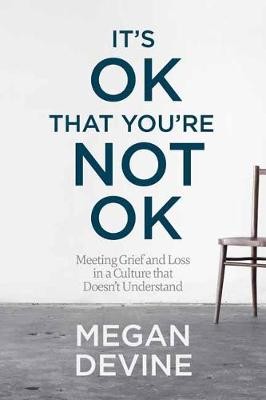
Validates grief and offers support.
Best for: caregivers anticipating loss.
How to Choose the Right Book on Caregivers
Choose by need. For dementia, The 36-Hour Day, Learning to Speak Alzheimer’s and Creating Moments of Joy are practical. For general caregiving, The Caregiver’s Survival Handbook and Passages in Caregiving offer advice. For understanding aging, Being Mortal and Elderhood give perspective. For company, Can’t We Talk About Something More Pleasant?, Tangles and Slow Dancing with a Stranger tell stories. For your own well-being, Burnout, Self-Compassion and It’s OK That You’re Not OK are essential. For ambiguous grief, Ambiguous Loss helps.
Which Book Should You Start With? A Quick Guide
If you are not sure where to begin, match your situation to the list below.
- Caregivers of people with dementia: The 36-Hour Day
- Caregivers wanting communication tools: Learning to Speak Alzheimer’s
- Caregivers: Creating Moments of Joy
- Family caregivers: The Caregiver’s Survival Handbook
- Caregivers wanting stories: Passages in Caregiving
- Caregivers making decisions: Being Mortal
- Caregivers who want perspective: Elderhood
- Caregivers who need humor: Can’t We Talk About Something More Pleasant?
- Family of people with Alzheimer’s: Tangles
- Caregivers: Slow Dancing with a Stranger
- Readers who want empathy: Still Alice
- Caregivers of people with dementia: Ambiguous Loss
- Exhausted caregivers: Burnout
- Caregivers who feel guilty: Self-Compassion
- Caregivers anticipating loss: It’s OK That You’re Not OK
A Simple Reading Plan
A reading plan works better than a stack of good intentions. Begin with The 36-Hour Day, which is the easiest way into caregivers, and give it two weeks at ten to twenty pages a day. When you finish, spend five minutes writing down the one idea you want to try. Then move to Learning to Speak Alzheimer’s, and only after that to Creating Moments of Joy or a title that is denser. Mixing formats helps: read one book on paper, listen to another on a walk and keep a third on your phone for waiting rooms. If a book is not helping after fifty pages, put it down without guilt and try the next one, because the right book at the right time matters more than finishing every one.
Print, E-Book or Audiobook?
You do not have to pick one format. For a book on caregivers, listen to the audiobook while walking or driving, and keep the paper or e-book handy for the chapters you want to study. Reading and listening together can improve retention, since you hear the author’s voice and see the structure on the page. Library apps lend all three formats free, and used paperbacks are inexpensive. If your attention drifts with long audio sessions, try 1.25x speed for an easy book and normal speed for a dense one. Choose whatever makes it easiest to read a little every day.
How to Get More From What You Read
Reading is the first step, and practice is the second. For each book on caregivers, choose one idea that fits your life and schedule it, whether it is a ten-minute exercise, a conversation or a habit. Write it where you will see it, such as on a sticky note or in your calendar. After two weeks, ask what worked and what did not, and adjust. Sharing your progress with a friend adds accountability. If a book offers exercises, do them with a pencil instead of skipping to the next chapter, because the exercises are where most of the value lies.
Reading on a Budget
Reading about caregivers does not have to be expensive. Start at the library, where print books, e-books and audiobooks are free with a card and a hold list, and ask the librarian for related titles. Secondhand bookstores and online used sellers keep prices low, and older editions are usually just as good as new ones. Watch for e-book sales, and borrow a title before buying it to be sure it suits you. When a book becomes a favorite, buy a copy for your shelf so you can reread and annotate it.
Talk About What You Read
Talking about what you read turns information into understanding. After each book on caregivers, tell someone one thing you learned, even if it is just a five-minute chat over dinner. Post a short review for other readers, which forces you to organize your thoughts. If a book raises difficult feelings, share them with a trusted friend or counselor instead of carrying them alone. And if you disagree with an author, say so; thoughtful disagreement is part of learning, and it sharpens your own view.
Common Mistakes to Avoid
Readers often make a few predictable mistakes with books on caregivers. The first is reading too many at once and finishing none, so stick with one or two at a time. The second is looking for a perfect answer, when most authors offer ideas to test, not rules to follow. The third is skipping the exercises or reflection questions, which are often the most useful parts. The fourth is comparing yourself with the author’s success story. Finally, do not treat a book as a substitute for support from people who know you. Use books as one tool among several, and be kind to yourself when progress is slow.
How to Judge a Book on Caregivers
A few quick checks can save you time when choosing a book on caregivers. Look at who wrote it and what qualifies them. See whether the author cites research or sources, and whether those sources are recent enough to matter. Notice the tone: honest authors admit limits and exceptions, while less reliable ones speak in absolutes. Skim the table of contents and a sample chapter, and read both enthusiastic and critical reviews. If a claim seems too good to be true, search for what other experts say. Reading widely across several authors is the best protection against any single voice.
When Reading Is Not Enough
Books are a good start, but they are not the whole answer to every situation involving caregivers. If your difficulties interfere with sleep, work, relationships or safety, talk with a doctor, counselor or other qualified professional. Support groups, whether in person or online, can give you something books cannot: people who understand and respond. Friends and family can help if you let them know what you need. Think of your reading as one part of a larger toolkit, and do not hesitate to add other tools. Asking for help is a sign of strength and often speeds progress.
Questions to Reflect On
Keep these in a notebook and return to them after each book:
- What do I most want to understand or change about {t}?
- Which idea from my reading feels true for me, and which do I doubt?
- What is one small action I can take this week?
- Who could I talk to about what I am learning?
- How will I know in a month that this reading helped?
Tips for Reading About Caregivers
- Ask for help. Share tasks.
- Use respite. Take breaks.
- Join a group. Support groups help.
- Learn about the illness. Knowledge reduces fear.
- Care for yourself. Sleep, eat and see your doctor.
Related: 15 Best Books to Read When You Can’t Sleep and atomic Habits Summary and Key Takeaways.
Frequently Asked Questions
What is the best book for caregivers?
The 36-Hour Day is the standard for dementia, and The Caregiver’s Survival Handbook is general.
How can caregivers avoid burnout?
Share tasks, take breaks, seek support and prioritize your health.
Where can I find help?
Local agencies on aging, disease organizations and support groups offer services.
How many books on caregivers should I read at once?
One or two at a time is plenty. Finish a book, try one idea from it and then move on, so what you read turns into something you do.
Are these books on caregivers available as audiobooks?
Most of them are. Check your library’s app, such as Libby, or an audiobook service, and listen to a sample to see whether the narrator suits you.