
Disclosure: As an Amazon Associate, Bookish Wisdom earns from qualifying purchases. This doesn’t change our picks or your price.
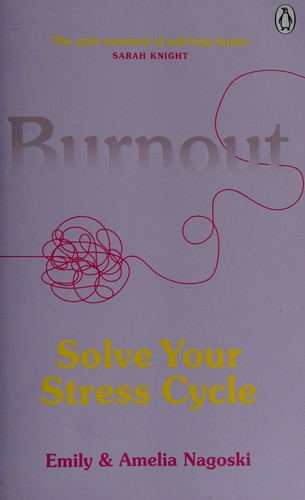
TL;DR: Burnout: The Secret to Unlocking the Stress Cycle by Emily Nagoski and Amelia Nagoski argues that dealing with stressors is not the same as dealing with stress. The sisters explain that stress is a biological cycle that must be completed, and they offer evidence-based ways to do so, from physical activity and breathing to connection, laughter and rest.
Many people try to manage burnout by cutting stressors, such as working less or saying no, yet still feel exhausted. In Burnout, published in 2019, sisters Emily Nagoski, a sex educator and health researcher, and Amelia Nagoski, a choral conductor, argue that this misses half of the picture. They draw on research on stress, emotions and gender to explain why women, in particular, often feel depleted, and they provide practical tools to recover. The book is warm, witty and full of research. Here’s a summary of its main ideas.
Table of Contents
Burnout at a Glance
| Detail | Info |
|---|---|
| Authors | Emily Nagoski and Amelia Nagoski |
| Published | 2019 |
| Genre | Health, psychology, self-help |
| Core idea | Complete the stress cycle, not just remove the stressor |
| Structure | Three parts: the stress cycle, the Bikini Industrial Complex and meaning |
| Best for | Anyone who feels exhausted, especially caregivers and high-achieving professionals |
What Is Burnout About?
The authors describe burnout, using psychologist Christina Maslach’s definition, as a combination of emotional exhaustion, depersonalization (feeling detached or cynical) and a decreased sense of accomplishment. It can happen at work, in caregiving and in life.
Their main idea is the difference between stressors and stress. Stressors are the things that trigger stress, such as deadlines, conflict or worry. Stress is your body’s response, a physiological cycle that has a beginning, a middle and an end. If you handle the stressor but never complete the stress cycle, the stress stays stuck in your body.
Key Ideas, Part by Part
Completing the Stress Cycle
The Nagoskis explain that the human body evolved to respond to threats with fight, flight or freeze, and then to recover by releasing that energy. Modern life often presents stressors that do not require physical action, so the body is left primed with no outlet. They recommend ways to signal safety: physical activity, which they call the single most efficient strategy, slow breathing with a long exhale, positive social interaction, laughter, affection, crying and creative expression.
They give specific tips. A twenty-second hug with someone you trust, a six-second kiss, a short run, a dance session in your kitchen or a good cry can help your body complete the cycle. The goal is not to fix the problem, but to let your body know it is safe.
Human Giver Syndrome and the Bikini Industrial Complex
The second part examines social pressures, especially on women. Human giver syndrome is the expectation that some people, often women, must be pretty, calm, happy and generous, putting others first and expecting nothing in return. The authors argue that this belief contributes to burnout because it demands endless giving and punishes needs.
They also critique what they call the Bikini Industrial Complex, a system of messages about appearance and worth that leaves many women feeling unworthy. They suggest rejecting the idea that you must earn your right to rest or love by meeting these standards, and encourage readers to treat themselves with the same kindness they offer others.
Sleep, Rest and Self-Compassion
The authors stress that rest is not a luxury. They discuss the importance of sleep, and also the value of other forms of rest: doing nothing, setting boundaries and giving yourself permission to stop. They encourage readers to build a habit of self-compassion, recognizing that struggles are part of being human.
They also point out that emotions have their own cycles. Allowing a feeling to move through you, like walking through a tunnel, helps it pass, whereas suppressing it makes it linger. Emotions are not problems to solve but experiences to feel.
Meaning and Something Larger
In the final part, the authors discuss the role of meaning. Having a sense of purpose, a reason that is bigger than yourself, can buffer against burnout. This might come from caring for others, creative work, community, nature or spirituality. They propose a simple practice: ask what small things you can do each day that align with your purpose.
The book ends with an invitation to build a community where people look after one another, to share the work of caring and to remember that you are not in this alone.
6 Key Takeaways From Burnout
- Stress and stressors are different. Handle both, not just the cause.
- Complete the cycle. Movement, breath, connection, laughter and crying help.
- Rest is essential. Sleep and downtime restore capacity.
- Challenge giver expectations. You don’t have to earn rest.
- Feel your emotions. They pass when you let them move.
- Find meaning. A sense of purpose protects you.
Ideas Worth Remembering
- Being active is the most efficient way to complete the stress cycle. (paraphrased)
- Self-care is not selfish. (paraphrased)
- You can’t fix a stuck cycle with logic alone. (paraphrased)
- Connection helps the body feel safe. (paraphrased)
How to Apply Burnout in Real Life
- Move daily. Take a brisk walk or dance for ten to twenty minutes.
- Breathe slowly. Try a long exhale for a minute.
- Hug or connect. Share a long hug with someone safe.
- Let yourself cry or laugh. Choose a movie or song that helps.
- Set a rest rule. Protect a regular time for doing nothing.
Criticisms and Limits
Critics note that the book focuses largely on women and may feel less relevant to some readers, and that its emphasis on personal strategies could overshadow the need for structural changes at work. Some of the suggested practices may not be accessible to people with limited time, money or health. A few readers find the tone playful and wish for more clinical detail.
Even so, the central idea of completing the stress cycle is easy to apply and widely supported by research on stress physiology. Use it as part of a broader approach to well-being.
Burnout in One Minute
Stress is a body cycle that must be completed, separate from the stressors that start it. Use movement, breathing, laughter, affection, crying and creativity to finish the cycle. Notice social pressures such as human giver syndrome, rest without earning it and let emotions move through. Find meaning to protect against exhaustion.
A Ten-Minute Reset
When you feel overwhelmed, try a short routine. Spend two minutes doing a fast activity such as jumping jacks or climbing stairs. Take two minutes of slow breathing, exhaling longer than you inhale. Spend a minute or two thinking of something you are grateful for. Call or message a friend, or hug someone nearby. End by writing one thing you will do for yourself tonight. The sequence helps your body shift from threat to safety.
Burnout and the Workplace
The authors acknowledge that individual strategies cannot fix unfair workloads or unsupportive cultures. Employers play a role in setting reasonable expectations, recognizing effort and offering flexibility. Individuals can push for change by speaking up, setting boundaries and building community. Taking care of yourself is necessary, but not a substitute for healthier workplaces.
When to Seek Help
Burnout can overlap with depression and anxiety. If you feel hopeless, have trouble functioning or think about harming yourself, reach out to a doctor or therapist. In the US, you can call or text 988 to reach the Suicide and Crisis Lifeline at any time. The book is not a replacement for professional care, but it can help you understand your body and take small steps toward recovery.
Signs of Burnout to Watch For
Common signs include constant tiredness that rest does not fix, cynicism about work or people you care about, feeling that nothing you do matters and trouble concentrating. Physical symptoms can include headaches, sleep problems and changes in appetite. Noticing these early gives you a chance to act. Start with a small step, like adding a daily walk or protecting an evening, and talk to someone you trust about how you feel.
Building a Personal Recovery Plan
Write down three ways you can complete the stress cycle that fit your life, such as a lunchtime walk, a call with a friend and a bedtime stretch. Add one rest habit, like a screen-free hour, and one source of meaning, like volunteering or a creative project. Put them in your calendar as you would a meeting. Review after two weeks, keep what helps and adjust the rest. Small, regular actions matter more than a single big change.
Who Should Read Burnout?
Read it if you feel drained, care for others or work in a demanding job. It suits readers who enjoy a warm, research-based approach. For a perspective on trauma and the body, you can follow it with The Body Keeps the Score.
What to Read Next
- The Body Keeps the Score by Bessel van der Kolk how trauma lives in the body
- Four Thousand Weeks by Oliver Burkeman a realistic look at time and limits
- Come as You Are by Emily Nagoski the science of sexual well-being
Related: The Body Keeps the Score summary and key takeaways and Essentialism summary and key takeaways.
Frequently Asked Questions
What is the main idea of Burnout?
That you must complete the stress cycle, not just remove stressors, to recover from burnout.
How do you complete the stress cycle?
Through physical activity, breathing, connection, laughter, affection, crying and creative expression.
What is human giver syndrome?
The expectation that some people must be endlessly giving and put others’ needs first.
Who wrote Burnout?
Sisters Emily Nagoski and Amelia Nagoski.
Is the book only for women?
It focuses on women’s experiences, but its advice on stress applies to everyone.