
Disclosure: As an Amazon Associate, Bookish Wisdom earns from qualifying purchases. This doesn’t change our picks or your price.
Quick answer: The best books to read before visiting Morocco include The Sheltering Sky, The Spider’s House, Let It Come Down, For Bread Alone, Dreams of Trespass and The Moor’s Account. Read The Sheltering Sky for the desert mood, A House in Fez for daily life and The Moor’s Account for history.
Travel conditions, entry rules and safety advice change. Check your government’s official travel advisory before you go.
Morocco is a country of contrasts: the labyrinthine medinas of Fez and Marrakech, the Atlas Mountains, the Sahara dunes and the Atlantic coast. Writers have been drawn to it for generations, from Paul Bowles in Tangier to modern Moroccan voices writing in French, Arabic and English. A trip is richer when you know the layers of Amazigh, Arab, Andalusian and French influence. The fifteen books below include classic novels, memoirs of Westerners who bought crumbling riads, Moroccan autobiographies and fiction rooted in history. Some are dreamy, others raw. A few are dated in their attitudes, so read with a critical eye. Choose a couple before you go and ask locals for their favorite authors.
Table of Contents
Quick Picks at a Glance
| Book | Author | Type | Best For |
|---|---|---|---|
| The Sheltering Sky | Paul Bowles | Novel | readers who like existential fiction |
| The Spider’s House | Paul Bowles | Novel | readers interested in Fez |
| Let It Come Down | Paul Bowles | Novel | readers who like Tangier noir |
| For Bread Alone | Mohamed Choukri | Memoir | readers who want raw honesty |
| Dreams of Trespass | Fatima Mernissi | Memoir | readers who like childhood memoirs |
| The Moor’s Account | Laila Lalami | Historical novel | readers who love historical fiction |
| Secret Son | Laila Lalami | Novel | readers interested in modern Morocco |
| Hope and Other Dangerous Pursuits | Laila Lalami | Novel | readers who like migration stories |
| Leo Africanus | Amin Maalouf | Historical novel | readers who like sweeping history |
| A House in Fez | Suzanna Clarke | Memoir | readers who love renovation stories |
| The Caliph’s House | Tahir Shah | Memoir | readers who like humor |
| In Arabian Nights | Tahir Shah | Travel memoir | readers who love stories |
| Hideous Kinky | Esther Freud | Novel | readers who like bohemian travel |
| The Alchemist | Paulo Coelho | Fable | readers who want a short, symbolic read |
| A Year in Marrakesh | Peter Mayne | Travel memoir | readers who like classic travel writing |
1. The Sheltering Sky by Paul Bowles
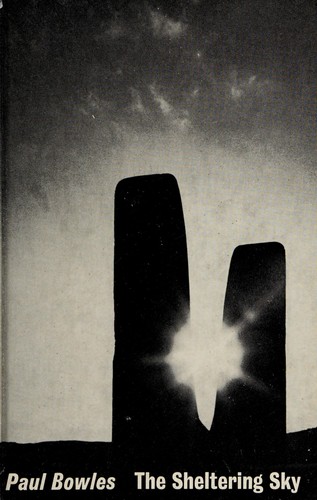
An American couple travels across the Sahara and unravels. Dark, hypnotic and an essential portrait of the desert, though it reflects a Western view. Content note: disturbing events.
Best for: readers who like existential fiction.
2. The Spider’s House by Paul Bowles
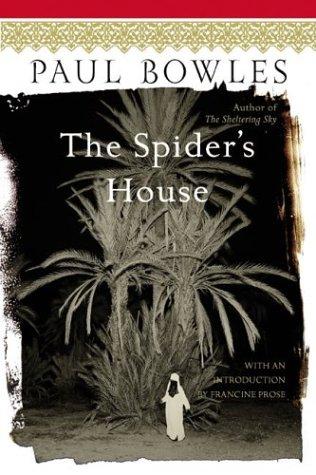
A novel set in Fez during the 1954 struggle for independence. Atmospheric and political.
Best for: readers interested in Fez.
3. Let It Come Down by Paul Bowles
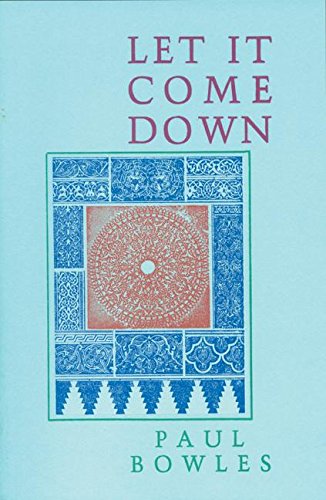
An American bank clerk falls into the expatriate underworld of Tangier. Moody. Content note: violence and drug use.
Best for: readers who like Tangier noir.
4. For Bread Alone by Mohamed Choukri
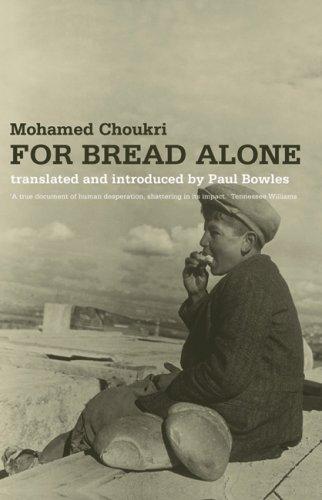
The author’s autobiography of poverty and survival in Tangier and Tetouan. Frank and powerful. Content note: poverty, drug use and sexual content.
Best for: readers who want raw honesty.
5. Dreams of Trespass by Fatima Mernissi
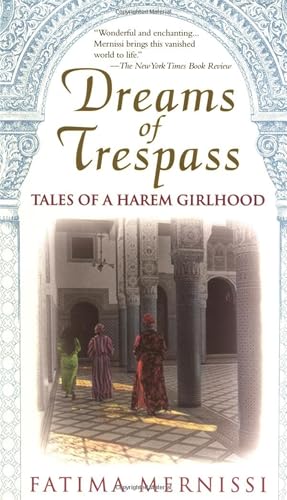
A girl growing up in a harem in 1940s Fez. Warm and revealing, by a leading Moroccan feminist.
Best for: readers who like childhood memoirs.
6. The Moor’s Account by Laila Lalami
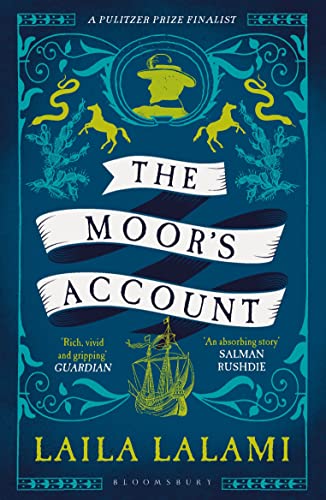
The enslaved Moroccan man who survived an expedition to the Americas tells his story. A Pulitzer finalist.
Best for: readers who love historical fiction.
7. Secret Son by Laila Lalami
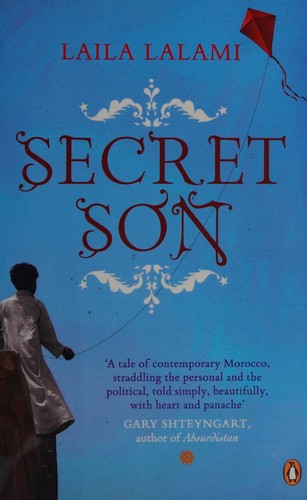
A young man in Casablanca discovers his father is alive. Explores class and politics.
Best for: readers interested in modern Morocco.
8. Hope and Other Dangerous Pursuits by Laila Lalami
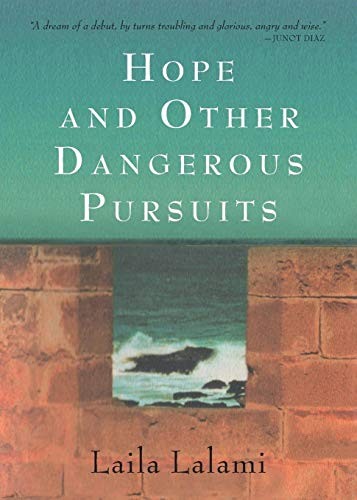
Four Moroccans cross the Strait of Gibraltar. Humane and tense.
Best for: readers who like migration stories.
9. Leo Africanus by Amin Maalouf
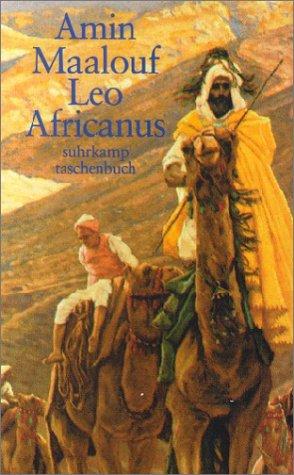
A fictional memoir of the Granada-born traveler who wrote about Africa. Rich and learned.
Best for: readers who like sweeping history.
10. A House in Fez by Suzanna Clarke
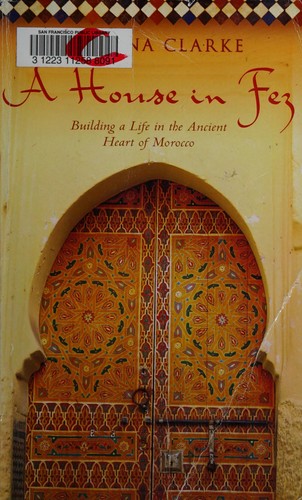
An Australian couple restores a riad in Fez’s medina. Warm and informative.
Best for: readers who love renovation stories.
11. The Caliph’s House by Tahir Shah
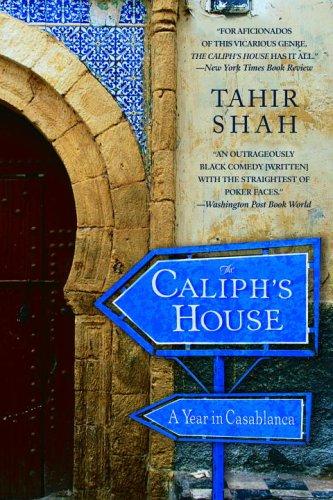
A writer moves his family to a haunted house in Casablanca. Funny and affectionate.
Best for: readers who like humor.
12. In Arabian Nights by Tahir Shah
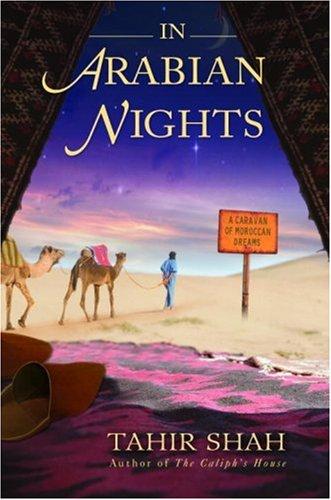
Shah travels across Morocco collecting folktales. Charming.
Best for: readers who love stories.
13. Hideous Kinky by Esther Freud
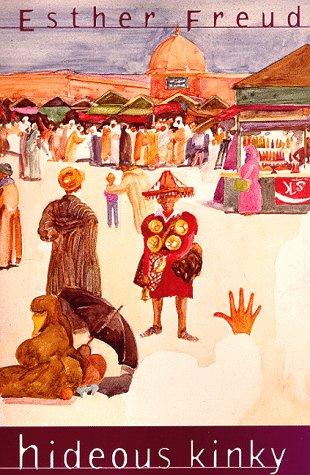
A mother takes her daughters to Marrakech in the 1960s. Vivid and light.
Best for: readers who like bohemian travel.
14. The Alchemist by Paulo Coelho
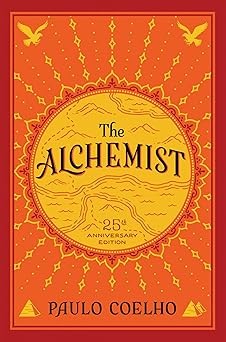
A shepherd’s journey includes a stop in Tangier and the desert. Simple and inspiring.
Best for: readers who want a short, symbolic read.
15. A Year in Marrakesh by Peter Mayne
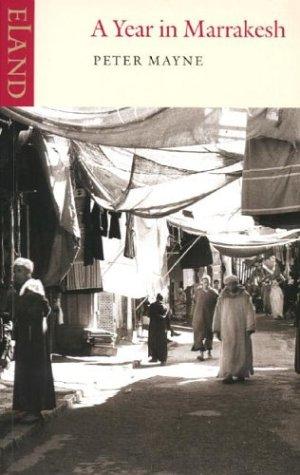
An Englishman rents a house in Marrakech’s medina in the 1950s and describes his neighbors with affection. Gentle and observant, though a product of its time.
Best for: readers who like classic travel writing.
How to Choose the Right Book on Morocco
Choose by approach. For classic atmosphere, The Sheltering Sky, The Spider’s House and Let It Come Down by Paul Bowles are famous, though written by an outsider. For Moroccan voices, For Bread Alone, Dreams of Trespass and Laila Lalami’s novels offer insiders’ views. For renovation memoirs, A House in Fez and The Caliph’s House are fun and informative. For history, Leo Africanus and The Moor’s Account are imaginative. For a light read, In Arabian Nights mixes anecdotes and folklore. Balance outsider and insider perspectives.
Which Book Should You Start With? A Quick Guide
If you are not sure where to begin, match your situation to the list below.
- Readers who like existential fiction: The Sheltering Sky
- Readers interested in Fez: The Spider’s House
- Readers who like Tangier noir: Let It Come Down
- Readers who want raw honesty: For Bread Alone
- Readers who like childhood memoirs: Dreams of Trespass
- Readers who love historical fiction: The Moor’s Account
- Readers interested in modern Morocco: Secret Son
- Readers who like migration stories: Hope and Other Dangerous Pursuits
- Readers who like sweeping history: Leo Africanus
- Readers who love renovation stories: A House in Fez
- Readers who like humor: The Caliph’s House
- Readers who love stories: In Arabian Nights
- Readers who like bohemian travel: Hideous Kinky
- Readers who want a short, symbolic read: The Alchemist
- Readers who like classic travel writing: A Year in Marrakesh
A Simple Reading Plan
Treat the reading as a warm-up. Read The Sheltering Sky first for orientation, then The Spider’s House for a human voice, and use Let It Come Down or another title when you want depth. Alternate between fiction and nonfiction so your imagination and your knowledge grow together. Mark places you want to see, and map them. Reading on the plane is a pleasure, but reading in the weeks before gives you time to plan. If a book is too heavy, listen to it as an audiobook while packing, walking or cooking.
Print, E-Book or Audiobook?
Print, e-book and audiobook each suit different readers. Print is best for books you want to mark up and return to, which is useful for practical guides on Morocco. E-books are cheap, portable and easy to search, and they make it simple to highlight a passage and find it again later. Audiobooks turn commutes, chores and walks into reading time, and a good narrator can make a heavy book on Morocco easier to take in. Your public library offers all three through apps like Libby, so you can try a title before buying it. Many readers use two formats for the same book, listening first and then skimming a print copy for notes.
How to Get More From What You Read
To get the most from your reading, connect it to the real world. Highlight passages that describe places you will see, and look up photos and maps. Cook a dish from Morocco to taste what you read about, and listen to music from the region. Talk about what you are reading with someone who has visited or lives there, because their stories add texture. Keep a small notebook for questions to ask locals. Reading is the first step; curiosity on the ground is the second, and the two feed each other.
Reading on a Budget
You do not need to buy all of these books. Your public library likely lends print, e-book and audiobook copies of many titles on Morocco for free, and the hold feature lets you queue for popular ones. Used paperbacks are usually a few dollars, and thrift stores, library sales and swap groups are good sources. If you want to own a book you will mark up, buy the print edition; if you want to try several, borrow first and buy only the ones you finish and love. Subscription audiobook services often offer a free trial that covers a first title, and some libraries partner with apps that need only a library card.
Talk About What You Read
Reading on your own is valuable, and reading with others adds accountability. Consider forming a small book club around Morocco, taking turns to choose a title from this list. Meet monthly, ask each person to share one idea and one action, and keep the tone supportive rather than competitive. If your friends are not interested, look for a local library group or an online community. A shared conversation helps you notice things you missed, and the encouragement of others makes it easier to keep going when progress feels slow.
Common Mistakes to Avoid
Watch for these traps. First, assuming one author speaks for a whole country; Morocco is far more varied than any book. Second, reading only historical books and missing present-day life. Third, relying on exotic or nostalgic portraits that locals may not recognize. Fourth, forgetting that some famous books are by visitors, with a visitor’s blind spots. Finally, skipping practical sources: official travel advisories, embassy sites and recent guidebooks matter for safety and logistics. Use these books to deepen your trip, not to replace planning.
How to Judge a Book on Morocco
When choosing among books on Morocco, ask who wrote it and why. Authors from the country often capture details outsiders miss, while visitors may explain things locals take for granted. Check the date, and look for reviews from readers who know the place. Be cautious with books that lean on stereotypes or promise to reveal the true spirit of a country in a single volume. Translations can vary in quality, so read a sample. Combining a classic with something recent helps you see both the history and the present.
Reading Is Not Planning
Reading prepares your mind, but practical planning prepares your trip. Use official sources for visas, vaccines, safety, currency and local rules, and look at recent traveler reports for current conditions. Books may describe places that have changed or closed. Be respectful of local customs, learn basic greetings and keep your plans flexible. If you are unsure about something, ask your hotel, a local guide or the embassy. With a little preparation, the stories you read will sit alongside real experiences.
Questions to Reflect On
Keep these in a notebook as you read:
- Which places in these books do I most want to see?
- Whose voice am I hearing: a local, a visitor or a historian?
- What do these books leave out?
- How might the place look different today?
- What would I like to ask a local when I arrive?
Tips for Reading About Morocco
- Read insider voices. Add Moroccan authors.
- Learn greetings. Salam, merci.
- Bargain politely. Souks expect it.
- Dress modestly. Respect local norms.
- Try mint tea. A ritual of hospitality.
Related: 15 Best Books to Read Before Visiting Egypt and 15 Best Books to Read Before Visiting Bangladesh.
Frequently Asked Questions
What are the best books to read before visiting Morocco?
The Sheltering Sky, A House in Fez, Dreams of Trespass and The Moor’s Account are popular.
Are Paul Bowles’s novels accurate?
They are fiction by an outsider and reflect his era. Pair them with Moroccan authors.
Any Moroccan authors?
Mohamed Choukri, Fatima Mernissi and Laila Lalami.
How many books on Morocco should I read at once?
One or two at a time is plenty. Finish a book, try one idea from it and then move on, so what you read turns into something you do.
Are these books on Morocco available as audiobooks?
Most of them are. Check your library’s app, such as Libby, or an audiobook service, and listen to a sample to see whether the narrator suits you.