
Disclosure: As an Amazon Associate, Bookish Wisdom earns from qualifying purchases. This doesn’t change our picks or your price.
Quick answer: The best books to read before visiting Peru include Turn Right at Machu Picchu, The Lost City of the Incas, The Last Days of the Incas, The Conquest of the Incas, Death in the Andes and The Storyteller. Combine Turn Right at Machu Picchu, Death in the Andes and Touching the Void for adventure, fiction and the high mountains.
Travel conditions, entry rules and safety advice change. Check your government’s official travel advisory before you go.
Peru is a land of extremes: coast, Andes and Amazon, ancient citadels and modern Lima. Its history stretches from the Caral civilization through the Incas, the Spanish conquest and the troubled twentieth century. A trip to Cusco, Machu Picchu and the Sacred Valley is more rewarding if you know the story behind the stones and the people who live among them. The fifteen books below include narrative histories of the Incas, novels by Nobel laureate Mario Vargas Llosa, fiction from Quechua-speaking authors, mountaineering classics and light travel writing. Some are adventurous, others somber. Read a few before you go, and take an altitude-friendly book that you can enjoy during acclimatization days.
Table of Contents
Quick Picks at a Glance
| Book | Author | Type | Best For |
|---|---|---|---|
| Turn Right at Machu Picchu | Mark Adams | Travel and history | first-time visitors |
| The Lost City of the Incas | Hiram Bingham | Exploration | readers who like old travel narratives |
| The Last Days of the Incas | Kim MacQuarrie | History | readers who love narrative history |
| The Conquest of the Incas | John Hemming | History | readers who want a thorough account |
| Death in the Andes | Mario Vargas Llosa | Novel | readers who like mystery |
| The Storyteller | Mario Vargas Llosa | Novel | readers interested in Amazonian cultures |
| Aunt Julia and the Scriptwriter | Mario Vargas Llosa | Novel | readers who want humor |
| The Time of the Hero | Mario Vargas Llosa | Novel | readers who like gritty fiction |
| Deep Rivers | José María Arguedas | Novel | readers who want an Andean voice |
| Yawar Fiesta | José María Arguedas | Novel | readers interested in Andean culture |
| The Notebooks of Don Rigoberto | Mario Vargas Llosa | Novel | readers who like erotic satire |
| Touching the Void | Joe Simpson | Mountaineering | readers who like survival stories |
| A Bear Called Paddington | Michael Bond | Children’s classic | families and nostalgic readers |
| The Incas | Terence N. D’Altroy | History | readers who want an authoritative overview |
| The Peru Reader | Orin Starn, Carlos Iván Degregori and Robin Kirk | Anthology | readers who want a broad view |
1. Turn Right at Machu Picchu by Mark Adams
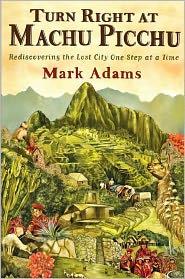
Adams retraces Hiram Bingham’s expedition while learning about Inca history. Funny and informative.
Best for: first-time visitors.
2. The Lost City of the Incas by Hiram Bingham
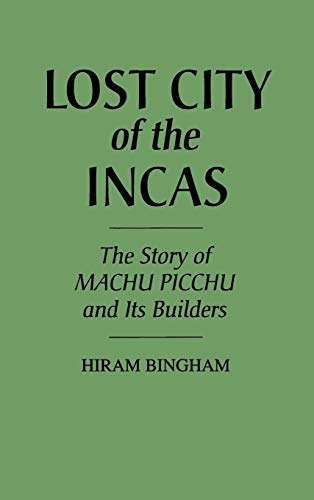
Bingham’s account of his 1911 expedition to Machu Picchu. A classic, though modern scholars question some of his claims.
Best for: readers who like old travel narratives.
3. The Last Days of the Incas by Kim MacQuarrie
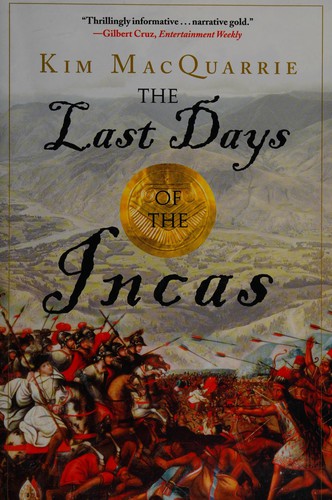
The story of the Spanish conquest of the Inca empire, told dramatically. Content note: violence.
Best for: readers who love narrative history.
4. The Conquest of the Incas by John Hemming
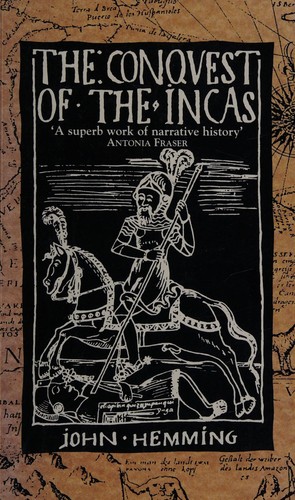
A detailed history of the Spanish conquest. Authoritative and vivid. Content note: violence.
Best for: readers who want a thorough account.
5. Death in the Andes by Mario Vargas Llosa
Two policemen investigate disappearances in a remote Andean village. Dark and layered. Content note: violence.
Best for: readers who like mystery.
6. The Storyteller by Mario Vargas Llosa
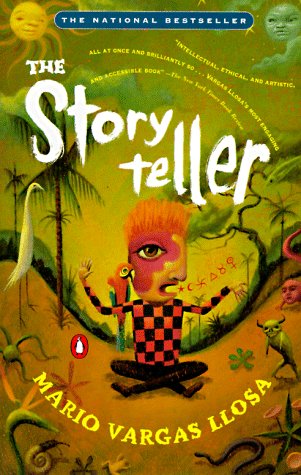
A Peruvian student in Florence becomes obsessed with a storyteller of the Machiguenga people. Thoughtful.
Best for: readers interested in Amazonian cultures.
7. Aunt Julia and the Scriptwriter by Mario Vargas Llosa
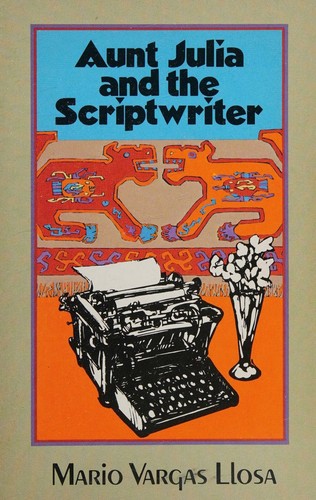
A young man falls for his older aunt while working at a Lima radio station. Funny and romantic.
Best for: readers who want humor.
8. The Time of the Hero by Mario Vargas Llosa
Cadets at a Lima military school live in a world of violence and hierarchy. Searing. Content note: violence and bullying.
Best for: readers who like gritty fiction.
9. Deep Rivers by José María Arguedas
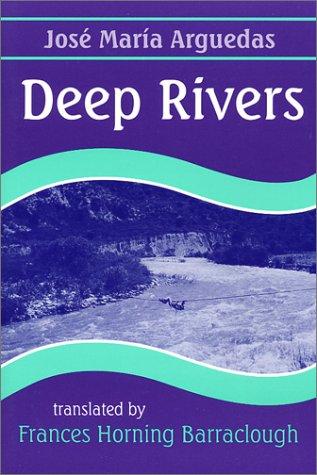
A boy raised among Quechua speakers attends boarding school in the highlands. Lyrical and poignant.
Best for: readers who want an Andean voice.
10. Yawar Fiesta by José María Arguedas

A highland village prepares for a bullfight in the Andean tradition. Rich in custom.
Best for: readers interested in Andean culture.
11. The Notebooks of Don Rigoberto by Mario Vargas Llosa
A Lima insurance executive indulges fantasies while his family disrupts his life. Content note: explicit content.
Best for: readers who like erotic satire.
12. Touching the Void by Joe Simpson
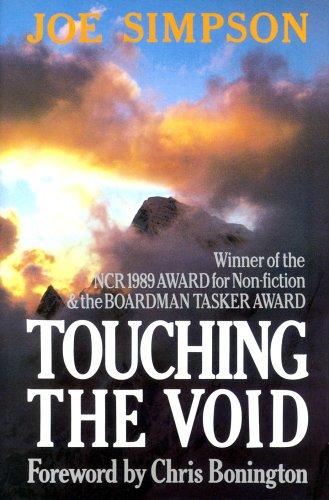
Two climbers’ disastrous climb in the Peruvian Andes. Gripping and harrowing.
Best for: readers who like survival stories.
13. A Bear Called Paddington by Michael Bond
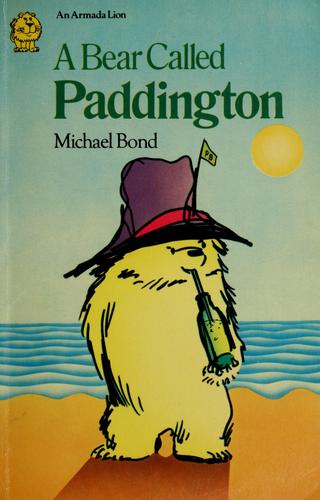
A bear from darkest Peru arrives in London. Short and charming.
Best for: families and nostalgic readers.
14. The Incas by Terence N. D’Altroy
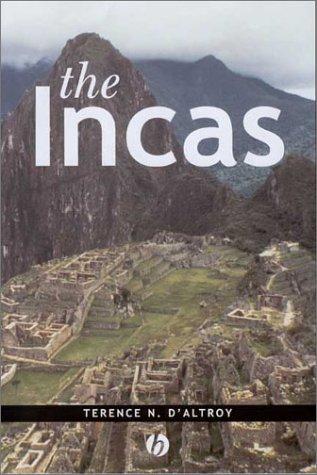
A scholarly but readable account of the Inca state, its roads, religion, economy and administration.
Best for: readers who want an authoritative overview.
15. The Peru Reader by Orin Starn, Carlos Iván Degregori and Robin Kirk
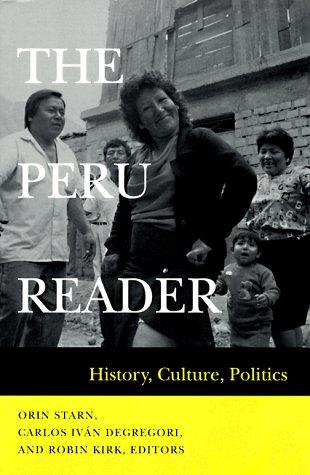
A collection of essays, stories and documents covering Peruvian history and culture.
Best for: readers who want a broad view.
How to Choose the Right Book on Peru
Choose by interest. For Inca history, The Last Days of the Incas, The Conquest of the Incas and The Lost City of the Incas tell the story. For modern travel with humor, Turn Right at Machu Picchu is a lively account. For fiction, Vargas Llosa’s Death in the Andes, The Storyteller and The Time of the Hero explore modern Peru, while Arguedas’s Deep Rivers and Yawar Fiesta speak from the Andean perspective. For adventure, Touching the Void is a thriller in the Andes. For a lighter take, A Bear Called Paddington comes from ‘darkest Peru.’ Mix history and fiction.
Which Book Should You Start With? A Quick Guide
If you are not sure where to begin, match your situation to the list below.
- First-time visitors: Turn Right at Machu Picchu
- Readers who like old travel narratives: The Lost City of the Incas
- Readers who love narrative history: The Last Days of the Incas
- Readers who want a thorough account: The Conquest of the Incas
- Readers who like mystery: Death in the Andes
- Readers interested in Amazonian cultures: The Storyteller
- Readers who want humor: Aunt Julia and the Scriptwriter
- Readers who like gritty fiction: The Time of the Hero
- Readers who want an Andean voice: Deep Rivers
- Readers interested in Andean culture: Yawar Fiesta
- Readers who like erotic satire: The Notebooks of Don Rigoberto
- Readers who like survival stories: Touching the Void
- Families and nostalgic readers: A Bear Called Paddington
- Readers who want an authoritative overview: The Incas
- Readers who want a broad view: The Peru Reader
A Simple Reading Plan
Treat the reading as a warm-up. Read Turn Right at Machu Picchu first for orientation, then The Lost City of the Incas for a human voice, and use The Last Days of the Incas or another title when you want depth. Alternate between fiction and nonfiction so your imagination and your knowledge grow together. Mark places you want to see, and map them. Reading on the plane is a pleasure, but reading in the weeks before gives you time to plan. If a book is too heavy, listen to it as an audiobook while packing, walking or cooking.
Print, E-Book or Audiobook?
Format matters more than people expect. If you tend to forget what you read, choose print or an e-book so you can underline and review. If your time is limited, audiobooks fit into the gaps of your day. For a topic like Peru, short chapters are an advantage, since you can finish one in a single sitting and think about it afterward. Libraries lend e-books and audiobooks free, and many offer print copies of new releases through holds. Try one format for a week and switch if it is not working.
How to Get More From What You Read
To get the most from your reading, connect it to the real world. Highlight passages that describe places you will see, and look up photos and maps. Cook a dish from Peru to taste what you read about, and listen to music from the region. Talk about what you are reading with someone who has visited or lives there, because their stories add texture. Keep a small notebook for questions to ask locals. Reading is the first step; curiosity on the ground is the second, and the two feed each other.
Reading on a Budget
Good books on Peru are easier to afford than most people think. Library cards open up print, e-book and audiobook borrowing, and interlibrary loan can find titles your branch does not own. Used copies cost a fraction of new ones, and many of the classics are inexpensive in paperback. Try a sample chapter online to see whether an author’s voice suits you before you commit. If you finish a book you love, consider passing it to a friend, which keeps the ideas moving and your shelf uncluttered.
Talk About What You Read
Ideas stick when you talk about them. Choose one book from this list and invite a friend, partner or colleague to read it with you, then meet for coffee to compare notes on Peru. Online communities and library groups also host discussions, and many of these books have free reading guides. If you prefer privacy, a journal works well: write a paragraph after each chapter on what you agree with, what you doubt and what you will try. Teaching an idea to someone else is one of the best ways to learn it, so explain what you read in your own words.
Common Mistakes to Avoid
Watch for these traps. First, assuming one author speaks for a whole country; Peru is far more varied than any book. Second, reading only historical books and missing present-day life. Third, relying on exotic or nostalgic portraits that locals may not recognize. Fourth, forgetting that some famous books are by visitors, with a visitor’s blind spots. Finally, skipping practical sources: official travel advisories, embassy sites and recent guidebooks matter for safety and logistics. Use these books to deepen your trip, not to replace planning.
How to Judge a Book on Peru
When choosing among books on Peru, ask who wrote it and why. Authors from the country often capture details outsiders miss, while visitors may explain things locals take for granted. Check the date, and look for reviews from readers who know the place. Be cautious with books that lean on stereotypes or promise to reveal the true spirit of a country in a single volume. Translations can vary in quality, so read a sample. Combining a classic with something recent helps you see both the history and the present.
Reading Is Not Planning
Reading prepares your mind, but practical planning prepares your trip. Use official sources for visas, vaccines, safety, currency and local rules, and look at recent traveler reports for current conditions. Books may describe places that have changed or closed. Be respectful of local customs, learn basic greetings and keep your plans flexible. If you are unsure about something, ask your hotel, a local guide or the embassy. With a little preparation, the stories you read will sit alongside real experiences.
Questions to Reflect On
Keep these in a notebook as you read:
- Which places in these books do I most want to see?
- Whose voice am I hearing: a local, a visitor or a historian?
- What do these books leave out?
- How might the place look different today?
- What would I like to ask a local when I arrive?
Tips for Reading About Peru
- Acclimatize. Take it easy at altitude.
- Read the history. It makes ruins vivid.
- Learn greetings. Quechua phrases are welcomed.
- Pack layers. Weather changes fast.
- Respect sites. Follow rules.
Related: 15 Best Books to Read Before Visiting Mexico and 15 Best Books to Read Before Visiting Morocco.
Frequently Asked Questions
What are the best books to read before visiting Peru?
Turn Right at Machu Picchu, The Last Days of the Incas, Death in the Andes and Touching the Void are popular.
Which book is best for Machu Picchu?
Turn Right at Machu Picchu and Hiram Bingham’s The Lost City of the Incas.
Any Peruvian authors to read?
Mario Vargas Llosa and José María Arguedas.
How many books on Peru should I read at once?
One or two at a time is plenty. Finish a book, try one idea from it and then move on, so what you read turns into something you do.
Are these books on Peru available as audiobooks?
Most of them are. Check your library’s app, such as Libby, or an audiobook service, and listen to a sample to see whether the narrator suits you.