
Disclosure: As an Amazon Associate, Bookish Wisdom earns from qualifying purchases. This doesn’t change our picks or your price.
Quick answer: The best books to read in retirement include Lonesome Dove, The Count of Monte Cristo, The Pillars of the Earth, War and Peace, The Thursday Murder Club and A Gentleman in Moscow. Start with long novels like Lonesome Dove or The Count of Monte Cristo if you finally have time, and pair them with How to Retire Happy, Wild, and Free.
Retirement is the gift of time, and for many people, reading is one of the best ways to use it. You can finally tackle the long classics, revisit childhood favorites, explore history or travel through books to places you plan to visit. This list gathers fifteen books for retirees, mixing big novels that reward leisurely reading, history and biography, travel memoirs and books about retirement itself. Some are warm and funny, others serious and absorbing. Retirement can also bring questions about purpose and identity, and several books here address them. Read for pleasure, join a library club or form a small book group to enjoy conversation as well as the pages.
Table of Contents
Quick Picks at a Glance
| Book | Author | Type | Best For |
|---|---|---|---|
| Lonesome Dove | Larry McMurtry | Epic western | readers who want a long adventure |
| The Count of Monte Cristo | Alexandre Dumas | Classic | readers who love revenge tales |
| The Pillars of the Earth | Ken Follett | Historical fiction | readers who love sagas |
| War and Peace | Leo Tolstoy | Classic | readers ready for a challenge |
| The Thursday Murder Club | Richard Osman | Mystery | readers who want fun |
| A Gentleman in Moscow | Amor Towles | Novel | readers who love elegance |
| Under the Tuscan Sun | Frances Mayes | Travel memoir | dreamers |
| A Walk in the Woods | Bill Bryson | Travel humor | readers who like laughs |
| The Splendid and the Vile | Erik Larson | History | readers who like narrative history |
| Team of Rivals | Doris Kearns Goodwin | Biography | history lovers |
| Cutting for Stone | Abraham Verghese | Historical fiction | readers who love sweeping stories |
| The Guernsey Literary and Potato Peel Pie Society | Mary Ann Shaffer and Annie Barrows | Epistolary fiction | book lovers |
| Ikigai | Héctor García and Francesc Miralles | Purpose | readers who like short books |
| Being Mortal | Atul Gawande | Medicine | readers planning ahead |
| How to Retire Happy, Wild, and Free | Ernie J. Zelinski | Retirement | readers planning the next chapter |
1. Lonesome Dove by Larry McMurtry
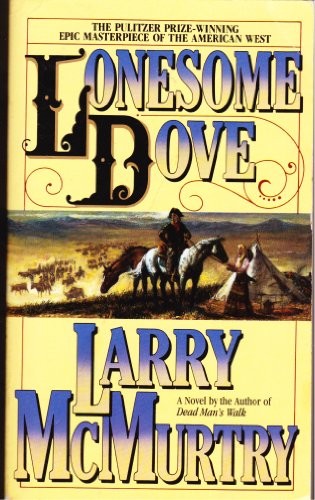
Two retired Texas Rangers drive cattle to Montana in this Pulitzer Prize winner. Funny, tragic and unforgettable. Content note: violence.
Best for: readers who want a long adventure.
2. The Count of Monte Cristo by Alexandre Dumas
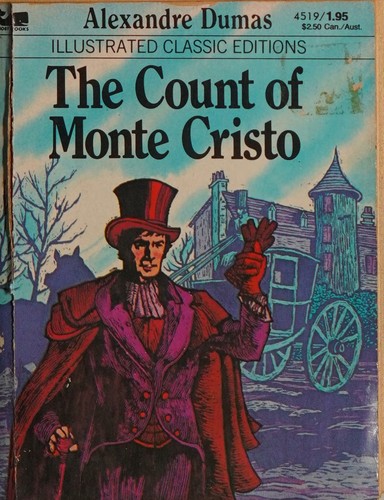
A wrongly imprisoned man escapes and plots elaborate revenge. Choose a good translation or abridgment.
Best for: readers who love revenge tales.
3. The Pillars of the Earth by Ken Follett
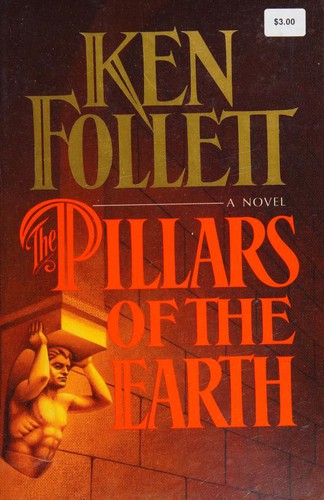
A medieval cathedral built over decades involves rivalries and romance. Page-turning. Content note: violence and sexual assault.
Best for: readers who love sagas.
4. War and Peace by Leo Tolstoy
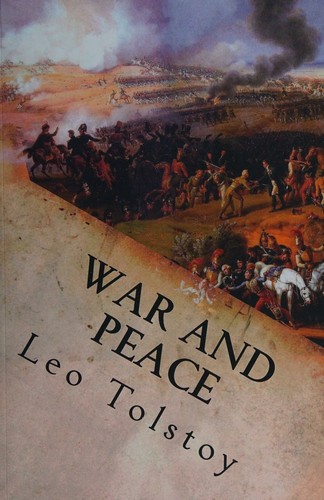
Tolstoy’s epic of Napoleonic Russia. Long but rewarding, especially with a good translation and character list.
Best for: readers ready for a challenge.
5. The Thursday Murder Club by Richard Osman
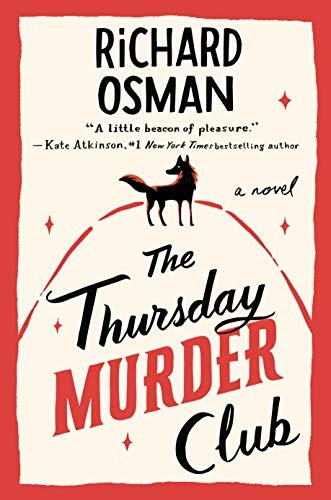
Four retirees solve cold cases.
Best for: readers who want fun.
6. A Gentleman in Moscow by Amor Towles
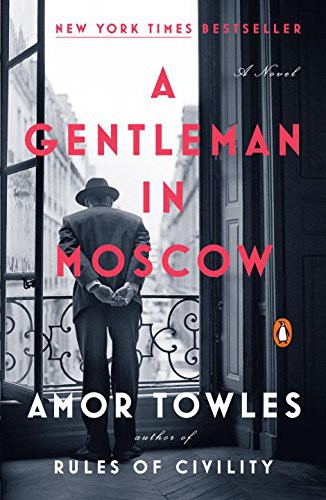
A count spends decades in a hotel. Charming.
Best for: readers who love elegance.
7. Under the Tuscan Sun by Frances Mayes
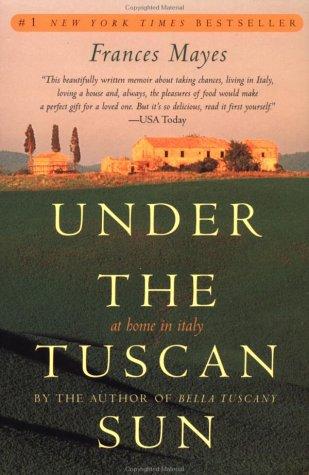
Mayes buys and restores a villa in Tuscany.
Best for: dreamers.
8. A Walk in the Woods by Bill Bryson
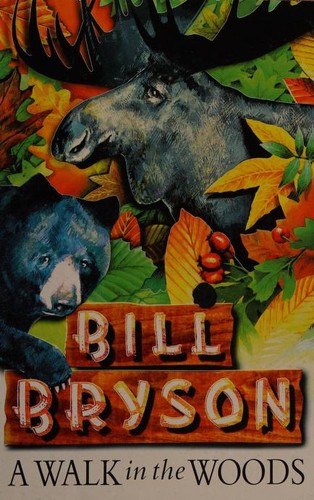
Bryson tries to hike the Appalachian Trail. Content note: some strong language.
Best for: readers who like laughs.
9. The Splendid and the Vile by Erik Larson
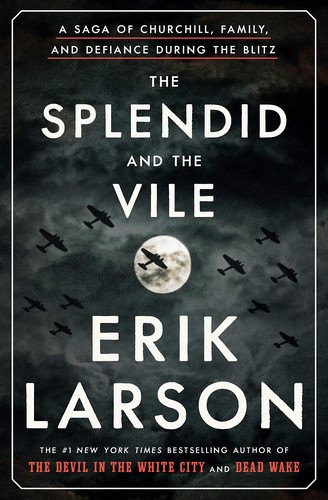
Churchill and Londoners during the Blitz. Vivid and detailed.
Best for: readers who like narrative history.
10. Team of Rivals by Doris Kearns Goodwin
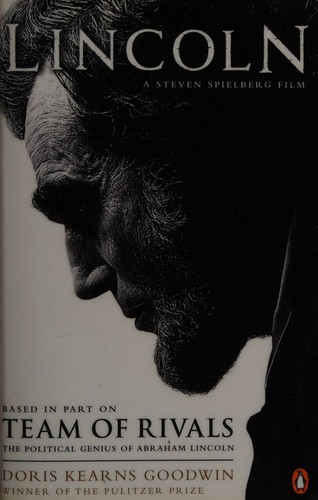
Lincoln and his cabinet of rivals.
Best for: history lovers.
11. Cutting for Stone by Abraham Verghese
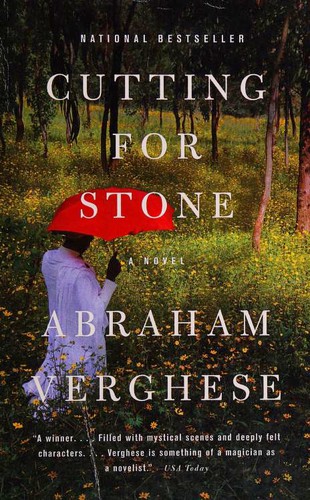
Twin brothers grow up in Ethiopia. Content note: graphic medical scenes.
Best for: readers who love sweeping stories.
12. The Guernsey Literary and Potato Peel Pie Society by Mary Ann Shaffer and Annie Barrows
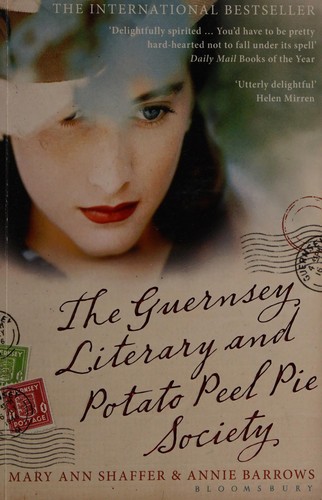
Letters after World War II. Warm and witty.
Best for: book lovers.
13. Ikigai by Héctor García and Francesc Miralles
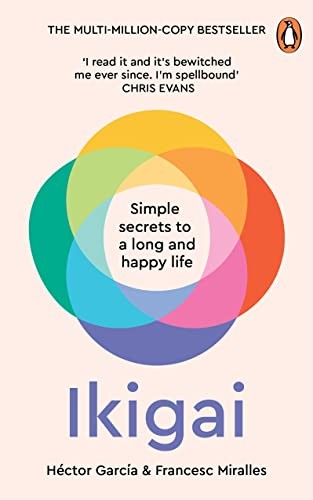
Explores purpose and long life.
Best for: readers who like short books.
14. Being Mortal by Atul Gawande
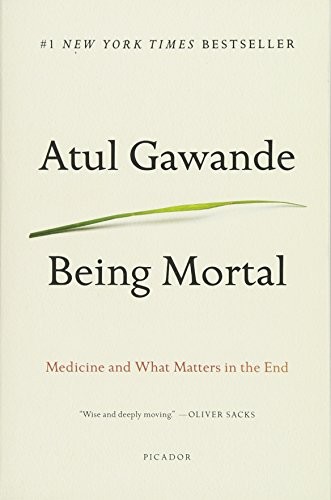
Explores aging and care.
Best for: readers planning ahead.
15. How to Retire Happy, Wild, and Free by Ernie J. Zelinski
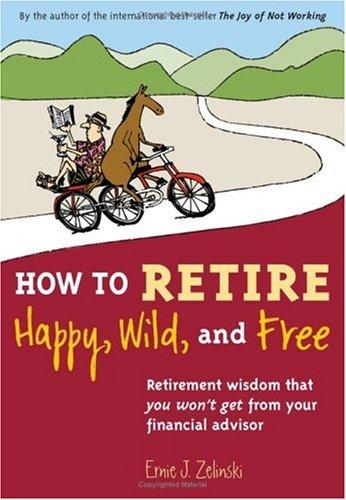
A guide to the non-financial side of retirement.
Best for: readers planning the next chapter.
How to Choose the Right Book on Retirement
Think about how you want to feel. For adventure and immersion, Lonesome Dove, The Pillars of the Earth and The Count of Monte Cristo are long and gripping. For gentle humor, The Thursday Murder Club and A Gentleman in Moscow are charming. For travel dreams, Under the Tuscan Sun and A Walk in the Woods are inspiring. For history, The Splendid and the Vile and Team of Rivals are absorbing. For reflection, Ikigai, Being Mortal and How to Retire Happy, Wild, and Free help you plan this stage. Take your time.
Which Book Should You Start With? A Quick Guide
If you are not sure where to begin, match your situation to the list below.
- Readers who want a long adventure: Lonesome Dove
- Readers who love revenge tales: The Count of Monte Cristo
- Readers who love sagas: The Pillars of the Earth
- Readers ready for a challenge: War and Peace
- Readers who want fun: The Thursday Murder Club
- Readers who love elegance: A Gentleman in Moscow
- Dreamers: Under the Tuscan Sun
- Readers who like laughs: A Walk in the Woods
- Readers who like narrative history: The Splendid and the Vile
- History lovers: Team of Rivals
- Readers who love sweeping stories: Cutting for Stone
- Book lovers: The Guernsey Literary and Potato Peel Pie Society
- Readers who like short books: Ikigai
- Readers planning ahead: Being Mortal
- Readers planning the next chapter: How to Retire Happy, Wild, and Free
A Simple Reading Plan
Treat this list as a menu, not an assignment. Start with Lonesome Dove, because it gives you a clear overview of retirement without demanding much from you. Read in short sessions and underline or note the passages that make you stop. After a week or two, move to The Count of Monte Cristo for a different angle, then The Pillars of the Earth when you want more depth. Spacing the books out gives the ideas time to settle, and applying one small idea per week is worth more than rushing through the whole shelf. Revisit your notes at the end of each month to see what has actually changed.
Print, E-Book or Audiobook?
Format matters more than people expect. If you tend to forget what you read, choose print or an e-book so you can underline and review. If your time is limited, audiobooks fit into the gaps of your day. For a topic like retirement, short chapters are an advantage, since you can finish one in a single sitting and think about it afterward. Libraries lend e-books and audiobooks free, and many offer print copies of new releases through holds. Try one format for a week and switch if it is not working.
How to Get More From What You Read
Reading about retirement only helps if something changes afterward, so build a small habit around it. Keep a notebook or a notes app, and after each chapter write one sentence about what stood out and one action you could take. Choose a single idea per week to test, such as a new routine, a conversation or a different way of thinking. Discuss what you are reading with a friend, a partner or an online group, since explaining an idea out loud makes it stick. Review your notes monthly and drop anything that did not help. The aim is progress you can notice, not a long reading list.
Reading on a Budget
Good books on retirement are easier to afford than most people think. Library cards open up print, e-book and audiobook borrowing, and interlibrary loan can find titles your branch does not own. Used copies cost a fraction of new ones, and many of the classics are inexpensive in paperback. Try a sample chapter online to see whether an author’s voice suits you before you commit. If you finish a book you love, consider passing it to a friend, which keeps the ideas moving and your shelf uncluttered.
Talk About What You Read
Ideas stick when you talk about them. Choose one book from this list and invite a friend, partner or colleague to read it with you, then meet for coffee to compare notes on retirement. Online communities and library groups also host discussions, and many of these books have free reading guides. If you prefer privacy, a journal works well: write a paragraph after each chapter on what you agree with, what you doubt and what you will try. Teaching an idea to someone else is one of the best ways to learn it, so explain what you read in your own words.
Common Mistakes to Avoid
A few pitfalls are worth avoiding. Do not buy a dozen books on retirement in one go; borrow one, finish it and then decide what to read next. Do not expect a single book to transform your life overnight, since the best ones work through small, repeated actions. Be cautious of any author who promises guaranteed results, and check an author’s credentials and sources. Finally, do not use reading as a way of avoiding action. If you notice yourself finishing book after book without changing anything, pick one idea and practice it this week.
How to Judge a Book on Retirement
Not every book on retirement is equally reliable. Before you trust one, check the author’s background: are they a researcher, clinician, journalist or someone writing from lived experience? Each can be valuable, but they offer different things. Look for notes and references at the back, which show the claims can be checked. Be wary of books that promise a quick fix, rely on a single story or dismiss all other views. Read a few reviews from people with different perspectives, and treat bold claims as hypotheses to test in your own life. A good book invites questions instead of demanding agreement.
When Reading Is Not Enough
Reading can illuminate and encourage, yet some situations need more than a book. If you notice that your struggles with retirement are getting worse, lasting a long time or affecting your health, reach out to a professional you trust. Local libraries, community centers and workplaces often offer free resources, classes or referrals. Sharing what you are reading with a friend can open the door to a supportive conversation. Use these books as companions on the journey, and let real people walk it with you.
Questions to Reflect On
Keep these in a notebook and return to them after each book:
- What do I most want to understand or change about {t}?
- Which idea from my reading feels true for me, and which do I doubt?
- What is one small action I can take this week?
- Who could I talk to about what I am learning?
- How will I know in a month that this reading helped?
Tips for Reading About Retirement
- Join a library group. Libraries offer clubs.
- Try audiobooks. They help with eyes and travel.
- Set a challenge. Aim for a few classics.
- Share books. Swap with friends.
- Take notes. Keep a reading journal.
Related: 15 Best Books to Read in Your 50s and the 7 Habits of Highly Effective People Summary and Key Takeaways.
Frequently Asked Questions
What are the best books to read in retirement?
Lonesome Dove, A Gentleman in Moscow, The Thursday Murder Club and The Count of Monte Cristo are favorites.
Should I read long classics now?
Yes, if you want. Retirement is a good time for big books, and audiobooks can help.
What books help plan retirement?
How to Retire Happy, Wild, and Free and Being Mortal address purpose and later life.
How many books on retirement should I read at once?
One or two at a time is plenty. Finish a book, try one idea from it and then move on, so what you read turns into something you do.
Are these books on retirement available as audiobooks?
Most of them are. Check your library’s app, such as Libby, or an audiobook service, and listen to a sample to see whether the narrator suits you.