
Disclosure: As an Amazon Associate, Bookish Wisdom earns from qualifying purchases. This doesn’t change our picks or your price.
Quick answer: The best children’s books about being different help kids feel proud of what makes them unique and show that fitting in isn’t the same as belonging. Top picks include Elmer, Red: A Crayon’s Story, A Bad Case of Stripes, It’s Okay to Be Different, Tacky the Penguin and Fish in a Tree.
At some point, almost every child feels like the odd one out. Maybe they wear glasses, have an unusual lunch, love things other kids think are weird or learn in a different way. That feeling can lead kids to hide who they are just to fit in. Books offer a better message. Stories about characters who stand out, and are loved for it, help children see their differences as strengths. They also teach kids to welcome others who seem different. Here are 15 books we love, from colorful picture book classics to a middle-grade novel about a girl who learns differently.
Table of Contents
Quick Picks at a Glance
| Book | Author | Ages | Best For |
|---|---|---|---|
| Elmer | David McKee | 3–7 | Standing out |
| Red: A Crayon’s Story | Michael Hall | 4–8 | Being true to yourself |
| The Ugly Duckling | Jerry Pinkney | 4–8 | Classic tale |
| Spaghetti in a Hot Dog Bun | Maria Dismondy | 4–8 | Courage to be yourself |
| Leo the Late Bloomer | Robert Kraus | 3–6 | Growing at your own pace |
| Tacky the Penguin | Helen Lester | 3–7 | Quirky kids |
| Odd Velvet | Mary E. Whitcomb | 4–8 | Unique interests |
| Unique Monique | Maria Rousaki | 4–8 | Personal style |
| It’s Okay to Be Different | Todd Parr | 2–6 | Toddlers |
| We’re All Wonders | R.J. Palacio | 4–8 | Facial differences |
| The Crayon Box That Talked | Shane DeRolf | 3–7 | Working together |
| A Bad Case of Stripes | David Shannon | 4–8 | Peer pressure |
| Big Al | Andrew Clements | 3–7 | Looks aren’t everything |
| Not All Princesses Dress in Pink | Jane Yolen and Heidi E.Y. Stemple | 3–7 | Breaking stereotypes |
| Fish in a Tree | Lynda Mullaly Hunt | 9–12 | Learning differences |
1. Elmer by David McKee
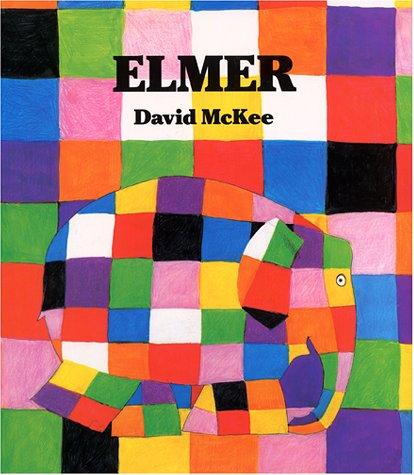
Elmer is a patchwork elephant in a herd of gray ones. Tired of being different, he covers himself in gray berry juice, but his friends miss the real Elmer. This beloved classic shows kids that being yourself brings joy to everyone.
2. Red: A Crayon’s Story by Michael Hall
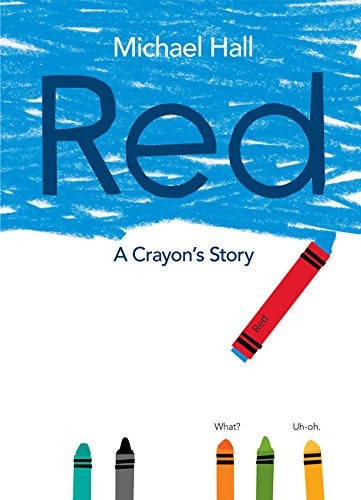
Red has a red label, but everything he draws comes out blue. Everyone tries to fix him, until a new friend helps him realize he’s actually a blue crayon. This clever book opens conversations about being true to who you are inside.
3. The Ugly Duckling by Jerry Pinkney
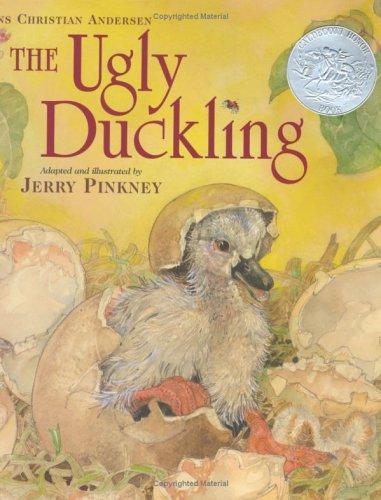
Jerry Pinkney’s stunning watercolors bring Hans Christian Andersen’s tale to life. The duckling who never fit in grows into a beautiful swan. This Caldecott Honor version is the perfect way to share the classic story with a new generation.
4. Spaghetti in a Hot Dog Bun by Maria Dismondy
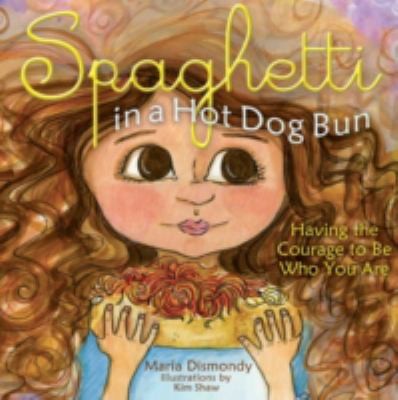
Lucy loves her unusual lunches and her own way of doing things, but classmate Ralph teases her. When Ralph needs help, Lucy has to decide whether to be kind. It teaches kids to have the courage to be themselves.
5. Leo the Late Bloomer by Robert Kraus
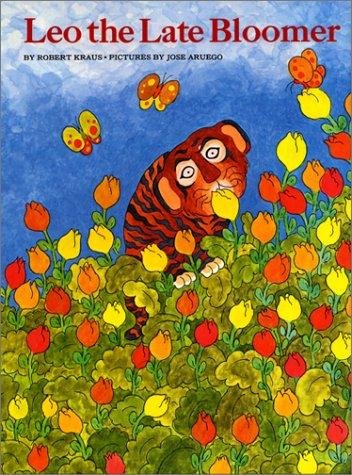
Leo the tiger can’t read, write or draw like the other animals, and his father worries. His mother says Leo will bloom in his own good time, and he does. This reassuring classic is wonderful for kids who develop at a different pace.
6. Tacky the Penguin by Helen Lester
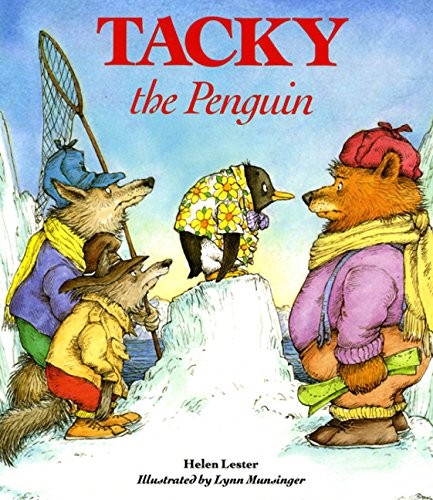
Tacky is loud, wears a Hawaiian shirt and doesn’t march in line like his perfect penguin companions. But when hunters arrive, Tacky’s oddness saves the day. Kids love his goofy personality and cheer for him every time.
7. Odd Velvet by Mary E. Whitcomb
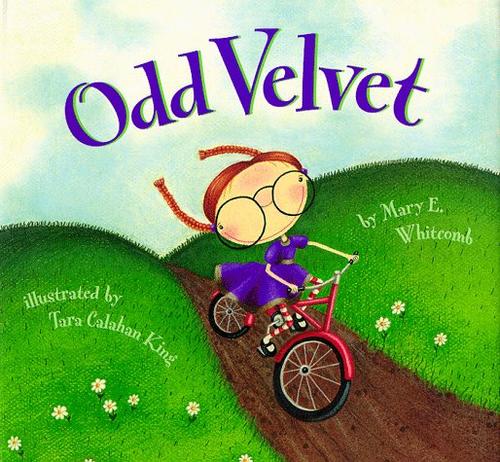
Velvet brings a milkweed pod for show-and-tell and wears hand-me-down clothes, so her classmates think she’s odd. Over time, they discover she has amazing ideas and a big imagination. It’s a gentle story about valuing unique interests.
8. Unique Monique by Maria Rousaki
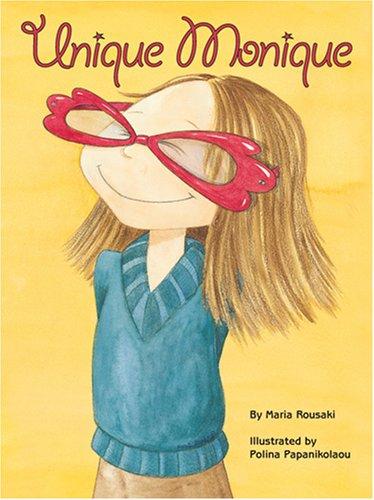
Monique’s school has a strict uniform, so she expresses herself with wild hats, jewelry and hairstyles. Soon everyone copies her, and Monique has to find new ways to stand out. It’s a fun look at personal style and individuality.
9. It’s Okay to Be Different by Todd Parr
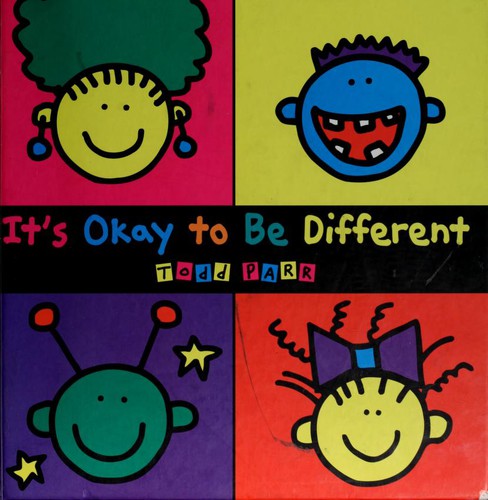
With bright colors and silly examples, Todd Parr celebrates every kind of difference: needing help, having a different nose, being adopted or eating macaroni in the bathtub. It’s a simple, joyful first book on acceptance for toddlers.
10. We’re All Wonders by R.J. Palacio
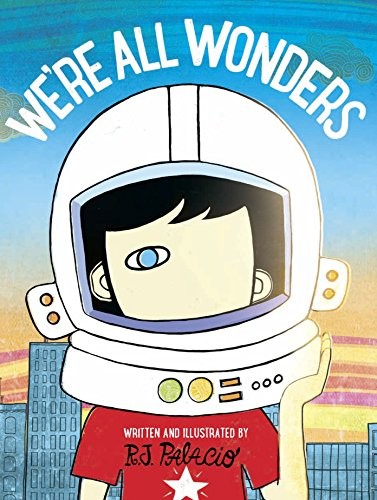
The picture book version of Wonder introduces Auggie, a boy with a facial difference who knows he’s ordinary inside but doesn’t look ordinary. He and his dog Daisy imagine a world where people see with kindness. It’s ideal for ages 4 to 8.
11. The Crayon Box That Talked by Shane DeRolf
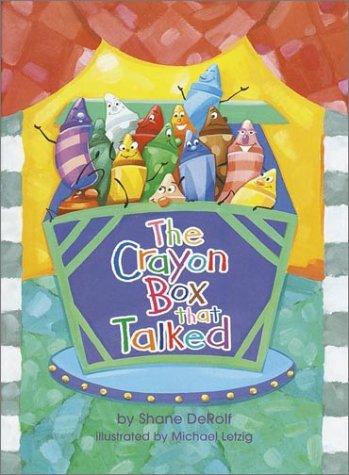
The crayons in a box don’t like each other at all, until a girl uses all of them to draw one beautiful picture. Short rhyming text shows that different colors are better together, making this a favorite for classrooms.
12. A Bad Case of Stripes by David Shannon
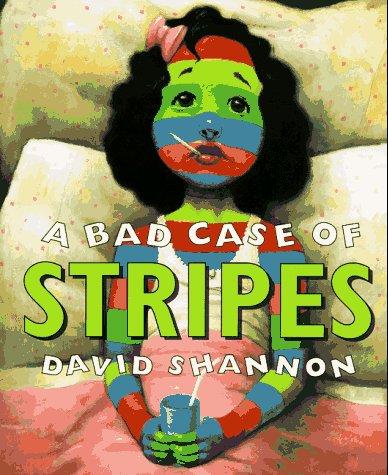
Camilla loves lima beans but won’t eat them because she wants to fit in. Then she breaks out in stripes that change with every suggestion. Only being true to herself can cure her. The wild illustrations make this unforgettable.
13. Big Al by Andrew Clements
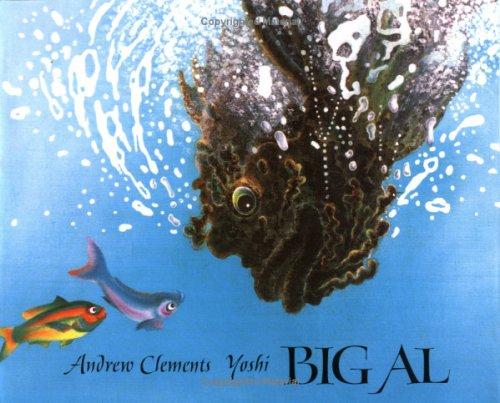
Big Al is a large, scary-looking fish who desperately wants friends, but the other fish swim away. When a net traps them, Al’s size saves the day. From the author of Frindle, it shows that looks can be deceiving.
14. Not All Princesses Dress in Pink by Jane Yolen and Heidi E.Y. Stemple
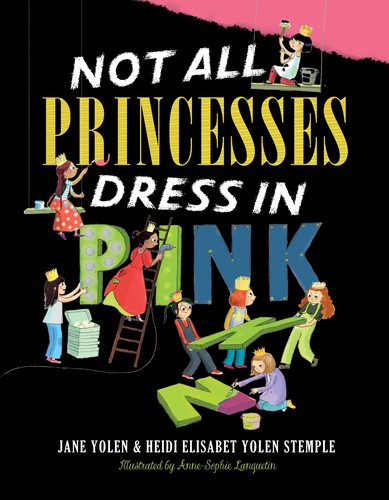
Princesses in this book play sports, build things, get muddy and still wear their sparkly crowns. The bouncy rhyme celebrates girls who don’t fit the stereotype. It’s empowering for any kid who likes things others say they shouldn’t.
15. Fish in a Tree by Lynda Mullaly Hunt
Ally has fooled teachers for years by acting out to hide that she can’t read. A new teacher discovers she has dyslexia and helps her see that she’s smart in many ways. This moving novel is a must for kids who learn differently.
Tips for Helping Kids Embrace Their Differences
- Name their strengths. Point out how their unique traits help them and others.
- Share your own story. Tell them about a time you felt different and how you handled it.
- Find their people. Clubs and activities connect kids with others who share their interests.
- Talk about stereotypes. Ask who decided boys or girls should like certain things.
- Model acceptance. Speak kindly about people who look, act or think differently.
- Watch for teasing. If being different leads to bullying, step in and involve the school.
Related: A Bad Case of Stripes by David Shannon: Summary and Key Takeaways · Fish in a Tree by Lynda Mullaly Hunt: Summary and Key Takeaways
Frequently Asked Questions
What is a good book about being different for kids?
Elmer by David McKee and It’s Okay to Be Different by Todd Parr are classic picks for young children. Red: A Crayon’s Story is great for ages 4 to 8.
How do I help my child who feels different from other kids?
Validate their feelings, highlight their strengths, connect them with kids who share their interests and read stories where different characters are loved for who they are.
What chapter book is about being different?
Fish in a Tree by Lynda Mullaly Hunt and Wonder by R.J. Palacio are both moving novels about kids who feel different and find acceptance.