

Disclosure: As an Amazon Associate, Bookish Wisdom earns from qualifying purchases. This doesn’t change our picks or your price.
Quick answer: The best children’s books about mistakes and growth mindset teach kids that the brain grows with effort, mistakes are part of learning and not yet is different from never. Top picks include The Girl Who Never Made Mistakes, Beautiful Oops!, Your Fantastic Elastic Brain, The Most Magnificent Thing, Ish and After the Fall.
Some kids crumple a drawing the moment a line goes wrong. Others refuse to try a new sport or say I’m just bad at math. Fear of mistakes can hold children back from learning, trying and enjoying new things. Psychologist Carol Dweck’s research on growth mindset shows that kids who believe abilities can grow with effort are more resilient and more willing to take on challenges. Books are a perfect way to plant that belief. When kids watch characters fail, feel frustrated and try again, they learn that struggle is normal and even good. Here are 15 books we trust, from silly picture books to a fascinating collection of history’s happiest accidents.
Table of Contents
Quick Picks at a Glance
| Book | Author | Ages | Best For |
|---|---|---|---|
| The Girl Who Never Made Mistakes | Mark Pett and Gary Rubinstein | 4–8 | Perfectionists |
| Beautiful Oops! | Barney Saltzberg | 2–6 | Turning mistakes into art |
| Your Fantastic Elastic Brain | JoAnn Deak | 5–10 | Brain science |
| The Most Magnificent Thing | Ashley Spires | 4–8 | Frustration |
| Ish | Peter H. Reynolds | 4–8 | Letting go of perfect |
| Rosie Revere, Engineer | Andrea Beaty | 4–8 | Failing forward |
| After the Fall | Dan Santat | 4–8 | Getting back up |
| The Magical Yet | Angela DiTerlizzi | 4–8 | The power of yet |
| Bubble Gum Brain | Julia Cook | 4–8 | Fixed vs. growth mindset |
| The Book of Mistakes | Corinna Luyken | 4–8 | Creative mistakes |
| Flight School | Lita Judge | 3–7 | Persistence |
| What Do You Do With a Problem? | Kobi Yamada | 5–9 | Facing challenges |
| Salt in His Shoes | Deloris and Roslyn Jordan | 4–8 | Hard work |
| The Koala Who Could | Rachel Bright | 3–7 | Fear of change |
| Mistakes That Worked | Charlotte Foltz Jones | 8–12 | Real inventions |
1. The Girl Who Never Made Mistakes by Mark Pett and Gary Rubinstein
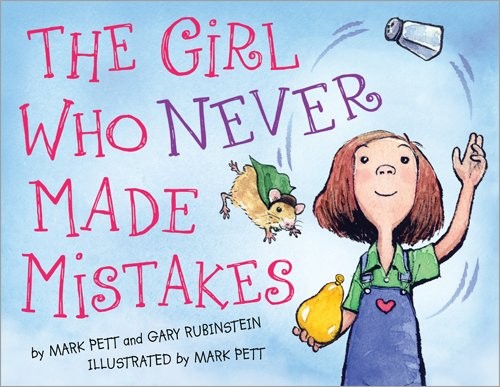
Beatrice Bottomwell has never made a mistake, and everyone knows it. When she finally slips up in front of a crowd, she laughs, and discovers that life is more fun when you’re not afraid to mess up. It’s perfect for little perfectionists.
2. Beautiful Oops! by Barney Saltzberg
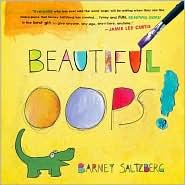
Tears, spills and smudges turn into something new in this interactive book with flaps, folds and pop-ups. A torn page becomes an alligator’s mouth, and a coffee stain becomes a frog. Toddlers and preschoolers learn that a mistake can be the start of something great.
3. Your Fantastic Elastic Brain by JoAnn Deak
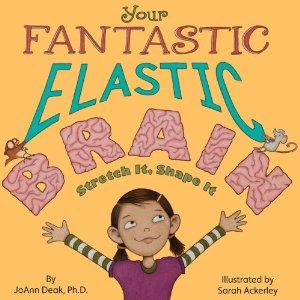
A neuroscientist explains how the brain stretches and grows when kids practice, try new things and even make mistakes. Colorful diagrams make the science easy to understand. It’s the best book for explaining why effort matters.
4. The Most Magnificent Thing by Ashley Spires
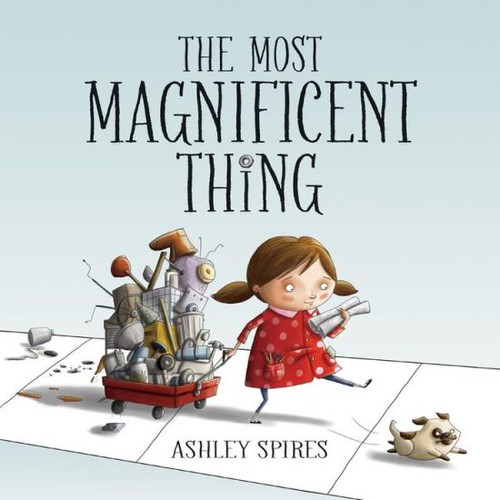
A girl and her dog set out to build the most magnificent thing, but it keeps going wrong. She gets so frustrated she quits, then takes a walk, comes back and tries again. It’s honest about frustration and the value of a break.
5. Ish by Peter H. Reynolds
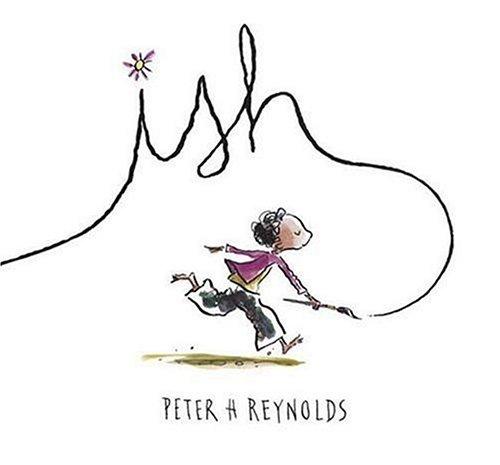
Ramon loves to draw until his brother laughs at his vase. Then his sister shows him she’s been saving his crumpled drawings, which look vase-ish. Ramon discovers that ish is good enough and art doesn’t have to be perfect.
6. Rosie Revere, Engineer by Andrea Beaty
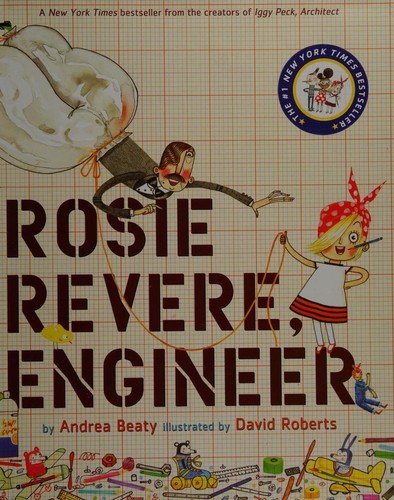
Rosie secretly builds gadgets but hides them after someone laughs. When her great-great-aunt Rose sees her flying machine crash, she cheers, because the only true failure is quitting. This bestselling rhyming book celebrates failing forward.
7. After the Fall by Dan Santat
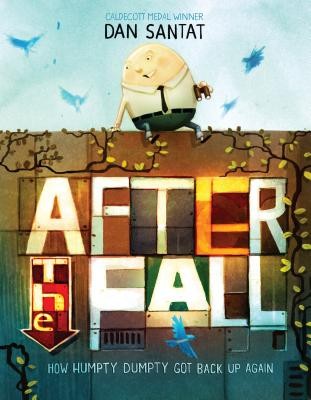
After Humpty Dumpty falls off the wall, he’s too scared to climb again, even to his favorite spot. Slowly, he finds the courage to try. The surprising ending makes this Caldecott winner’s book unforgettable and deeply moving.
8. The Magical Yet by Angela DiTerlizzi
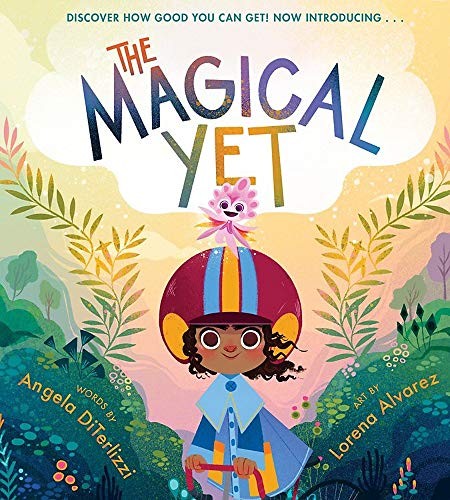
When a girl can’t ride her bike, the magical Yet appears to remind her she just can’t do it yet. Rhyming text follows her as she grows and tries new things. It’s a joyful way to introduce one of the most powerful words in growth mindset.
9. Bubble Gum Brain by Julia Cook
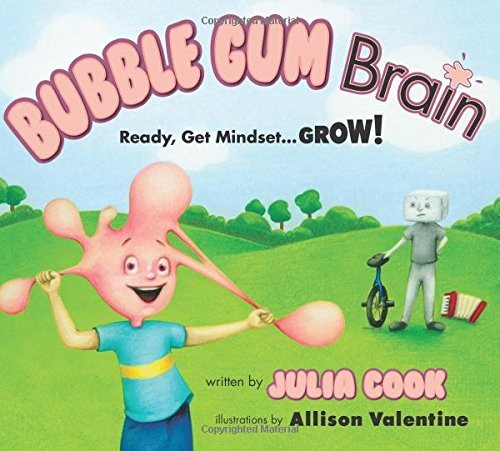
Bubble Gum Brain is stretchy and willing to try new things, while Brick Brain is stuck and afraid of mistakes. Kids easily understand the difference between a growth and fixed mindset through these two funny characters.
10. The Book of Mistakes by Corinna Luyken
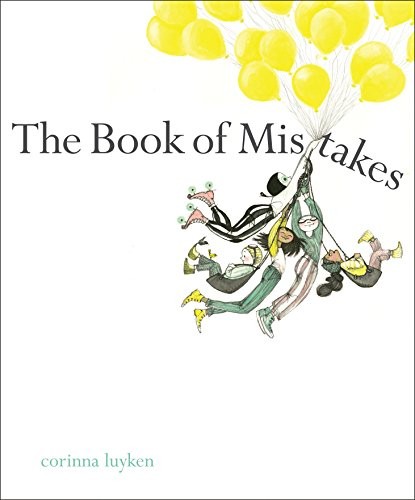
An artist’s drawing starts with a mistake, then another, and each one is turned into something new. By the end, the mistakes have created a beautiful scene. Elegant art makes this a thoughtful read for creative kids.
11. Flight School by Lita Judge
Little Penguin enrolls in flight school with big dreams, but penguins can’t fly. He keeps trying, and with help from his teachers, he finds a creative way to soar. It’s sweet and funny, and it celebrates determination.
12. What Do You Do With a Problem? by Kobi Yamada
A child’s problem follows him like a dark cloud, growing bigger the more he worries. When he finally faces it, he finds an opportunity inside. Beautiful illustrations make this a meaningful book about courage and perspective.
13. Salt in His Shoes by Deloris and Roslyn Jordan
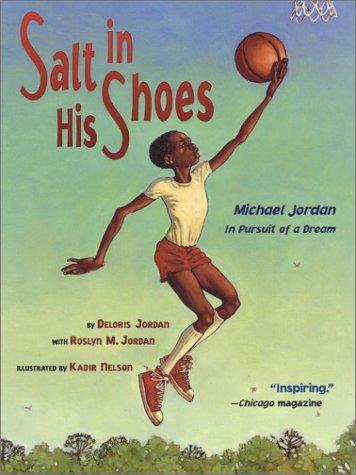
Written by Michael Jordan’s mother and sister, this story tells how young Michael worried he was too short for basketball. His parents taught him that practice, patience and hard work matter most. It inspires sports-loving kids.
14. The Koala Who Could by Rachel Bright
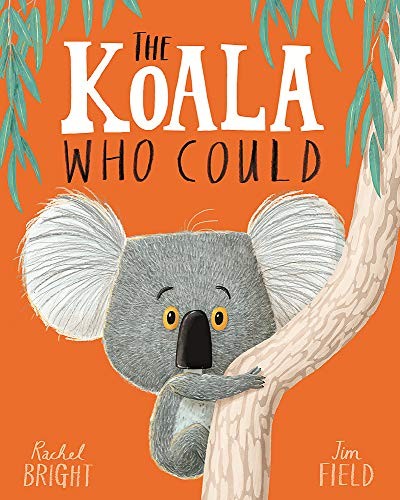
Kevin the koala loves staying safe in his tree and refuses to try anything new. When his tree starts to fall, he has to take a leap, and discovers that change can be wonderful. Bouncy rhyme makes it a fun read-aloud.
15. Mistakes That Worked by Charlotte Foltz Jones
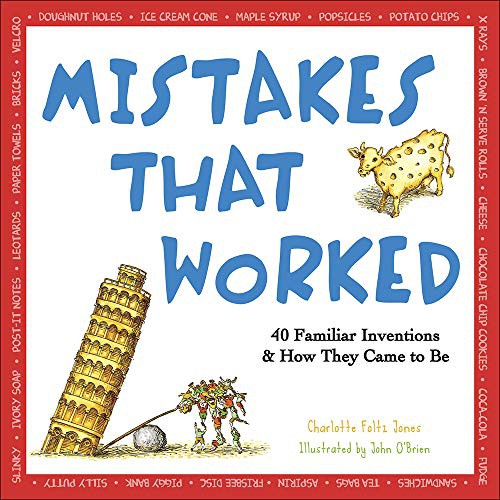
Did you know potato chips, Post-it Notes and chocolate chip cookies were all accidents? This fascinating book tells the stories of 40 famous inventions that started as mistakes. Kids ages 8 to 12 love the surprising facts.
Tips for Building a Growth Mindset
- Add the word yet. Turn I can’t do it into I can’t do it yet.
- Praise the process. Notice strategies, effort and improvement instead of talent.
- Share your own mistakes. Let kids see you fail, feel frustrated and try again.
- Ask what they learned. After a mistake, focus on what to try next time.
- Choose stretch challenges. Puzzles, sports and crafts that are a little hard build resilience.
- Celebrate brave attempts. Trying something new deserves praise, whatever the result.
Related: 15 Best Books on Growth Mindset · 15 Best Children’s Books About Disabilities to Build Empathy and Inclusion
Frequently Asked Questions
What is the best growth mindset book for kids?
Your Fantastic Elastic Brain by JoAnn Deak explains the science, while The Most Magnificent Thing and The Girl Who Never Made Mistakes show growth mindset in action for ages 4 to 8.
How do I help my child who is afraid of making mistakes?
Share your own mistakes, praise effort over results and read books like Beautiful Oops! and Ish that show mistakes leading to something good.
What does growth mindset mean for kids?
It means believing your brain and abilities can grow with practice and effort. Kids with a growth mindset see mistakes as part of learning rather than proof they’re not smart.