
Disclosure: As an Amazon Associate, Bookish Wisdom earns from qualifying purchases. This doesn’t change our picks or your price.
Quick answer: The best children’s books about disabilities show kids with physical, sensory and intellectual disabilities living full lives, and they teach readers to focus on what we share. Top picks include Susan Laughs, My Friend Isabelle, Emmanuel’s Dream, Rescue & Jessica, All the Way to the Top and Out of My Mind.
Kids are naturally curious about differences. They may stare at a wheelchair, ask loudly about a hearing aid or wonder why a classmate talks differently. Those questions aren’t rude; they’re a chance to teach. About one in four adults in the United States has a disability, so every child will grow up alongside people with different abilities. Books help children move from curiosity to understanding. For kids with disabilities, seeing characters like themselves is affirming. For their peers, stories build empathy and show that a disability is just one part of a person. Here are 15 books we trust, from picture books for preschoolers to a powerful middle-grade novel.
Table of Contents
Quick Picks at a Glance
| Book | Author | Ages | Best For |
|---|---|---|---|
| Susan Laughs | Jeanne Willis | 2–6 | Wheelchair users |
| My Friend Isabelle | Eliza Woloson | 3–7 | Down syndrome |
| We’ll Paint the Octopus Red | Stephanie Stuve-Bodeen | 4–8 | New sibling with Down syndrome |
| Don’t Call Me Special | Pat Thomas | 4–8 | First introduction |
| Rolling Along with Goldilocks and the Three Bears | Cindy Meyers | 3–7 | Fairy tale twist |
| Moses Goes to a Concert | Isaac Millman | 4–8 | Deaf culture |
| Hands & Hearts | Donna Jo Napoli | 3–7 | Sign language |
| Mama Zooms | Jane Cowen-Fletcher | 2–5 | Parent with a disability |
| The Black Book of Colors | Menena Cottin | 4–9 | Blindness |
| When Charley Met Emma | Amy Webb | 4–8 | Limb differences |
| Emmanuel’s Dream | Laurie Ann Thompson | 5–9 | True story |
| Rescue & Jessica | Jessica Kensky and Patrick Downes | 4–8 | Service dogs |
| All the Way to the Top | Annette Bay Pimentel | 5–9 | Disability rights |
| Thank You, Mr. Falker | Patricia Polacco | 5–9 | Dyslexia |
| Out of My Mind | Sharon M. Draper | 9–12 | Cerebral palsy |
1. Susan Laughs by Jeanne Willis
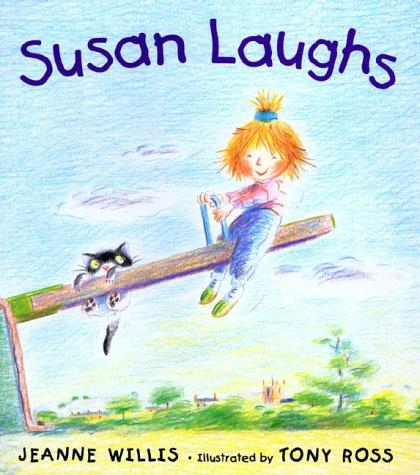
Susan laughs, sings, swims, rides a horse and sometimes gets grumpy, just like every child. Only on the final page do readers see she uses a wheelchair. This simple rhyming book shows toddlers that a disability doesn’t define a person.
2. My Friend Isabelle by Eliza Woloson
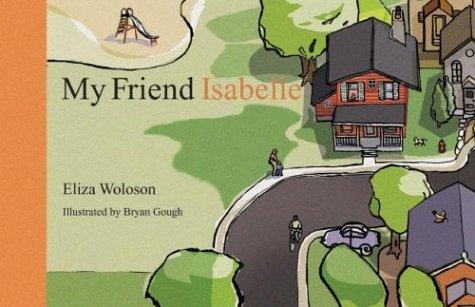
Charlie and Isabelle are best friends. Isabelle has Down syndrome, and they’re different in some ways, but they both love to dance, paint and eat Cheerios. Written by Isabelle’s mother, it’s a warm look at friendship.
3. We’ll Paint the Octopus Red by Stephanie Stuve-Bodeen
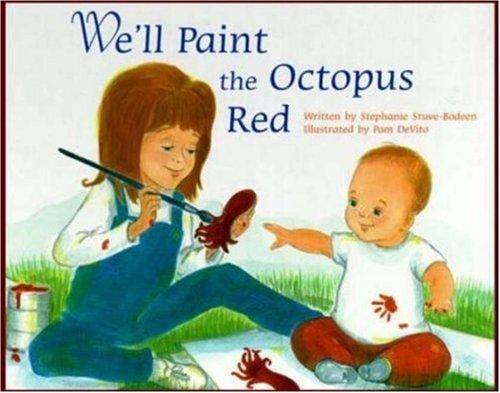
Emma dreams of everything she’ll do with her new baby brother. When Isaac is born with Down syndrome, she worries, but her dad reassures her they can still do it all, just a bit more slowly. It’s tender and hopeful.
4. Don’t Call Me Special by Pat Thomas
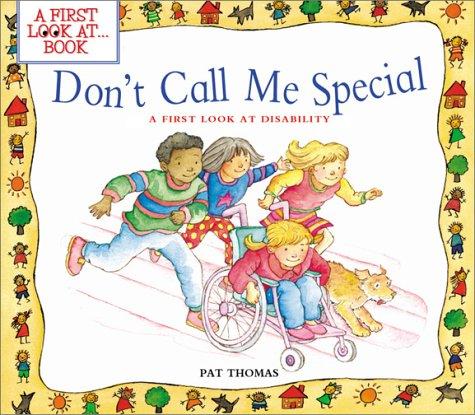
Part of the A First Look At series, this book explains different disabilities in simple language and encourages kids to ask questions respectfully. Discussion prompts make it ideal for classrooms and family conversations.
5. Rolling Along with Goldilocks and the Three Bears by Cindy Meyers
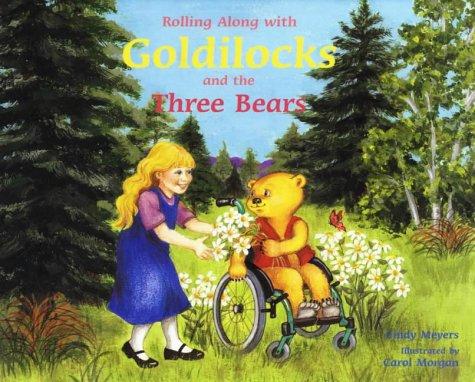
In this fun retelling, Baby Bear uses a wheelchair and goes to physical therapy. When Goldilocks visits, she tries his chair, bowl and bed. Kids enjoy the familiar story while seeing disability as a natural part of life.
6. Moses Goes to a Concert by Isaac Millman
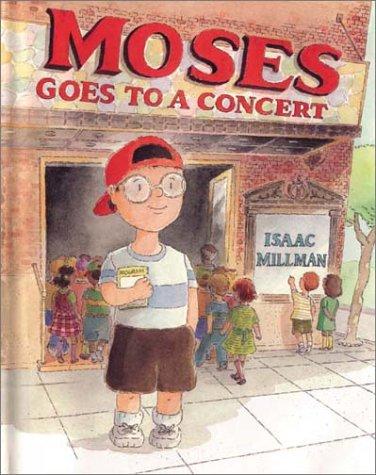
Moses and his classmates, who are all deaf, attend a concert with their teacher. They feel the music through balloons and meet a percussionist who is also deaf. Sign language illustrations let readers learn words along the way.
7. Hands & Hearts by Donna Jo Napoli
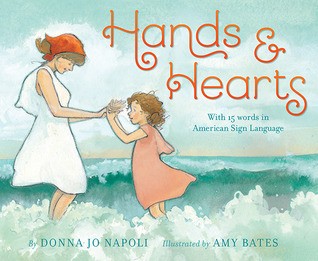
A deaf girl and her mother spend a day at the beach, signing about everything they see and do. Fifteen American Sign Language words are taught along the way, making it a lovely introduction to signing for all kids.
8. Mama Zooms by Jane Cowen-Fletcher
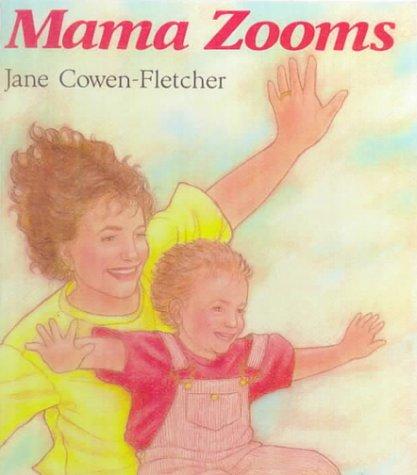
A little boy loves zooming around on his mama’s lap in her wheelchair, which becomes a racehorse, a ship and a train in his imagination. This joyful book shows a parent with a disability in a completely positive, loving way.
9. The Black Book of Colors by Menena Cottin
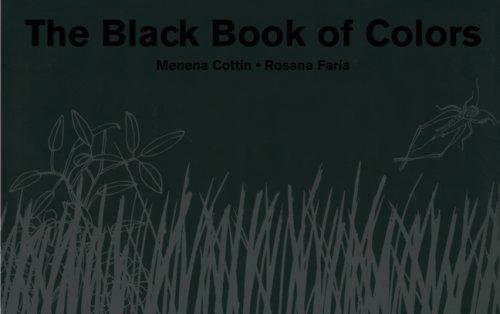
Thomas, who is blind, describes colors through taste, touch and sound: red is sour like strawberries. The pages are entirely black with raised images and Braille, inviting sighted kids to experience the world through touch.
10. When Charley Met Emma by Amy Webb
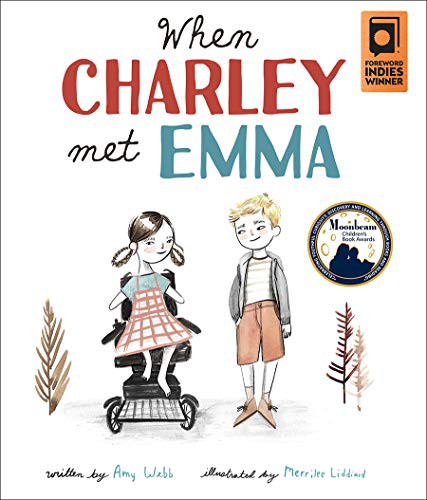
Charley meets Emma at the playground. She has limb differences and uses a wheelchair, and at first he says something hurtful. Emma helps him see that different isn’t bad or sad. Written by Emma’s mom, it models how to handle curiosity kindly.
11. Emmanuel’s Dream by Laurie Ann Thompson
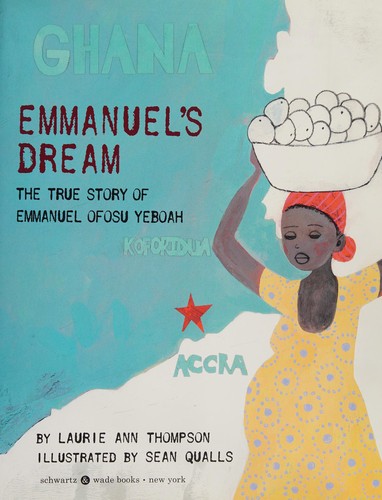
Born in Ghana with one leg, Emmanuel Ofosu Yeboah hopped to school, learned to play soccer and later rode a bicycle 400 miles across his country to show that disability is not inability. This inspiring true story won the Schneider Family Book Award.
12. Rescue & Jessica by Jessica Kensky and Patrick Downes
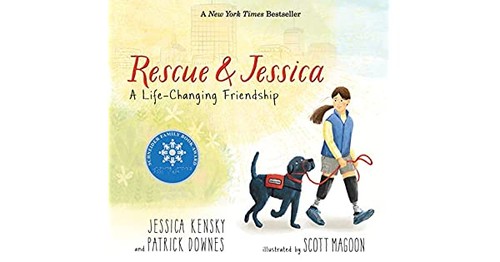
Based on a true story, Rescue the service dog is paired with Jessica, who lost her legs. Together they learn to work as a team. Written by a couple injured in the Boston Marathon bombing, it’s a moving story about partnership and resilience.
13. All the Way to the Top by Annette Bay Pimentel
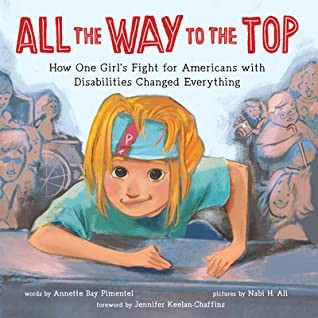
At age eight, Jennifer Keelan left her wheelchair and crawled up the steps of the U.S. Capitol to help pass the Americans with Disabilities Act. This true story shows kids that young people can change the world.
14. Thank You, Mr. Falker by Patricia Polacco
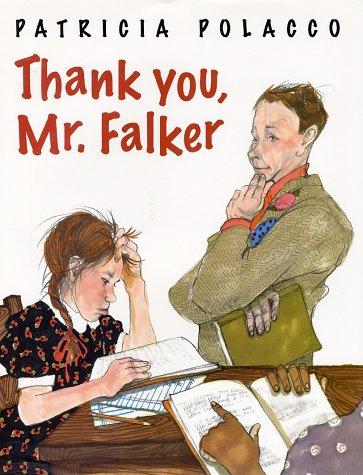
Trisha loves art but struggles to read and is teased by classmates. In fifth grade, a teacher discovers she has dyslexia and helps her learn. Based on the author’s own childhood, it’s a heartfelt tribute to teachers.
15. Out of My Mind by Sharon M. Draper
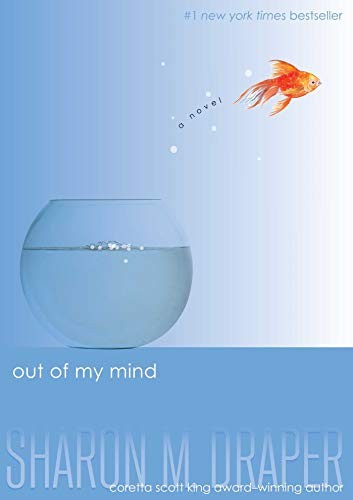
Eleven-year-old Melody has cerebral palsy and can’t walk or talk, but she has a photographic memory and is the smartest kid in her school. When she gets a device that lets her speak, everything changes. This bestselling novel is powerful for ages 9 to 12.
Tips for Talking to Kids About Disabilities
- Answer questions simply. Kids want facts: his legs don’t work the same way, so he uses a wheelchair to get around.
- Don’t shush curiosity. Hushing teaches kids that disability is shameful.
- Focus on similarities. Point out shared interests and feelings.
- Teach respectful language. Ask people what they prefer and follow their lead.
- Model inclusion. Invite all kids to parties and playdates.
- Choose own-voices books. Look for books by authors with disabilities.
Related: children’s books about autism acceptance and children’s books about being different.
Frequently Asked Questions
What is a good book to teach kids about disabilities?
Susan Laughs by Jeanne Willis is a great first book for young kids. Don’t Call Me Special by Pat Thomas explains many disabilities for ages 4 to 8.
How do I explain disabilities to a child?
Use simple, honest words, focus on what the person can do and highlight similarities. Encourage respectful questions and read books featuring characters with disabilities.
What chapter book features a character with a disability?
Out of My Mind by Sharon M. Draper, about a girl with cerebral palsy, is a top pick for ages 9 to 12. Wonder by R.J. Palacio is another favorite.