
Disclosure: As an Amazon Associate, Bookish Wisdom earns from qualifying purchases. This doesn’t change our picks or your price.
Quick answer: The best children’s books about foster care explain why kids sometimes can’t live with their birth families, validate big feelings and show that children in care deserve safety and love. Top picks include Maybe Days, Kids Need to Be Safe, Murphy’s Three Homes, Finding the Right Spot, The Star and One for the Murphys.
More than 350,000 children are in foster care in the United States on any given day. Many arrive in a new home with a trash bag of belongings, unsure why they had to leave and when they’ll go back. They may feel scared, angry, guilty or homesick all at once, and they often don’t have words for it. For foster parents, caseworkers and teachers, books are a gentle bridge. A good story tells a child that their feelings are normal, that it isn’t their fault and that it’s okay not to know what comes next. Here are 15 books we trust, from picture books written by foster care experts to middle-grade novels about finding belonging.
Table of Contents
Quick Picks at a Glance
| Book | Author | Ages | Best For |
|---|---|---|---|
| Maybe Days | Jennifer Wilgocki and Marcia Kahn Wright | 4–10 | Uncertain futures |
| Kids Need to Be Safe | Julie Nelson | 3–8 | Why kids enter care |
| Families Change | Julie Nelson | 4–8 | Termination of rights |
| Murphy’s Three Homes | Jan Levinson Gilman | 4–8 | Multiple placements |
| Finding the Right Spot | Janice Levy | 5–9 | Kinship care |
| Elliot | Julie Pearson | 3–7 | Moving between homes |
| The Star | Cynthia Miller Lovell | 3–7 | Young children |
| Mama One, Mama Two | Patricia MacLachlan | 3–7 | Foster mothers |
| Zachary’s New Home | Geraldine and Paul Blomquist | 4–8 | Anger and confusion |
| A Family Is a Family Is a Family | Sara O’Leary | 4–8 | All kinds of families |
| Ruby Holler | Sharon Creech | 8–12 | Finding home |
| Locomotion | Jacqueline Woodson | 9–12 | Grief and poetry |
| One for the Murphys | Lynda Mullaly Hunt | 10–14 | Trust |
| Bud, Not Buddy | Christopher Paul Curtis | 9–12 | Resilience |
| Anne of Green Gables | L.M. Montgomery | 9–13 | Classic belonging |
1. Maybe Days by Jennifer Wilgocki and Marcia Kahn Wright
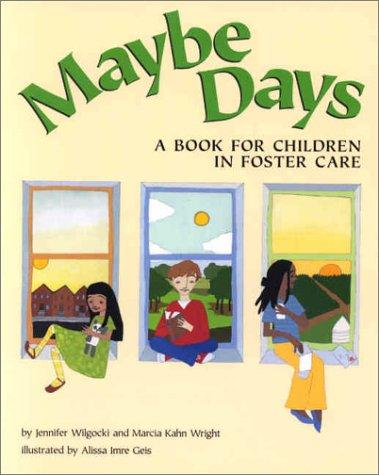
Will I go back home? Maybe. Written by a foster parent and a social worker, this book answers kids’ most common questions honestly, explains the roles of caseworkers and judges, and reassures children that it’s okay to feel many things at once.
2. Kids Need to Be Safe by Julie Nelson
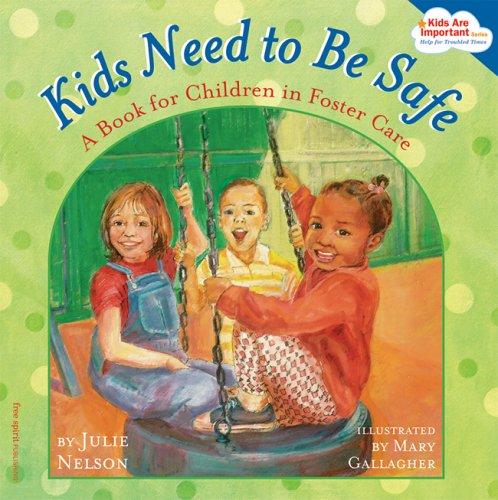
From Free Spirit Publishing, this book explains in simple terms that kids go to foster care because they need to be safe, and that it’s not their fault. Clear, diverse illustrations and a note for adults make it a top choice for young children entering care.
3. Families Change by Julie Nelson
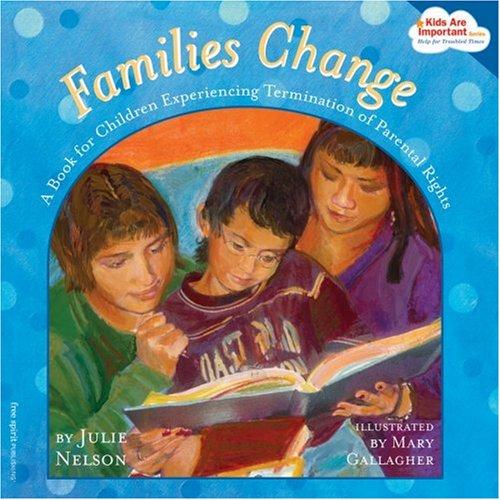
This gentle book helps children whose birth parents’ rights have been terminated understand what that means. It reassures them that they can keep loving their birth family while also loving a new one.
4. Murphy’s Three Homes by Jan Levinson Gilman
Murphy the puppy moves from home to home and starts to believe he must be a bad dog. When he finally lands in a caring foster home, he learns he’s lovable just as he is. It speaks to kids who have had multiple placements.
5. Finding the Right Spot by Janice Levy
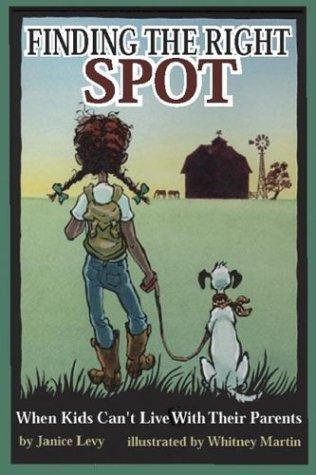
A girl lives with her Aunt Opal while her mother struggles with addiction. She misses her mom and feels unsure where she belongs, but slowly finds her own spot. It’s helpful for kids in kinship care.
6. Elliot by Julie Pearson
Elliot the rabbit has parents who love him but can’t care for him. He moves to foster homes, where his big feelings sometimes come out as yelling. Eventually, he finds a forever family. It’s honest about challenging behaviors.
7. The Star by Cynthia Miller Lovell
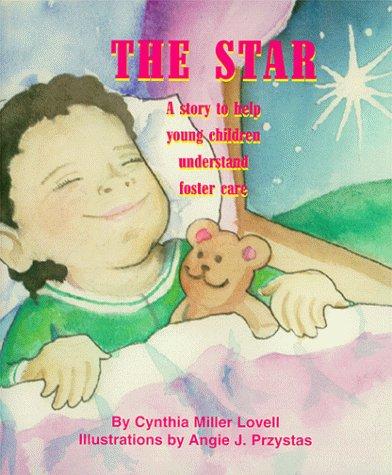
A little star is moved to a new part of the sky where other stars help take care of it. This gentle metaphor explains foster care to the youngest children and comforts them that people are looking out for them.
8. Mama One, Mama Two by Patricia MacLachlan
Katie’s foster mother, Mama Two, tells her a bedtime story about Mama One, who became too sad to care for her. The Newbery Medal author handles the subject with great tenderness and hope.
9. Zachary’s New Home by Geraldine and Paul Blomquist
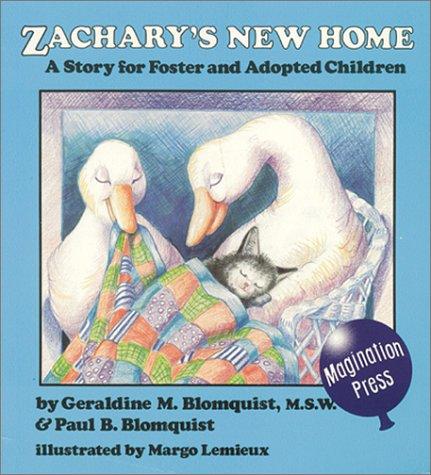
Zachary the kitten is taken from his first home and placed with a family of geese. He feels angry and confused, and the story shows those feelings honestly before he slowly settles in. It’s a classic for foster and adopted kids.
10. A Family Is a Family Is a Family by Sara O’Leary
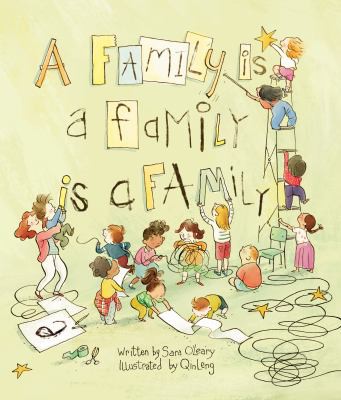
When a teacher asks what makes each family special, a girl worries because her family is different. Then she hears from classmates with foster parents, grandparents, two moms and more. It celebrates every kind of family.
11. Ruby Holler by Sharon Creech
Troublemaking twins Dallas and Florida have bounced between foster homes for years. When an eccentric older couple takes them to Ruby Holler, they slowly learn to trust. This Carnegie Medal winner is funny and moving.
12. Locomotion by Jacqueline Woodson
Eleven-year-old Lonnie lost his parents in a fire and lives in foster care, separated from his sister. Through poems written for school, he works through grief and finds his voice. This National Book Award finalist is short and powerful.
13. One for the Murphys by Lynda Mullaly Hunt
Carley is placed with the Murphys after a traumatic night at home. Their warmth confuses her, and she struggles to trust them while still longing for her mother. This emotional novel is a favorite with middle-school readers.
14. Bud, Not Buddy by Christopher Paul Curtis
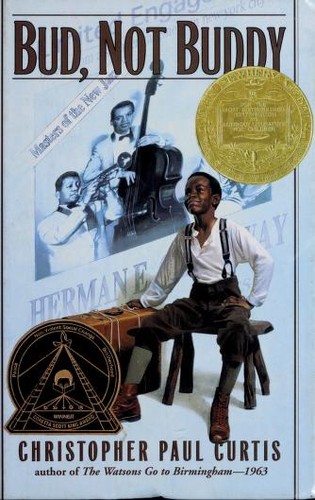
During the Great Depression, ten-year-old Bud escapes a bad foster home and sets out to find the man he believes is his father. His rules for life are hilarious and wise. This Newbery Medal novel celebrates resilience.
15. Anne of Green Gables by L.M. Montgomery
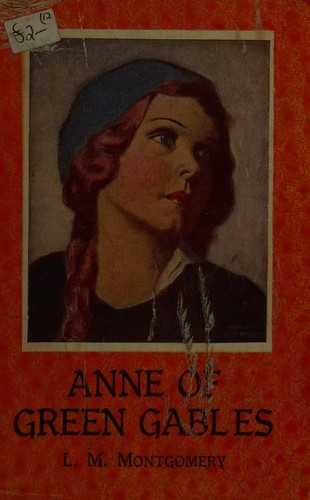
Orphan Anne Shirley is sent to Green Gables by mistake, since the Cuthberts wanted a boy. Her imagination and spirit win them over. This beloved classic shows how a child who never belonged anywhere finds a true home.
Tips for Supporting a Child in Foster Care
- Say it isn’t their fault. Kids often blame themselves. Repeat this often.
- Speak kindly about birth parents. Children may love and miss them, even after hard experiences.
- Expect big behaviors. Anger and testing limits are common responses to trauma.
- Keep routines predictable. Consistency helps kids feel safe.
- Build a lifebook. Photos and memories help children hold on to their story.
- Get trauma-informed support. Ask your agency about therapists who specialize in foster care.
Related: children’s books about adoption and children’s books about divorce.
Frequently Asked Questions
What is a good book for a child entering foster care?
Maybe Days and Kids Need to Be Safe are two of the most recommended books. They explain foster care simply and reassure kids it isn’t their fault.
How do I explain foster care to a young child?
Explain that sometimes parents need time to get help, and kids stay with another family who will keep them safe. Picture books like The Star make this gentle for little ones.
What chapter books are about foster care?
One for the Murphys, Ruby Holler and Locomotion are excellent novels about kids in foster care for ages 8 to 14.