

Disclosure: As an Amazon Associate, Bookish Wisdom earns from qualifying purchases. This doesn’t change our picks or your price.
Quick answer: The best children’s books about body safety teach kids the correct names for body parts, that their body belongs to them, the difference between safe and unsafe secrets and how to tell a trusted adult. Top picks include My Body! What I Say Goes!, Some Secrets Should Never Be Kept, I Said No!, Miles Is the Boss of His Body, Your Body Belongs to You and Consent (for Kids!).
Body safety is one of the most important things we can teach our kids, and one of the hardest to bring up. Many parents worry about scaring their child or don’t know what words to use. Yet child protection experts agree that kids who know the proper names for their body parts, understand boundaries and know they can always tell are much safer. Books make the conversation natural and calm. They give you exact words to use and let children practice saying no in a story first. Here are 15 books we trust, from simple picture books for preschoolers to guides for older kids, chosen for their clear, non-frightening approach.
Table of Contents
Quick Picks at a Glance
| Book | Author | Ages | Best For |
|---|---|---|---|
| My Body! What I Say Goes! | Jayneen Sanders | 3–9 | Complete body safety |
| Some Secrets Should Never Be Kept | Jayneen Sanders | 3–8 | Safe vs. unsafe secrets |
| I Said No! | Kimberly King and Zack King | 4–9 | Saying no |
| Do You Have a Secret? | Jennifer Moore-Mallinos | 4–8 | Telling an adult |
| Your Body Belongs to You | Cornelia Maude Spelman | 3–6 | Preschool consent |
| The Swimsuit Lesson | Jon Holsten | 3–8 | Private parts |
| Miles Is the Boss of His Body | Samantha Kurtzman-Counter and Abbie Schiller | 3–7 | Unwanted affection |
| Consent (for Kids!) | Rachel Brian | 6–10 | Boundaries |
| An Exceptional Children’s Guide to Touch | Kate Reynolds | 4–10 | Kids with autism |
| Who Has What? | Robie H. Harris | 3–6 | Body part names |
| Amazing You! | Gail Saltz | 4–8 | Body basics |
| The Right Touch | Sandy Kleven | 3–8 | Read-aloud story |
| Personal Space Camp | Julia Cook | 4–8 | Personal space |
| Not in Room 204 | Shannon Riggs | 6–10 | School-age kids |
| Good Pictures Bad Pictures Jr. | Kristen A. Jenson | 3–6 | Online safety |
1. My Body! What I Say Goes! by Jayneen Sanders
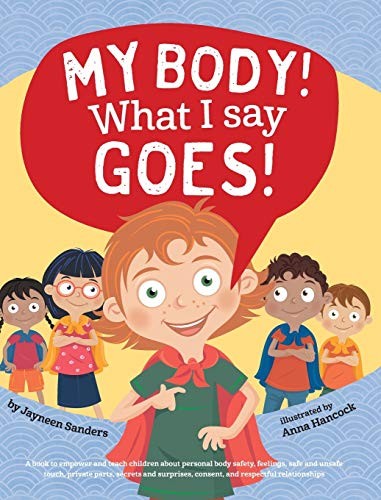
This book covers everything: correct names for body parts, safe and unsafe touch, feelings that warn us something is wrong and a trusted adult network. Discussion questions on each page make it easy to talk through. It’s one of the most recommended body safety books.
2. Some Secrets Should Never Be Kept by Jayneen Sanders
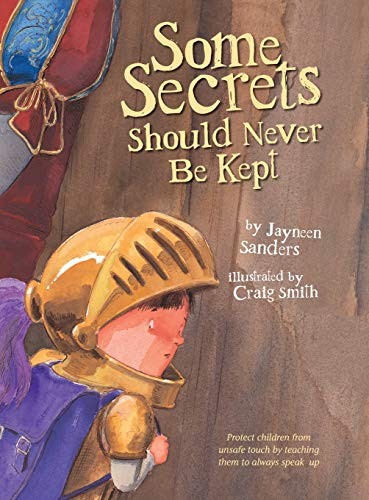
Prince Alfred learns that some secrets, like a surprise party, are fun, but secrets that make you feel bad should always be told. The fairy-tale setting keeps it gentle, while the message about secrecy is clear and powerful.
3. I Said No! by Kimberly King and Zack King
Written by a mother and son after a real experience at a sleepover, this book uses a simple traffic-light system to explain safe and unsafe situations. It gives kids practical scripts for saying no and getting help.
4. Do You Have a Secret? by Jennifer Moore-Mallinos
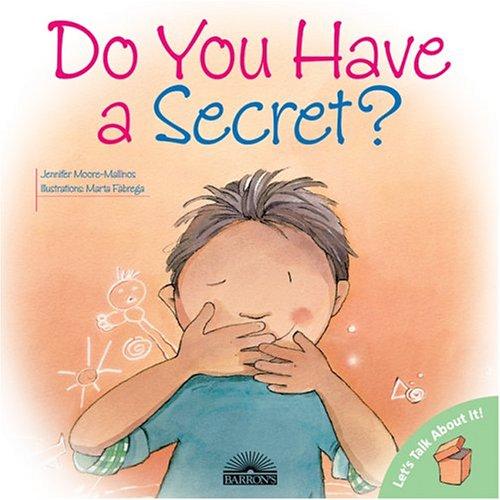
This gentle book explains the difference between good secrets and bad secrets and encourages kids to share anything that makes them uncomfortable. A parent guide helps adults respond calmly if a child discloses something.
5. Your Body Belongs to You by Cornelia Maude Spelman
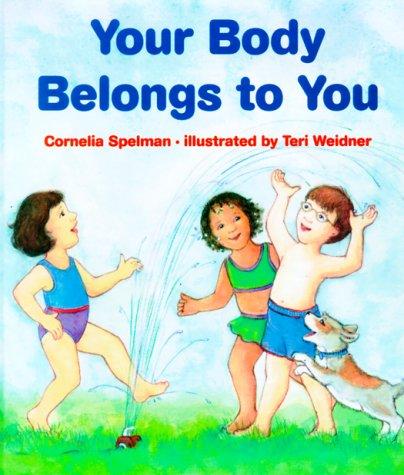
In simple language, this book explains that kids can say no to hugs and kisses, even from people they love, and that they can offer a high five instead. It’s a soft introduction to consent for preschoolers.
6. The Swimsuit Lesson by Jon Holsten
Written by a police officer, this book uses a swimsuit to explain that the areas it covers are private. Two siblings learn what to do if someone tries to touch them. It’s straightforward and easy for young kids to remember.
7. Miles Is the Boss of His Body by Samantha Kurtzman-Counter and Abbie Schiller
At his birthday party, relatives keep pinching, tickling and squeezing Miles, and he finally speaks up. This funny, relatable story teaches kids that they’re in charge of their own bodies, even with family.
8. Consent (for Kids!) by Rachel Brian
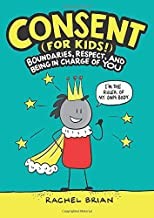
From the creator of the viral Tea Consent video, this graphic-style guide explains boundaries, bodily autonomy and respect with humor. It’s great for kids ages 6 to 10 and covers both respecting others and protecting yourself.
9. An Exceptional Children’s Guide to Touch by Kate Reynolds
Designed for children with autism and other learning differences, this book uses clear pictures and simple sentences to explain different kinds of touch and when they’re okay. It fills an important gap for kids who need concrete teaching.
10. Who Has What? by Robie H. Harris
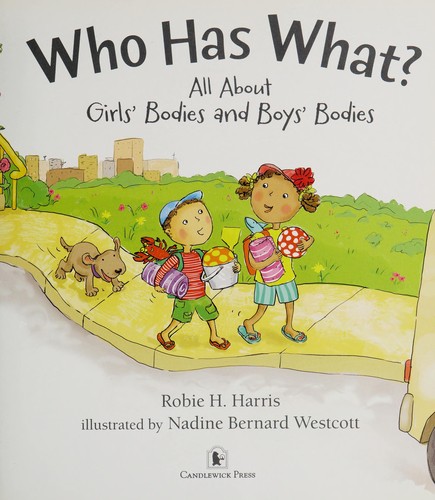
Nellie and Gus visit the beach and learn about the ways girls’ and boys’ bodies are the same and different, using correct names. Knowing proper terms is a key part of body safety, and this book makes it natural.
11. Amazing You! by Gail Saltz
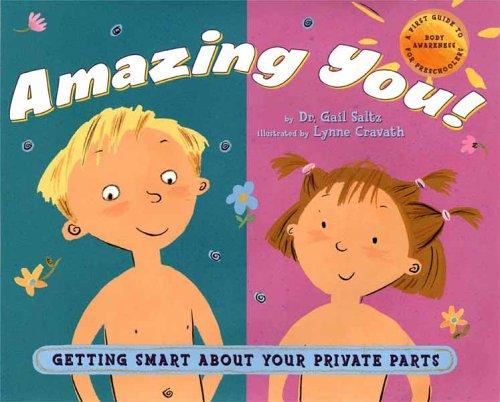
A psychiatrist explains body parts and private parts in clear, positive terms for young children. The friendly tone helps kids feel good about their bodies while learning which parts are private.
12. The Right Touch by Sandy Kleven
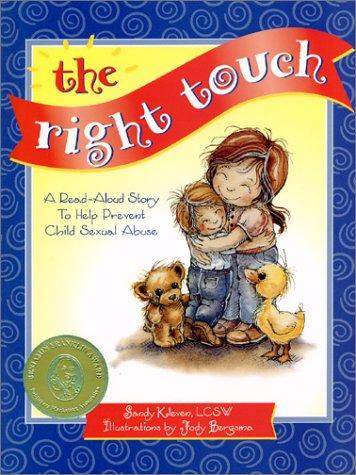
As a mother tucks her son into bed, she tells him a story about a boy who learns to recognize an unsafe touch and tell. This award-winning read-aloud is calm and reassuring, ideal for bedtime conversations.
13. Personal Space Camp by Julia Cook
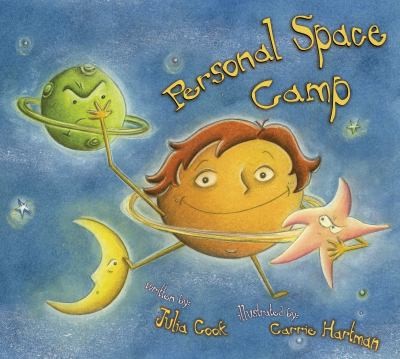
Louis loves to get close to everyone, until his principal sends him to Personal Space Camp. He learns about the invisible bubble everyone has. It’s a lighthearted way to teach respecting others’ space too.
14. Not in Room 204 by Shannon Riggs
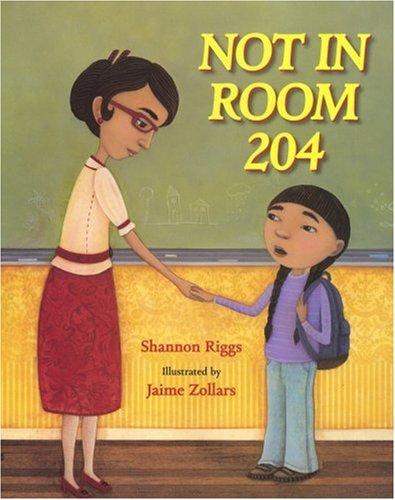
Regina is quiet in class, and her teacher’s lesson about stranger danger and secrets gives her the courage to tell about abuse at home. It’s a serious, sensitive book best read with a parent or counselor for kids ages 6 to 10.
15. Good Pictures Bad Pictures Jr. by Kristen A. Jenson
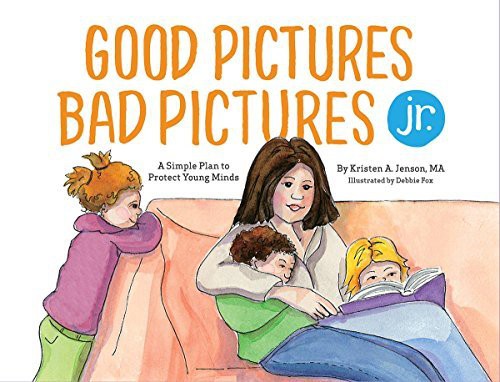
Body safety now includes screens. This book teaches young kids what to do if they see an image that makes them feel uncomfortable online: turn it off, run and tell. It’s a simple, important plan for the digital age.
Tips for Teaching Body Safety
- Use correct names. Kids who know the real words for private parts can report problems clearly.
- Talk about safe and unsafe secrets. Surprises are fine; secrets that feel bad must be told.
- Respect their no. Don’t force hugs or kisses, even with relatives.
- Build a trusted adult list. Help your child name five adults they can go to.
- Keep it ongoing. Short, regular conversations work better than one big talk.
- Stay calm if they tell. Thank them, believe them and contact the Childhelp hotline at 1-800-422-4453 for guidance.
Related: 15 Best Children’s Books About Foster Care to Help Kids Feel Safe and Loved · 15 Best Spy Books for 12 Year Olds That Will Keep Them Reading
Frequently Asked Questions
What age should I start teaching body safety?
Experts suggest starting as soon as kids learn body part names, around age 2 or 3, using simple words. Books like Your Body Belongs to You and Who Has What? work well for preschoolers.
What is the best body safety book for kids?
My Body! What I Say Goes! by Jayneen Sanders is widely recommended because it covers names, touch, feelings and trusted adults in one book for ages 3 to 9.
Will body safety books scare my child?
Good body safety books are calm and empowering, not scary. They focus on what kids can do, like saying no and telling a grown-up, rather than on frightening details.