
Disclosure: As an Amazon Associate, Bookish Wisdom earns from qualifying purchases. This doesn’t change our picks or your price.
Quick answer: The best controversial books for book clubs are challenging, often banned or debated books that push your group to discuss uncomfortable questions respectfully. Top picks include Lolita, We Need to Talk About Kevin, American Dirt, The Catcher in the Rye, Lord of the Flies and The Hate U Give.
Some of the best book club meetings happen when members disagree. Controversial books, whether banned, challenged, criticized or simply divisive, push readers to defend their opinions and listen to others. They also raise bigger questions about who gets to tell which stories and what literature is for. This list includes classics that have been challenged for decades, modern books that caused public debate and novels that leave readers deeply split. Many deal with disturbing topics, so we’ve explained why each one is controversial and added content notes. Set ground rules for respectful debate before you start.
Table of Contents
Quick Picks at a Glance
| Book | Author | Why It’s Debated | Best For |
|---|---|---|---|
| Lolita | Vladimir Nabokov | Narrated by a child abuser | Literary groups ready for a challenge |
| We Need to Talk About Kevin | Lionel Shriver | Motherhood and blame | Groups that like hard questions |
| My Dark Vanessa | Kate Elizabeth Russell | Consent and memory | Serious discussions |
| American Dirt | Jeanine Cummins | Who tells whose story | Discussions about representation |
| Go Set a Watchman | Harper Lee | Atticus’s racism | To Kill a Mockingbird fans |
| A Clockwork Orange | Anthony Burgess | Violence and free will | Philosophical discussions |
| The Bluest Eye | Toni Morrison | Frequently banned | Discussions about race and beauty |
| Adventures of Huckleberry Finn | Mark Twain | Racial language | Classic lovers |
| Lord of the Flies | William Golding | Human nature | Mixed-age groups |
| The Catcher in the Rye | J.D. Salinger | Language and rebellion | Discussions across generations |
| The Perks of Being a Wallflower | Stephen Chbosky | Teen sexuality and drugs | Parent book clubs |
| Thirteen Reasons Why | Jay Asher | Depiction of suicide | Discussions about mental health |
| The Hate U Give | Angie Thomas | Police violence | Social justice discussions |
| Maus | Art Spiegelman | School-board ban | Graphic novel newcomers |
| Hillbilly Elegy | J.D. Vance | Politics and representation | Groups that like political debate |
1. Lolita by Vladimir Nabokov
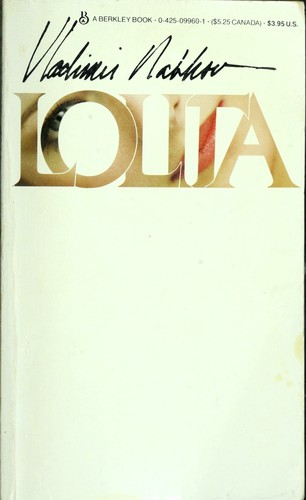
Humbert Humbert, a charming and monstrous narrator, describes his obsession with and abuse of 12-year-old Dolores Haze. Nabokov’s dazzling prose makes readers question how language can disguise evil. Content note: child sexual abuse.
Talk about: How does Humbert try to manipulate the reader?
2. We Need to Talk About Kevin by Lionel Shriver
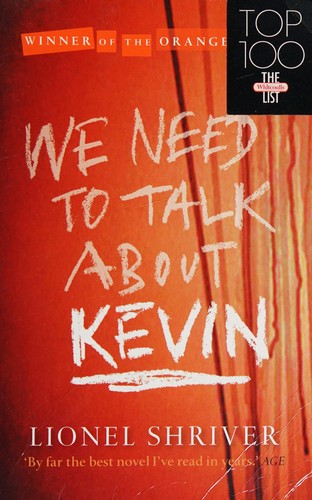
Through letters to her husband, Eva tries to understand her son Kevin, who committed a school massacre. Was he born that way, or did she fail him? Content note: violence.
Talk about: Is Eva a reliable narrator?
3. My Dark Vanessa by Kate Elizabeth Russell
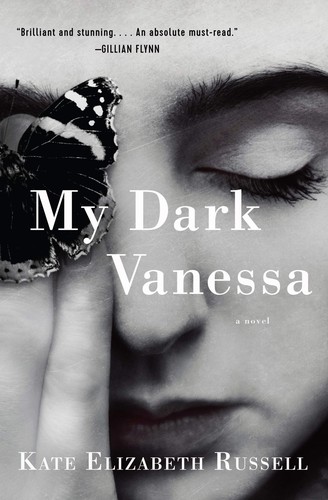
Vanessa was 15 when she began a relationship with her English teacher. Years later, as he’s accused by another student, she struggles to see it as abuse. Content note: sexual abuse.
Talk about: Why is it so hard for Vanessa to name what happened?
4. American Dirt by Jeanine Cummins
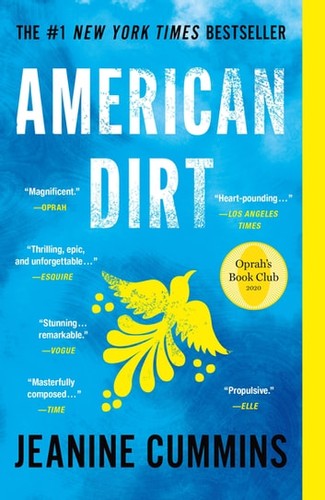
A Mexican bookseller and her son flee a cartel and head for the U.S. border. The book was a bestseller but was criticized for stereotypes and for its author writing outside her culture.
Talk about: Who has the right to tell a story like this?
5. Go Set a Watchman by Harper Lee
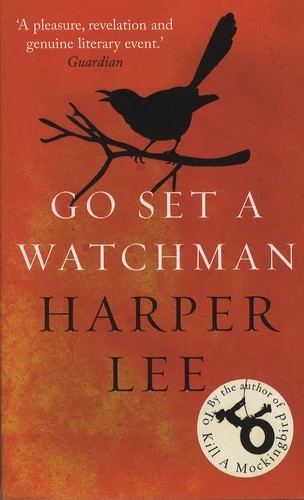
Published in 2015, this earlier draft follows a grown-up Scout who returns to Alabama and discovers her father’s racist views. Its release and its portrait of Atticus shocked readers.
Talk about: Does this book change how you see To Kill a Mockingbird?
6. A Clockwork Orange by Anthony Burgess
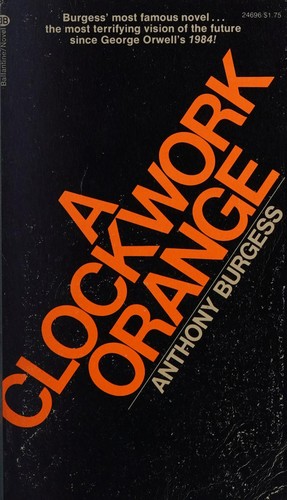
Teenage Alex leads a gang in brutal violence before undergoing a government experiment to make him good. It asks whether forced goodness is goodness at all. Content note: graphic violence.
Talk about: Is it better to choose evil than to be forced to be good?
7. The Bluest Eye by Toni Morrison
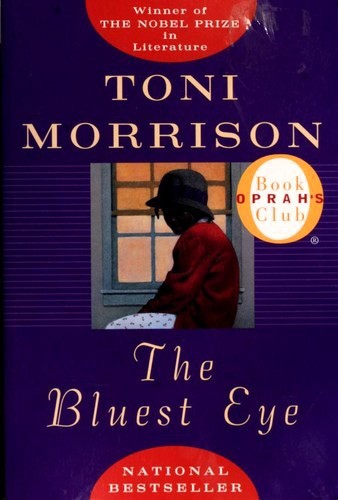
Pecola Breedlove, a Black girl in 1940s Ohio, prays for blue eyes, believing they’ll make her beautiful and loved. Morrison’s first novel is often challenged in schools. Content note: incest and abuse.
Talk about: Why do you think this book is challenged so often?
8. Adventures of Huckleberry Finn by Mark Twain
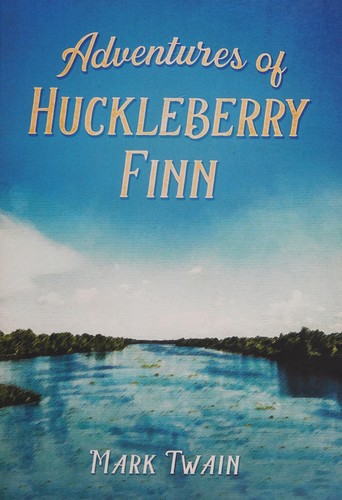
Huck escapes his abusive father and travels down the Mississippi with Jim, a man escaping slavery. It’s a classic, but its racial slurs and portrayal of Jim make it one of the most challenged books in America.
Talk about: Should this book still be taught in schools?
9. Lord of the Flies by William Golding
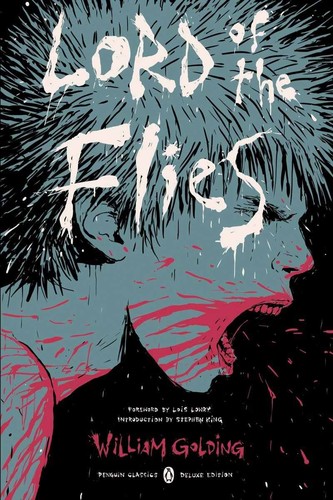
A group of schoolboys stranded on an island descend into savagery. Some readers find its view of human nature too dark, and critics question its message.
Talk about: Do you agree with Golding’s view of human nature?
10. The Catcher in the Rye by J.D. Salinger
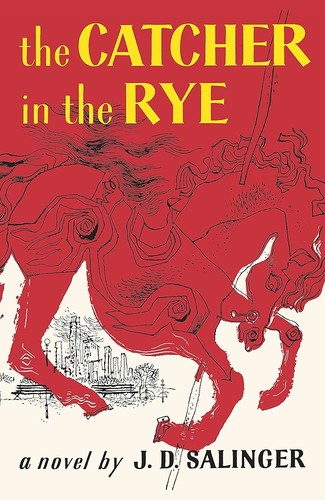
Holden Caulfield wanders New York City after being expelled from prep school. Long banned for its language and attitude, it still divides readers: is Holden relatable or insufferable?
Talk about: Is Holden relatable to you now?
11. The Perks of Being a Wallflower by Stephen Chbosky
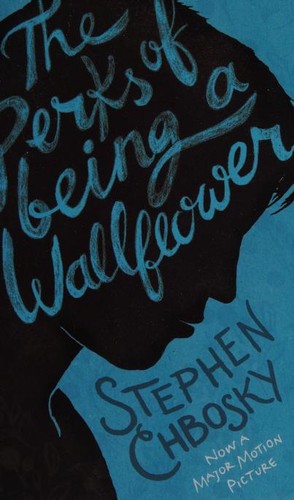
Charlie, a shy freshman, writes letters about friendship, first love and trauma. Frequently challenged for its content, it’s also beloved for its honesty. Content note: abuse and mental health.
Talk about: Why do so many teens connect with this book?
12. Thirteen Reasons Why by Jay Asher
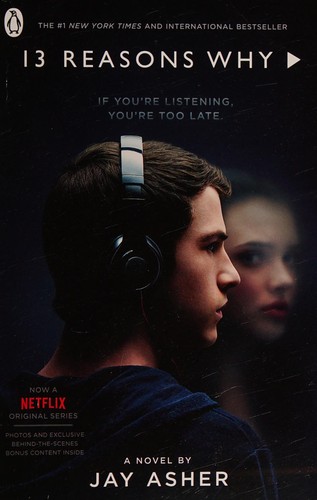
Clay receives tapes from Hannah, a classmate who died by suicide, explaining the reasons why. Critics argue it glamorizes suicide, while others say it opened important conversations. Content note: suicide.
Talk about: Does the book handle its subject responsibly?
13. The Hate U Give by Angie Thomas
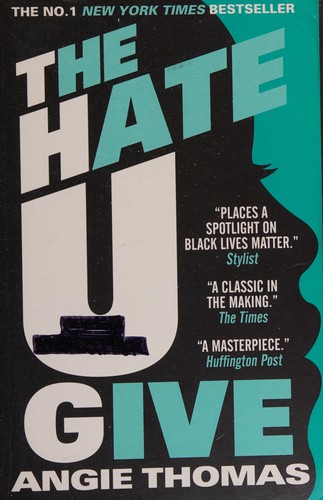
Starr witnesses a police officer kill her unarmed friend and must decide whether to speak out. It’s one of the most challenged books in recent years.
Talk about: What does Starr’s “two worlds” experience reveal?
14. Maus by Art Spiegelman
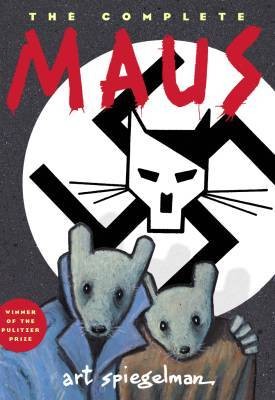
In this Pulitzer-winning graphic memoir, Spiegelman tells his father’s story of surviving the Holocaust, with Jews drawn as mice and Nazis as cats. A 2022 school ban made national news.
Talk about: What does the graphic novel format add?
15. Hillbilly Elegy by J.D. Vance
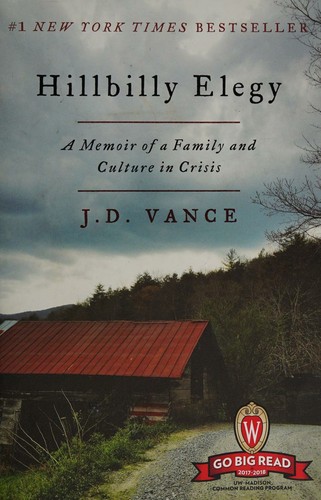
Vance describes growing up in a struggling Appalachian family in Ohio and Kentucky. It was praised and heavily criticized for how it portrays poverty and Appalachia, and its author’s political career has added more debate.
Talk about: Does the book explain the region fairly?
Tips for Discussing Controversial Books
- Set ground rules: criticize ideas, not people, and let everyone finish speaking.
- Share content notes in advance and let members opt out.
- Separate the book from the controversy, then bring them back together.
- Read the criticism and the author’s response, if there is one.
- Ask “why was this challenged?” and whether you agree.
- End on common ground, naming something everyone agreed on.
Related: We Need to Talk About Kevin by Lionel Shriver: Summary and Key Takeaways · The Perks of Being a Wallflower by Stephen Chbosky: Summary and Key Takeaways
Frequently Asked Questions
What is a good controversial book for a book club?
We Need to Talk About Kevin, The Catcher in the Rye, American Dirt and Lord of the Flies are good options that reliably divide readers and spark debate.
How do you discuss a controversial book in a book club?
Set ground rules for respectful debate, share content notes beforehand, focus on ideas rather than people and give everyone time to speak.
Why are some books banned?
Books are usually challenged for language, sexual content, violence, or depictions of race, religion or sexuality. Discussing why can be as interesting as the book itself.