
Disclosure: As an Amazon Associate, Bookish Wisdom earns from qualifying purchases. This doesn’t change our picks or your price.
Quick answer: The best true crime books for book clubs go beyond the shock value to explore justice, society and why people do what they do. Top picks include In Cold Blood, I’ll Be Gone in the Dark, The Devil in the White City, Say Nothing, Just Mercy and The Stranger Beside Me.
True crime is one of the most popular genres around, and it’s a natural fit for book clubs. Real cases raise questions that fiction can’t: What failed? Who was believed, and who wasn’t? Was justice served? The best books in the genre are carefully researched and respectful of victims, and they often reveal as much about society as about the crime itself. This list includes classics, investigations into wrongful convictions, historical crimes and a few unusual cases. These books deal with violence, so we’ve added content notes and recommend checking in with your group first.
Table of Contents
Quick Picks at a Glance
| Book | Author | Case / Topic | Best For |
|---|---|---|---|
| In Cold Blood | Truman Capote | 1959 Clutter family murders | Classic true crime |
| I’ll Be Gone in the Dark | Michelle McNamara | Golden State Killer | Readers who love investigations |
| The Devil in the White City | Erik Larson | 1893 Chicago World’s Fair | History lovers |
| Say Nothing | Patrick Radden Keefe | The Troubles in Northern Ireland | Groups interested in history and politics |
| The Stranger Beside Me | Ann Rule | Ted Bundy | Readers interested in psychology |
| Helter Skelter | Vincent Bugliosi | Manson Family murders | Legal-minded readers |
| Midnight in the Garden of Good and Evil | John Berendt | 1981 Savannah shooting | Southern-gothic fans |
| Lost Girls | Robert Kolker | Long Island serial killer | Discussions about victims and media |
| Furious Hours | Casey Cep | Harper Lee and an Alabama murder case | Literary-minded readers |
| The Feather Thief | Kirk Wallace Johnson | 2009 museum heist | Lighter true crime |
| Just Mercy | Bryan Stevenson | Wrongful convictions | Social justice discussions |
| The Innocent Man | John Grisham | Wrongful conviction in Oklahoma | Grisham fans |
| A False Report | T. Christian Miller and Ken Armstrong | Washington and Colorado rape cases | Serious, important discussions |
| The Five | Hallie Rubenhold | Victims of Jack the Ripper | History lovers |
| Columbine | Dave Cullen | 1999 school shooting | Groups ready for a hard topic |
1. In Cold Blood by Truman Capote
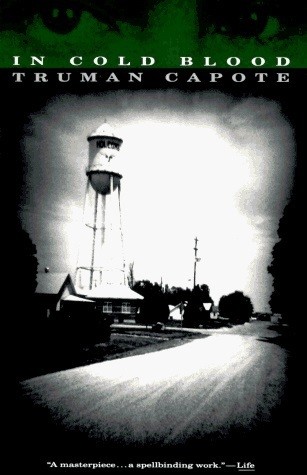
Capote reconstructs the murder of a Kansas farm family and the lives of the two killers. It practically invented the modern true crime genre, though readers still debate how much he embellished.
Talk about: Did Capote get too close to the killers?
2. I’ll Be Gone in the Dark by Michelle McNamara
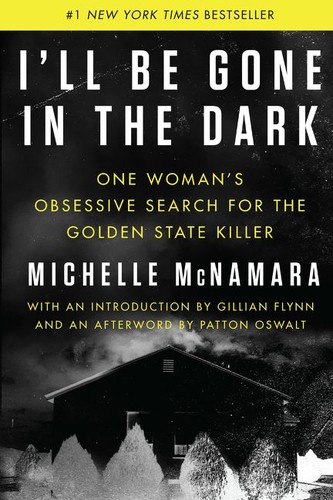
McNamara’s obsessive search for the Golden State Killer was published after her death, and he was arrested two months later. It’s as much about her as about the case.
Talk about: What drove McNamara’s obsession, and what did it cost her?
3. The Devil in the White City by Erik Larson
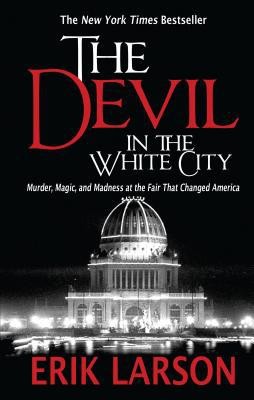
Larson alternates between the architect racing to build the 1893 World’s Fair and H.H. Holmes, a killer who used the fair to lure victims. It reads like a novel.
Talk about: How do the two storylines reflect each other?
4. Say Nothing by Patrick Radden Keefe
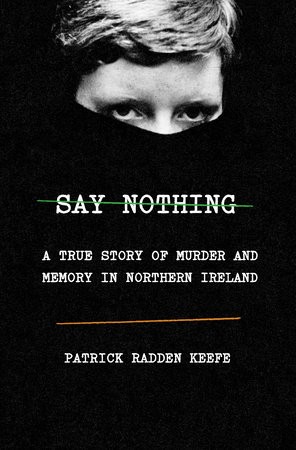
Starting with the 1972 abduction of Jean McConville, a widowed mother of ten, Keefe explores the violence of the Troubles and the people who carried it out.
Talk about: Can political violence ever be justified?
5. The Stranger Beside Me by Ann Rule
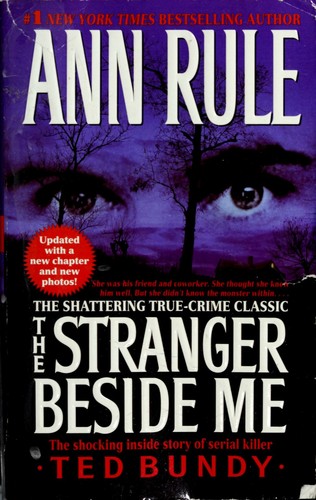
Rule worked alongside Ted Bundy at a crisis hotline and considered him a friend, before learning who he really was. Her personal connection makes this book unique. Content note: violence against women.
Talk about: How could someone so close not see the truth?
6. Helter Skelter by Vincent Bugliosi
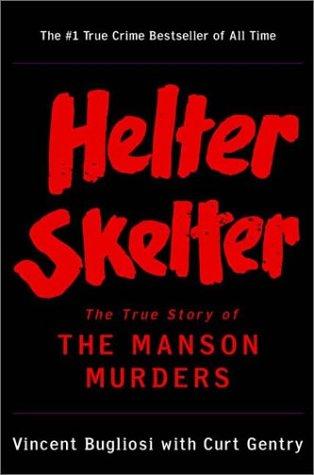
The prosecutor who convicted Charles Manson explains the 1969 murders and the trial in exhaustive detail. It’s long but gripping, and one of the best-selling true crime books ever.
Talk about: How did Manson control his followers?
7. Midnight in the Garden of Good and Evil by John Berendt
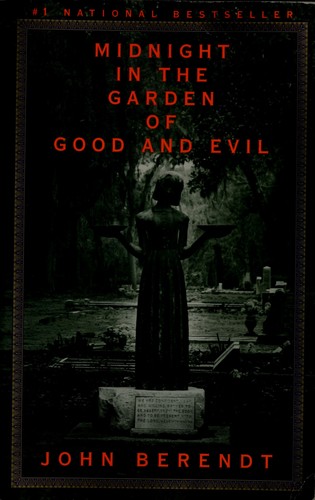
A shooting in a Savannah mansion leads to four trials, while Berendt introduces the city’s eccentric characters, from a drag queen to a voodoo priestess. It’s atmospheric and entertaining.
Talk about: Is this book more about a crime or about a city?
8. Lost Girls by Robert Kolker
Kolker tells the stories of five young women who disappeared and were later found on Long Island, focusing on their lives instead of the killer. It’s an important look at who gets attention.
Talk about: How did society’s view of the victims affect the investigation?
9. Furious Hours by Casey Cep
A preacher accused of murdering family members for insurance money is shot dead at a funeral. Harper Lee spent years trying to write about it. It’s part true crime, part literary biography.
Talk about: Why do you think Harper Lee never finished her book?
10. The Feather Thief by Kirk Wallace Johnson
A young flautist breaks into a British natural history museum and steals hundreds of rare bird skins to sell to fly-tiers. Strange, fascinating and nonviolent.
Talk about: Was justice served in this case?
11. Just Mercy by Bryan Stevenson
Lawyer Bryan Stevenson tells the story of Walter McMillian, a Black man sentenced to death for a murder he didn’t commit, along with other cases from his work.
Talk about: What changes to the justice system does the book make you want?
12. The Innocent Man by John Grisham
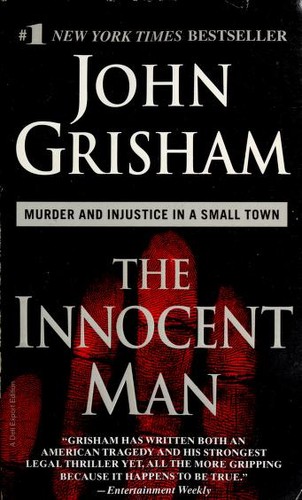
Grisham’s first nonfiction book tells the story of Ron Williamson, a former baseball prospect sentenced to death for a murder he didn’t commit. It’s infuriating and heartbreaking.
Talk about: How did the system fail Ron Williamson?
13. A False Report by T. Christian Miller and Ken Armstrong
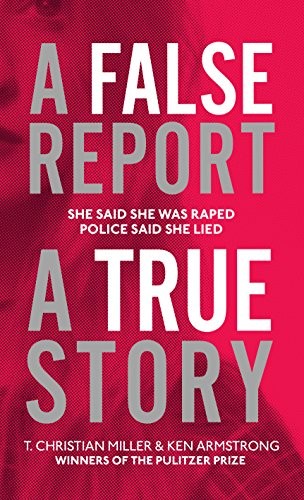
A teenager reports a rape, is pressured to recant and is charged with lying. Years later, detectives in another state uncover the truth. It inspired the series Unbelievable. Content note: sexual assault.
Talk about: What should police do differently when victims come forward?
14. The Five by Hallie Rubenhold
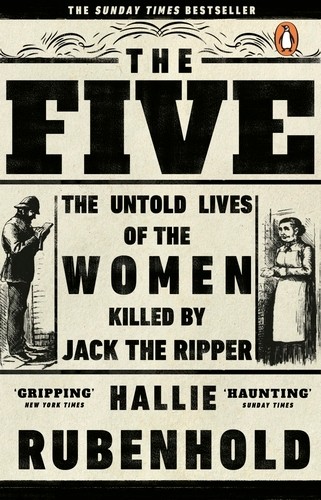
Instead of focusing on the killer, Rubenhold tells the full life stories of the five women he murdered and challenges the myths about them.
Talk about: Why are killers often remembered more than their victims?
15. Columbine by Dave Cullen
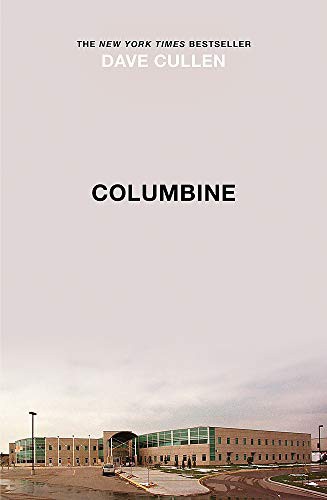
Cullen spent years researching the shooting and corrects many myths that spread in the media. It’s essential and painful. Content note: school violence.
Talk about: Which myths about Columbine surprised you most?
Tips for a True Crime Book Club
- Center the victims. Ask how the book treats the people who were harmed.
- Check in about content and let members skip a pick without explanation.
- Discuss ethics. Talk about how authors and readers profit from real tragedies.
- Look up what happened next. Many cases have updates since publication.
- Pair with a documentary or podcast for comparison.
- Balance heavy picks with lighter true crime like The Feather Thief.
Related: Say Nothing by Patrick Radden Keefe: Summary and Key Takeaways · Midnight in the Garden of Good and Evil by John Berendt: Summary and Key Takeaways
Frequently Asked Questions
What is a good true crime book for a book club?
In Cold Blood, I’ll Be Gone in the Dark, The Devil in the White City and Just Mercy are popular choices because they’re gripping and raise important questions.
Is true crime appropriate for a book club?
Yes, as long as members are comfortable with the content. Choosing respectful, well-researched books and sharing content notes helps.
What is a true crime book that isn’t too violent?
The Feather Thief by Kirk Wallace Johnson and Midnight in the Garden of Good and Evil by John Berendt are lighter options with little graphic violence.