

Disclosure: As an Amazon Associate, Bookish Wisdom earns from qualifying purchases. This doesn’t change our picks or your price.
Quick answer: The best translated books for book clubs let your group travel the world through stories while discussing culture, history and universal emotions. Top picks include My Brilliant Friend, One Hundred Years of Solitude, The Shadow of the Wind, Convenience Store Woman, The Vegetarian and The Elegance of the Hedgehog.
Reading translated fiction is one of the easiest ways for a book club to break out of a rut. These books open windows onto other countries and traditions, and they show how much people everywhere share. They also add an extra layer to discuss: what might have been lost or gained in translation, and how the original culture shaped the story. This list covers Italian, Spanish, Japanese, Korean, French, Portuguese, Swedish and Hungarian authors, with prize winners, bestsellers and a few short books perfect for busy months. We’ve named the English translator for each pick.
Table of Contents
Quick Picks at a Glance
| Book | Author | Original Language | Best For |
|---|---|---|---|
| My Brilliant Friend | Elena Ferrante | Italian | Friendship discussions |
| One Hundred Years of Solitude | Gabriel García Márquez | Spanish | Ambitious groups |
| The Shadow of the Wind | Carlos Ruiz Zafón | Spanish | Book lovers and mystery fans |
| Convenience Store Woman | Sayaka Murata | Japanese | Short-read months |
| Kim Jiyoung, Born 1982 | Cho Nam-Joo | Korean | Discussions about gender |
| The Vegetarian | Han Kang | Korean | Literary, adventurous groups |
| Norwegian Wood | Haruki Murakami | Japanese | Murakami beginners |
| The Elegance of the Hedgehog | Muriel Barbery | French | Philosophical readers |
| The Alchemist | Paulo Coelho | Portuguese | Easy, inspirational pick |
| The Housekeeper and the Professor | Yoko Ogawa | Japanese | Gentle, uplifting reading |
| Like Water for Chocolate | Laura Esquivel | Spanish | Food-themed meetings |
| Beartown | Fredrik Backman | Swedish | Groups ready for serious themes |
| The Stranger | Albert Camus | French | Philosophical discussions |
| Suite Française | Irène Némirovsky | French | Historical fiction fans |
| The Door | Magda Szabó | Hungarian | Literary groups |
1. My Brilliant Friend by Elena Ferrante
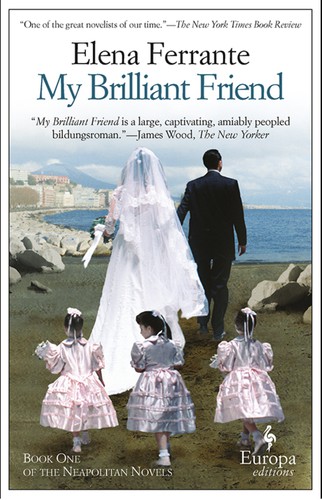
Elena and Lila grow up in a poor, violent neighborhood in 1950s Naples, bound by a fierce and complicated friendship. Translated by Ann Goldstein, it’s the first of the Neapolitan Novels, and many groups go on to read all four.
Talk about: Is Lila and Elena’s friendship healthy?
2. One Hundred Years of Solitude by Gabriel García Márquez
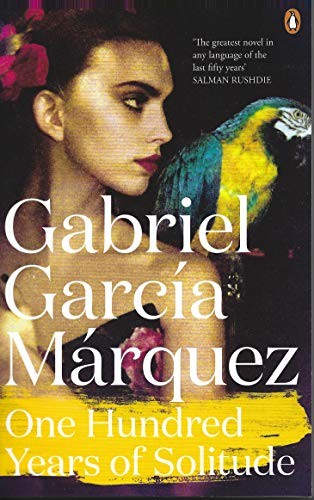
Seven generations of the Buendía family live in the magical town of Macondo, where miracles feel ordinary. Translated by Gregory Rabassa, it’s a landmark of magical realism. A family tree helps.
Talk about: What does the novel say about history repeating itself?
3. The Shadow of the Wind by Carlos Ruiz Zafón
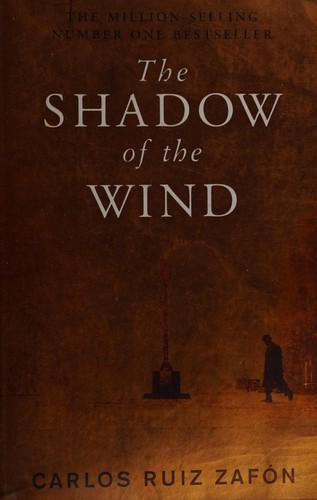
In postwar Barcelona, young Daniel is taken to the Cemetery of Forgotten Books and chooses a novel whose author’s other books are being destroyed. Translated by Lucia Graves, it’s gothic, romantic and gripping.
Talk about: What does the Cemetery of Forgotten Books mean to you?
4. Convenience Store Woman by Sayaka Murata
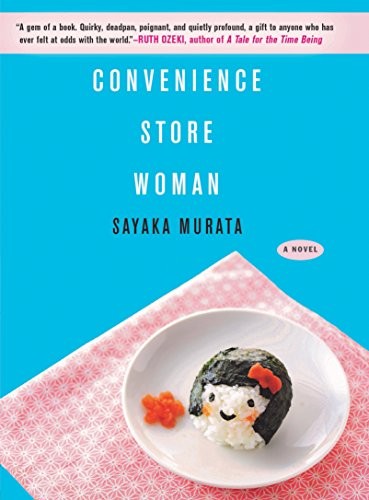
Keiko has worked in the same convenience store for 18 years and is happy there, but everyone keeps asking when she’ll marry or get a real job. Translated by Ginny Tapley Takemori, it’s short, odd and funny.
Talk about: Why does society find Keiko’s happiness so threatening?
5. Kim Jiyoung, Born 1982 by Cho Nam-Joo
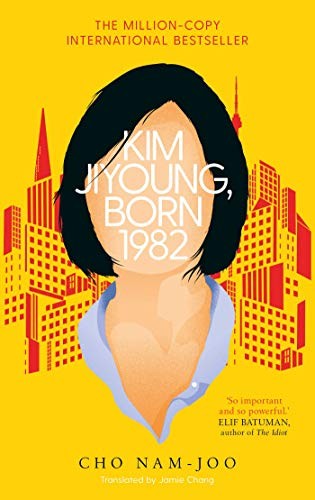
Kim Jiyoung, an ordinary woman, begins speaking in the voices of other women, and her life story reveals everyday sexism in modern Korea. Translated by Jamie Chang, it became a phenomenon.
Talk about: Which moments in Jiyoung’s life felt familiar?
6. The Vegetarian by Han Kang

When Yeong-hye decides to stop eating meat after a disturbing dream, her family reacts with shocking violence. Translated by Deborah Smith, it won the International Booker, and Han Kang later received the Nobel Prize. Content note: abuse.
Talk about: Why is Yeong-hye’s choice so threatening to the people around her?
7. Norwegian Wood by Haruki Murakami

In 1960s Tokyo, college student Toru Watanabe is caught between two very different women. Translated by Jay Rubin, it’s Murakami’s most realistic novel, nostalgic and melancholy. Content note: suicide.
Talk about: Which woman did you think Toru should choose?
8. The Elegance of the Hedgehog by Muriel Barbery

In an elegant Paris apartment building, a secretly brilliant concierge and a gifted 12-year-old girl hide their true selves, until a new resident sees through them both. Translated by Alison Anderson.
Talk about: Why do Renée and Paloma hide their intelligence?
9. The Alchemist by Paulo Coelho
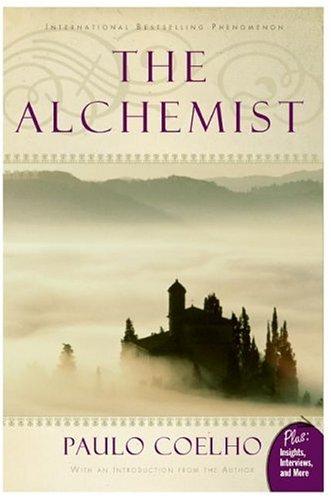
Santiago, a shepherd boy in Andalusia, dreams of treasure and travels to the Egyptian pyramids to find it. Translated by Alan R. Clarke, this short fable about following your dreams divides readers, which makes it fun to discuss.
Talk about: Did you find the book inspiring or too simple?
10. The Housekeeper and the Professor by Yoko Ogawa

A housekeeper is hired to care for a brilliant math professor whose memory resets every 80 minutes. Through numbers, they form a tender friendship with her son. Translated by Stephen Snyder.
Talk about: How does math become a language of love?
11. Like Water for Chocolate by Laura Esquivel
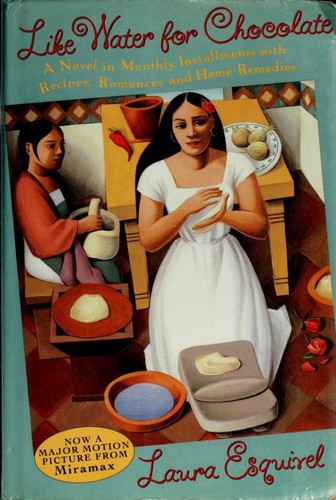
Tita, the youngest daughter in a Mexican family, is forbidden to marry, and pours her emotions into her cooking, with magical effects. Each chapter opens with a recipe. Translated by Carol and Thomas Christensen.
Talk about: How does food express what Tita can’t say?
12. Beartown by Fredrik Backman

A small, struggling forest town pins all its hopes on its junior hockey team, until a violent act tears the community apart. Translated by Neil Smith. Content note: sexual assault.
Talk about: How does loyalty to the team affect the town’s choices?
13. The Stranger by Albert Camus
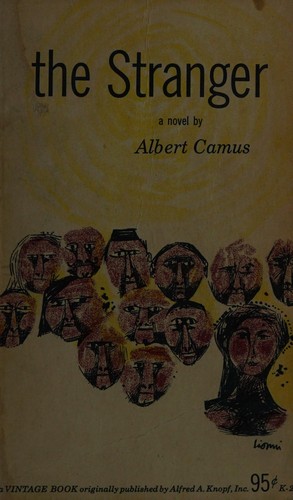
Meursault, an emotionally detached man in French Algeria, commits a senseless murder on a beach. This short classic of absurdist thought is often read in Matthew Ward’s translation.
Talk about: Is Meursault punished for the murder or for being different?
14. Suite Française by Irène Némirovsky

Written during the German occupation of France, it follows Parisians fleeing the invasion and a village living alongside German soldiers. Némirovsky died at Auschwitz, and the manuscript was found decades later. Translated by Sandra Smith.
Talk about: How does knowing the author’s story change your reading?
15. The Door by Magda Szabó

A writer hires Emerence, a fiercely private, stubborn housekeeper, and their relationship becomes one of the most intense of her life. Translated by Len Rix, it’s a modern classic about love and trust.
Talk about: Who was really in control of the relationship?
Tips for Reading Translated Books in a Book Club
- Talk about the translator. Ask how translation might shape the voice and tone.
- Compare translations by reading the same passage in two versions.
- Learn a little context about the country and time period before the meeting.
- Cook a dish from the setting to bring the book to life.
- Choose a country each month and build a world-reading year.
- Ask what felt universal and what felt culturally specific.
Related: the best literary fiction books for book clubs and the best book club books of all time.
Frequently Asked Questions
What is a good translated book for a book club?
My Brilliant Friend, The Shadow of the Wind, Convenience Store Woman and The Elegance of the Hedgehog are popular picks that are both readable and full of discussion points.
Why should book clubs read translated fiction?
Translated fiction introduces new cultures and perspectives, which makes discussions richer and helps groups break out of reading ruts.
Does translation change a book?
Yes, every translation involves choices about words, rhythm and tone. Talking about those choices can be a fascinating part of a meeting.