
Disclosure: As an Amazon Associate, Bookish Wisdom earns from qualifying purchases. This doesn’t change our picks or your price.
Quick answer: The best cozy books for winter include Winter Solstice, The Snow Child, A Gentleman in Moscow, The Bear and the Nightingale, The Thursday Murder Club and The Dutch House. Curl up with Winter Solstice, A Gentleman in Moscow or The Snow Child for a cozy winter evening.
Winter is the season for blankets, lamps and long evenings, and the right book makes the cold feel cozy. The best winter reads have warmth: snowbound settings, comforting characters, slow-burning stories and the pleasures of tea and firelight. This list gathers fifteen cozy books for winter, from classic novels and gentle contemporary fiction to wintry fantasies and reflective nonfiction. Some are set in snow, others simply feel like a hug. Read them with something warm to drink, a candle and your phone in another room. If you love the idea of hygge, the Danish art of coziness, this list is for you. Cozy does not mean shallow; many of these books offer depth and wisdom.
Table of Contents
Quick Picks at a Glance
| Book | Author | Genre | Best For |
|---|---|---|---|
| Winter Solstice | Rosamunde Pilcher | Cozy fiction | readers who like gentle novels |
| The Snow Child | Eowyn Ivey | Fairy-tale fiction | readers who like lyrical stories |
| A Gentleman in Moscow | Amor Towles | Historical fiction | readers who like elegant novels |
| The Bear and the Nightingale | Katherine Arden | Historical fantasy | readers who love folklore |
| The Thursday Murder Club | Richard Osman | Cozy mystery | readers who want fun |
| The Dutch House | Ann Patchett | Family fiction | readers who like family sagas |
| Anne of Green Gables | L.M. Montgomery | Classic | readers who want comfort |
| Little Women | Louisa May Alcott | Classic | readers who love family warmth |
| The Secret Garden | Frances Hodgson Burnett | Classic | readers who want healing stories |
| Pride and Prejudice | Jane Austen | Classic romance | readers who love wit |
| Howl’s Moving Castle | Diana Wynne Jones | Fantasy | readers who like whimsy |
| The Cat Who Saved Books | Sosuke Natsukawa | Fantasy | book lovers |
| A Christmas Carol | Charles Dickens | Classic | readers who want a quick seasonal read |
| Wintering | Katherine May | Reflection | readers in a hard season |
| The Little Book of Hygge | Meik Wiking | Coziness | readers who want comfort |
1. Winter Solstice by Rosamunde Pilcher
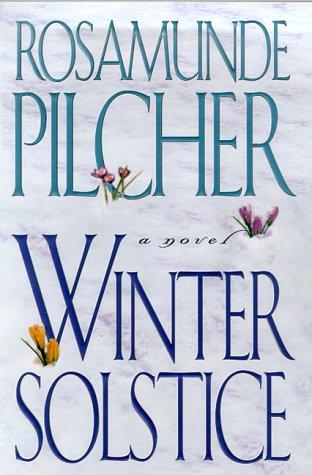
Five lonely people find themselves together in a Scottish house over the winter holidays. Warm and comforting.
Best for: readers who like gentle novels.
2. The Snow Child by Eowyn Ivey
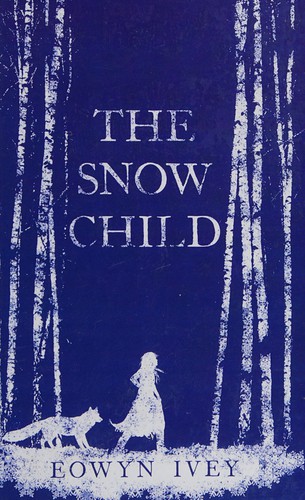
An older couple in 1920s Alaska builds a snow girl who seems to come alive. Beautiful and bittersweet. Content note: pregnancy loss and hardship.
Best for: readers who like lyrical stories.
3. A Gentleman in Moscow by Amor Towles
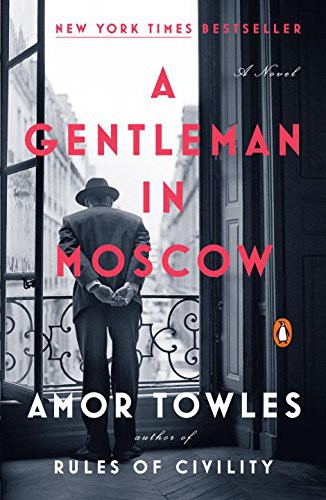
A count lives under house arrest in a Moscow hotel for decades. Charming and wise.
Best for: readers who like elegant novels.
4. The Bear and the Nightingale by Katherine Arden
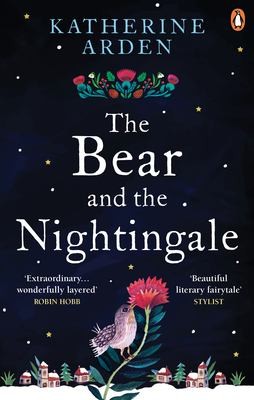
In a snowbound Russian village, a girl sees spirits others have forgotten. Atmospheric.
Best for: readers who love folklore.
5. The Thursday Murder Club by Richard Osman
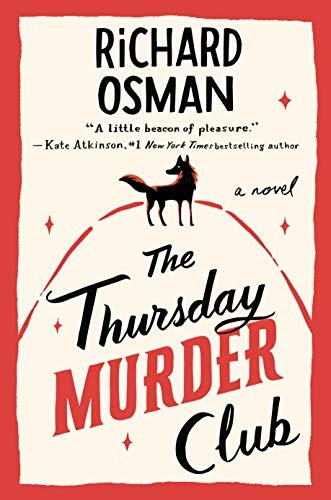
Four retirees solve cold cases.
Best for: readers who want fun.
6. The Dutch House by Ann Patchett
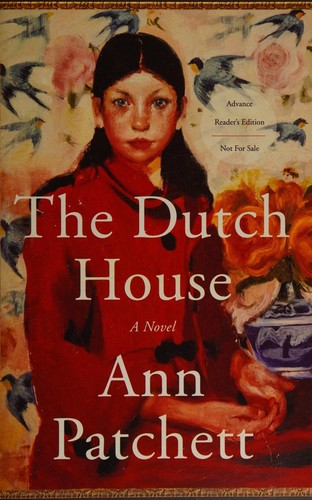
Two siblings are cast out of their childhood mansion.
Best for: readers who like family sagas.
7. Anne of Green Gables by L.M. Montgomery
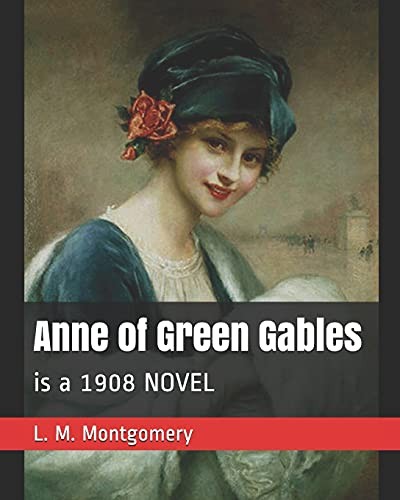
A spirited orphan finds a home. Warm and funny.
Best for: readers who want comfort.
8. Little Women by Louisa May Alcott
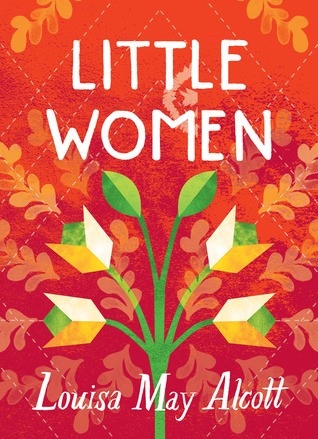
The March sisters grow up together. Opens in winter. Content note: a sad death.
Best for: readers who love family warmth.
9. The Secret Garden by Frances Hodgson Burnett
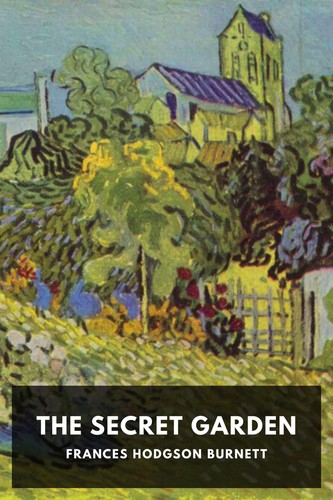
A lonely girl discovers a hidden garden.
Best for: readers who want healing stories.
10. Pride and Prejudice by Jane Austen
Elizabeth and Darcy overcome pride and prejudice.
Best for: readers who love wit.
11. Howl’s Moving Castle by Diana Wynne Jones
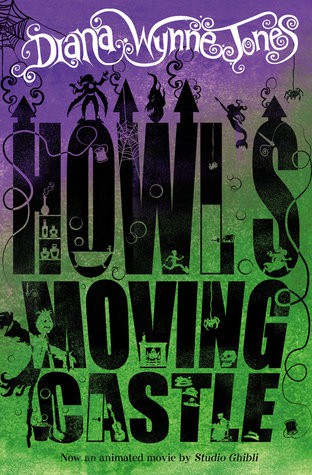
A girl cursed into old age works for a wizard in a walking castle.
Best for: readers who like whimsy.
12. The Cat Who Saved Books by Sosuke Natsukawa
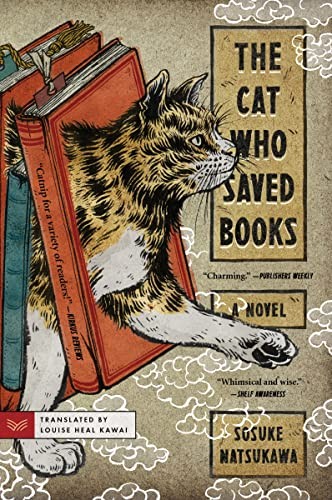
A teen and a talking cat rescue books. A sweet fable.
Best for: book lovers.
13. A Christmas Carol by Charles Dickens
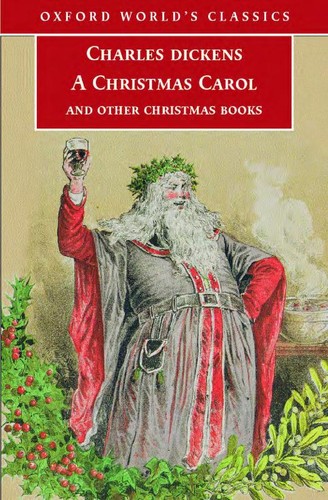
Scrooge is visited by three ghosts.
Best for: readers who want a quick seasonal read.
14. Wintering by Katherine May
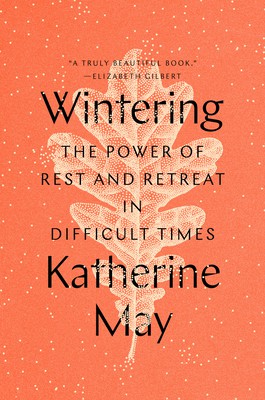
Reflects on rest and retreat as healing.
Best for: readers in a hard season.
15. The Little Book of Hygge by Meik Wiking
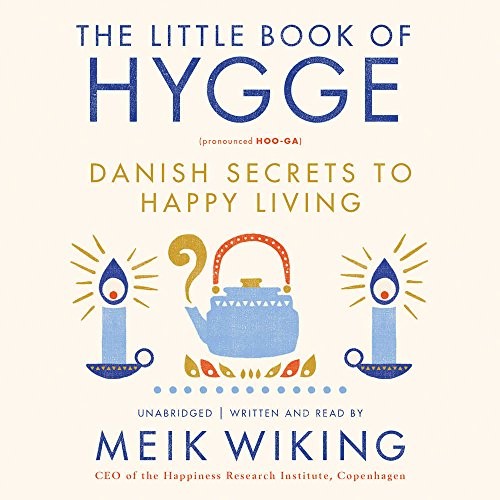
Explains the Danish concept of coziness with tips.
Best for: readers who want comfort.
How to Choose the Right Book on Winter
Choose by mood. For gentle contemporary stories, Winter Solstice, The Thursday Murder Club, A Gentleman in Moscow and The Dutch House are comforting. For snowy atmosphere, The Snow Child and The Bear and the Nightingale are enchanting. For classics, Anne of Green Gables, Little Women, The Secret Garden and Pride and Prejudice are always welcome. For fantasy, Howl’s Moving Castle and The Cat Who Saved Books charm. For reflection, Wintering and The Little Book of Hygge embrace the season. A hot drink completes the experience.
Which Book Should You Start With? A Quick Guide
If you are not sure where to begin, match your situation to the list below.
- Readers who like gentle novels: Winter Solstice
- Readers who like lyrical stories: The Snow Child
- Readers who like elegant novels: A Gentleman in Moscow
- Readers who love folklore: The Bear and the Nightingale
- Readers who want fun: The Thursday Murder Club
- Readers who like family sagas: The Dutch House
- Readers who want comfort: Anne of Green Gables
- Readers who love family warmth: Little Women
- Readers who want healing stories: The Secret Garden
- Readers who love wit: Pride and Prejudice
- Readers who like whimsy: Howl’s Moving Castle
- Book lovers: The Cat Who Saved Books
- Readers who want a quick seasonal read: A Christmas Carol
- Readers in a hard season: Wintering
- Readers who want comfort: The Little Book of Hygge
A Simple Reading Plan
A sensible order helps you build momentum. Open with Winter Solstice, which is accessible and encouraging, and finish it before you buy anything else. Next, choose The Snow Child to deepen what you learned, then A Gentleman in Moscow when you are ready for a different voice or a more demanding read. Between books, take a few days to try something you learned, because winter is easier to understand once you have tested it in real life. Keep a simple note on your phone with the title, your rating and one takeaway for each book you complete.
Print, E-Book or Audiobook?
Print, e-book and audiobook each suit different readers. Print is best for books you want to mark up and return to, which is useful for practical guides on winter. E-books are cheap, portable and easy to search, and they make it simple to highlight a passage and find it again later. Audiobooks turn commutes, chores and walks into reading time, and a good narrator can make a heavy book on winter easier to take in. Your public library offers all three through apps like Libby, so you can try a title before buying it. Many readers use two formats for the same book, listening first and then skimming a print copy for notes.
How to Get More From What You Read
To get more from these books, read with a pen and a question. Decide before you start what you hope to learn about winter, and check at the end of each chapter whether you found it. Mark passages that feel true for you, and write down the ones you disagree with, since disagreement is also learning. Pick one practice from each book and try it for two weeks before judging it. Talking about the ideas with someone you trust, or writing a few lines in a journal, helps them move from your head into your life. Be patient with yourself; change comes in small steps.
Reading on a Budget
You do not need to buy all of these books. Your public library likely lends print, e-book and audiobook copies of many titles on winter for free, and the hold feature lets you queue for popular ones. Used paperbacks are usually a few dollars, and thrift stores, library sales and swap groups are good sources. If you want to own a book you will mark up, buy the print edition; if you want to try several, borrow first and buy only the ones you finish and love. Subscription audiobook services often offer a free trial that covers a first title, and some libraries partner with apps that need only a library card.
Talk About What You Read
Reading on your own is valuable, and reading with others adds accountability. Consider forming a small book club around winter, taking turns to choose a title from this list. Meet monthly, ask each person to share one idea and one action, and keep the tone supportive rather than competitive. If your friends are not interested, look for a local library group or an online community. A shared conversation helps you notice things you missed, and the encouragement of others makes it easier to keep going when progress feels slow.
Common Mistakes to Avoid
Three mistakes come up again and again. First, readers choose a book that is too advanced or too long and give up on the topic altogether, so start with an accessible title. Second, they read passively, without notes or a plan to use what they learn about winter. Third, they expect immediate results and quit when the change is slow. Avoid these by starting small, taking notes and giving each idea at least two weeks. If a book does not suit you, move on; the list above has plenty of other voices.
How to Judge a Book on Winter
Not every book on winter is equally reliable. Before you trust one, check the author’s background: are they a researcher, clinician, journalist or someone writing from lived experience? Each can be valuable, but they offer different things. Look for notes and references at the back, which show the claims can be checked. Be wary of books that promise a quick fix, rely on a single story or dismiss all other views. Read a few reviews from people with different perspectives, and treat bold claims as hypotheses to test in your own life. A good book invites questions instead of demanding agreement.
When Reading Is Not Enough
Reading can illuminate and encourage, yet some situations need more than a book. If you notice that your struggles with winter are getting worse, lasting a long time or affecting your health, reach out to a professional you trust. Local libraries, community centers and workplaces often offer free resources, classes or referrals. Sharing what you are reading with a friend can open the door to a supportive conversation. Use these books as companions on the journey, and let real people walk it with you.
Questions to Reflect On
Keep these in a notebook and return to them after each book:
- What do I most want to understand or change about {t}?
- Which idea from my reading feels true for me, and which do I doubt?
- What is one small action I can take this week?
- Who could I talk to about what I am learning?
- How will I know in a month that this reading helped?
Tips for Reading About Winter
- Create a nook. Blanket, lamp and tea.
- Use candles. Warm light helps.
- Pick slow stories. Winter suits long novels.
- Share. Read aloud by the fire.
- Rest. Let winter be quiet.
Related: 15 Best Beach Reads and atomic Habits Summary and Key Takeaways.
Frequently Asked Questions
What are the best cozy books for winter?
Winter Solstice, A Gentleman in Moscow, The Snow Child and Anne of Green Gables are favorites.
What makes a book cozy?
Warm characters, gentle stakes, comforting settings and a sense of belonging.
Are cozy books only fiction?
No. Nonfiction like Wintering and The Little Book of Hygge can be cozy.
How many books on winter should I read at once?
One or two at a time is plenty. Finish a book, try one idea from it and then move on, so what you read turns into something you do.
Are these books on winter available as audiobooks?
Most of them are. Check your library’s app, such as Libby, or an audiobook service, and listen to a sample to see whether the narrator suits you.