
Disclosure: As an Amazon Associate, Bookish Wisdom earns from qualifying purchases. This doesn’t change our picks or your price.
Quick answer: The best books to read in fall include Rebecca, The Haunting of Hill House, Practical Magic, A Discovery of Witches, The Secret History and Harry Potter and the Sorcerer’s Stone. Pick Rebecca, The Haunting of Hill House or Practical Magic for atmospheric autumn reading.
Fall is the season of crisp air, early dusk and stories that feel a little mysterious. It is the perfect time for gothic classics, witchy novels, school stories and cozy mysteries, and for the kind of books you read under a blanket with cider. This list gathers fifteen books for fall, from spooky to sweet. Some lean toward Halloween chills, others toward back-to-school nostalgia or the quiet pleasure of changing leaves. You will find classics, fantasy, mysteries and contemporary fiction. Whether you want to be scared, charmed or comforted, there is something here to match the season. Light a candle, make tea and begin.
Table of Contents
Quick Picks at a Glance
| Book | Author | Genre | Best For |
|---|---|---|---|
| Rebecca | Daphne du Maurier | Gothic classic | readers who love suspense |
| The Haunting of Hill House | Shirley Jackson | Horror classic | readers who like subtle scares |
| Practical Magic | Alice Hoffman | Magical fiction | readers who love witchy stories |
| A Discovery of Witches | Deborah Harkness | Fantasy | readers who like romance and history |
| The Secret History | Donna Tartt | Literary fiction | readers who love dark academia |
| Harry Potter and the Sorcerer’s Stone | J.K. Rowling | Fantasy | readers who want a comfort read |
| The Night Circus | Erin Morgenstern | Fantasy | readers who like magic |
| The Ocean at the End of the Lane | Neil Gaiman | Fantasy | readers who like short, eerie books |
| Mexican Gothic | Silvia Moreno-Garcia | Gothic horror | readers who want modern chills |
| Dracula | Bram Stoker | Classic horror | readers who love classics |
| The Legend of Sleepy Hollow | Washington Irving | Short story | readers who want a quick classic |
| Anne of Green Gables | L.M. Montgomery | Classic | readers who want comfort |
| Little Women | Louisa May Alcott | Classic | readers who want warmth |
| The Thursday Murder Club | Richard Osman | Cozy mystery | readers who like cozy fun |
| The Raven Boys | Maggie Stiefvater | Fantasy | readers who like moody stories |
1. Rebecca by Daphne du Maurier
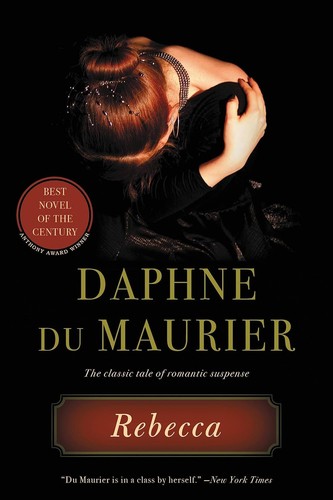
A young bride arrives at Manderley and is haunted by her husband’s first wife. A masterpiece of atmosphere.
Best for: readers who love suspense.
2. The Haunting of Hill House by Shirley Jackson
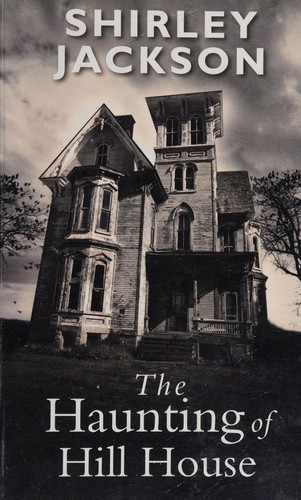
Four people spend a summer in a haunted mansion. Content note: themes of mental distress.
Best for: readers who like subtle scares.
3. Practical Magic by Alice Hoffman
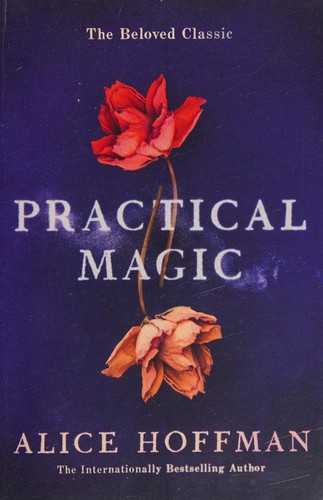
The Owens sisters, heirs to a family of witches, struggle with a curse. Warm and a bit spooky.
Best for: readers who love witchy stories.
4. A Discovery of Witches by Deborah Harkness
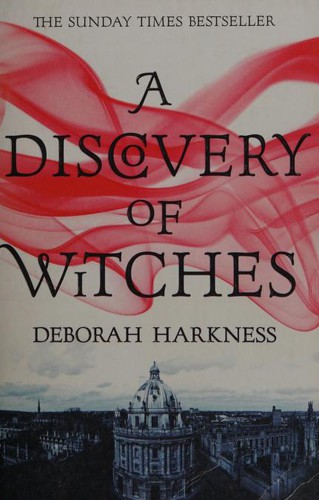
A historian discovers a bewitched manuscript in Oxford and meets a vampire. Atmospheric. Content note: some violence.
Best for: readers who like romance and history.
5. The Secret History by Donna Tartt
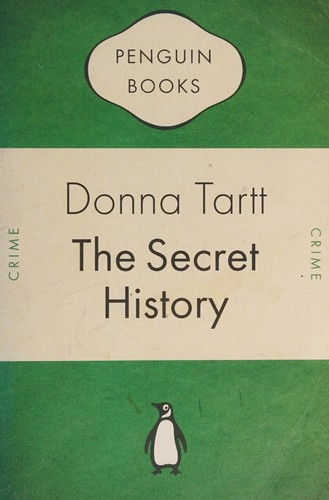
A group of classics students commit a murder. Moody and addictive. Content note: violence and drug use.
Best for: readers who love dark academia.
6. Harry Potter and the Sorcerer’s Stone by J.K. Rowling
A boy discovers he is a wizard. Cozy and inventive.
Best for: readers who want a comfort read.
7. The Night Circus by Erin Morgenstern
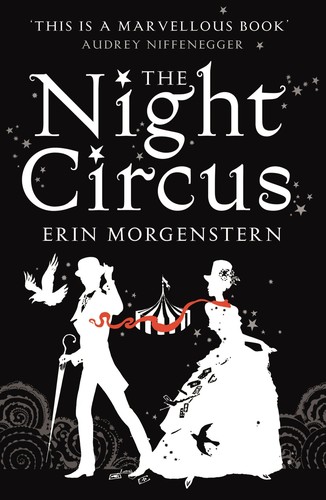
Two magicians compete in a mysterious circus. Lush and dreamy.
Best for: readers who like magic.
8. The Ocean at the End of the Lane by Neil Gaiman
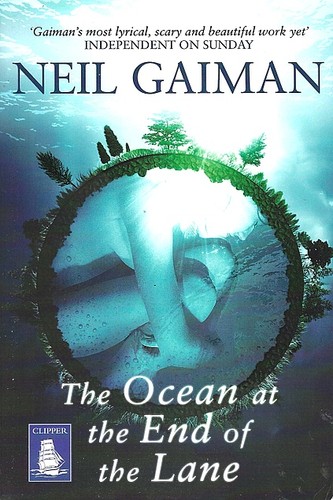
A man returns to his childhood home and remembers strange events. Dark and lyrical.
Best for: readers who like short, eerie books.
9. Mexican Gothic by Silvia Moreno-Garcia
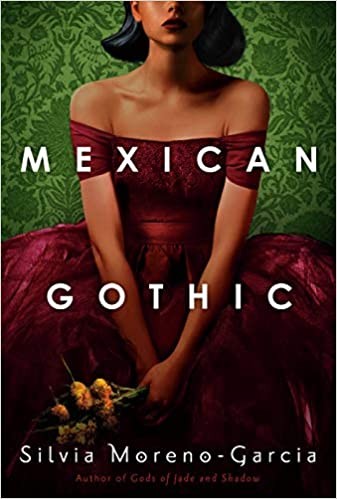
A young woman investigates her cousin’s strange marriage at a mansion. Content note: some disturbing scenes.
Best for: readers who want modern chills.
10. Dracula by Bram Stoker
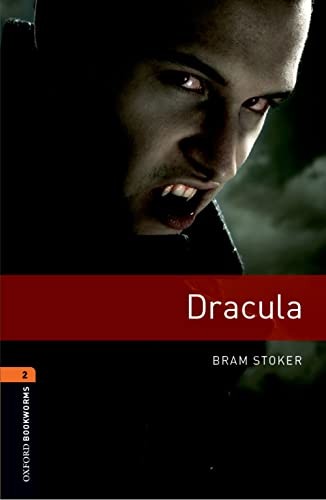
Told in letters and diaries, the Count stalks London. Content note: violence.
Best for: readers who love classics.
11. The Legend of Sleepy Hollow by Washington Irving
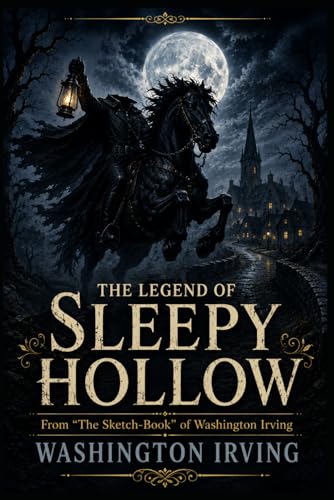
Ichabod Crane meets a headless horseman. A short American classic.
Best for: readers who want a quick classic.
12. Anne of Green Gables by L.M. Montgomery
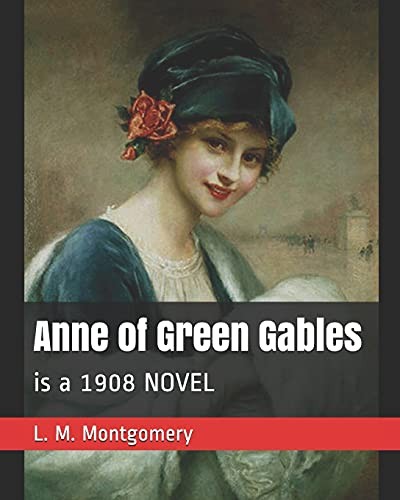
A spirited orphan finds a home.
Best for: readers who want comfort.
13. Little Women by Louisa May Alcott
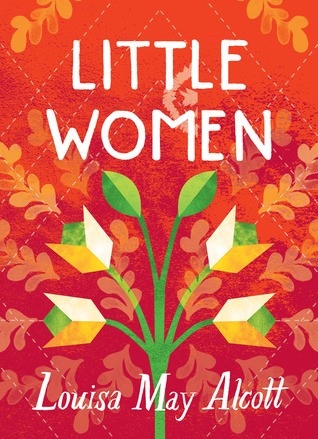
The March sisters grow up together.
Best for: readers who want warmth.
14. The Thursday Murder Club by Richard Osman
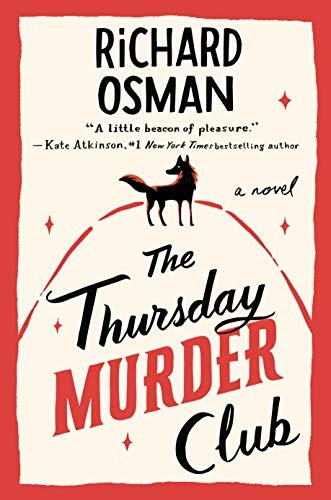
Four retirees solve cold cases.
Best for: readers who like cozy fun.
15. The Raven Boys by Maggie Stiefvater
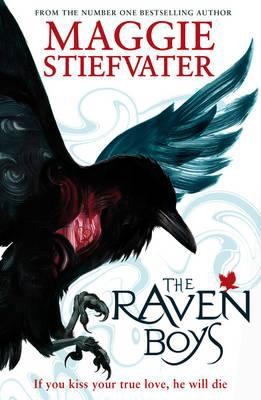
A girl meets four boys searching for a sleeping king.
Best for: readers who like moody stories.
How to Choose the Right Book on Fall
Choose by flavor. For gothic atmosphere, Rebecca, The Haunting of Hill House, Mexican Gothic and Dracula are classics. For witchy warmth, Practical Magic and A Discovery of Witches delight. For campus mood, The Secret History and Harry Potter and the Sorcerer’s Stone feel like autumn. For fantasy and wonder, The Night Circus and The Ocean at the End of the Lane enchant. For cozy comfort, Anne of Green Gables, Little Women and The Thursday Murder Club fit. Light spooky reading suits October; cozy picks suit November.
Which Book Should You Start With? A Quick Guide
If you are not sure where to begin, match your situation to the list below.
- Readers who love suspense: Rebecca
- Readers who like subtle scares: The Haunting of Hill House
- Readers who love witchy stories: Practical Magic
- Readers who like romance and history: A Discovery of Witches
- Readers who love dark academia: The Secret History
- Readers who want a comfort read: Harry Potter and the Sorcerer’s Stone
- Readers who like magic: The Night Circus
- Readers who like short, eerie books: The Ocean at the End of the Lane
- Readers who want modern chills: Mexican Gothic
- Readers who love classics: Dracula
- Readers who want a quick classic: The Legend of Sleepy Hollow
- Readers who want comfort: Anne of Green Gables
- Readers who want warmth: Little Women
- Readers who like cozy fun: The Thursday Murder Club
- Readers who like moody stories: The Raven Boys
A Simple Reading Plan
A reading plan works better than a stack of good intentions. Begin with Rebecca, which is the easiest way into fall, and give it two weeks at ten to twenty pages a day. When you finish, spend five minutes writing down the one idea you want to try. Then move to The Haunting of Hill House, and only after that to Practical Magic or a title that is denser. Mixing formats helps: read one book on paper, listen to another on a walk and keep a third on your phone for waiting rooms. If a book is not helping after fifty pages, put it down without guilt and try the next one, because the right book at the right time matters more than finishing every one.
Print, E-Book or Audiobook?
You do not have to pick one format. For a book on fall, listen to the audiobook while walking or driving, and keep the paper or e-book handy for the chapters you want to study. Reading and listening together can improve retention, since you hear the author’s voice and see the structure on the page. Library apps lend all three formats free, and used paperbacks are inexpensive. If your attention drifts with long audio sessions, try 1.25x speed for an easy book and normal speed for a dense one. Choose whatever makes it easiest to read a little every day.
How to Get More From What You Read
Reading is the first step, and practice is the second. For each book on fall, choose one idea that fits your life and schedule it, whether it is a ten-minute exercise, a conversation or a habit. Write it where you will see it, such as on a sticky note or in your calendar. After two weeks, ask what worked and what did not, and adjust. Sharing your progress with a friend adds accountability. If a book offers exercises, do them with a pencil instead of skipping to the next chapter, because the exercises are where most of the value lies.
Reading on a Budget
Reading about fall does not have to be expensive. Start at the library, where print books, e-books and audiobooks are free with a card and a hold list, and ask the librarian for related titles. Secondhand bookstores and online used sellers keep prices low, and older editions are usually just as good as new ones. Watch for e-book sales, and borrow a title before buying it to be sure it suits you. When a book becomes a favorite, buy a copy for your shelf so you can reread and annotate it.
Talk About What You Read
Talking about what you read turns information into understanding. After each book on fall, tell someone one thing you learned, even if it is just a five-minute chat over dinner. Post a short review for other readers, which forces you to organize your thoughts. If a book raises difficult feelings, share them with a trusted friend or counselor instead of carrying them alone. And if you disagree with an author, say so; thoughtful disagreement is part of learning, and it sharpens your own view.
Common Mistakes to Avoid
Readers often make a few predictable mistakes with books on fall. The first is reading too many at once and finishing none, so stick with one or two at a time. The second is looking for a perfect answer, when most authors offer ideas to test, not rules to follow. The third is skipping the exercises or reflection questions, which are often the most useful parts. The fourth is comparing yourself with the author’s success story. Finally, do not treat a book as a substitute for support from people who know you. Use books as one tool among several, and be kind to yourself when progress is slow.
How to Judge a Book on Fall
A few quick checks can save you time when choosing a book on fall. Look at who wrote it and what qualifies them. See whether the author cites research or sources, and whether those sources are recent enough to matter. Notice the tone: honest authors admit limits and exceptions, while less reliable ones speak in absolutes. Skim the table of contents and a sample chapter, and read both enthusiastic and critical reviews. If a claim seems too good to be true, search for what other experts say. Reading widely across several authors is the best protection against any single voice.
When Reading Is Not Enough
Books are a good start, but they are not the whole answer to every situation involving fall. If your difficulties interfere with sleep, work, relationships or safety, talk with a doctor, counselor or other qualified professional. Support groups, whether in person or online, can give you something books cannot: people who understand and respond. Friends and family can help if you let them know what you need. Think of your reading as one part of a larger toolkit, and do not hesitate to add other tools. Asking for help is a sign of strength and often speeds progress.
Questions to Reflect On
Keep these in a notebook and return to them after each book:
- What do I most want to understand or change about {t}?
- Which idea from my reading feels true for me, and which do I doubt?
- What is one small action I can take this week?
- Who could I talk to about what I am learning?
- How will I know in a month that this reading helped?
Tips for Reading About Fall
- Set the mood. Candles and cider help.
- Read outdoors. Wear a sweater and sit under the trees.
- Mix scary and cozy. Balance your mood.
- Try audiobooks. Listen on autumn walks.
- Share spooky stories. Gather friends.
Related: 15 Best Cozy Books to Read in Winter and atomic Habits Summary and Key Takeaways.
Frequently Asked Questions
What are the best books to read in fall?
Rebecca, The Haunting of Hill House, Practical Magic and The Secret History are popular.
What are good cozy fall books?
Anne of Green Gables, Little Women and The Thursday Murder Club are gentle.
When should I start fall reading?
Whenever the air turns crisp. Start with cozy picks and move to spooky ones in October.
How many books on fall should I read at once?
One or two at a time is plenty. Finish a book, try one idea from it and then move on, so what you read turns into something you do.
Are these books on fall available as audiobooks?
Most of them are. Check your library’s app, such as Libby, or an audiobook service, and listen to a sample to see whether the narrator suits you.