
Disclosure: As an Amazon Associate, Bookish Wisdom earns from qualifying purchases. This doesn’t change our picks or your price.
Quick answer: The best books on college freshmen include Atomic Habits, Make It Stick, A Mind for Numbers, How to Become a Straight-A Student, Mindset and How to Win Friends and Influence People. Start with Atomic Habits, Make It Stick and How to Become a Straight-A Student, and pack a novel like The Perks of Being a Wallflower for downtime.
Starting college is a leap: new friends, new freedom, a heavier workload and a big question about who you want to become. Books can help you prepare for the academic side and make sense of the personal one. This list gathers fifteen books for college freshmen, mixing study skills, habit-building, mental health, social wisdom and stories that capture the transition. Some will help you manage your time and learn more effectively, others will help you think about your values and handle stress. A few are novels to read when you need a break. You do not need to read them all before orientation. Pick two or three, and keep the rest for the semester when you need them.
Table of Contents
Quick Picks at a Glance
| Book | Author | Type | Best For |
|---|---|---|---|
| Atomic Habits | James Clear | Habits | students building routines |
| Make It Stick | Peter C. Brown, Henry L. Roediger III and Mark A. McDaniel | Learning science | students who want to study smarter |
| A Mind for Numbers | Barbara Oakley | Learning | students in math and science |
| How to Become a Straight-A Student | Cal Newport | Study skills | students wanting efficiency |
| Mindset | Carol S. Dweck | Growth | students who fear failure |
| How to Win Friends and Influence People | Dale Carnegie | Social skills | students making friends |
| Quiet | Susan Cain | Introversion | introverted students |
| The Defining Decade | Meg Jay | Twenties | students planning their futures |
| Man’s Search for Meaning | Viktor E. Frankl | Meaning | students seeking purpose |
| Educated | Tara Westover | Memoir | students who value education |
| Born a Crime | Trevor Noah | Memoir | students who like humor and heart |
| Maybe You Should Talk to Someone | Lori Gottlieb | Memoir | students curious about therapy |
| Steal Like an Artist | Austin Kleon | Creativity | creative students |
| The Perks of Being a Wallflower | Stephen Chbosky | Young adult novel | students who like coming-of-age |
| Letters to a Young Poet | Rainer Maria Rilke | Letters | students who like reflective reading |
1. Atomic Habits by James Clear
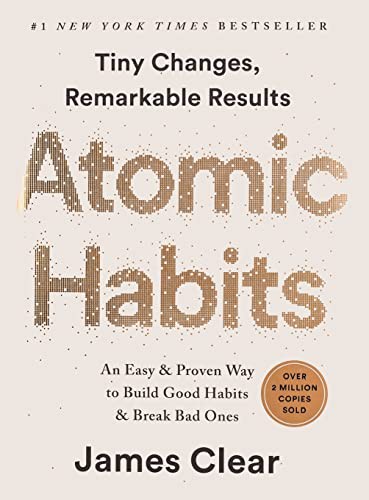
Shows how small habits compound, ideal for study routines.
Best for: students building routines.
2. Make It Stick by Peter C. Brown, Henry L. Roediger III and Mark A. McDaniel
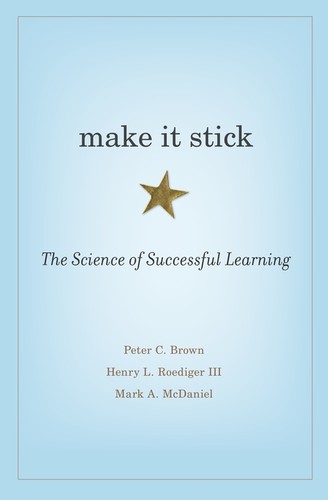
Explains retrieval practice, spacing and interleaving, techniques that beat rereading.
Best for: students who want to study smarter.
3. A Mind for Numbers by Barbara Oakley
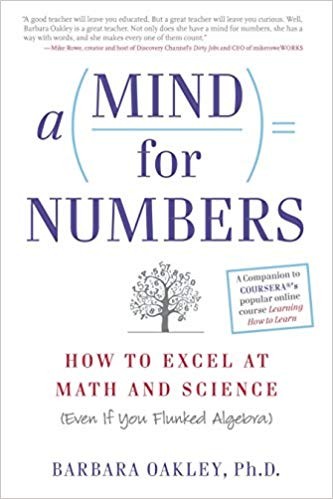
Teaches focused and diffuse thinking and ways to beat procrastination.
Best for: students in math and science.
4. How to Become a Straight-A Student by Cal Newport
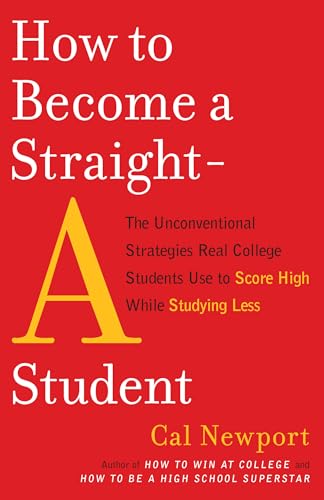
Shares strategies for studying efficiently, based on interviews with top students.
Best for: students wanting efficiency.
5. Mindset by Carol S. Dweck
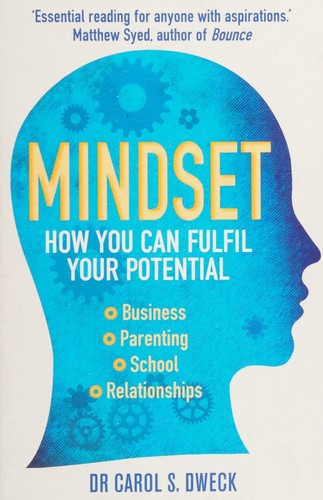
Explains how beliefs about ability shape learning.
Best for: students who fear failure.
6. How to Win Friends and Influence People by Dale Carnegie
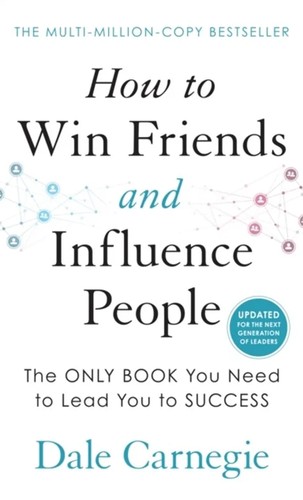
Timeless advice on listening and showing interest.
Best for: students making friends.
7. Quiet by Susan Cain
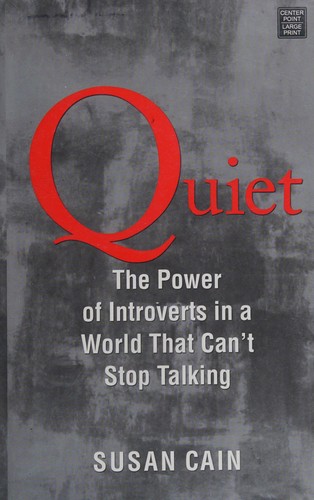
Explains the strengths of introverts.
Best for: introverted students.
8. The Defining Decade by Meg Jay
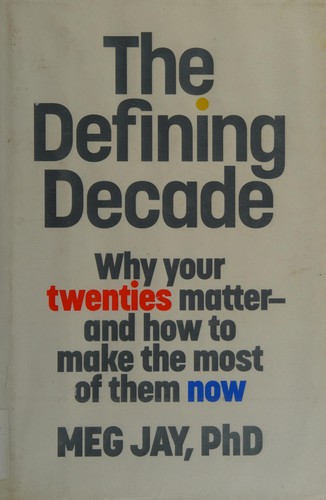
Argues that your twenties matter and offers advice.
Best for: students planning their futures.
9. Man’s Search for Meaning by Viktor E. Frankl
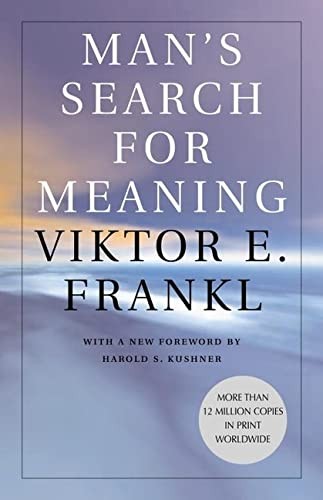
Frankl’s reflections on meaning. Content note: descriptions of concentration camps.
Best for: students seeking purpose.
10. Educated by Tara Westover
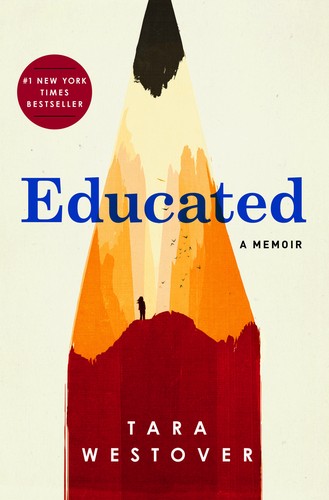
A woman raised in a survivalist family teaches herself enough to attend Cambridge. Content note: abuse and violence.
Best for: students who value education.
11. Born a Crime by Trevor Noah
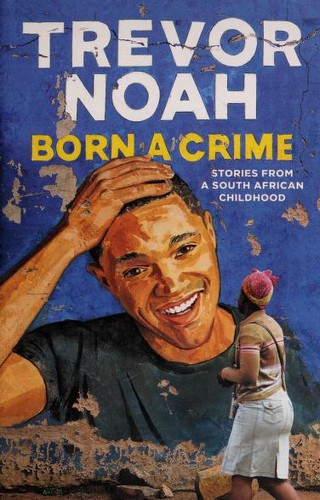
Noah’s story of growing up in apartheid South Africa. Content note: violence and abuse.
Best for: students who like humor and heart.
12. Maybe You Should Talk to Someone by Lori Gottlieb
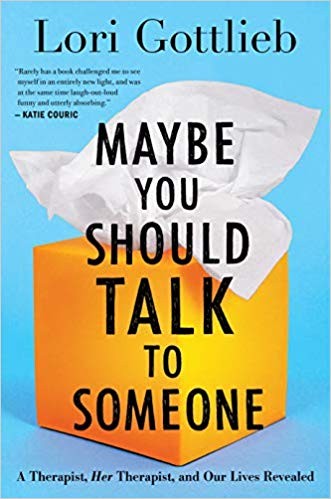
A therapist describes her own therapy, normalizing asking for help.
Best for: students curious about therapy.
13. Steal Like an Artist by Austin Kleon
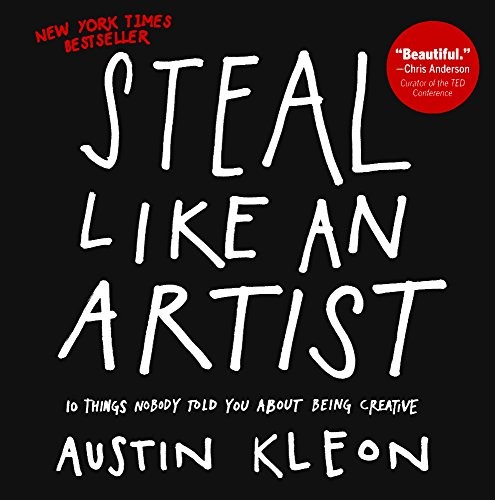
A short, illustrated guide to creativity.
Best for: creative students.
14. The Perks of Being a Wallflower by Stephen Chbosky
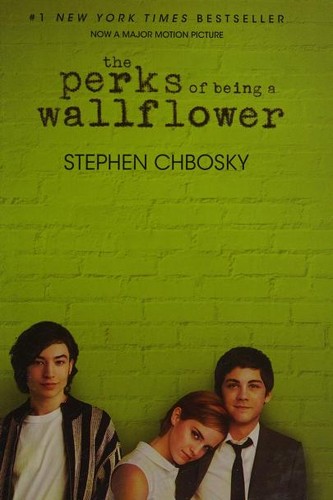
A shy teen navigates friendship and trauma in letters. Content note: abuse, drugs and sexual content.
Best for: students who like coming-of-age.
15. Letters to a Young Poet by Rainer Maria Rilke
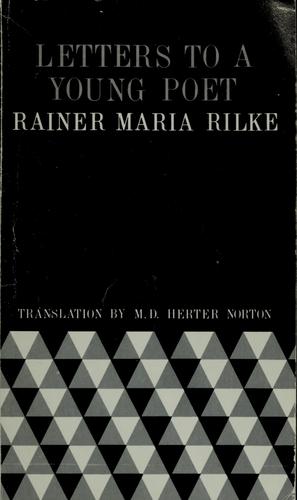
Ten letters of advice on solitude, love and creativity.
Best for: students who like reflective reading.
How to Choose the Right Book on College Freshmen
Choose by need. For studying, Make It Stick, A Mind for Numbers and How to Become a Straight-A Student offer research-based strategies. For habits and focus, Atomic Habits and Mindset help. For social life and mental health, How to Win Friends and Influence People, Quiet and Maybe You Should Talk to Someone give perspective. For purpose and resilience, Man’s Search for Meaning, Educated and Born a Crime inspire. For creativity, Steal Like an Artist sparks ideas. For fiction, The Perks of Being a Wallflower, The Catcher in the Rye and Letters to a Young Poet reflect on growing up.
Which Book Should You Start With? A Quick Guide
If you are not sure where to begin, match your situation to the list below.
- Students building routines: Atomic Habits
- Students who want to study smarter: Make It Stick
- Students in math and science: A Mind for Numbers
- Students wanting efficiency: How to Become a Straight-A Student
- Students who fear failure: Mindset
- Students making friends: How to Win Friends and Influence People
- Introverted students: Quiet
- Students planning their futures: The Defining Decade
- Students seeking purpose: Man’s Search for Meaning
- Students who value education: Educated
- Students who like humor and heart: Born a Crime
- Students curious about therapy: Maybe You Should Talk to Someone
- Creative students: Steal Like an Artist
- Students who like coming-of-age: The Perks of Being a Wallflower
- Students who like reflective reading: Letters to a Young Poet
A Simple Reading Plan
Treat this list as a menu, not an assignment. Start with Atomic Habits, because it gives you a clear overview of college freshmen without demanding much from you. Read in short sessions and underline or note the passages that make you stop. After a week or two, move to Make It Stick for a different angle, then A Mind for Numbers when you want more depth. Spacing the books out gives the ideas time to settle, and applying one small idea per week is worth more than rushing through the whole shelf. Revisit your notes at the end of each month to see what has actually changed.
Print, E-Book or Audiobook?
Format matters more than people expect. If you tend to forget what you read, choose print or an e-book so you can underline and review. If your time is limited, audiobooks fit into the gaps of your day. For a topic like college freshmen, short chapters are an advantage, since you can finish one in a single sitting and think about it afterward. Libraries lend e-books and audiobooks free, and many offer print copies of new releases through holds. Try one format for a week and switch if it is not working.
How to Get More From What You Read
Reading about college freshmen only helps if something changes afterward, so build a small habit around it. Keep a notebook or a notes app, and after each chapter write one sentence about what stood out and one action you could take. Choose a single idea per week to test, such as a new routine, a conversation or a different way of thinking. Discuss what you are reading with a friend, a partner or an online group, since explaining an idea out loud makes it stick. Review your notes monthly and drop anything that did not help. The aim is progress you can notice, not a long reading list.
Reading on a Budget
Good books on college freshmen are easier to afford than most people think. Library cards open up print, e-book and audiobook borrowing, and interlibrary loan can find titles your branch does not own. Used copies cost a fraction of new ones, and many of the classics are inexpensive in paperback. Try a sample chapter online to see whether an author’s voice suits you before you commit. If you finish a book you love, consider passing it to a friend, which keeps the ideas moving and your shelf uncluttered.
Talk About What You Read
Ideas stick when you talk about them. Choose one book from this list and invite a friend, partner or colleague to read it with you, then meet for coffee to compare notes on college freshmen. Online communities and library groups also host discussions, and many of these books have free reading guides. If you prefer privacy, a journal works well: write a paragraph after each chapter on what you agree with, what you doubt and what you will try. Teaching an idea to someone else is one of the best ways to learn it, so explain what you read in your own words.
Common Mistakes to Avoid
A few pitfalls are worth avoiding. Do not buy a dozen books on college freshmen in one go; borrow one, finish it and then decide what to read next. Do not expect a single book to transform your life overnight, since the best ones work through small, repeated actions. Be cautious of any author who promises guaranteed results, and check an author’s credentials and sources. Finally, do not use reading as a way of avoiding action. If you notice yourself finishing book after book without changing anything, pick one idea and practice it this week.
How to Judge a Book on College freshmen
Not every book on college freshmen is equally reliable. Before you trust one, check the author’s background: are they a researcher, clinician, journalist or someone writing from lived experience? Each can be valuable, but they offer different things. Look for notes and references at the back, which show the claims can be checked. Be wary of books that promise a quick fix, rely on a single story or dismiss all other views. Read a few reviews from people with different perspectives, and treat bold claims as hypotheses to test in your own life. A good book invites questions instead of demanding agreement.
When Reading Is Not Enough
Reading can illuminate and encourage, yet some situations need more than a book. If you notice that your struggles with college freshmen are getting worse, lasting a long time or affecting your health, reach out to a professional you trust. Local libraries, community centers and workplaces often offer free resources, classes or referrals. Sharing what you are reading with a friend can open the door to a supportive conversation. Use these books as companions on the journey, and let real people walk it with you.
Questions to Reflect On
Keep these in a notebook and return to them after each book:
- What do I most want to understand or change about {t}?
- Which idea from my reading feels true for me, and which do I doubt?
- What is one small action I can take this week?
- Who could I talk to about what I am learning?
- How will I know in a month that this reading helped?
Tips for Reading About College freshmen
- Go to class. Attendance matters.
- Use office hours. Professors want questions.
- Sleep. It beats cramming.
- Try clubs. They build community.
- Ask for help. Counseling is there.
Related: 15 Best Books to Read in Fall and atomic Habits Summary and Key Takeaways.
Frequently Asked Questions
What are the best books for college freshmen?
Atomic Habits, Make It Stick and How to Become a Straight-A Student are popular.
Should I read before school starts?
A couple of books on habits or study skills can help, but you can wait.
Are there books on college mental health?
Maybe You Should Talk to Someone normalizes therapy, and your campus counseling center offers help.
How many books on college freshmen should I read at once?
One or two at a time is plenty. Finish a book, try one idea from it and then move on, so what you read turns into something you do.
Are these books on college freshmen available as audiobooks?
Most of them are. Check your library’s app, such as Libby, or an audiobook service, and listen to a sample to see whether the narrator suits you.