

Disclosure: As an Amazon Associate, Bookish Wisdom earns from qualifying purchases. This doesn’t change our picks or your price.
Quick answer: The best decodable books for kids with dyslexia use only the phonics patterns a child has already been taught, so every word can be sounded out. Trusted series include Bob Books, Dog on a Log, Simple Words Books, Phonic Books (Dandelion Launchers, Magic Belt and Moon Dogs), Primary Phonics, Jolly Phonics Readers and High Noon Sound Out Chapter Books for older kids.
Children with dyslexia usually need structured, explicit phonics instruction, often called structured literacy or an Orton-Gillingham-based approach. Ordinary leveled readers can work against that progress because they encourage guessing from pictures or context. Decodable books do the opposite: each one practices a specific set of sounds and patterns, so kids build accuracy and confidence one step at a time. The series below are widely used by reading specialists and parents, and several are designed for older students who need age-respectful stories.
Table of Contents
What Is a Decodable Book?
A decodable book contains words that follow phonics rules the reader has already learned, plus a small number of high-frequency “heart words.” Series are organized in a scope and sequence, such as short vowels, then consonant blends, then digraphs like sh and ch, then long vowels. Matching the book to your child’s current skills is the key to success.
Quick Picks at a Glance
| Series | Publisher or Author | Best For |
|---|---|---|
| Bob Books | Bobby Lynn Maslen | Absolute beginners, ages 4–7 |
| Dog on a Log Books | Pamela Brookes | Dyslexia-specific sequence |
| Simple Words Books | Cigdem Knebel | Decodable chapter books, ages 7–12 |
| Dandelion Launchers | Phonic Books | Early decoders |
| Magic Belt | Phonic Books | Older beginning readers |
| Moon Dogs | Phonic Books | Older readers, extended code |
| Primary Phonics | Barbara W. Makar | Classroom and tutoring |
| Junior Learning Phonics Readers | Junior Learning | Systematic practice |
| Jolly Phonics Readers | Jolly Learning | Synthetic phonics |
| Usborne Phonics Readers | Usborne | Rhyming practice |
| Oxford Reading Tree: Floppy’s Phonics | Oxford University Press | Story-based phonics |
| High Noon Sound Out Chapter Books | High Noon Books | Older struggling readers |
| Hooked on Phonics | Hooked on Phonics | At-home program |
| Geodes | Great Minds | Knowledge-building decodables |
| Here’s Hank | Henry Winkler and Lin Oliver | Dyslexia-friendly chapter books |
1. Bob Books by Bobby Lynn Maslen
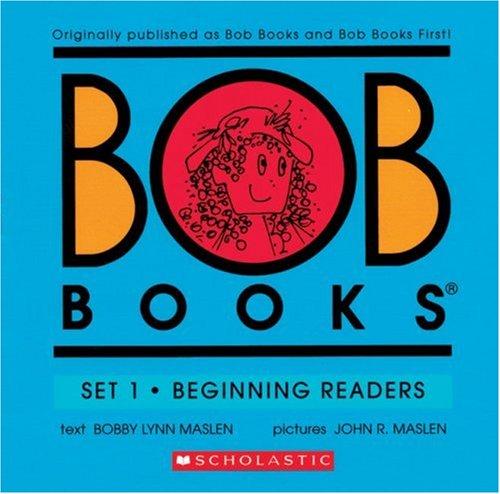
The classic first decodable series. Set 1 starts with just a few letters and short-vowel words like “Mat sat.” The tiny books are perfect for little hands, and finishing a whole book in minutes gives early readers a huge sense of accomplishment. Later sets add blends, digraphs and longer stories.
2. Dog on a Log Books by Pamela Brookes
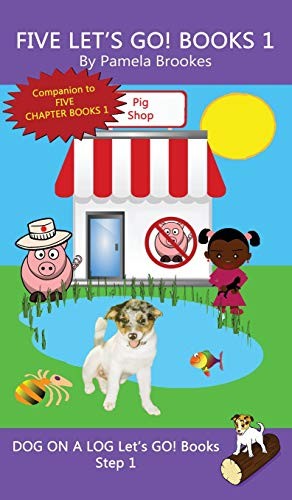
Written by a parent of a child with dyslexia, this series follows a sequence designed to align with Orton-Gillingham-style instruction. It includes simple early readers and longer chapter books, all fully decodable, with free word lists and guidance for parents.
3. Simple Words Books by Cigdem Knebel
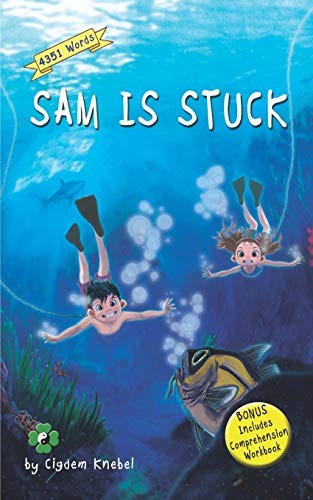
These decodable chapter books look like regular early chapter books, with fun plots, illustrations and multiple chapters, but every word follows a controlled phonics sequence. They’re excellent for kids aged 7 to 12 who are embarrassed by baby-ish readers.
4. Dandelion Launchers by Phonic Books
Created by UK reading specialists, Dandelion Launchers introduce sounds in small, carefully sequenced steps, beginning with simple CVC words. Each set comes with activities and the books use warm, engaging illustrations.
5. Magic Belt by Phonic Books
Magic Belt is designed for older kids who are still at the beginning stages of decoding. A boy finds a belt that transports him through time, giving stories with action and age-appropriate appeal while keeping the code simple.
6. Moon Dogs by Phonic Books
Another catch-up series for older readers, Moon Dogs follows a band of dogs on adventures and works through more advanced spelling patterns. It’s a smart next step after Magic Belt.
7. Primary Phonics by Barbara W. Makar
A long-standing favorite in classrooms and tutoring programs, Primary Phonics storybooks are paired with workbooks that reinforce each skill. The simple, structured format is easy for parents to use at home.
8. Junior Learning Phonics Readers
These boxed sets progress systematically through the phonics code, with fiction and nonfiction titles at each level. Colorful illustrations and clear level labels help parents match books to skills.
9. Jolly Phonics Readers
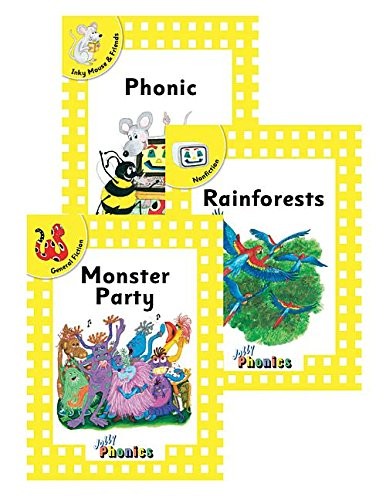
Based on the widely used Jolly Phonics synthetic phonics program, these readers are graded by sound group. They’re great if your child’s school uses Jolly Phonics and you want matching practice at home.
10. Usborne Phonics Readers
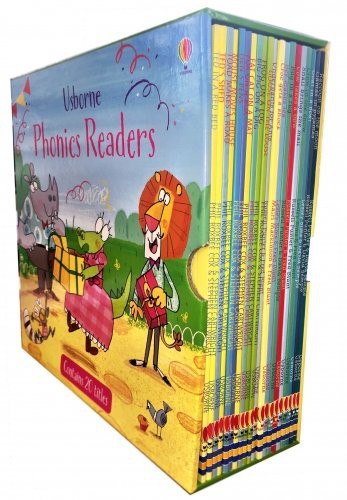
Titles like Fat Cat on a Mat use rhyming, repetitive phonics patterns with bright illustrations. They’re fun for read-together practice, and the playful stories make phonics feel less like drills.
11. Oxford Reading Tree: Floppy’s Phonics
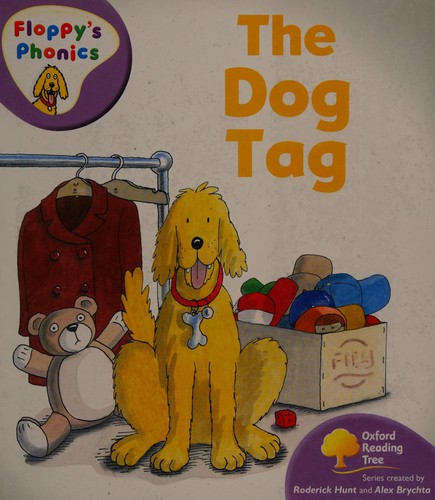
Featuring the beloved Biff, Chip, Kipper and Floppy the dog, these books follow a clear phonics progression with familiar characters. Kids often feel motivated by reading about characters they recognize.
12. High Noon Sound Out Chapter Books
Designed for older struggling readers, these short chapter books retell classic adventures and mysteries using a controlled, decodable vocabulary. They help preteens and teens practice decoding without feeling talked down to.
13. Hooked on Phonics
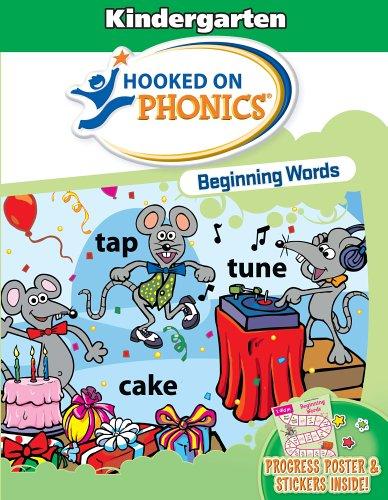
This at-home program combines decodable books with lessons, apps and practice activities. It’s a convenient, structured option for families who want a ready-made sequence to follow.
14. Geodes by Great Minds
Geodes are decodable books that also build background knowledge about science, history and the world. They’re a great choice for curious kids who want more than simple stories.
15. Here’s Hank by Henry Winkler and Lin Oliver
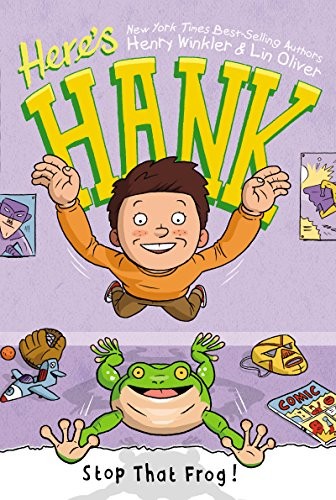
Not strictly decodable, but highly dyslexia-friendly. This prequel series to Hank Zipzer uses a special typeface designed for readers with dyslexia, short chapters and a funny, relatable hero who learns differently. It’s ideal once your child has built some decoding skills.
How to Use Decodable Books at Home
- Match the sequence. Ask your child’s teacher or tutor which phonics skills they’ve mastered.
- Read each book more than once. Rereading builds fluency and automaticity.
- Point and sound out. Encourage finger-tracking and blending instead of guessing.
- Keep it short and positive. Ten focused minutes daily beats long, frustrating sessions.
- Keep reading aloud to them. Rich read-alouds grow vocabulary while decoding catches up.
Related: high-interest low-level books and books for parenting a child with ADHD.
Frequently Asked Questions
Do decodable books help children with dyslexia?
Yes. Decodable books let children practice the specific phonics skills they’ve been taught, which is central to structured literacy approaches recommended for dyslexia.
What’s the difference between decodable and leveled readers?
Decodable readers control phonics patterns so words can be sounded out; leveled readers control overall difficulty and often rely on pictures and predictable text.
Are there decodable books for older kids?
Yes. Magic Belt, Moon Dogs, Simple Words Books and High Noon Sound Out Chapter Books are designed for older beginning readers.
Featured image: Photo by Robyn Budlender on Unsplash